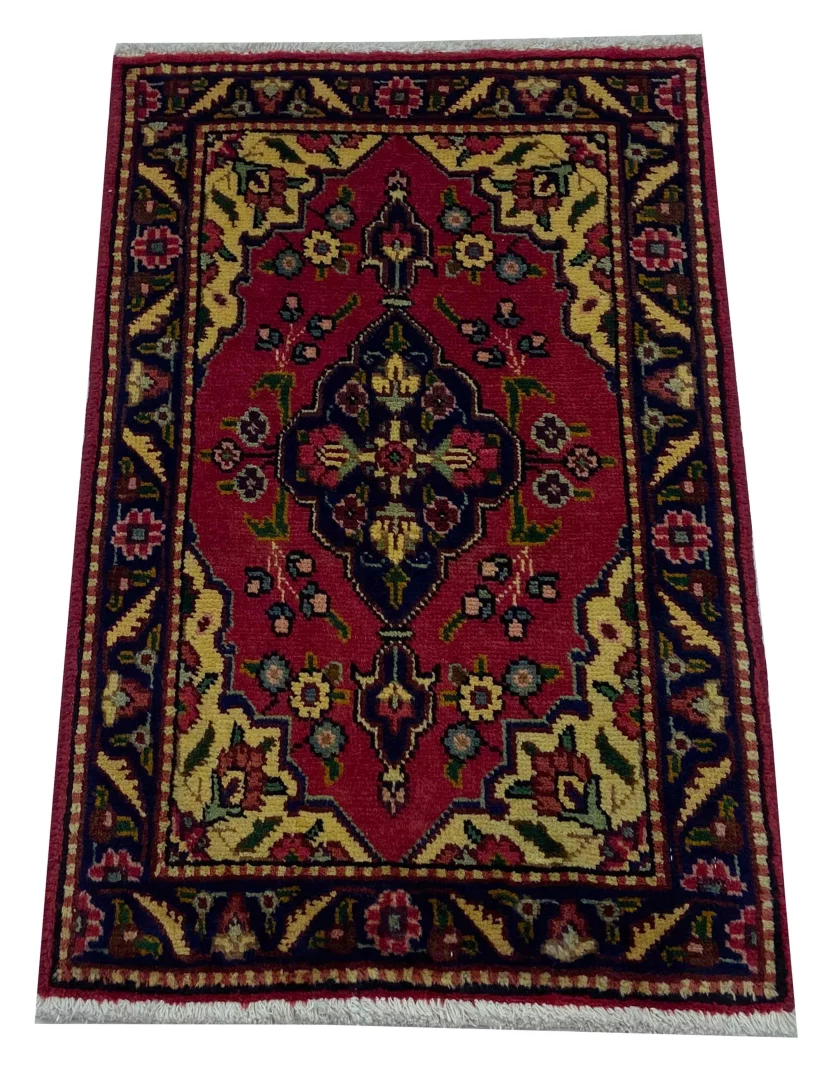
This Tabriz Persian rug is hand-knotted. Its material description identifies high-quality wool and/or silk for the pile. The wording deliberately leaves the precise blend open while naming both materials associated with Tabriz weaving. Wool is frequently used as a durable pile material in Tabriz rugs. Silk may give the pile a smoother surface and a subtle sheen. A description that includes wool and/or silk therefore places the rug within two established material traditions without assigning a composition that is not specified.
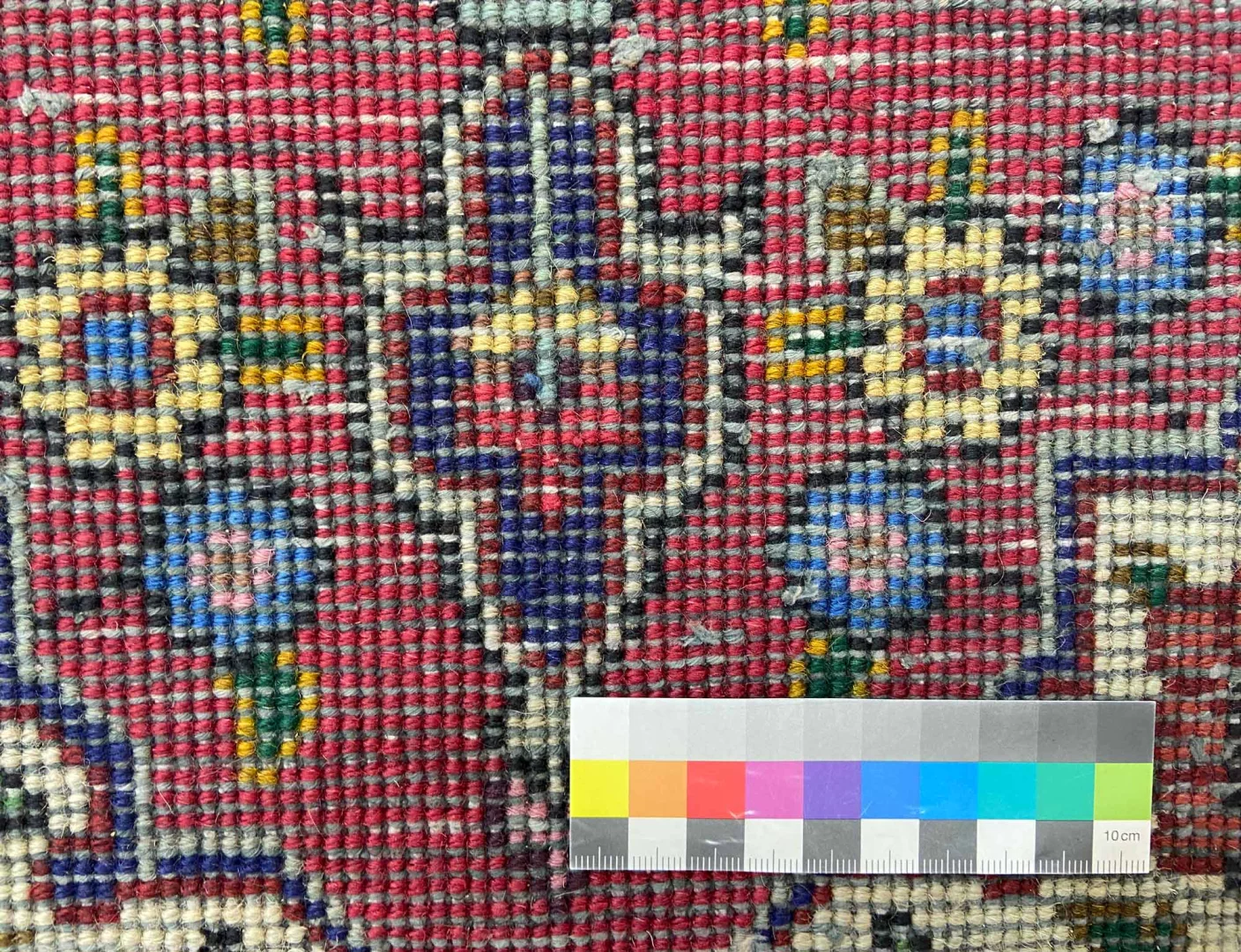
Hand-knotting is formed by placing individual knots onto the foundation and securing them with weft threads. The textile structure develops row by row as the work proceeds. The design is created during the knotting process rather than applied to a completed surface. In Tabriz weaving, knot density is an important way of describing the technical refinement of a rug. The term Raj is traditionally used as a classification connected with this density. A higher Raj value represents more knots and allows smaller details and finer transitions to be rendered.
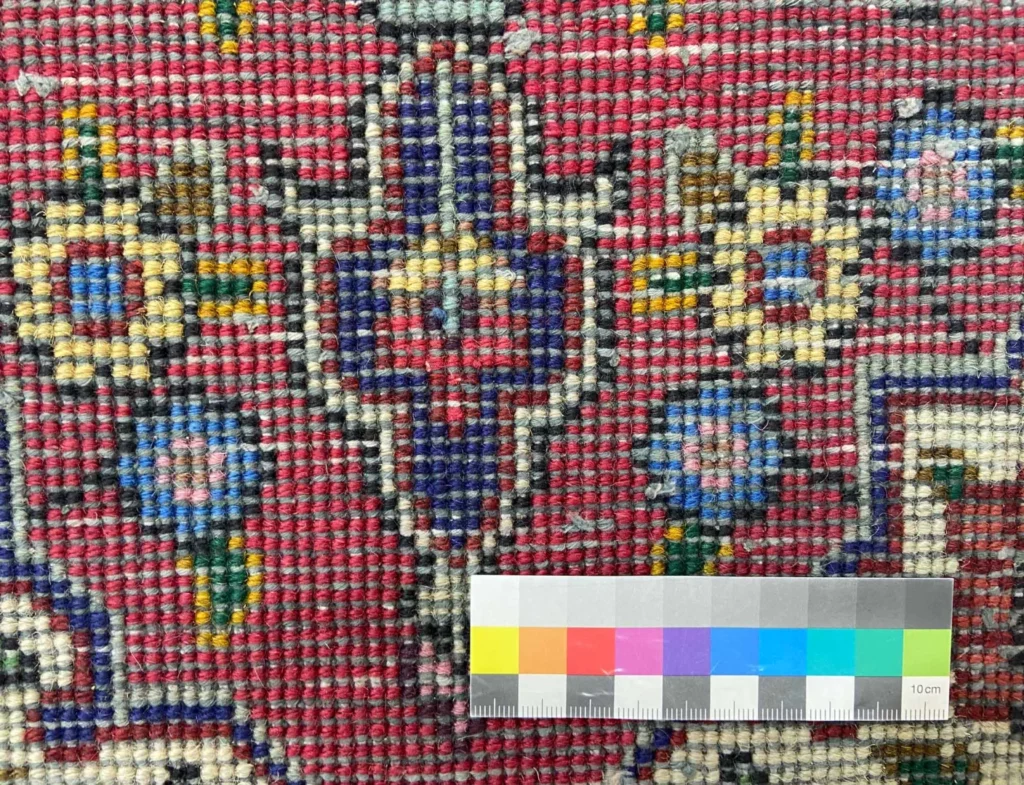
Tabriz rugs are made in different quality levels and with a broad selection of materials. This rug is described as having a density of up to 1,300,000 knots per square metre. That figure expresses the maximum density named in the product description. A dense structure supports the rendering of small motifs, delicate outlines and carefully graduated areas. It remains one technical characteristic among several, to be considered together with the pile material and the handwork.
The combination of a hand-knotted construction and a fine knot structure is central to the character of Tabriz weaving. It allows the weaver to maintain a defined relationship between the field, borders and individual ornaments. Wool and silk offer different tactile and visual qualities, while the knotting technique gives the design its textile structure. The source describes the pile as high-quality wool and/or silk, so both traditional material options remain part of the rug’s description.
Origin and Tradition
Tabriz is located in East Azerbaijan and is known as the capital of that region. The city is one of the important centres of Persian carpet weaving. Tabriz rugs reflect a long relationship between design, trade and specialised craftsmanship associated with the city. Their origin is therefore understood through both geography and a regional weaving tradition that developed its own range of qualities and patterns.
The Tabriz tradition includes many different qualities and a wide variety of designs. Some compositions follow classical principles, while others can be used in settings with a more contemporary interior language. What connects them is a balance between a legible structure and careful execution. Tabriz weaving can therefore accommodate ornamental, geometric and historically rooted approaches without being limited to a single visual formula.
Raj is an important technical classification in descriptions of Tabriz carpets. It is linked to knot density: a higher classification indicates a denser construction and allows finer details to be represented. A lower density may support larger, more clearly separated forms, while a higher density can accommodate smaller ornaments and more nuanced transitions. Raj is consequently a description of craftsmanship and structure, not merely a name for a decorative style.
The regional tradition belongs to the wider history of Persian carpet art. Heriz rugs from the broader area are associated with strong colours and geometric designs. Kerman rugs are often connected with floral patterns and a fine silk surface. Isfahan rugs are valued for artistic motifs and high quality. These groups should not be confused with Tabriz rugs, but they demonstrate the variety of Persian weaving traditions in which Tabriz has its own identifiable place.
East Azerbaijan is thus both a geographic reference and a cultural setting for this rug type. The city of Tabriz gave the group its name, while the use of wool and silk, the Raj classification and the range of patterns show the breadth of the craft practised there. A Tabriz Persian rug brings together regional origin, hand-knotting and a design vocabulary capable of precise ornamental work as well as clear geometric organisation.
The tradition also illustrates how technical and artistic decisions interact. Knot density affects the scale at which a motif can be drawn, while the chosen material influences the surface and handling of the pile. The pattern remains part of the broader Tabriz vocabulary even when the individual design varies. This relationship between structure, material and ornament is one reason Tabriz is recognised as a major Persian carpet centre.
Design and Pattern
Tabriz rugs are known for a varied pattern language. Floral motifs, geometric forms and historical designs are frequently used in separate compositions or combined within one ordered arrangement. Floral elements can create a sense of an ornamented garden or a rhythmically connected surface. Geometric forms establish axes, frames and repeated intervals. Historical designs refer to older decorative ideas and visual structures rooted in Persian culture.
A rug’s design is shaped not only by individual motifs but also by the relationship between field, borders, spacing and repetition. A finely knotted Tabriz rug can use its dense structure to define small contours and fine internal details. Flowers, vines, lines and geometric elements can consequently be organised as parts of one coherent composition rather than as isolated decorations.
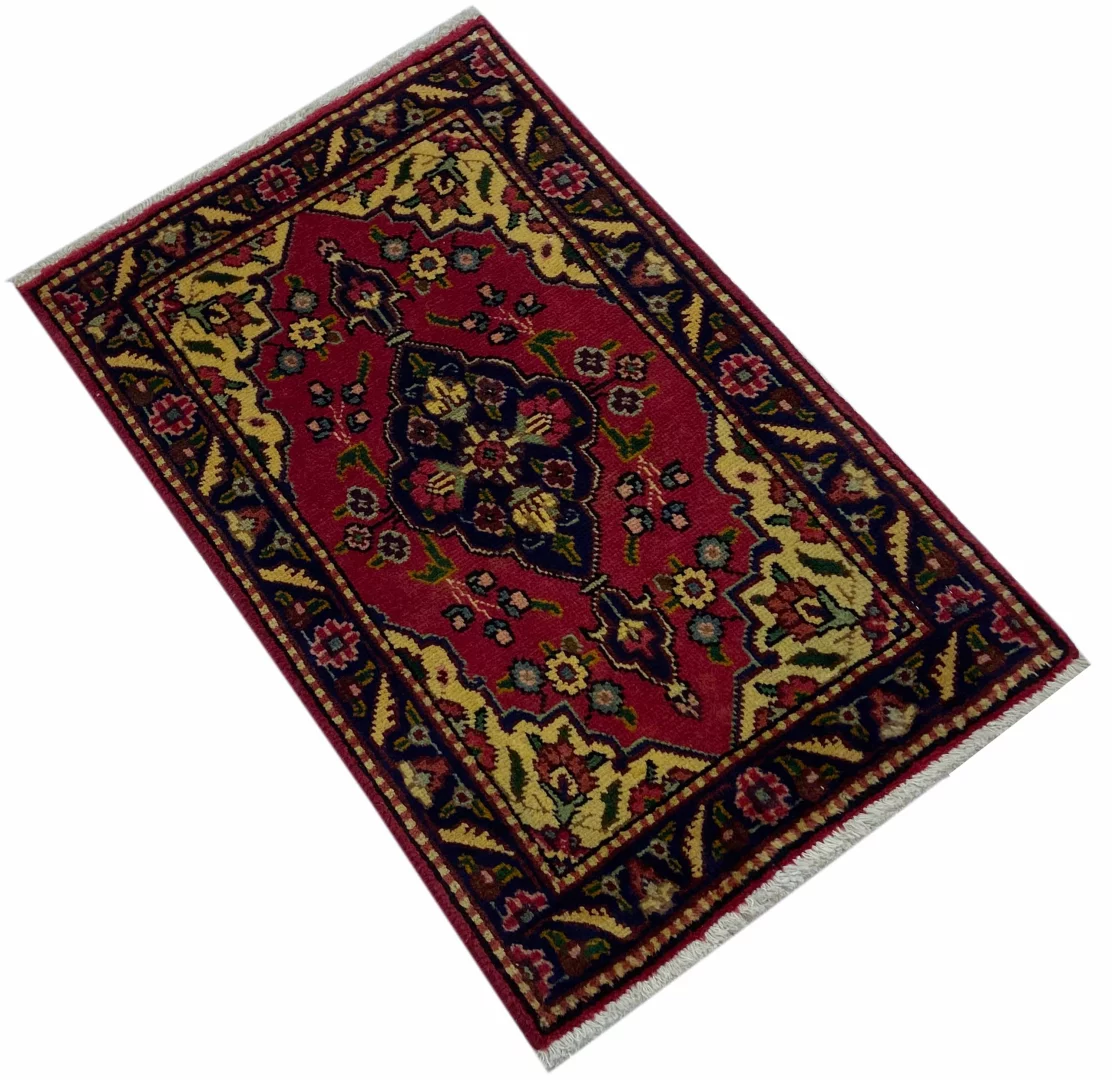
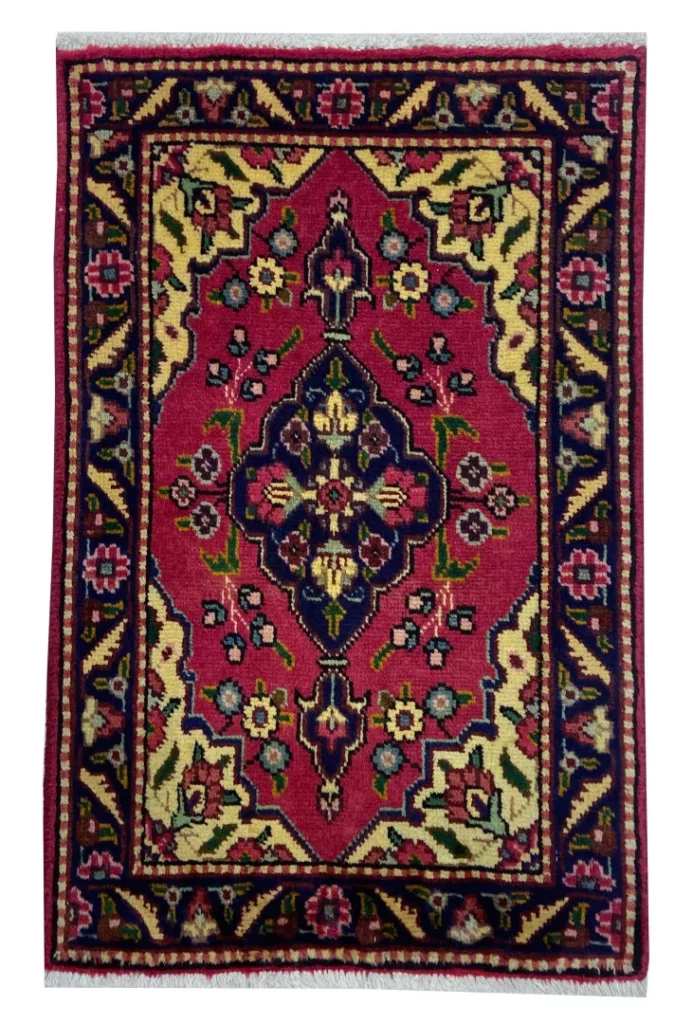
The description of this rug as having varied designs intentionally leaves the individual pattern open. It records the broad range associated with Tabriz: classical floral arrangements, geometric structures and historical motifs all belong to the established design vocabulary. Tabriz cannot be reduced to one pattern family. Its identity is expressed through the combination of a regional tradition, careful drawing and a flexible approach to composition.
Floral designs are a recurring subject in Persian carpets. Blossoms and scrolling forms may be arranged symmetrically, distributed across a central field or concentrated within a border. Geometric designs rely on reflection, angles and repeated shapes to create order. Historical compositions draw on earlier decorative traditions. In Tabriz weaving, these approaches can be developed separately or brought together through precise knotting and controlled placement.
The level of detail also affects how a pattern is read. Dense knotting permits closer lines, smaller transitions and more differentiated contours. Broader areas can provide visual pauses and make the overall structure easier to follow. The movement between detailed ornament and calmer space gives a design both definition and rhythm. Tabriz weaving makes use of this relationship to combine decorative clarity with fine drawing.
In a classical interior, floral or historical designs can relate to traditional furniture and an orderly arrangement of the room. In a modern interior, clearly framed geometry or selected ornamental passages can provide a structured visual element. This suitability for different interior languages follows from the documented variety of Tabriz designs and does not depend on one fixed style. The rug type can therefore be discussed in terms of its pattern tradition rather than assigned to a single decorative category.
Special Features
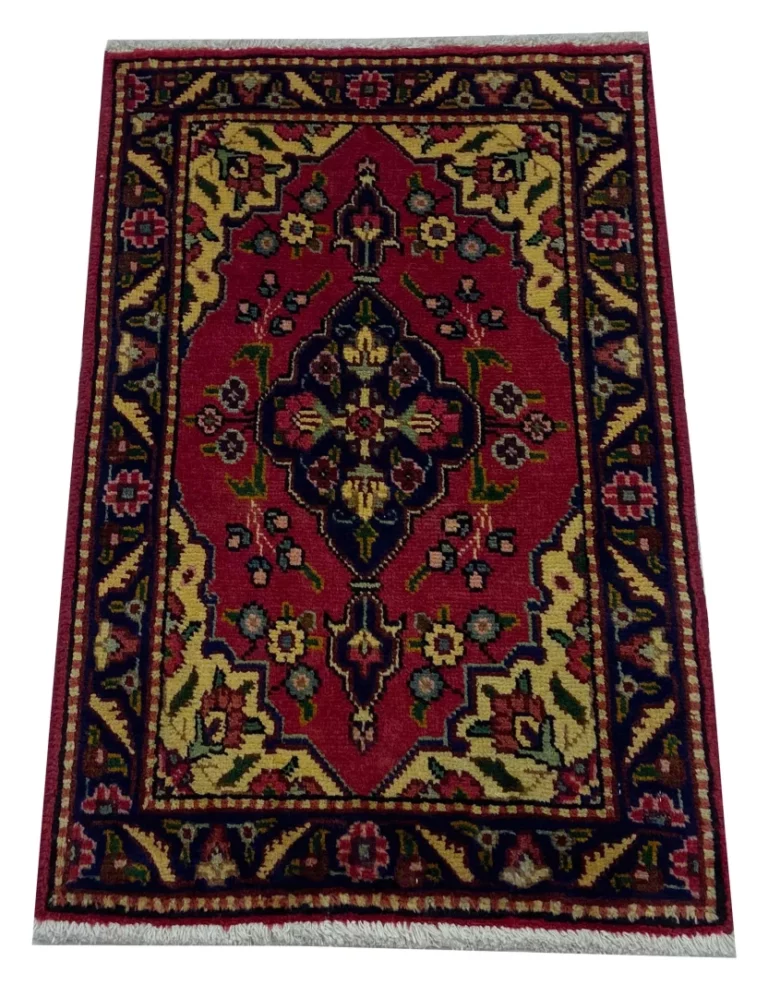
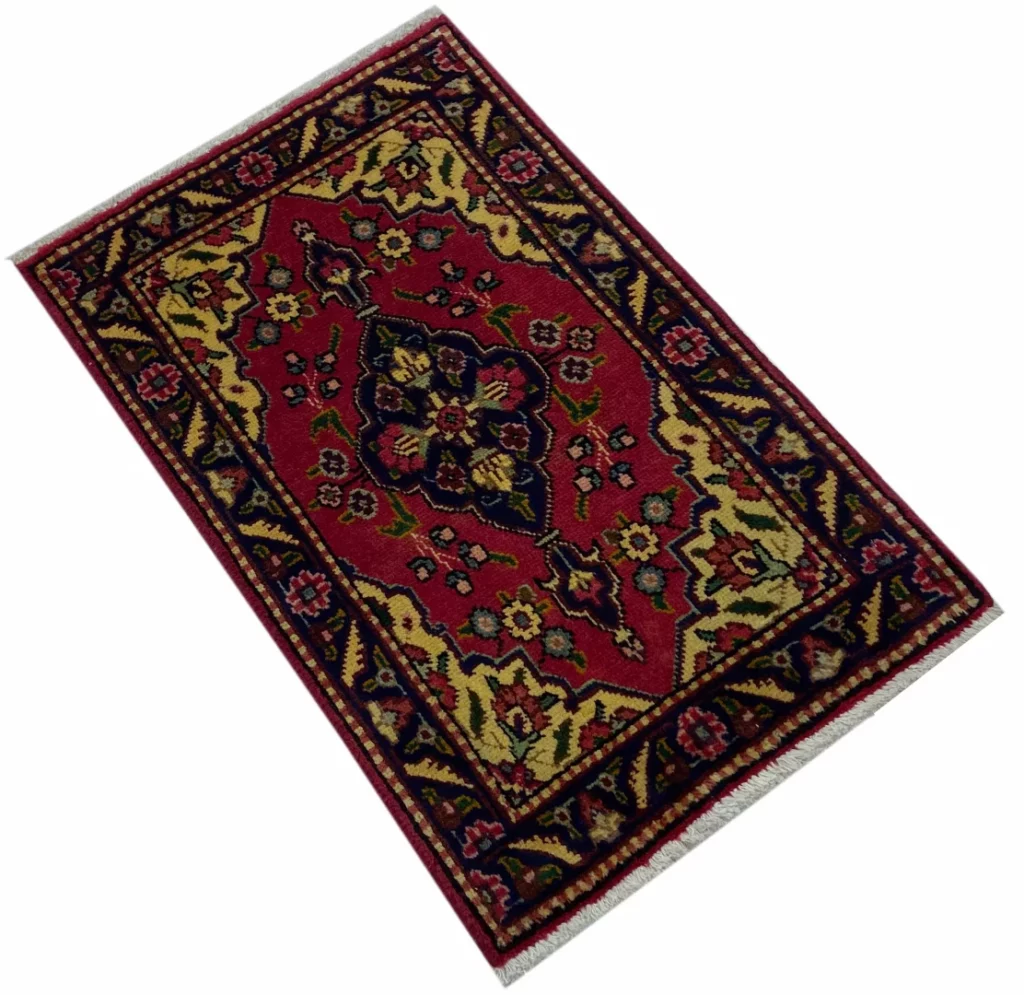
The rug is described as being in excellent condition. It is hand-knotted and has a stated knot density of up to 1,300,000 knots per square metre. High-quality wool and/or silk are named as pile materials. Together, the East Azerbaijani origin, manual construction, Raj-based technical description and varied pattern tradition define the principal features of this Tabriz Persian rug.
Its notable quality is the way technical fineness and broad design possibilities meet in one regional tradition. Tabriz rugs may use floral, geometric and historical designs rather than following one single pattern. The stated density provides a basis for detailed drawing, while wool and/or silk represent the material choices named for the pile. The excellent condition adds a clear statement about the rug’s present state and completes the specific description.
FAQ
How should a Tabriz Persian rug be cared for?
Regular vacuuming without a brush attachment is recommended for routine care. This removes loose dust while avoiding unnecessary mechanical stress on the pile. Occasional beating can also be used as part of the cleaning routine. If more thorough cleaning is required, a professional carpet specialist should handle it, especially because the pile is described as high-quality wool and/or silk and the rug is hand-knotted. Direct sunlight should be avoided so that the surface is protected. The rug should also be kept dry. Care is best carried out consistently and gently rather than through aggressive treatment.
What makes a Tabriz Persian rug special?
The distinctive combination is formed by high-quality materials, precise hand craftsmanship and varied designs. Tabriz rugs are traditionally discussed through their knot density and Raj classification. A dense construction allows floral motifs, geometric forms and historical patterns to be drawn with greater detail. In this rug, hand-knotting, the stated use of wool and/or silk, the high knot density and the excellent condition come together. The regional tradition is therefore visible in both the technical construction and the range of possible ornament.
Where do the materials for Tabriz Persian rugs come from?
Wool and silk are the most common materials associated with Tabriz Persian rugs. Wool is often sourced locally and is frequently used for the pile. Silk may come from the region or from other parts of Persia and is valued for its fine surface and sheen. The material description for this rug names high-quality wool and/or silk without specifying one exact combination. The precise selection can therefore vary within the Tabriz tradition. Both materials remain important to the craft because they offer different surface qualities while supporting the detailed work of a hand-knotted Persian rug.
To provide the best experiences, we use technologies like cookies to store and/or access device information. Consenting to these technologies will allow us to process data such as browsing behavior or unique IDs on this site. Not consenting or withdrawing consent, may adversely affect certain features and functions.
Functional Always active
The technical storage or access is strictly necessary for the legitimate purpose of enabling the use of a specific service explicitly requested by the subscriber or user, or for the sole purpose of carrying out the transmission of a communication over an electronic communications network.
Preferences
The technical storage or access is necessary for the legitimate purpose of storing preferences that are not requested by the subscriber or user.
Statistics
The technical storage or access that is used exclusively for statistical purposes.The technical storage or access that is used exclusively for anonymous statistical purposes. Without a subpoena, voluntary compliance on the part of your Internet Service Provider, or additional records from a third party, information stored or retrieved for this purpose alone cannot usually be used to identify you.
Marketing
The technical storage or access is required to create user profiles to send advertising, or to track the user on a website or across several websites for similar marketing purposes.

 SECURE PAYMENT
 SHIPPING PARTNERS


