This Nain Persian rug has a pile made from 90% virgin wool and 10% silk. Virgin wool provides the principal material and is traditionally valued in hand-knotted rugs for its resilience, long service life and ability to retain warmth. It gives the surface a naturally substantial and durable character. Silk adds a smoother touch and a restrained sheen. It can also strengthen the visual effect of the colours and bring greater delicacy to the pile. Together, the two fibres create the material combination associated with a finely made Nain: a practical wool foundation refined by the particular surface qualities of silk.
The rug is hand-knotted. In this method, individual knots are inserted by hand, one after another, to build the pile row by row. The appearance of the finished surface therefore depends on careful manual work and on the precise execution of the design. Hand-knotting makes it possible to define small contours, controlled colour changes and fine ornamental passages. It is not a uniform machine-made process; the construction of this one rug is the result of a sequence of individual craft operations.
Wool and silk also respond differently to light and touch. Wool generally produces a softer, more subdued surface impression, while silk reflects light more finely. Their combination may create a quiet contrast between matte and gently lustrous areas as the viewing angle changes. The rug’s high knot density supports a compact pile and allows the pattern to be worked with considerable precision. Material and technique are thus closely connected: the fibres provide different tactile and visual qualities, while the knots hold them within the design.
Traditional hand-knotting requires patience and control throughout the work. The maker must follow the planned arrangement of colours and forms while maintaining the structure of the rug. In a fine Nain, that process is particularly important because the pattern depends on many small distinctions rather than on a few broad, isolated shapes. The combination of virgin wool, silk and dense knotting gives the surface its carefully worked character without changing the fact that this is a hand-crafted textile.
Origin and Tradition
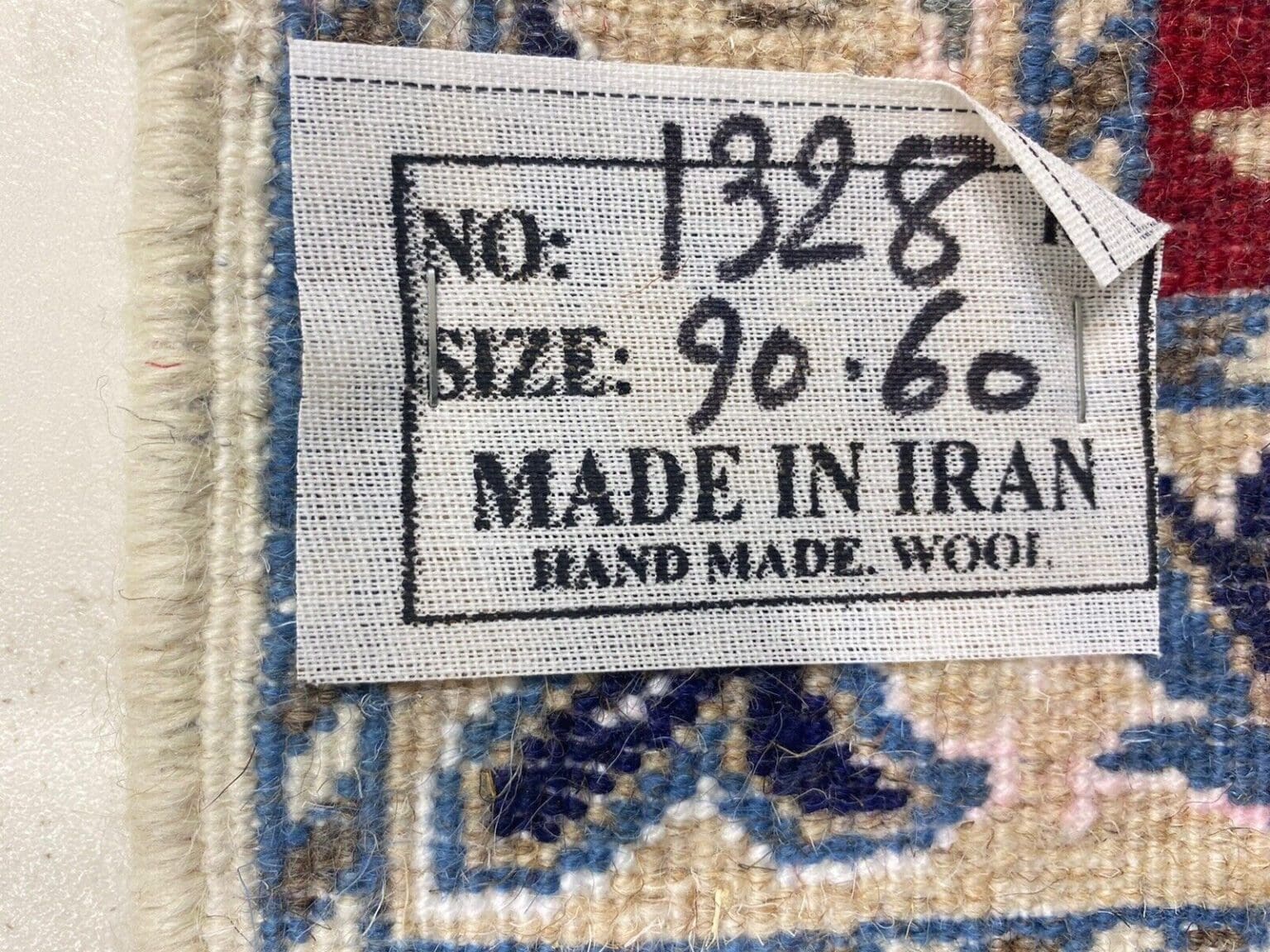
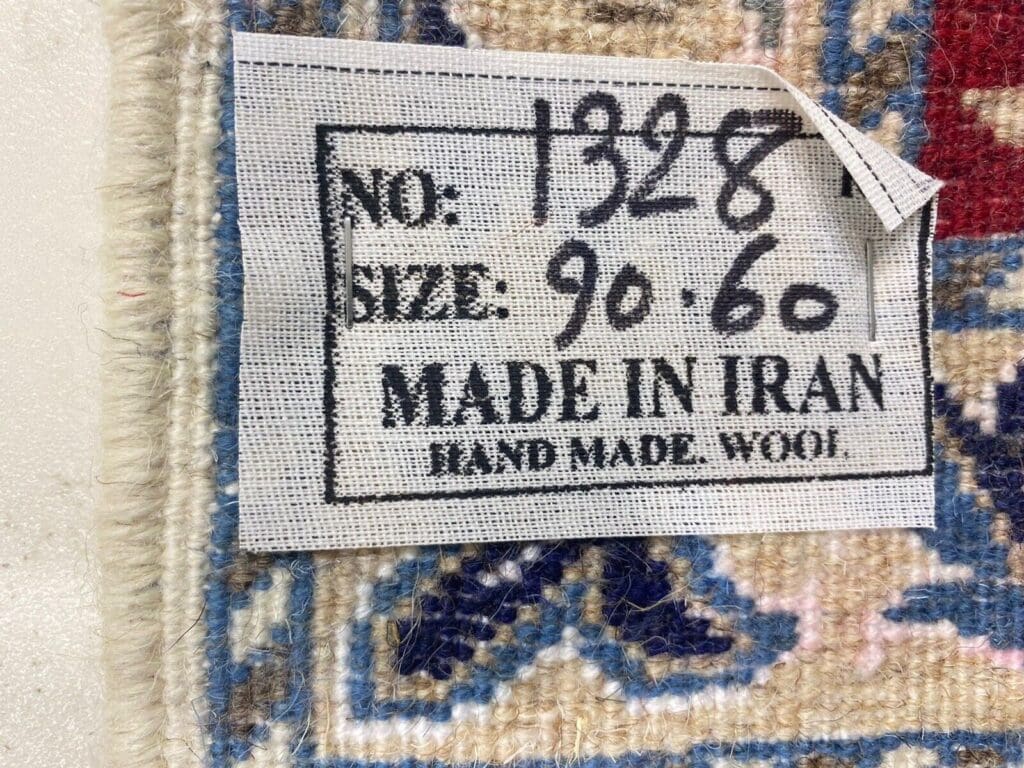
The Nain is part of the Persian rug tradition and comes from Nain in Iran. The city is situated near Isfahan and is known for traditionally produced Persian rugs. Nain has a long history of rug making reaching back to the 16th century. The name therefore identifies a regional weaving tradition within Iran, rather than serving only as a description of a general decorative style.
Nain weaving is associated with fine execution, disciplined composition and careful handwork. In a traditional workshop, the design, colour arrangement and knotting process have to work together. The pattern is prepared, the colours are coordinated and the knots are placed with attention to the intended proportions. Once the knotting is complete, the pile is finished so that the drawing can be read clearly across the surface. This succession of manual stages explains the importance of craftsmanship in the identity of a Nain rug.
Nain’s proximity to Isfahan places the tradition within a wider centre of Persian art, architecture and design. Isfahan has long influenced ornamental thinking through its balanced structures, detailed decoration and established artistic vocabulary. Nain developed its own expression within this cultural environment. Its rugs commonly bring together floral detail and geometric order, creating compositions in which organic forms are arranged with precision. The regional tradition is consequently recognised through both its technique and its visual language.
Persian rug making is also a tradition of transmitted knowledge. Information about knotting, colour relationships, proportion and pattern construction is built through practice and passed on within workshops and families. Each hand-knotted rug records that process in its surface: countless individual decisions are translated into a unified textile. The Nain tradition places particular emphasis on controlled detail, so the skill of the maker is visible in the clarity of small ornaments and in the relationship between the different parts of the composition.
A Persian rug can serve as a practical floor covering while also functioning as a textile form of design. Its pattern organises a room, defines a visual area and establishes relationships between colour, line and space. Persian weaving encompasses many regional traditions, each with its own construction and ornament. Nain occupies a distinct position within that variety. It is linked with elegant, finely articulated designs, high knot density and the use of materials such as wool and silk. These characteristics provide the cultural and technical context for this hand-knotted Nain.
The history of Nain is therefore not limited to the appearance of a particular ornament. It includes the development of a local weaving centre, the continuation of Persian hand-knotting and the refinement of materials and pattern structures. The tradition connects regional identity with a method of production that remains manual. This combination explains why the designation Nain carries information about origin, technique and a recognisable approach to design.
Design and Pattern
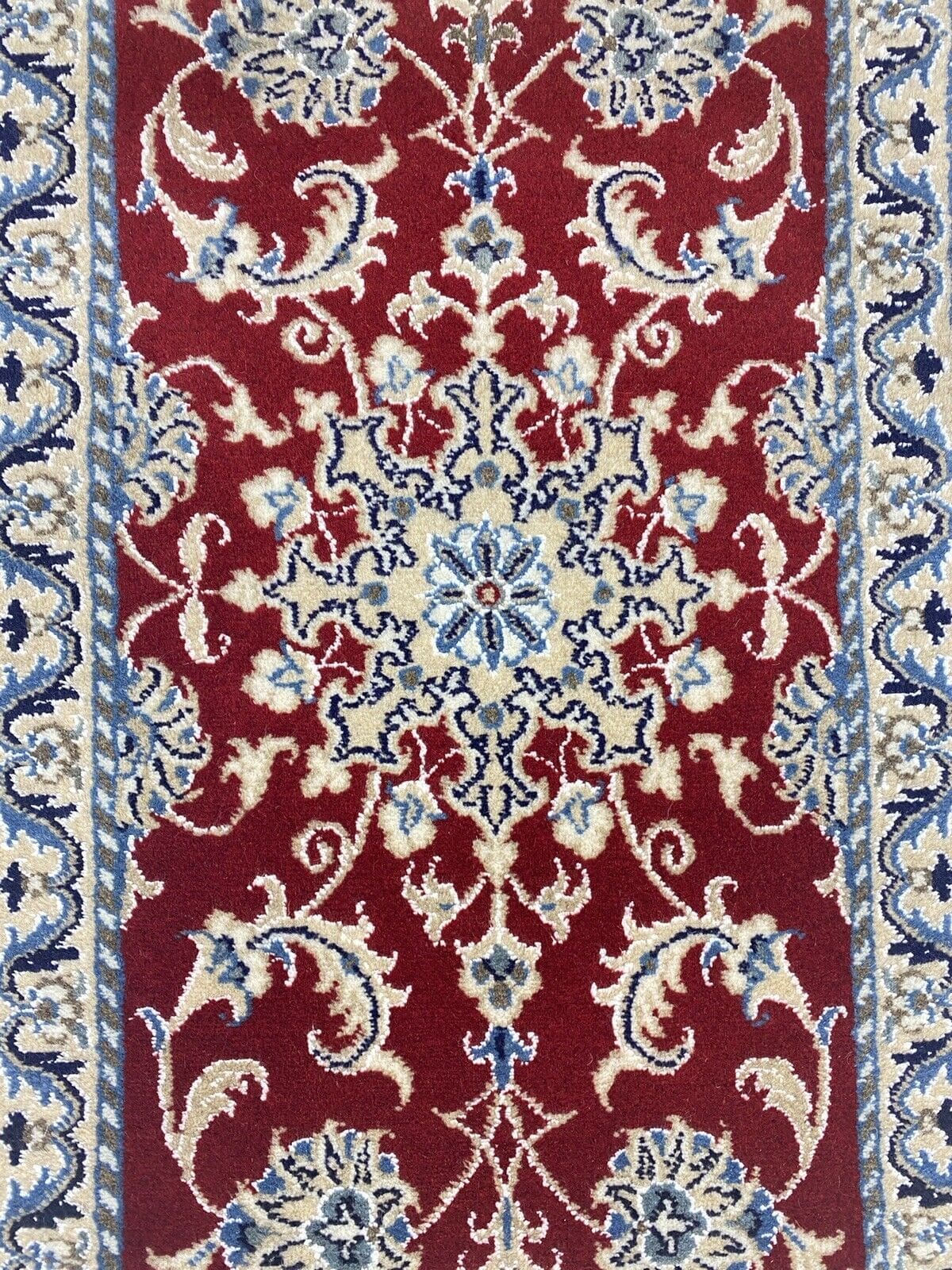
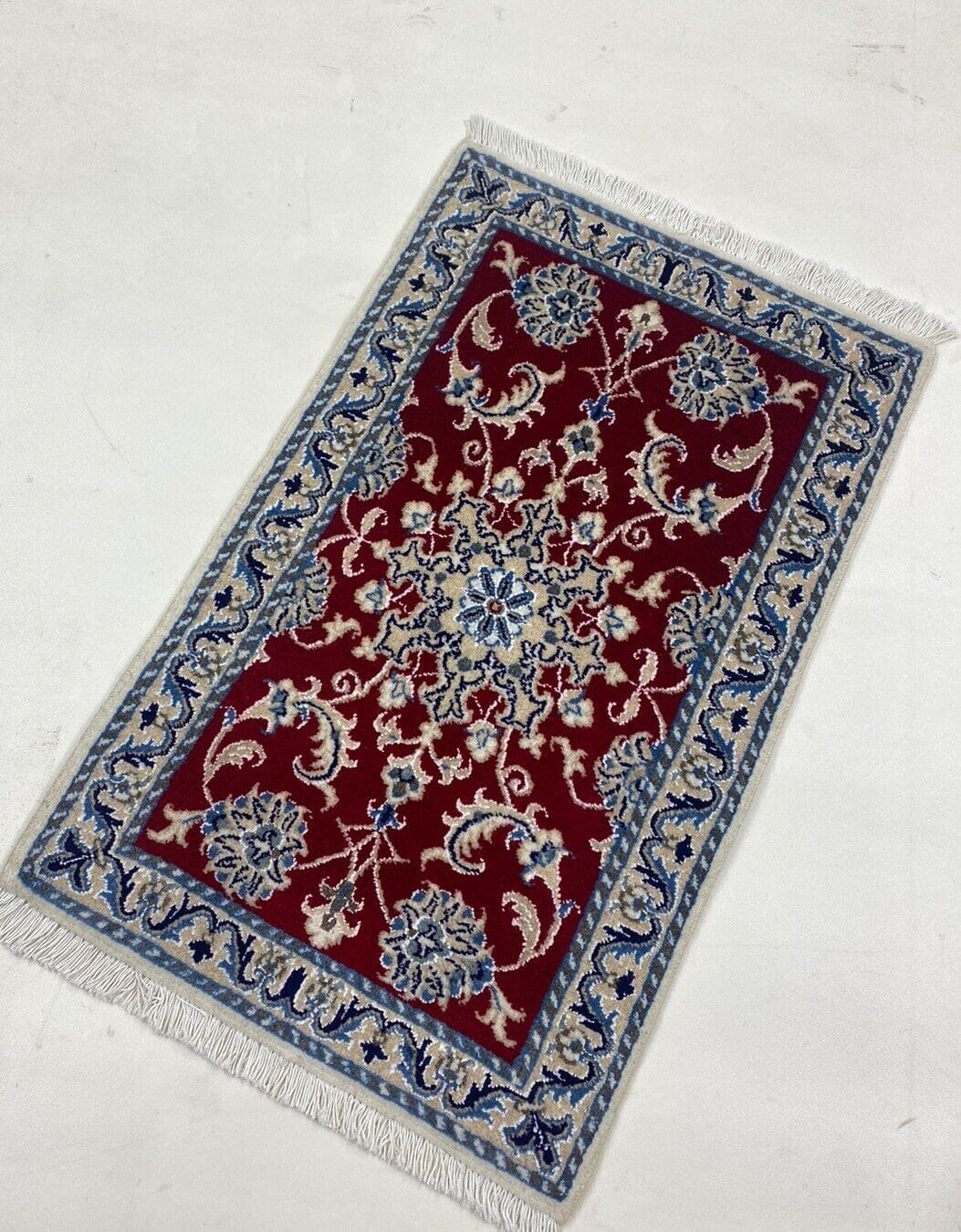
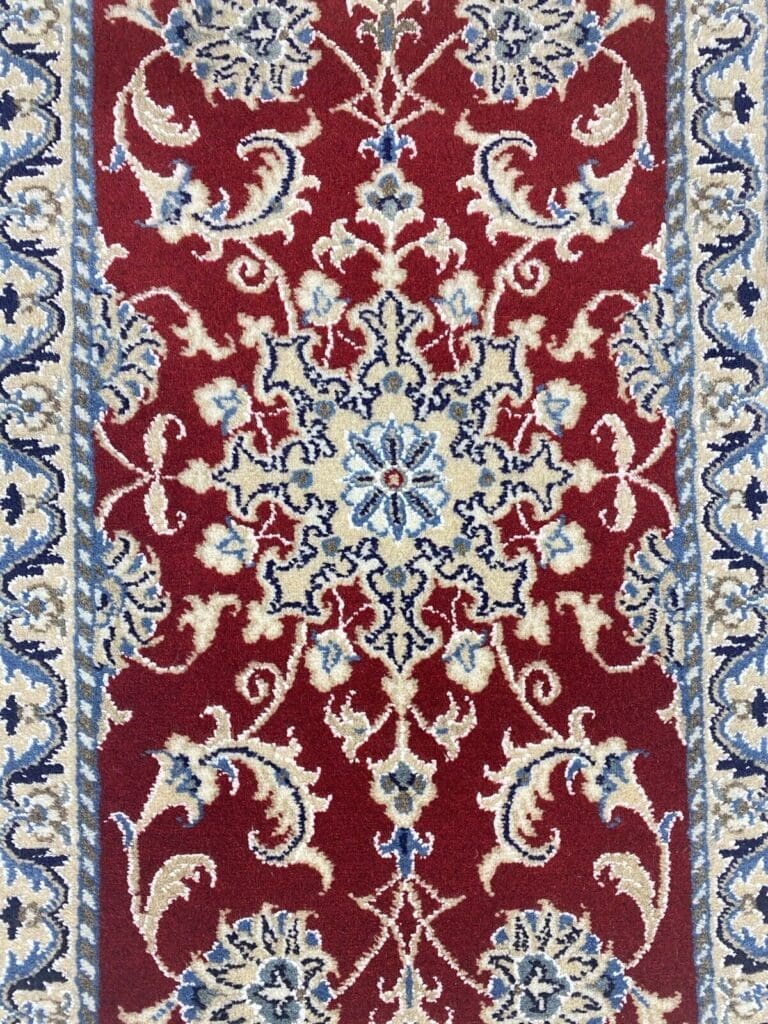
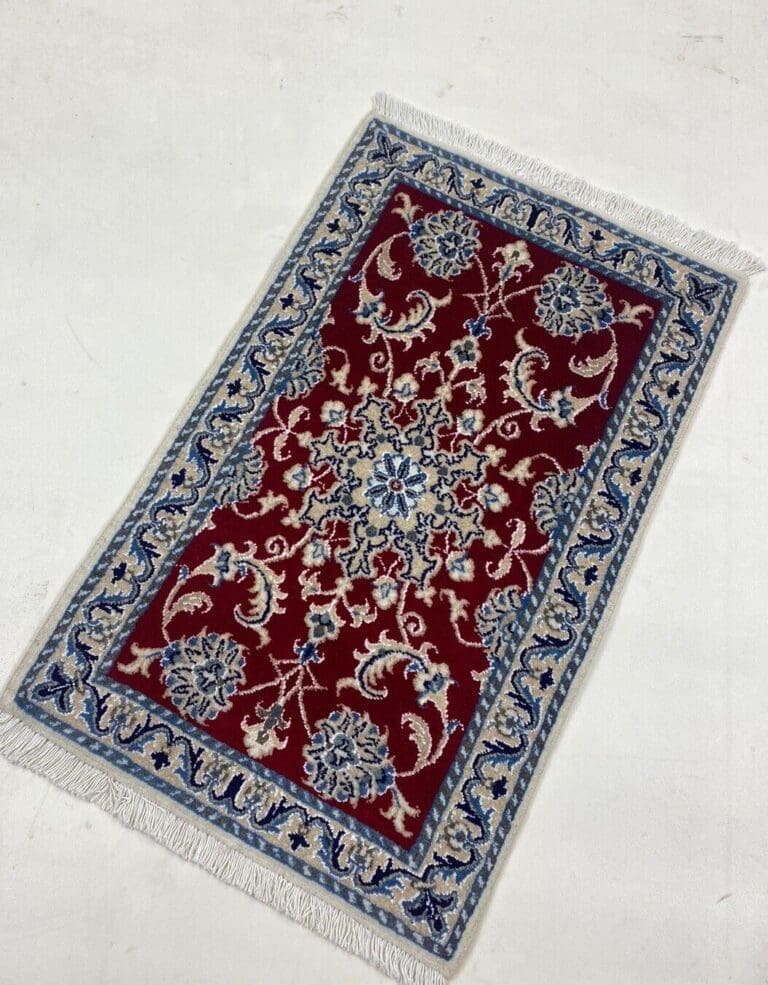
This Super Nain is described as having harmonious colours and a richly detailed design. Soft pastel shades are characteristic of Nain rugs and give the composition a calm, restrained colour range. Compared with stronger contrasts, pastel tones allow the structure of the ornament to remain visible without dominating the surrounding interior. They can therefore function in both traditional and contemporary settings while retaining the measured character associated with the Nain style.
Floral and geometric elements are common components of Nain pattern tradition. Floral forms may present leaves, blossoms and scrolling vines in a stylised manner. Geometric forms contribute regularity, repetition and a clear visual rhythm. When these two approaches are combined, the design can appear both organic and ordered. Its detail does not depend on one dramatic motif, but on the relationship between numerous small lines, contours, transitions and repeated ornaments.
Pattern in a Persian rug is not merely applied decoration. It distributes visual weight across the field, leads the eye through the composition and creates connections between central areas and surrounding structures. Repeated forms prevent individual elements from appearing disconnected, while borders and geometric organisation help establish a coherent frame. In a Nain, dense knotting supports the separation of small details and allows delicate floral passages to remain legible within the larger arrangement.
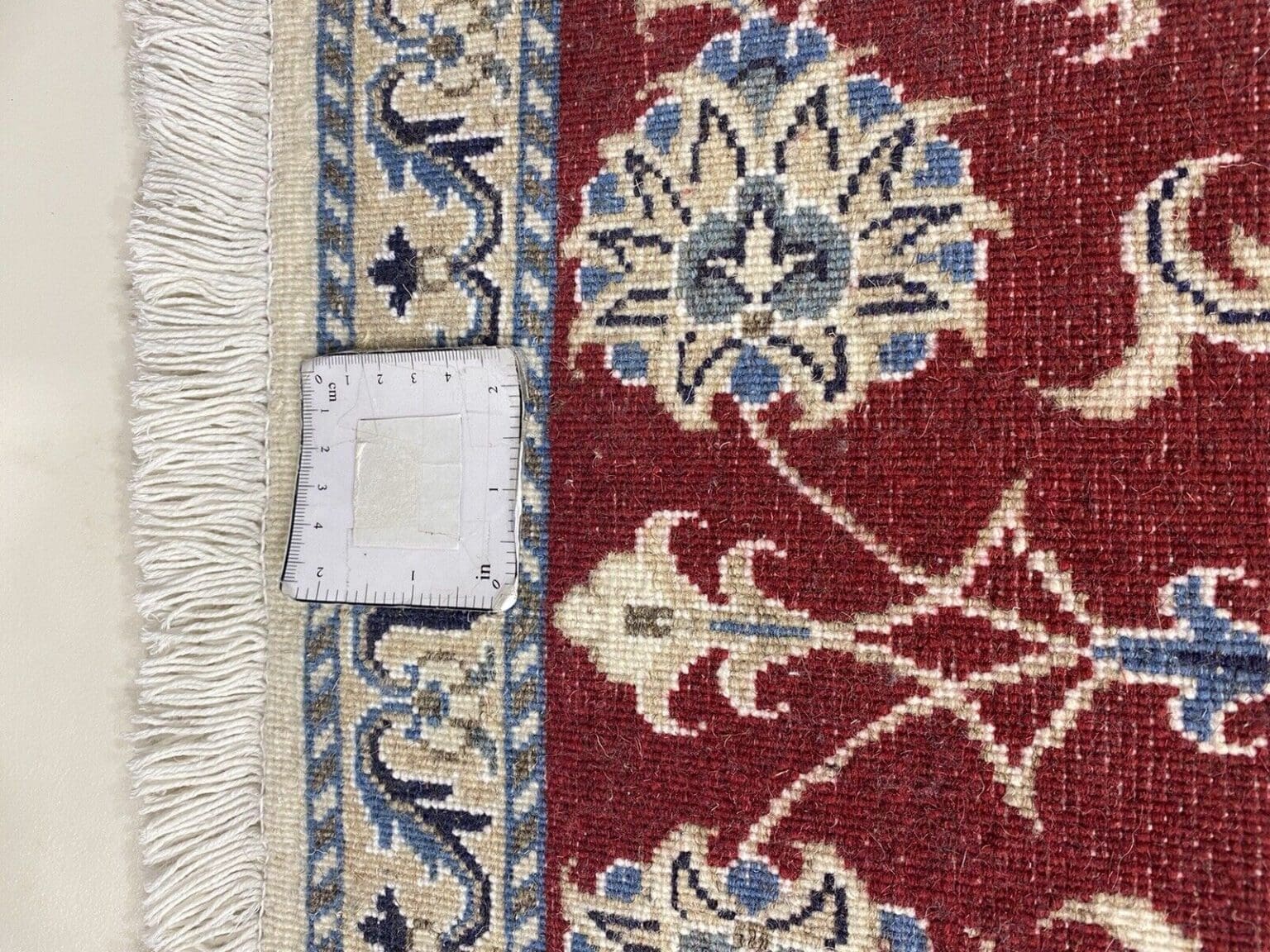
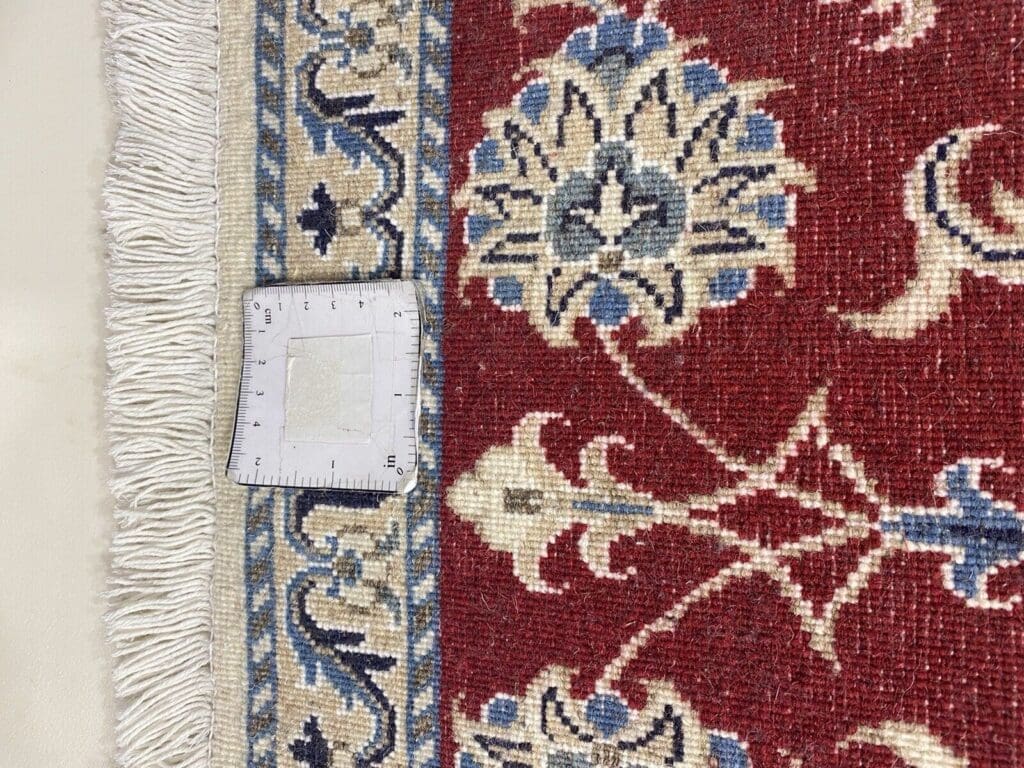
The knotting technique has a direct influence on the way a pattern is expressed. A high knot density allows contours to be placed closely together and makes gradual changes easier to render. Fine floral lines, small geometric steps and subtle transitions can consequently be integrated into the surface with greater control. The silk content can also affect the way selected areas respond to light. As the viewing direction changes, the surface may reveal slightly different balances between the softer appearance of wool and the finer reflection of silk.
The calm pastel palette, the floral vocabulary and the geometric structure together form a design language associated with Nain. The result is a composition based on proportion and repetition rather than on random decoration. Such patterns reflect the long history of Persian textile design, in which natural forms and geometry have been adapted into carefully ordered ornaments. The detailed surface of this Super Nain presents that tradition through hand-knotting, while the material combination gives the pattern both a soft foundation and a subtle sheen.
A richly worked rug can also change in visual character with the conditions of the room. Light, viewing angle and the direction of the pile influence how the colours and contours are perceived. This is a normal feature of hand-knotted wool and silk surfaces, not a change to the design itself. The pattern remains rooted in the Nain tradition, but its fine construction allows different details to come forward at different moments of observation.
Special Features
The rug has a knot density of approximately 300,000 knots per square metre. This high density supports detailed pattern definition and contributes to a compact, stable pile. It is a technical feature that indicates the amount of handwork involved in the construction. In combination with virgin wool and silk, the dense knotting links precise ornament with the durable qualities expected from a hand-knotted Persian rug.
The rug is new and in perfect condition. It is suitable for underfloor heating, is moth-resistant and pet-friendly. Its use is not restricted to one furnishing period or decorative approach. The Persian origin, the Nain weaving tradition and the balanced pattern language allow it to be placed in both classic and modern interiors. These features describe its materials, condition and practical suitability without changing its regional identity as a Nain rug from Iran.
FAQ
How should I care for this Nain Persian rug with silk?
Vacuuming regularly on a low setting helps remove loose dirt from the pile. If a spill occurs, dab the area carefully with a damp cloth and a mild cleaning product rather than rubbing it. Rubbing can place unnecessary stress on the surface and may disturb the pile. Harsh chemicals should be avoided because the rug contains both virgin wool and silk. Prolonged, intense sunlight should also be avoided in order to protect the materials and preserve the colour effect. Gentle, consistent care is the appropriate approach for maintaining a hand-knotted wool and silk rug over time.
Where can this rug be used?
The Nain Persian rug is suitable for living rooms, bedrooms and dining areas. Its harmonious colours and detailed pattern can be combined with both classic and modern interiors. Virgin wool provides a durable pile foundation, while silk gives the surface a more refined visual character. The rug is described as pet-friendly, so it can also be used in a household with pets. As with any hand-knotted rug, it should be placed on an even floor and cared for gently so that the pile and pattern remain in good condition.
Is the rug suitable for underfloor heating?
Yes. This rug is suitable for use with underfloor heating. Its materials and hand-knotted construction allow warmth to pass through effectively while avoiding overheating. It can therefore be used in a contemporary home with a heated floor while retaining the character of a traditional Persian hand-knotted rug. The practical suitability for underfloor heating brings the established Nain weaving tradition together with a modern feature of residential interiors.
To provide the best experiences, we use technologies like cookies to store and/or access device information. Consenting to these technologies will allow us to process data such as browsing behavior or unique IDs on this site. Not consenting or withdrawing consent, may adversely affect certain features and functions.
Functional Always active
The technical storage or access is strictly necessary for the legitimate purpose of enabling the use of a specific service explicitly requested by the subscriber or user, or for the sole purpose of carrying out the transmission of a communication over an electronic communications network.
Preferences
The technical storage or access is necessary for the legitimate purpose of storing preferences that are not requested by the subscriber or user.
Statistics
The technical storage or access that is used exclusively for statistical purposes.The technical storage or access that is used exclusively for anonymous statistical purposes. Without a subpoena, voluntary compliance on the part of your Internet Service Provider, or additional records from a third party, information stored or retrieved for this purpose alone cannot usually be used to identify you.
Marketing
The technical storage or access is required to create user profiles to send advertising, or to track the user on a website or across several websites for similar marketing purposes.

 SECURE PAYMENT
 SHIPPING PARTNERS


