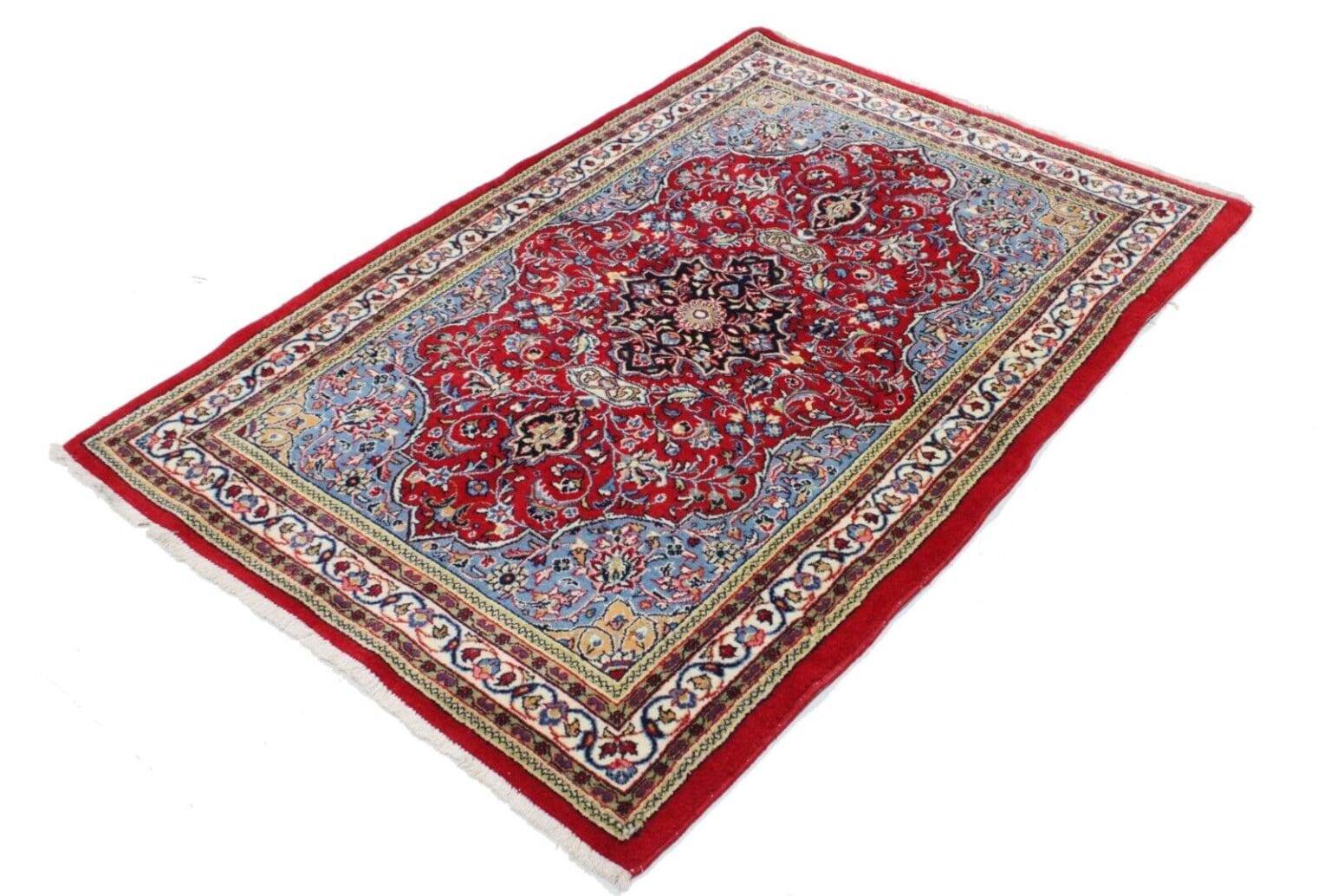
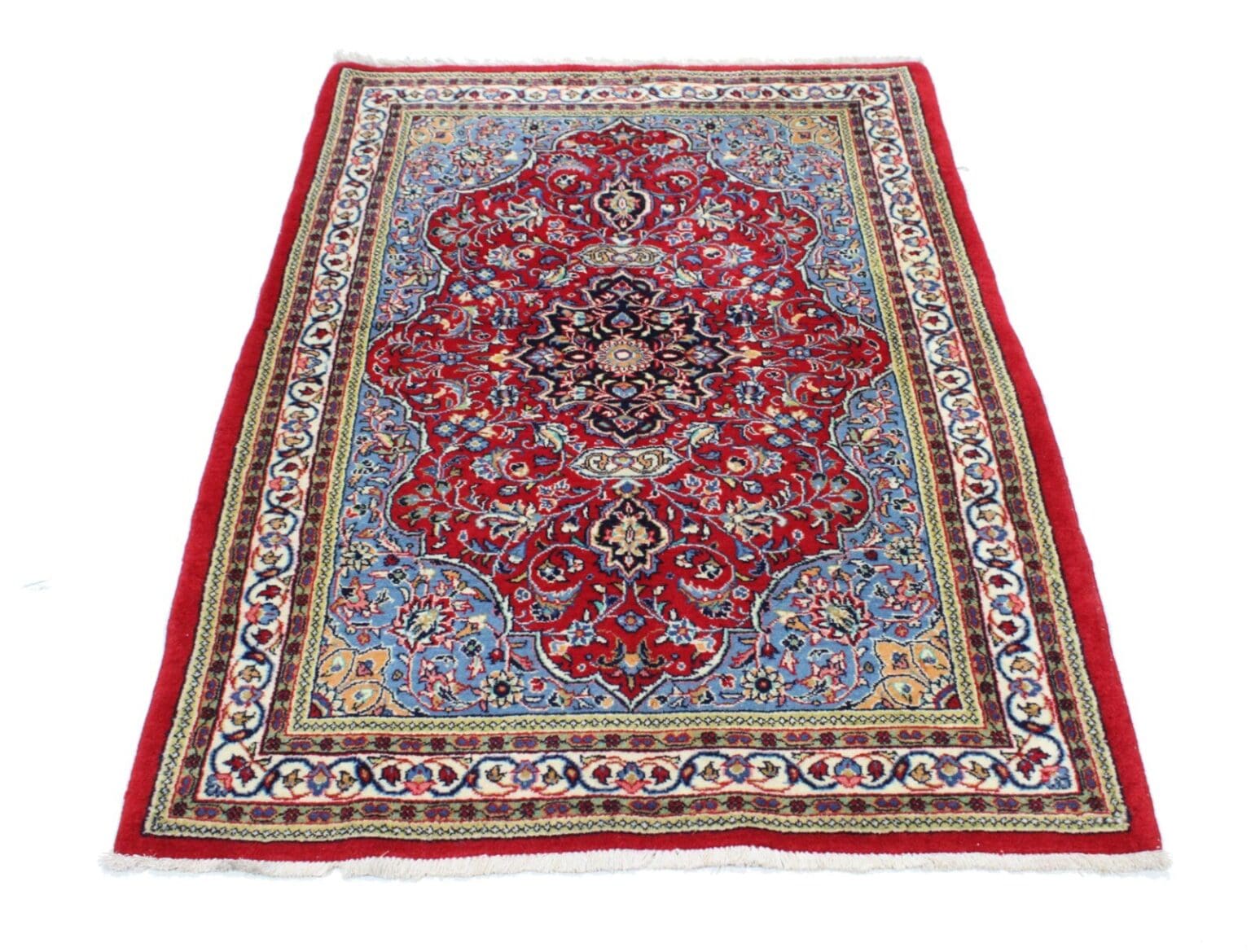
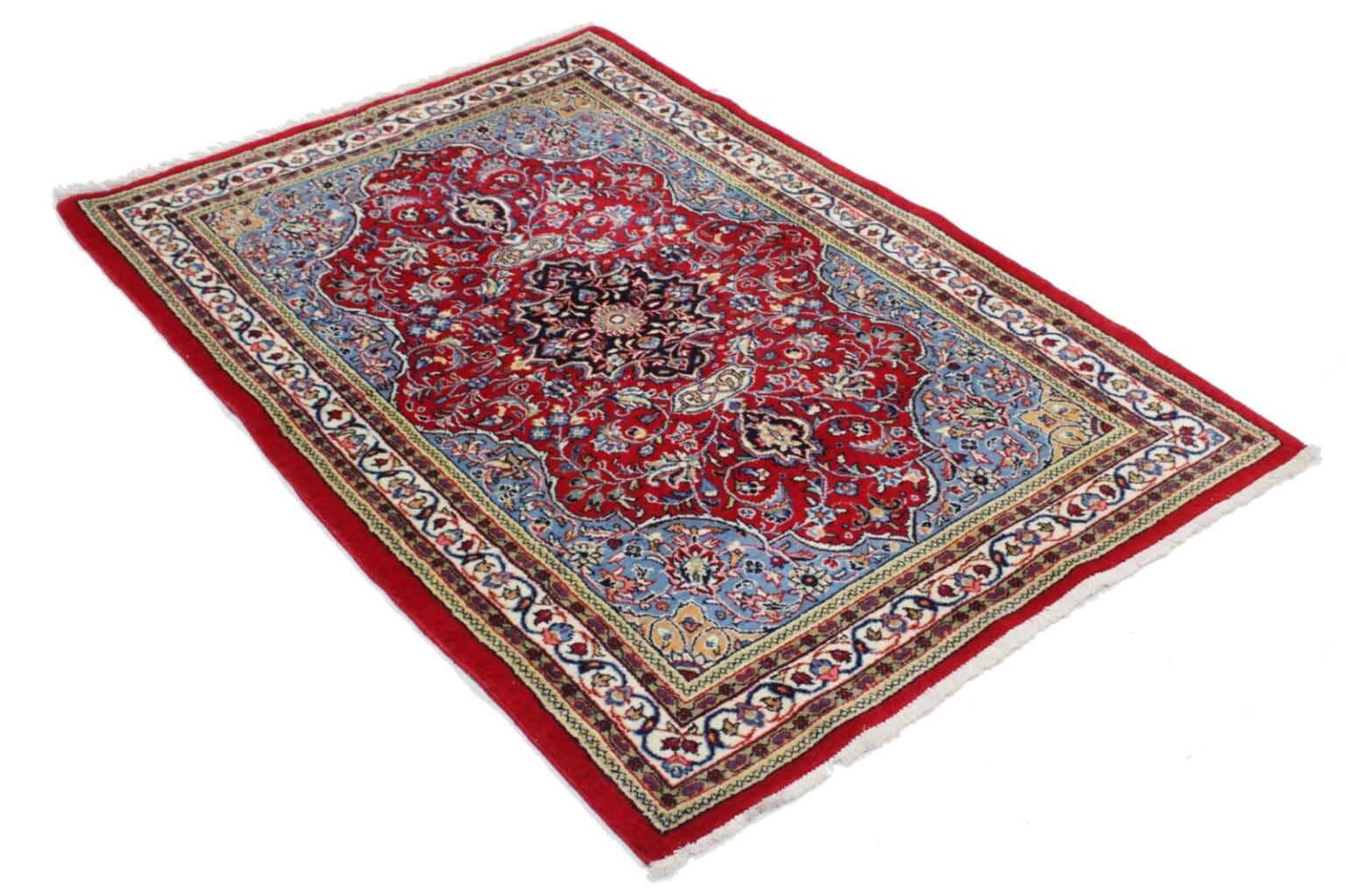
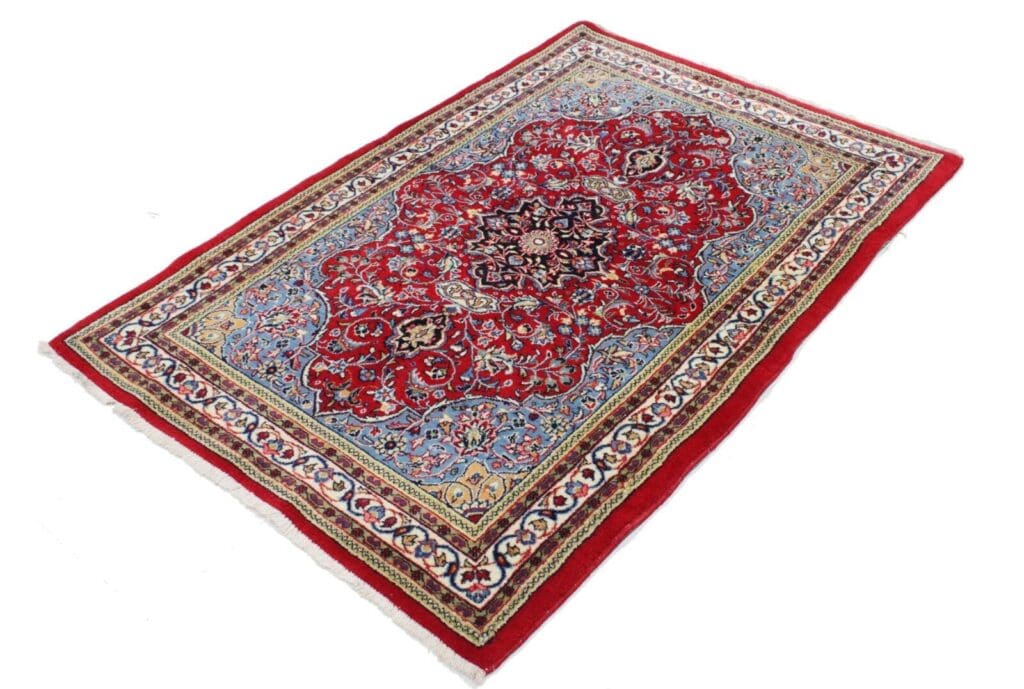
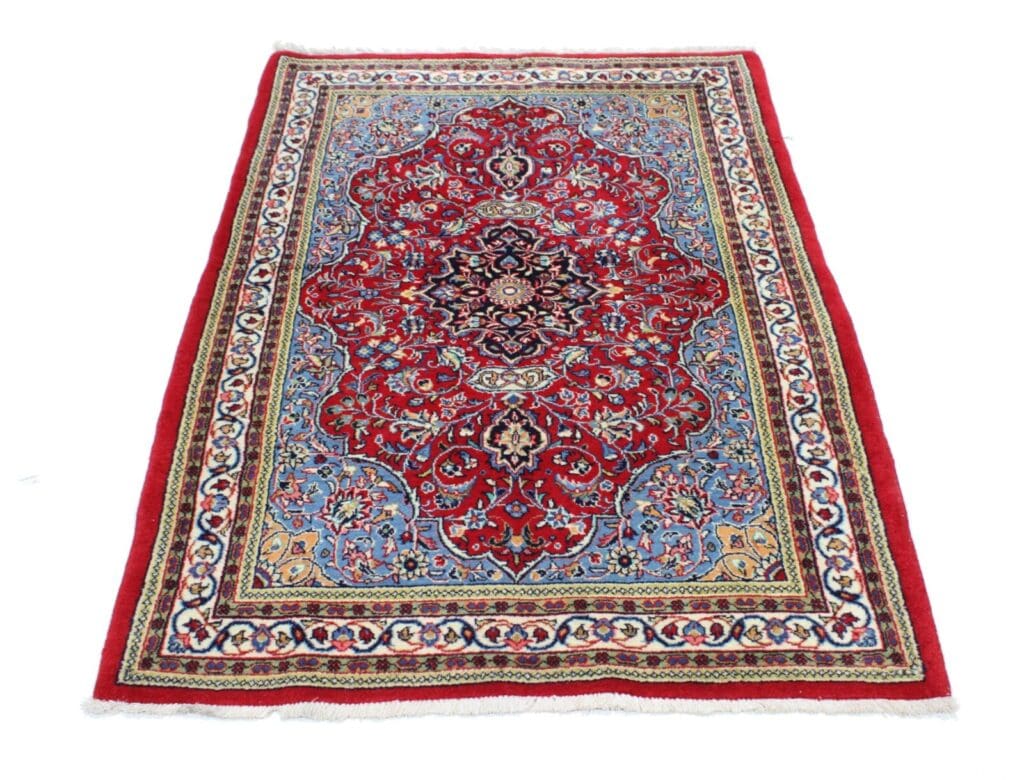
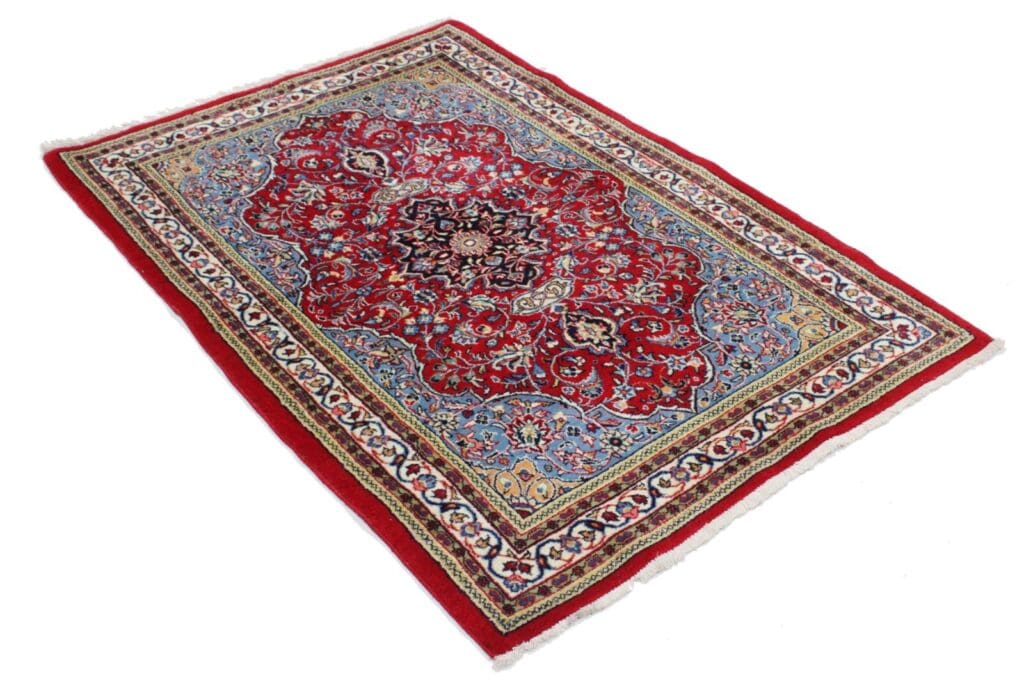
Persian Rug Isfahan 156 x 110 cm Wool Hand-knotted
€ 634
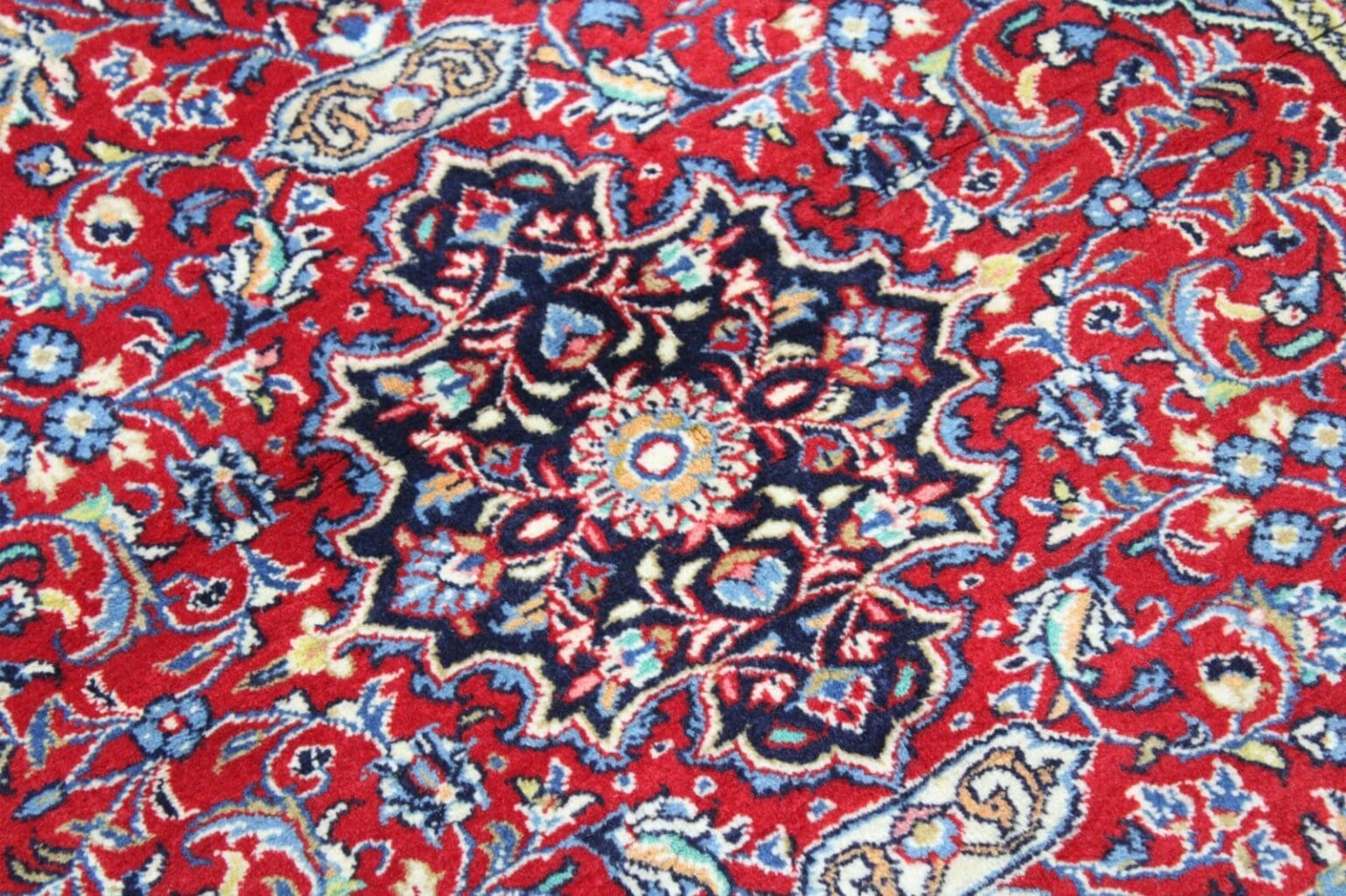
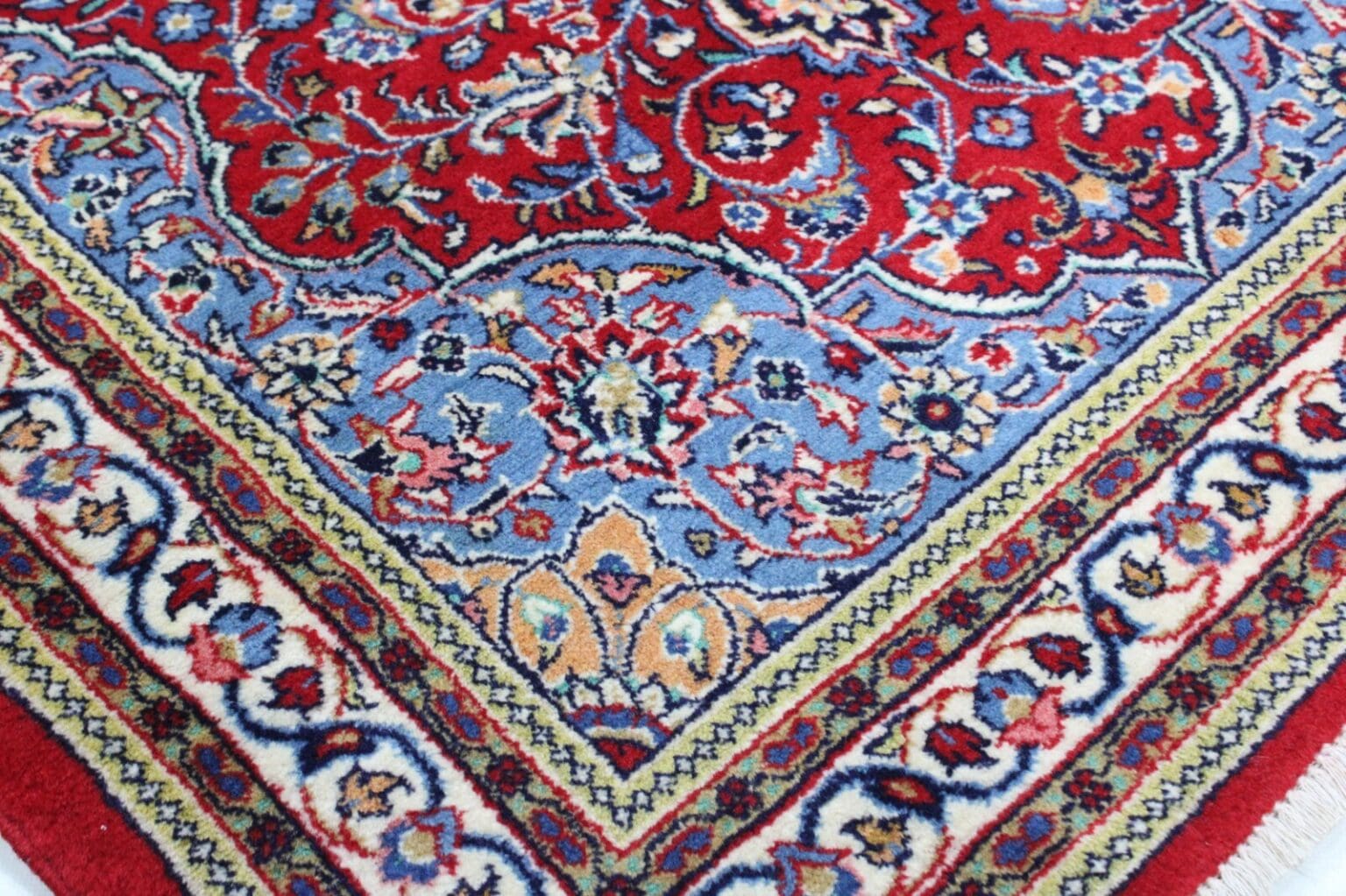
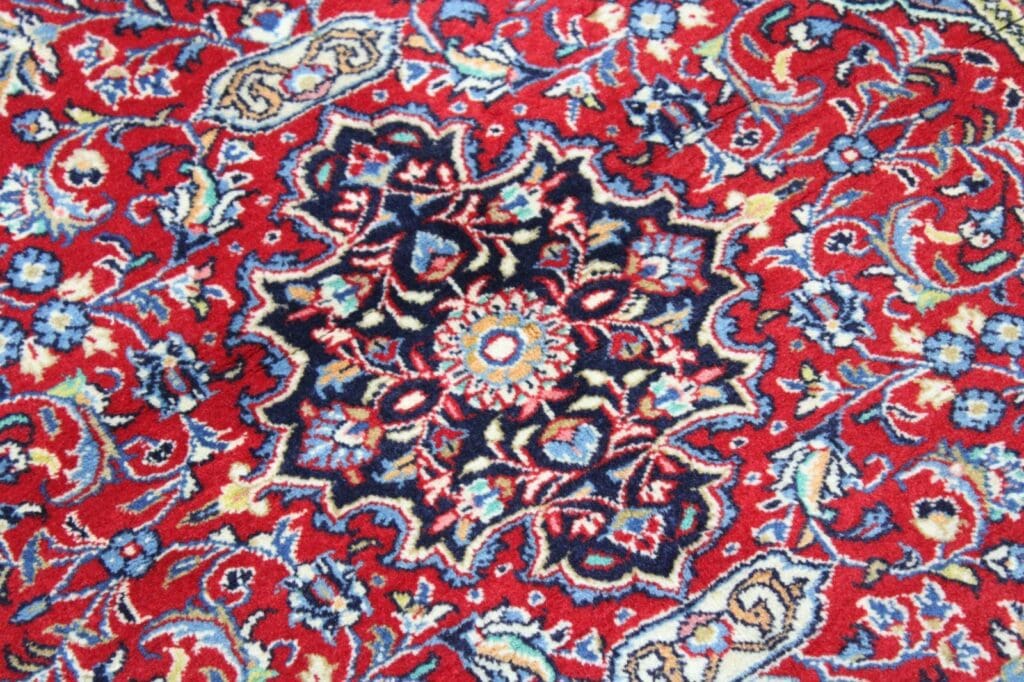
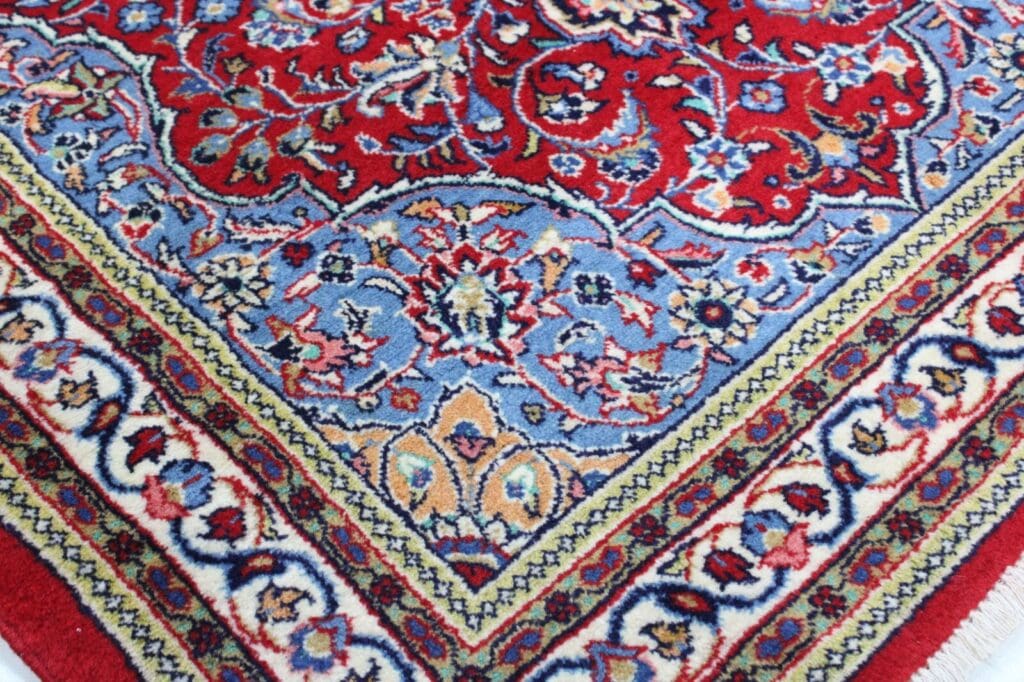
Hand-knotted Isfahan Persian Rug | Knot density: High-quality hand knotting | Material: Wool pile | Size: 156 cm x 110 cm | Pattern: Traditional Isfahan pattern | Condition: Used, top condition
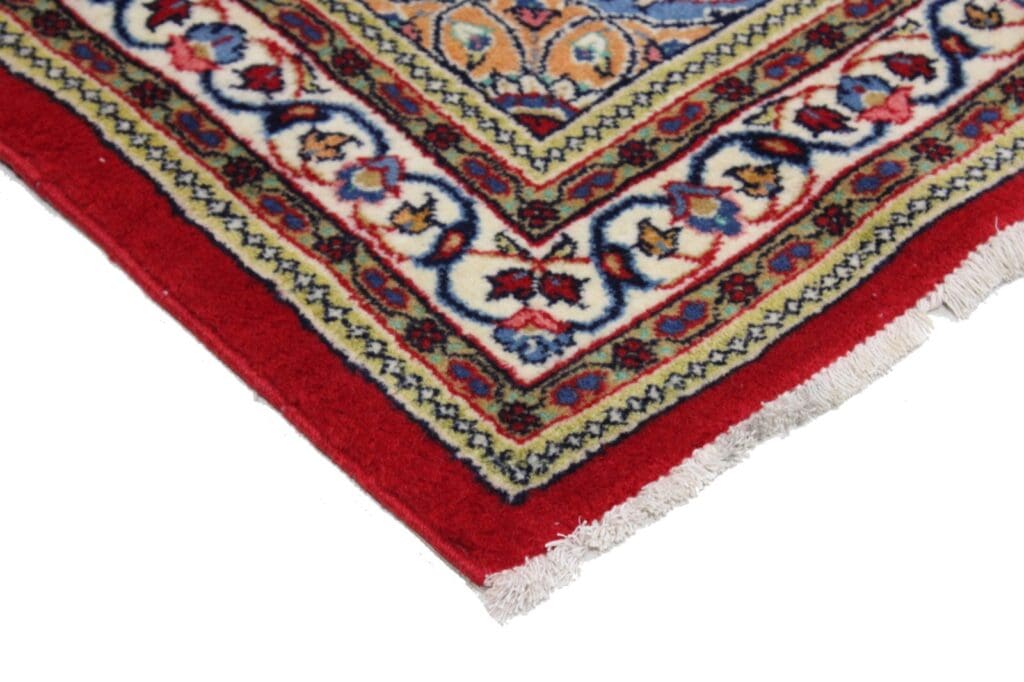
This Isfahan Persian rug is hand-knotted and made of high-quality wool. The combination of wool and hand knotting is central to the established Persian rug-making tradition. Individual knots are inserted into a prepared foundation, building the textile surface row by row. The design is therefore created through the placement of knots rather than applied as a printed image. The finished character of a hand-knotted rug is shaped by the yarn, the knotting process, the arrangement of the pattern and the later finishing of the pile.
Wool has long been used in Persian rug making because it is a practical natural fibre for a durable pile. It can be spun into yarn, accepts colour well and supports both defined outlines and differentiated areas of pattern. The feel and appearance of a wool pile depend on the preparation of the fibre, the character of the yarn, the regularity of the knotting and the final trimming of the surface. For this particular rug, high-quality wool is the specified main pile material.
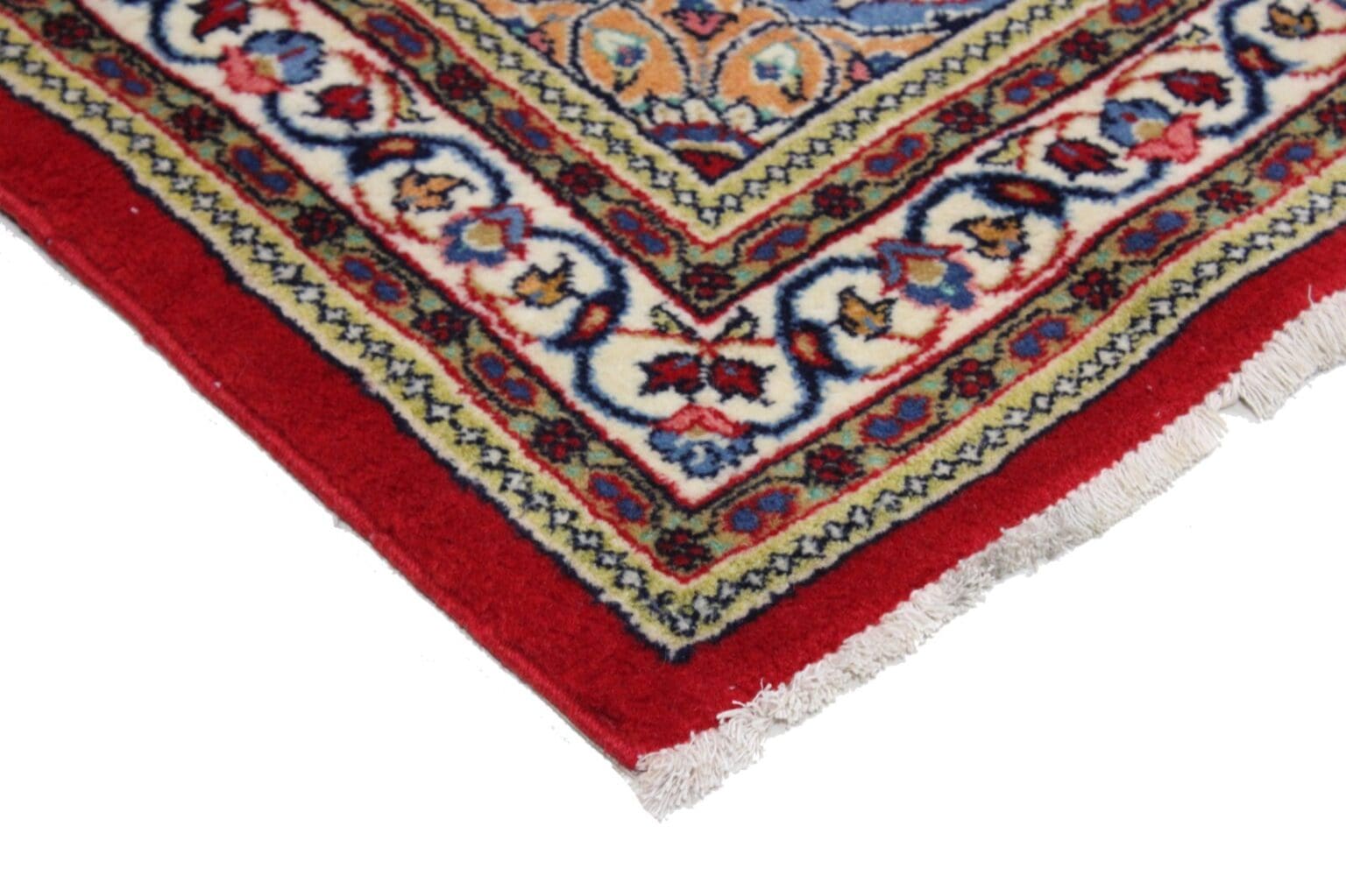
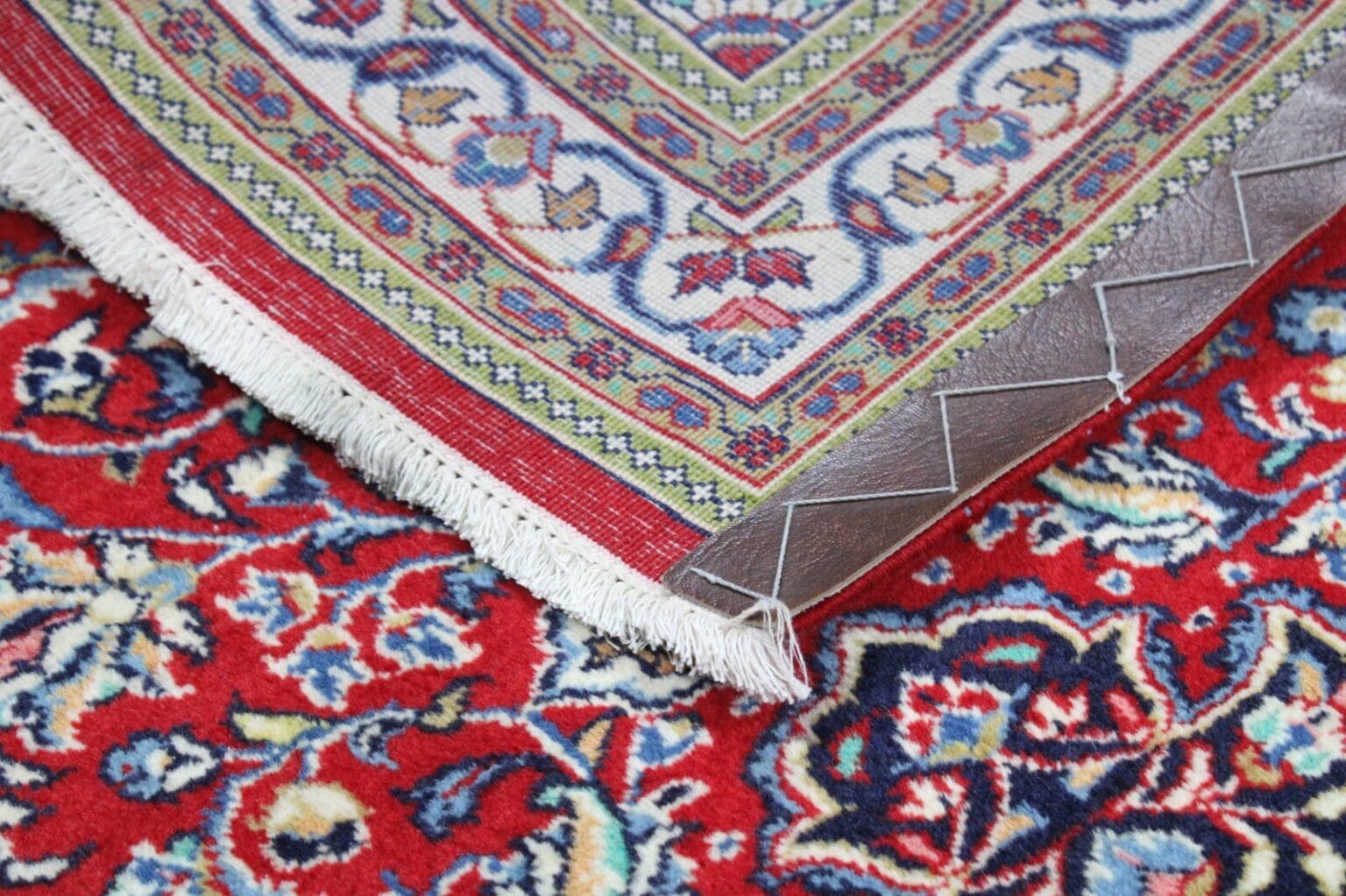
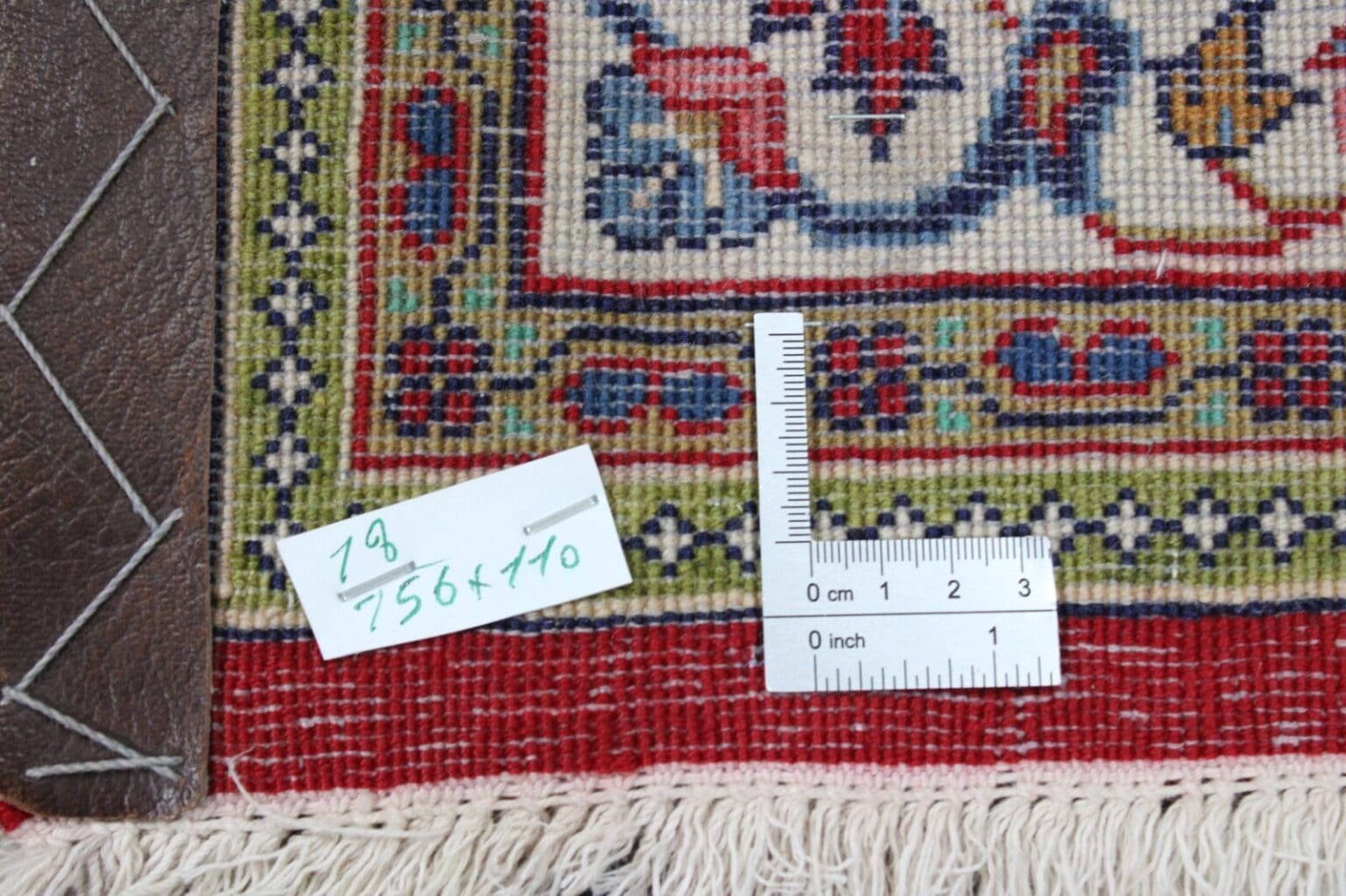
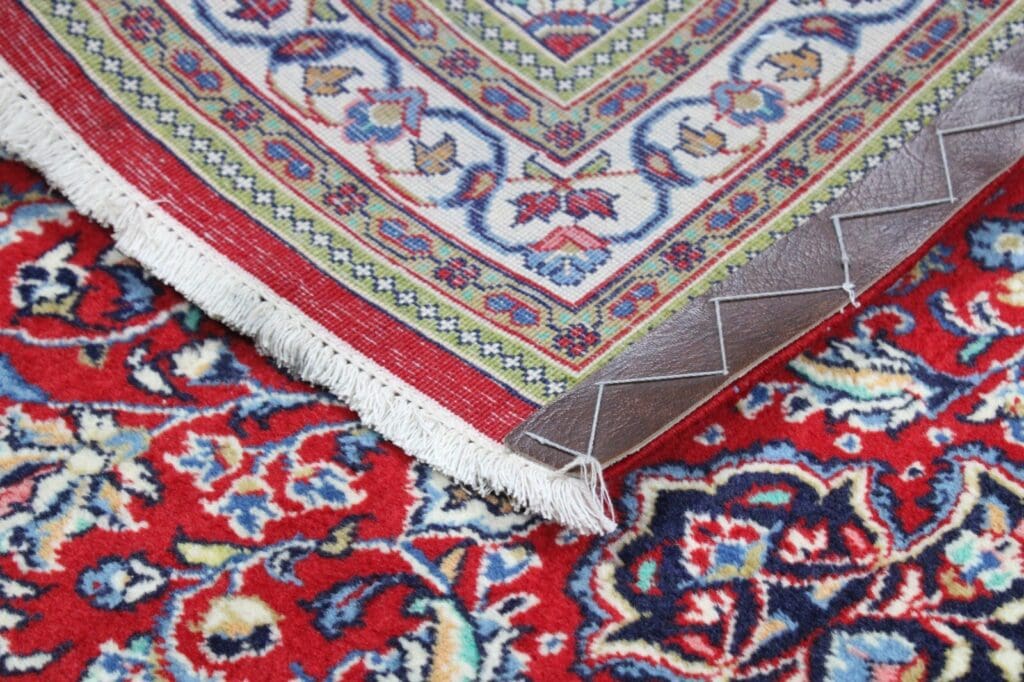
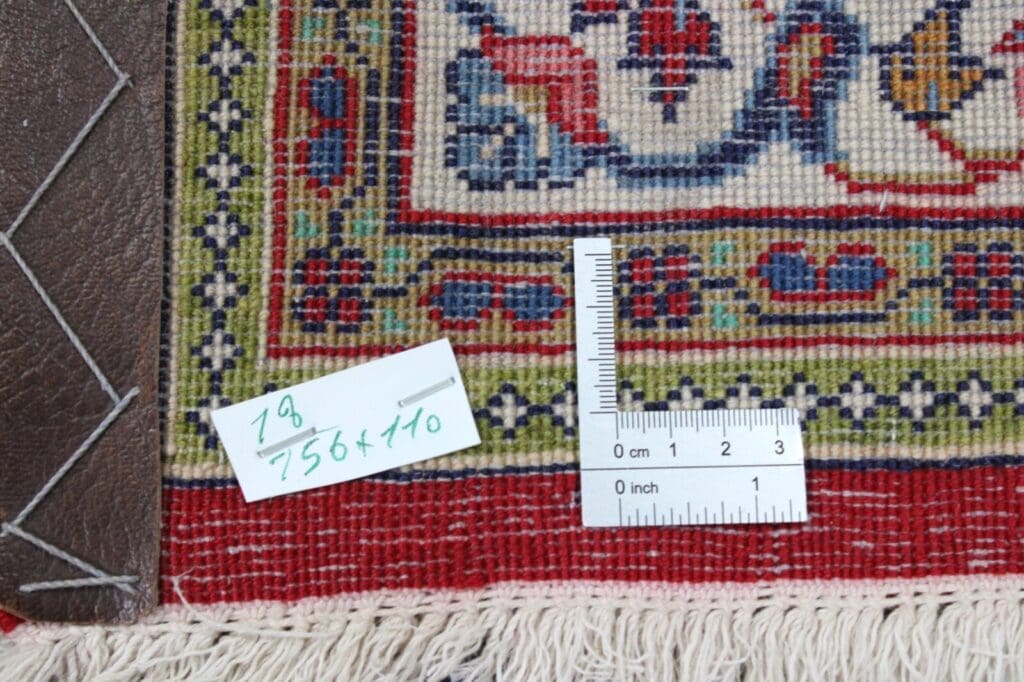
The description of high-quality hand knotting refers to the way this rug was made. Hand knotting is a sequence of connected operations rather than a single mechanical process. A design is prepared, knots are tied across the foundation, rows are compacted and the surface is brought into shape after the knotting is complete. This method allows the pattern to be built directly into the structure of the rug. Minor variations are a normal aspect of handmade textile production and distinguish a hand-knotted piece from a fully standardized machine-made surface.
This rug is described as used and in top condition. That statement applies to the specific piece and places it within the category of previously used rugs while also giving it a positive condition assessment. The description does not provide details about individual signs of wear, repairs or the date of manufacture. Those points are therefore not added here. The material and technique remain clearly identified as high-quality wool and hand knotting.
Origin and Tradition
Isfahan is one of the established centres of Persian carpet culture. The city is in Iran and has played an important role in the country’s artistic and craft history for centuries. Isfahan became a major cultural centre during the Safavid period, when court art, architecture and design developed with particular intensity. That historical environment influenced carpet design as well. Carefully organized compositions, stylized vegetation and a deliberate relationship between central fields and borders became associated with the city’s broader artistic tradition.
Persian rugs do not follow one single design formula. Regional workshops and drawing traditions have produced floral compositions, medallions, scrolling vines, palmettes, borders and geometric arrangements. The name Isfahan consequently indicates both a place and a developed design vocabulary. A traditional Isfahan pattern is generally understood through the way its elements are coordinated across the field. Repetition, balance and the relationship between the inner design and its surrounding border are important parts of that vocabulary.
In Persian rug making, the design and the construction are closely connected. A pattern is not simply added to a completed textile. Its colours and forms are built into the rug through the sequence of knots. The weaver follows a prepared drawing or a memorized design system, placing the required colours and shapes row by row. As the work progresses, the pattern and the textile structure develop at the same time. This is why a Persian rug can be understood both as a useful floor covering and as a carefully constructed work of textile art.
Isfahan belongs to a wider Iranian carpet landscape that also includes places such as Tabriz, Kashan and Kerman. These names represent different regional histories and drawing conventions; they are not interchangeable labels. Isfahan is commonly associated with controlled composition, refined floral detail and a measured balance between the centre, the field and the border. Such observations describe the general Isfahan tradition, not additional undocumented details of this particular rug. The specific pattern information supplied for this piece is that it is a traditional Isfahan pattern.
Knowledge in the Persian weaving tradition is carried through designs, working methods and practical experience. Preparing the yarn, reading the design, placing the knots, compacting the rows and finishing the pile all require familiarity with the craft. Wool is especially important within this tradition because it combines useful resilience with the ability to take colour. Some Persian rugs are also made with silk, which can produce a different surface and sheen, but this rug is specified as being made of high-quality wool. Its stated origin is Iran, and its Isfahan designation places it within that regional tradition.
The historical importance of Isfahan also lies in the close relationship between ornament and order. Floral forms are often arranged so that the eye can follow a continuous movement through the field, while borders establish a clear edge. This does not mean that every Isfahan rug has the same central motif or colour scheme. Instead, it points to a way of organizing a design. The term traditional on this rug identifies that connection with an established Isfahan pattern tradition without assigning an unstated date, workshop or signature.
Design and Pattern
The pattern of this rug is identified as a traditional Isfahan pattern. This designation refers to the established visual language of Isfahan carpet design. A traditional composition is usually planned as a complete field rather than as a collection of unrelated ornaments. An inner area, a surrounding border and smaller connecting details can be arranged to create a sense of continuity. The balance between repeated forms, direction and open space helps the design remain readable across the textile surface.
Plant-based ornament is important in the wider Isfahan design tradition. Vines, leaves, blossoms and palmettes may be stylized into flowing lines and repeated units. They can connect separate areas, frame a central element or fill spaces between larger ornaments. Geometric details and carefully controlled linear structures can appear alongside floral forms. Isfahan design is therefore not limited to one particular flower or one fixed layout; it encompasses a range of compositions held together by precise drawing and a consistent relationship between their parts.
Many traditional Persian rugs are organized around a main field and one or more borders. The central field carries the principal design idea, while the borders frame it and guide the transition toward the outer edge. A wider main border may be accompanied by narrower guard borders, creating a visual hierarchy around the centre. This division gives the rug structure and makes the pattern legible. It is part of the general Isfahan design tradition. No additional individual motifs are assigned to this rug beyond its stated traditional Isfahan pattern.
Colour in Persian rug design helps establish both contrast and continuity. A contrast may separate the main field from its border, while related tones can connect leaves, vines and other ornaments. Across Persian weaving history, both natural and later synthetic dyes have been used. The result depends on the fibre, the dyeing process, the arrangement of the knots and the way the pile reflects light. No specific colours are given for this rug, so its palette is not described here. The identified pattern tradition is the relevant design fact.
The image of a hand-knotted rug is built from many small structural decisions. The curve of a vine, the outline of a blossom and the spacing between ornaments are all translated into sequences of knots. Viewed closely, the textile construction is visible; viewed from farther away, the overall composition becomes more prominent. This movement between detail and total design is characteristic of hand-knotted Persian rugs in general. The Isfahan reference identifies the pattern tradition, while Iran identifies the Persian origin of this particular piece.
A traditional Isfahan design can function in different interiors because its ordered composition gives the textile a defined visual presence. Rugs may connect areas of a room, frame furniture or establish a central textile zone. These are general uses of rugs as furnishings and do not add information about the setting of this piece. The specific description remains limited to the traditional Isfahan pattern, its Iranian Persian origin and its hand-knotted wool construction.
Special Features
The documented features of this rug are its Iranian origin, its Isfahan classification, its traditional Isfahan pattern, its high-quality wool and its high-quality hand-knotted construction. It is described as used and in top condition. Together, these details identify a previously used, traditionally made Persian rug with a positive condition assessment. They also distinguish the piece from a machine-made rug and from rugs whose origin or design tradition is not stated.
The hand-knotted construction makes the making process part of the object itself. The pattern is formed through knots, while the wool pile provides the specified surface material. No signature, production date, restoration history, exact knot count or other technical detail is supplied. Those points are therefore not presented as features of this rug. The description remains focused on the stated origin, material, technique, pattern and condition.
FAQ
What makes this Persian rug distinctive?
Its stated Iranian origin, Isfahan classification, traditional Isfahan pattern and hand-knotted construction make it distinctive. The rug is made of high-quality wool and is described as used but in top condition. These details combine a recognized regional design tradition with a clearly identified natural pile material and handmade technique. No claim is made here about a signature, age or exact knot count because those details are not provided.
How should I care for a hand-knotted wool rug?
A hand-knotted wool rug should be vacuumed regularly and gently. Using a low setting and moving the vacuum carefully helps avoid unnecessary stress on the pile. If liquid is spilled, it should be blotted rather than rubbed vigorously, since rubbing can spread the mark and disturb the surface. Persistent stains are best handled by a professional rug cleaner familiar with wool and hand-knotted construction. Professional cleaning can help ensure that the material and the pattern are treated appropriately.
Where can I buy a high-quality Persian rug?
High-quality Persian rugs are available from specialist rug dealers and online shops that focus on hand-knotted textiles. When comparing a rug, clear information about origin, material, technique, size, pattern and condition provides useful guidance. Regional design terms should also be distinguished from actual origin. For this piece, Iran is the stated origin, Isfahan is the regional classification, high-quality wool and hand knotting describe the construction, the pattern is traditional Isfahan, and the condition is used and in top condition.
To provide the best experiences, we use technologies like cookies to store and/or access device information. Consenting to these technologies will allow us to process data such as browsing behavior or unique IDs on this site. Not consenting or withdrawing consent, may adversely affect certain features and functions.
Functional Always active
The technical storage or access is strictly necessary for the legitimate purpose of enabling the use of a specific service explicitly requested by the subscriber or user, or for the sole purpose of carrying out the transmission of a communication over an electronic communications network.
Preferences
The technical storage or access is necessary for the legitimate purpose of storing preferences that are not requested by the subscriber or user.
Statistics
The technical storage or access that is used exclusively for statistical purposes.The technical storage or access that is used exclusively for anonymous statistical purposes. Without a subpoena, voluntary compliance on the part of your Internet Service Provider, or additional records from a third party, information stored or retrieved for this purpose alone cannot usually be used to identify you.
Marketing
The technical storage or access is required to create user profiles to send advertising, or to track the user on a website or across several websites for similar marketing purposes.
 SECURE PAYMENT
 SHIPPING PARTNERS


