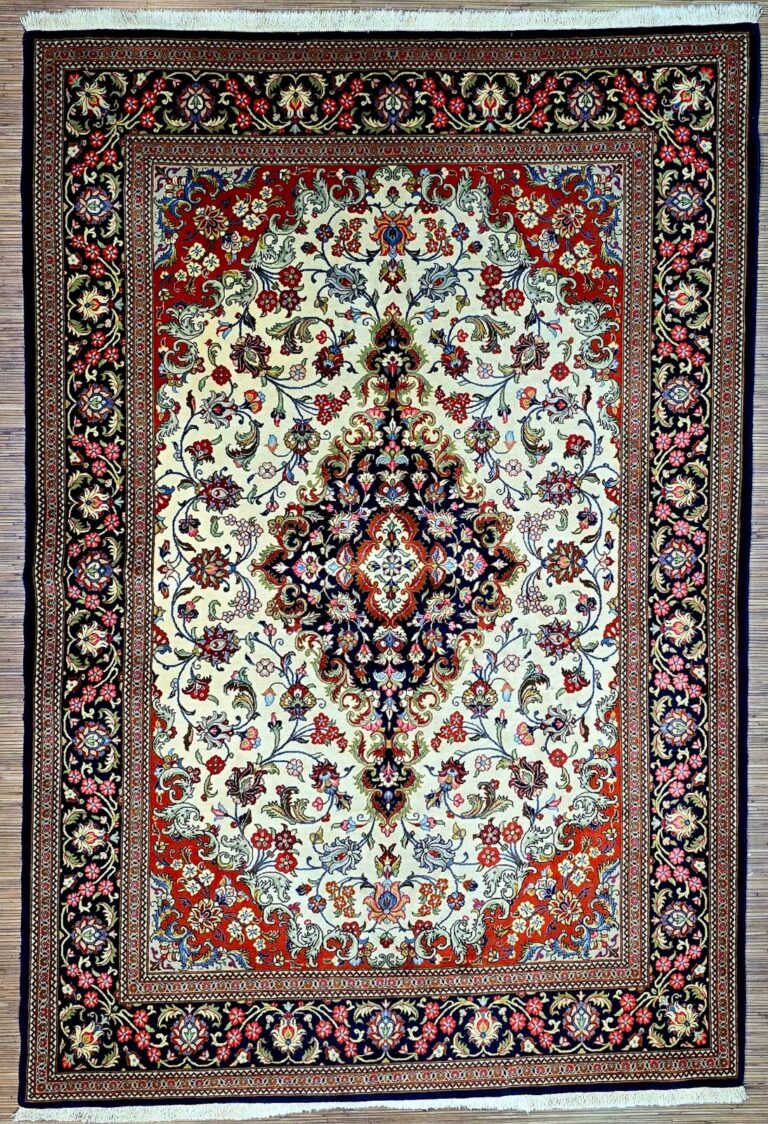
Oriental Rug Ziegler 290 x 206 cm Wool Hand-knotted
€ 2834
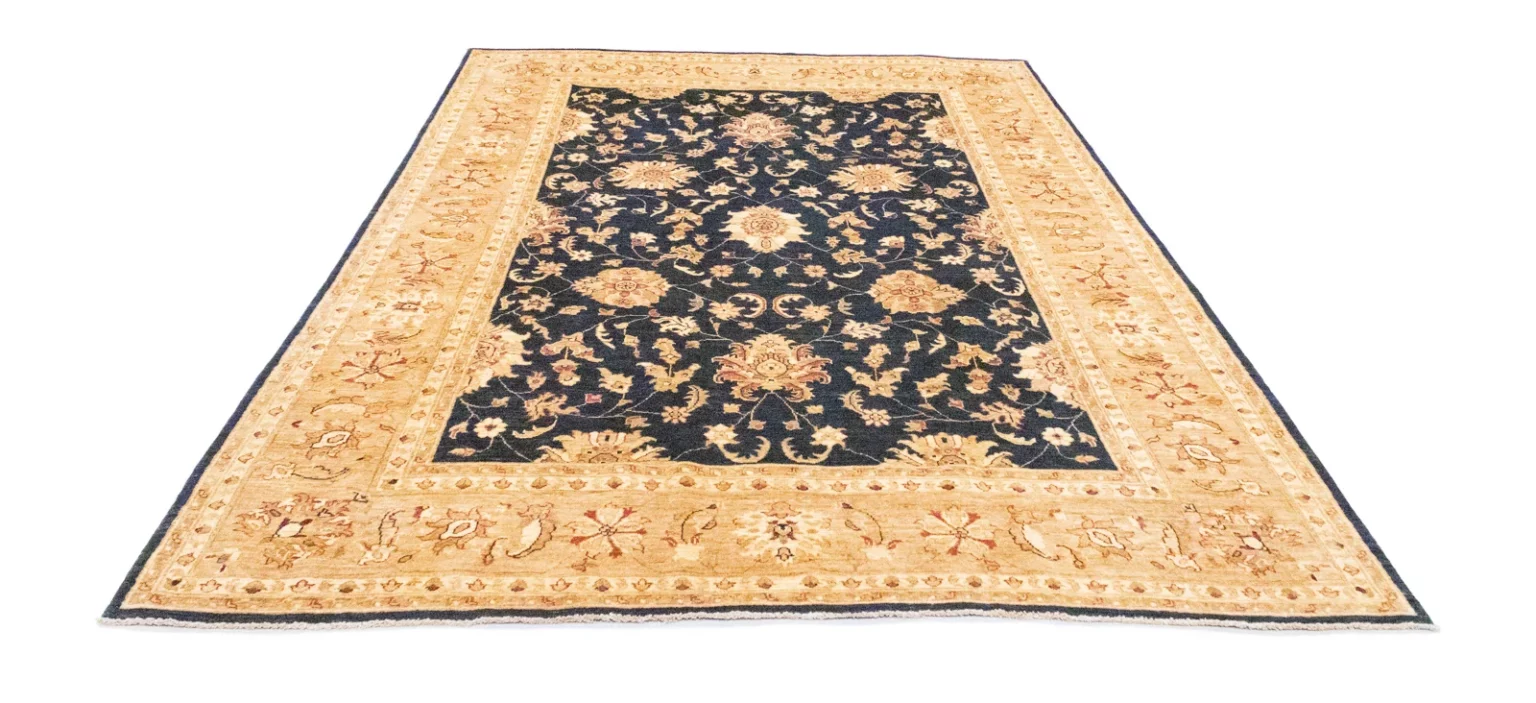
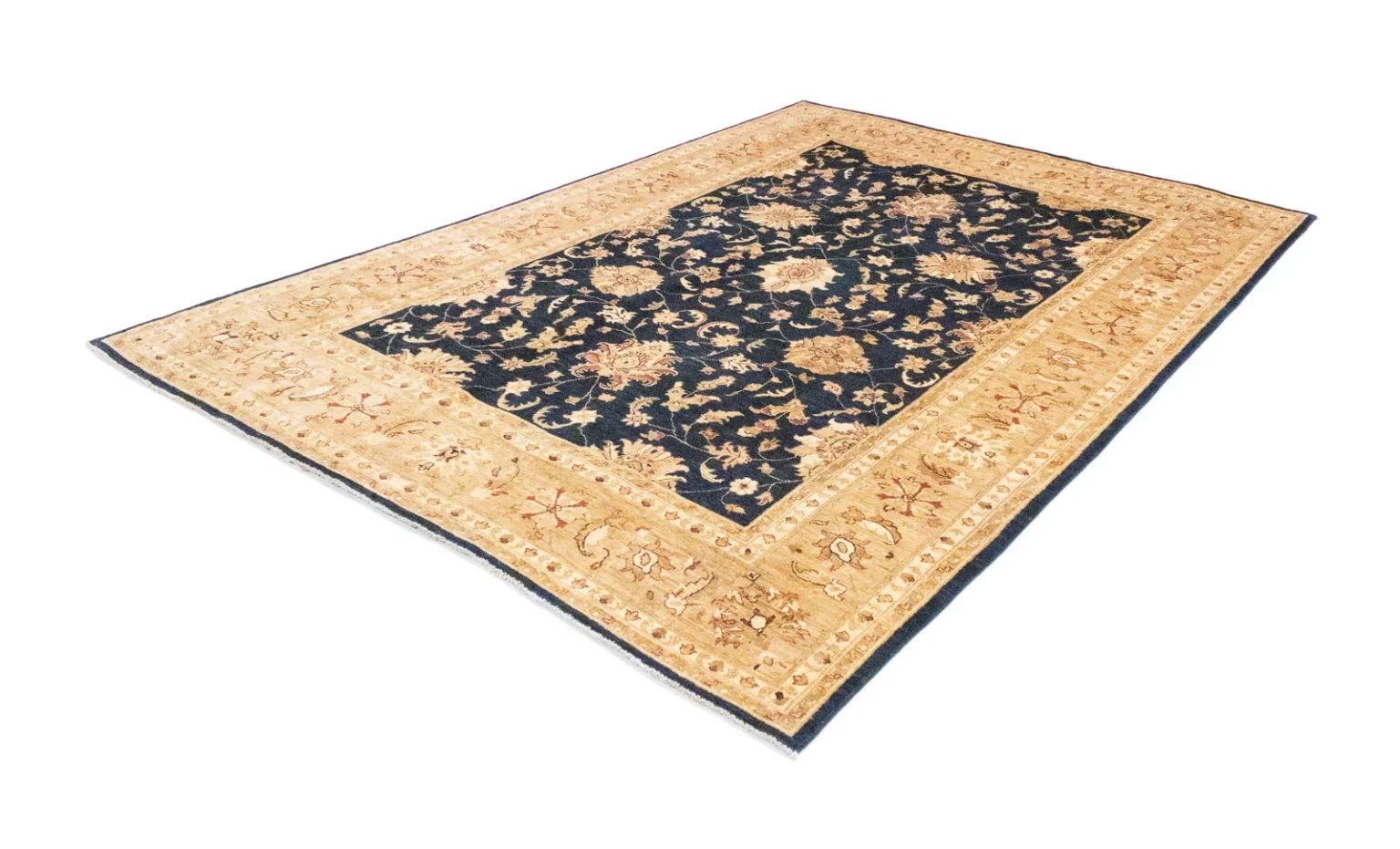
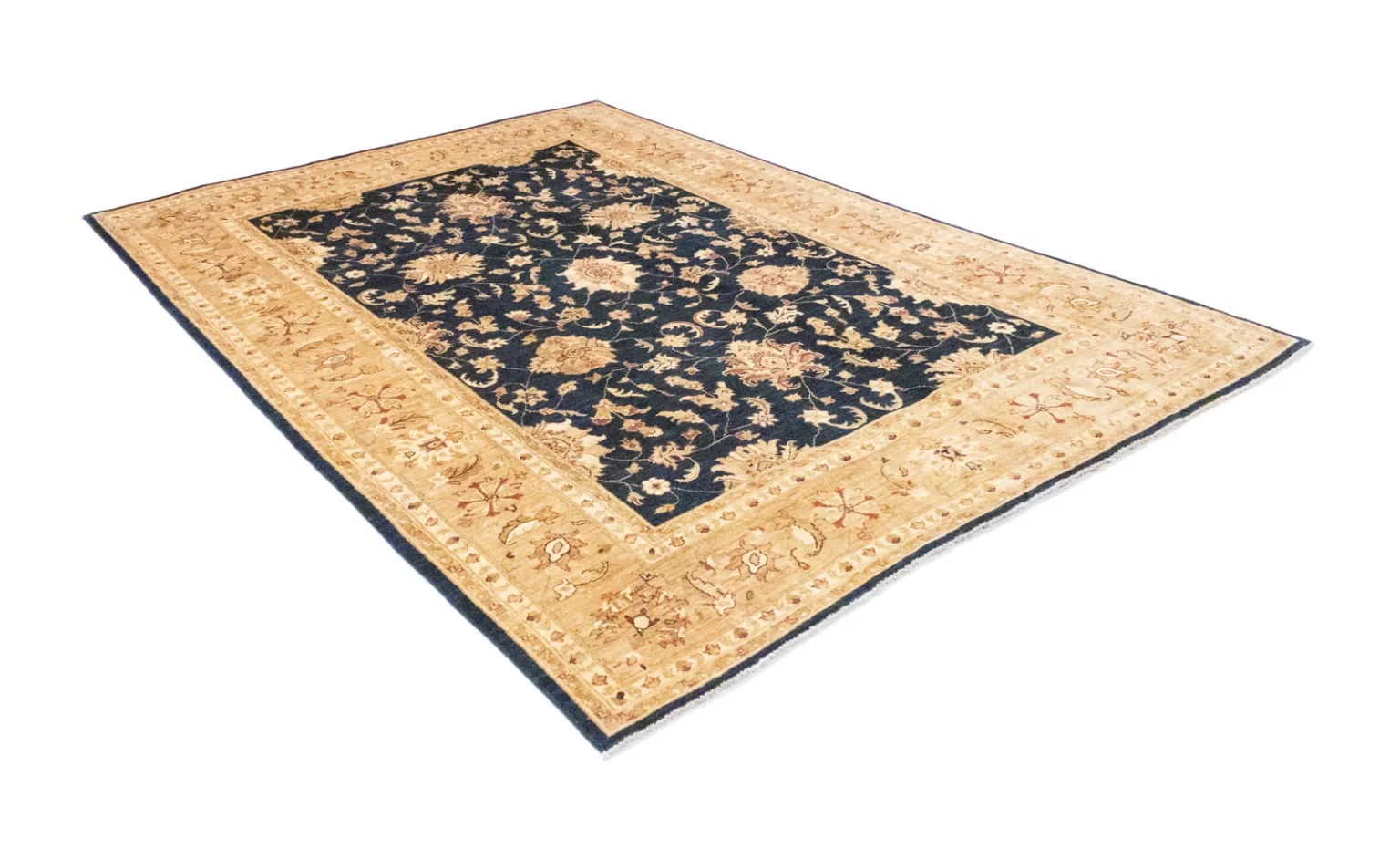
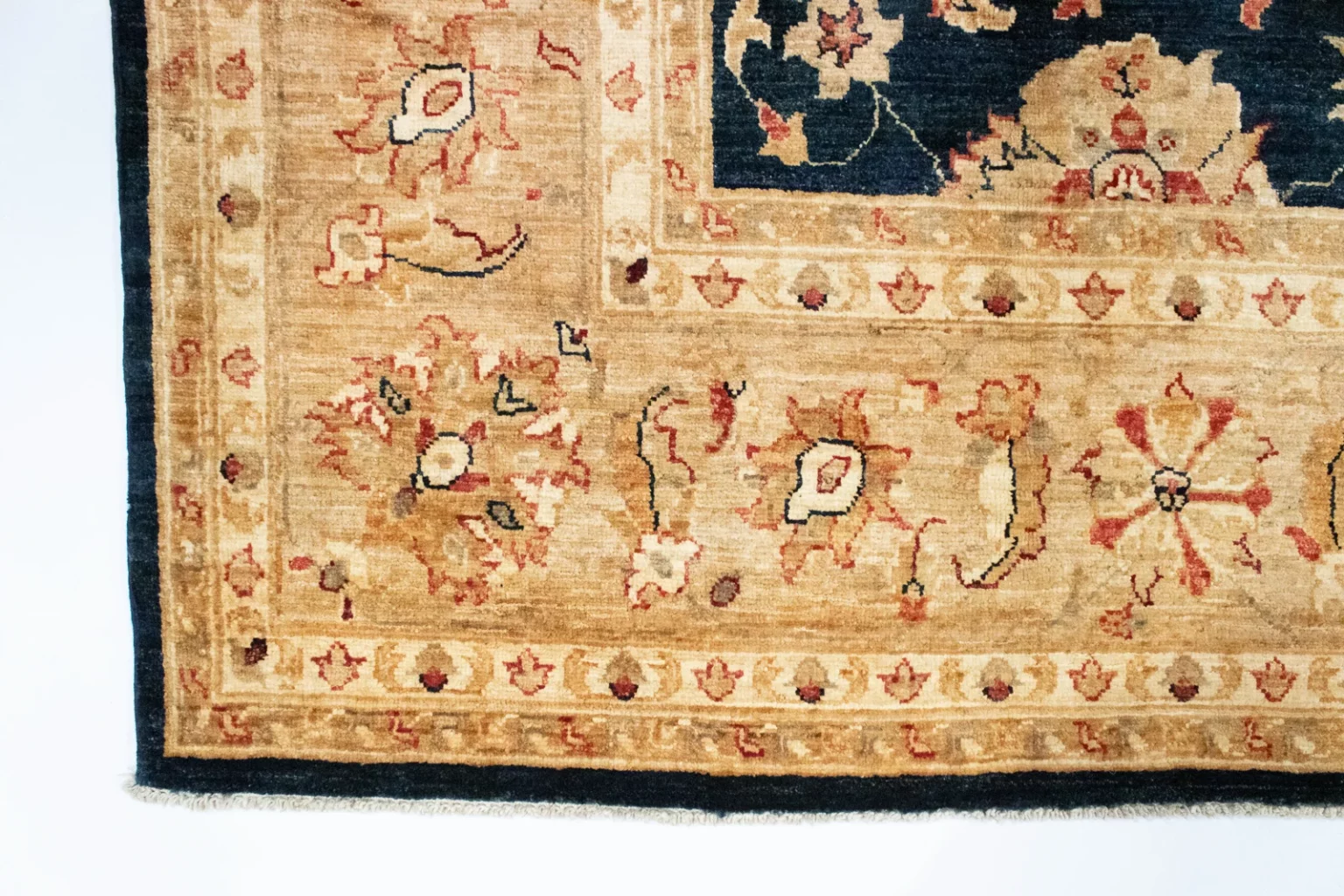
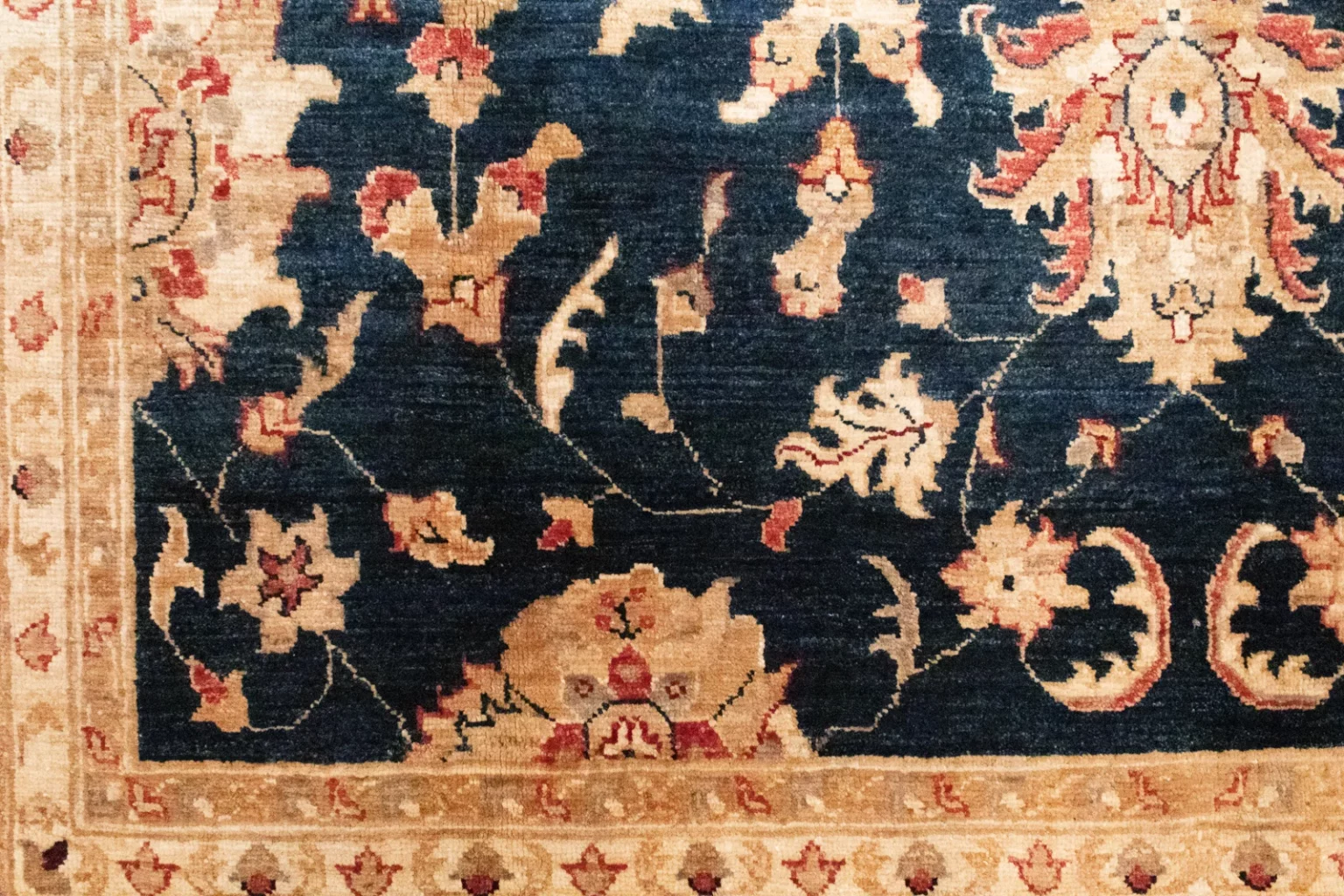
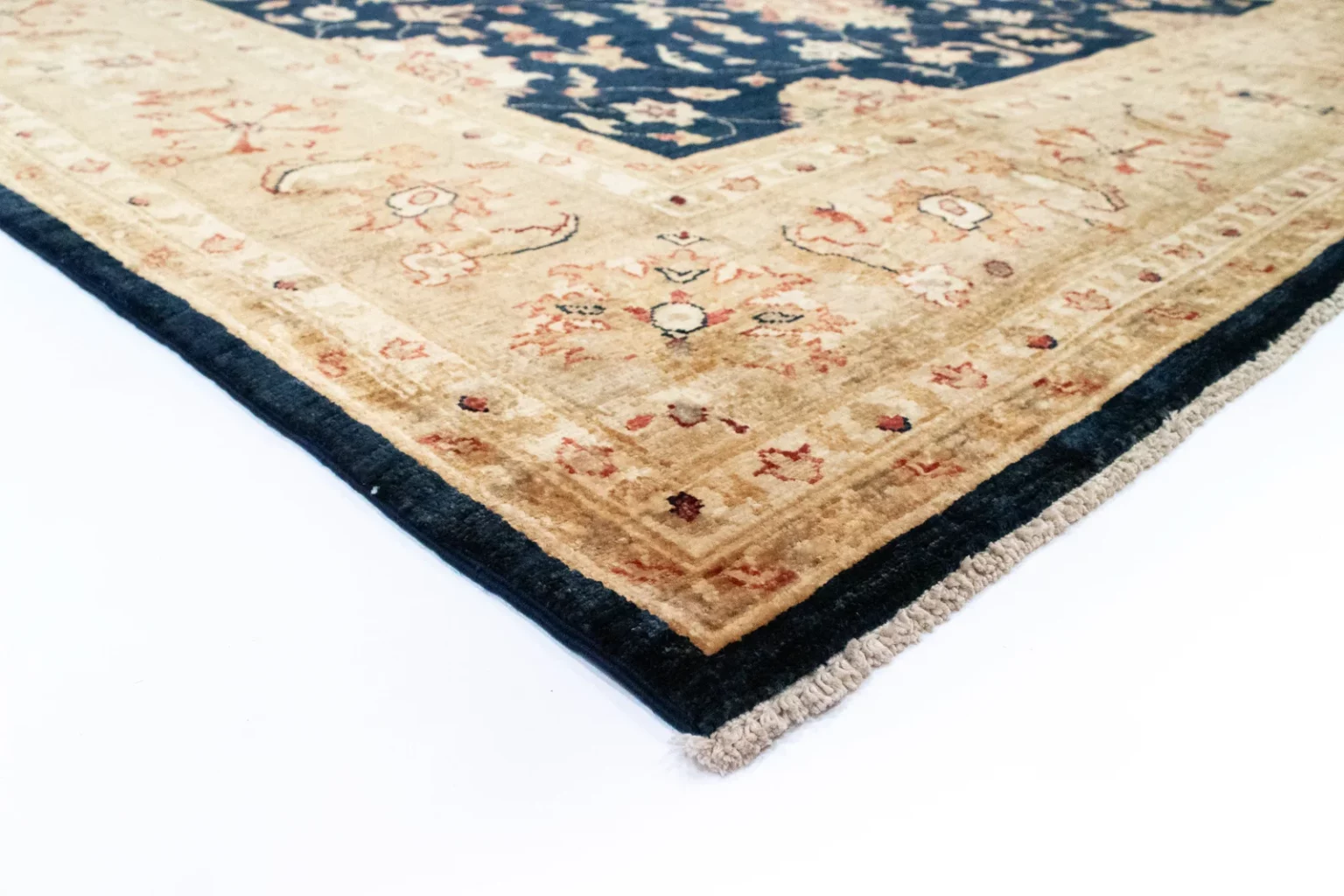
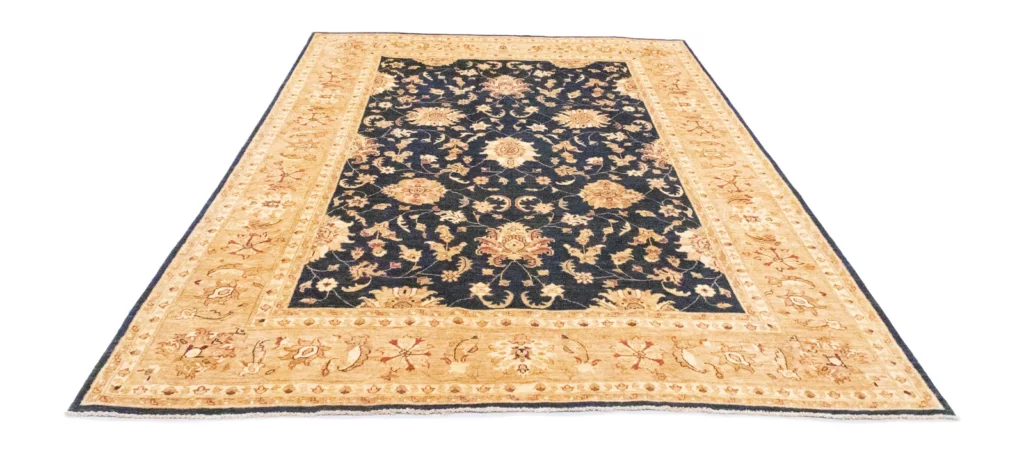
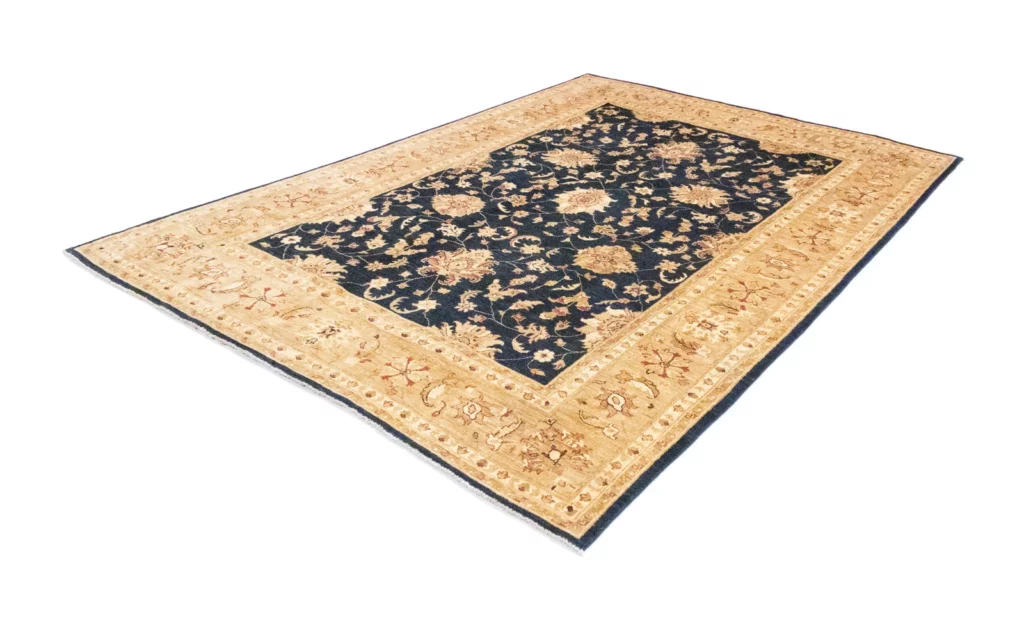
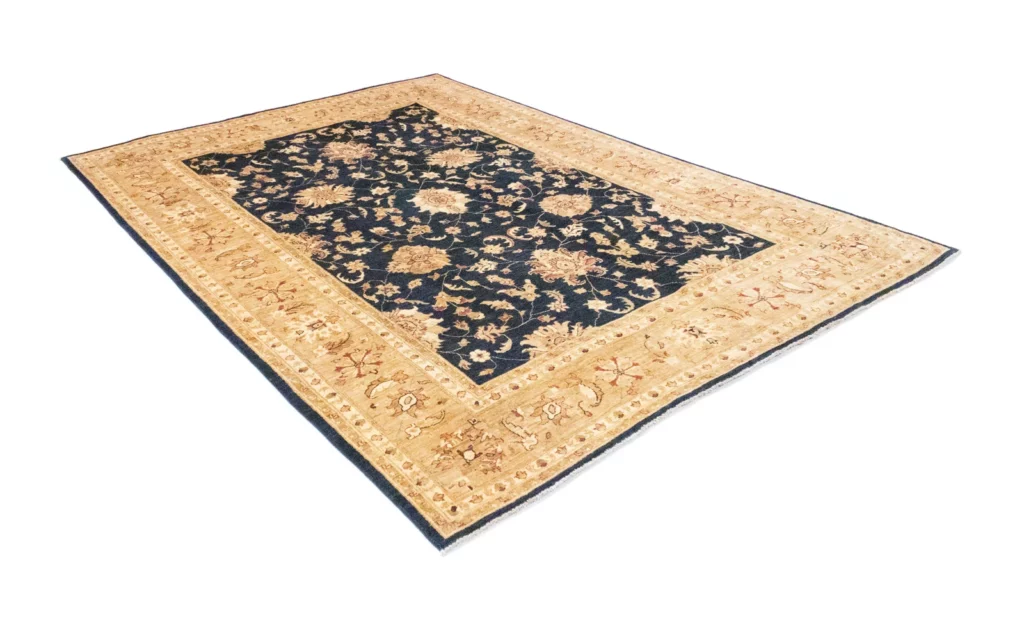
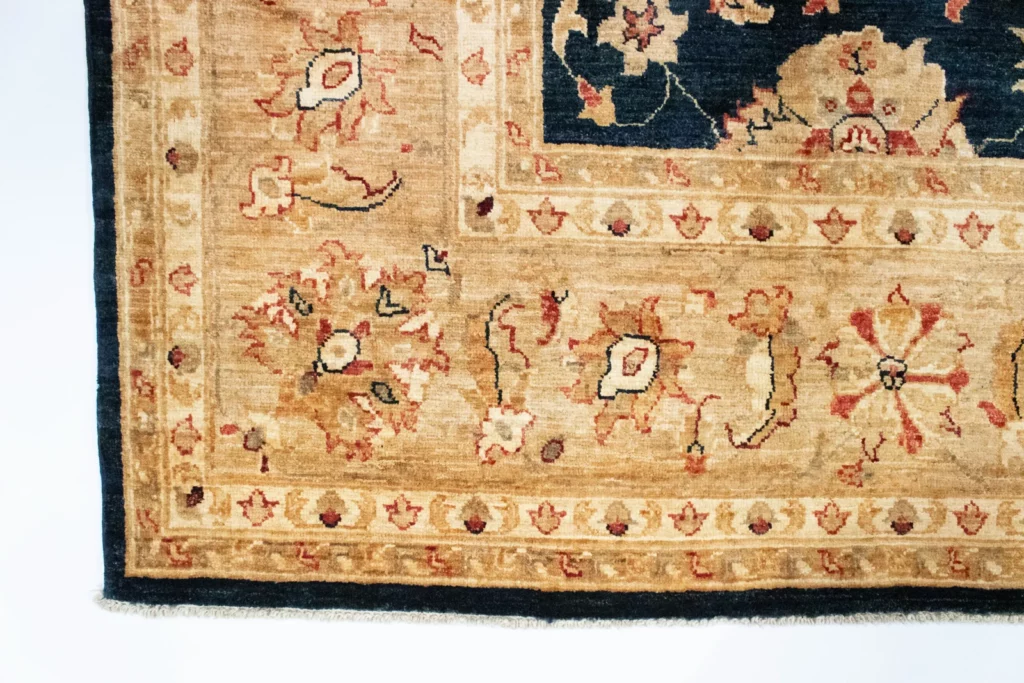
Hand-knotted Ziegler Oriental rug | Knot density: approx. 200,000 knots/m² | Material: pile high-quality wool | Size: 290 x 206 cm | Pattern: traditional floral and geometric motifs, faded effect from stone washing | Condition: Very good
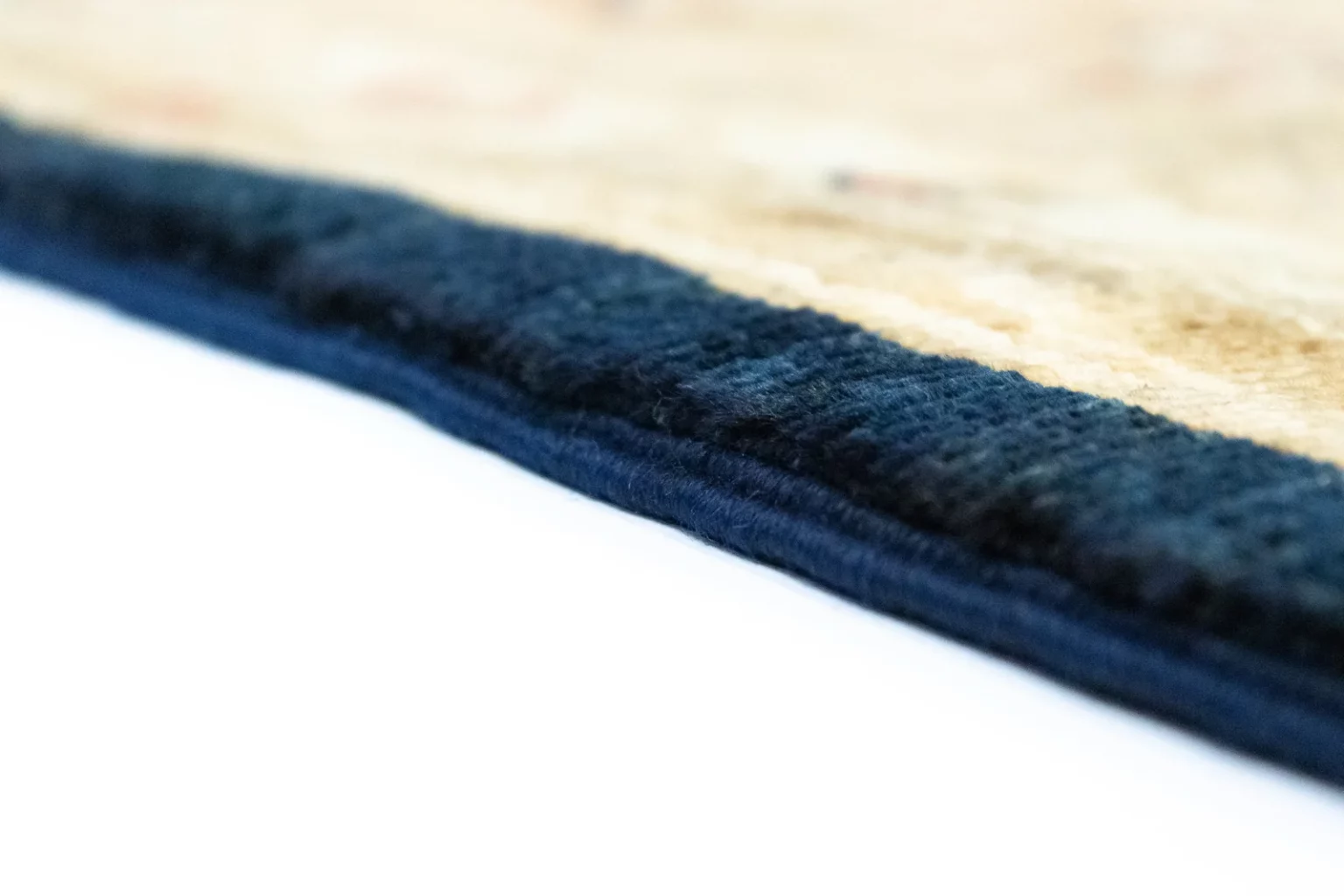
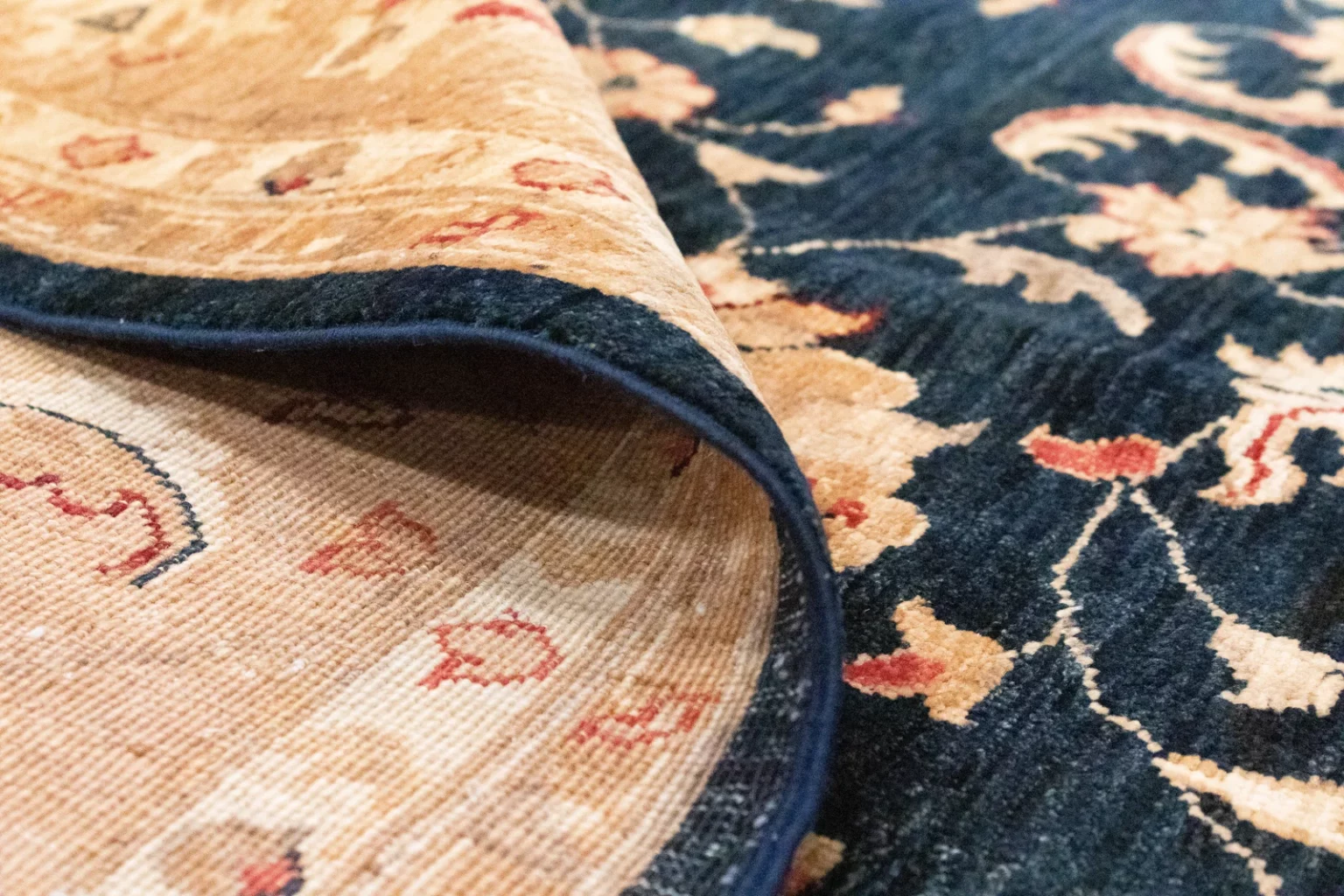
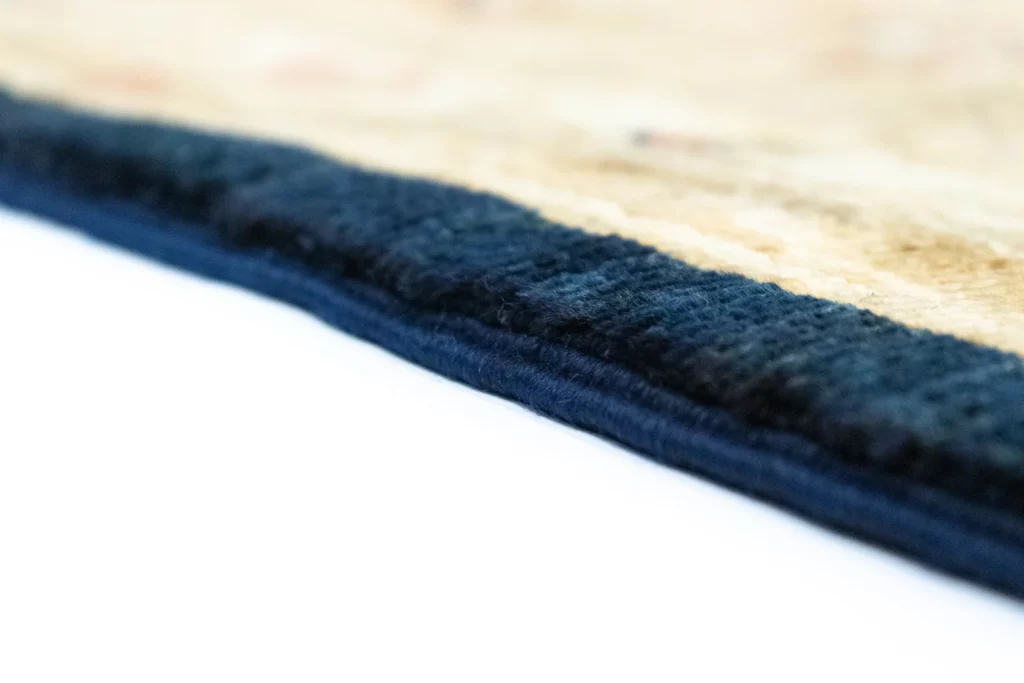
This Ziegler Oriental rug is hand-knotted with a pile made of high-quality wool. Its construction results from many individual knotting operations carried out across the prepared foundation. Wool is used in Ziegler rugs for its soft handle and durable character. It is a traditional rug material that can serve both as a practical floor covering and as a decorative textile within an interior.
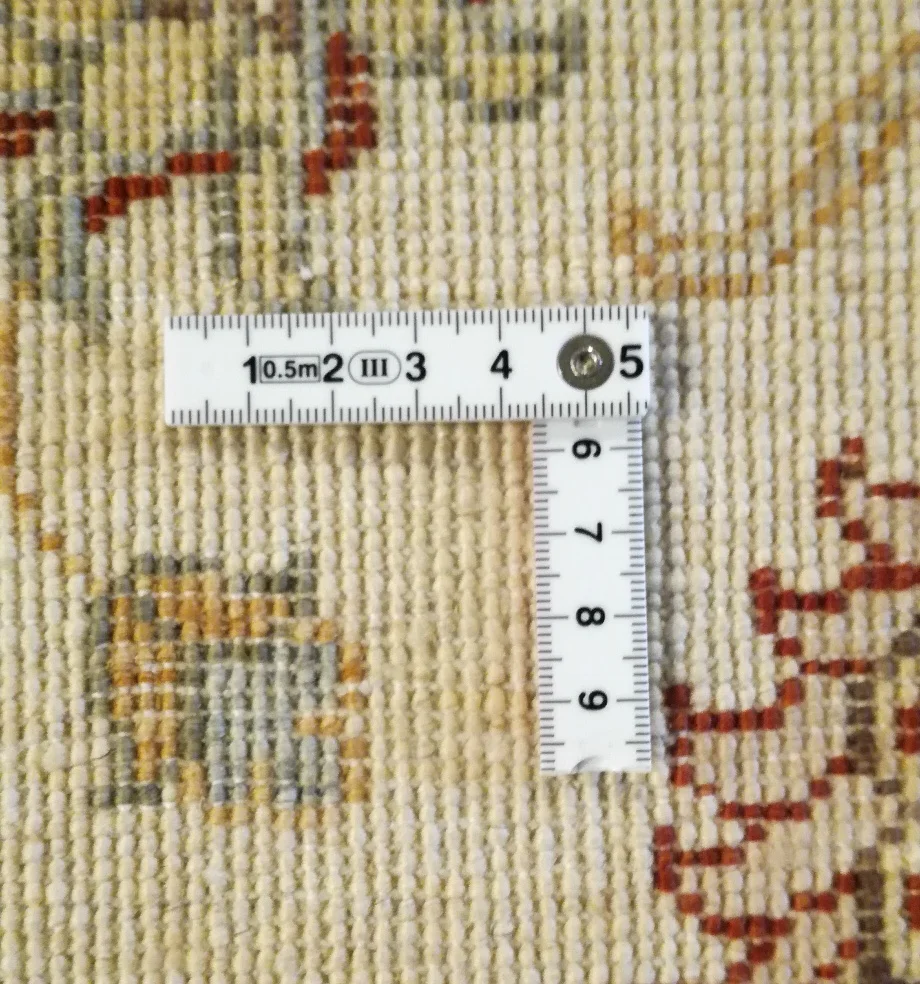
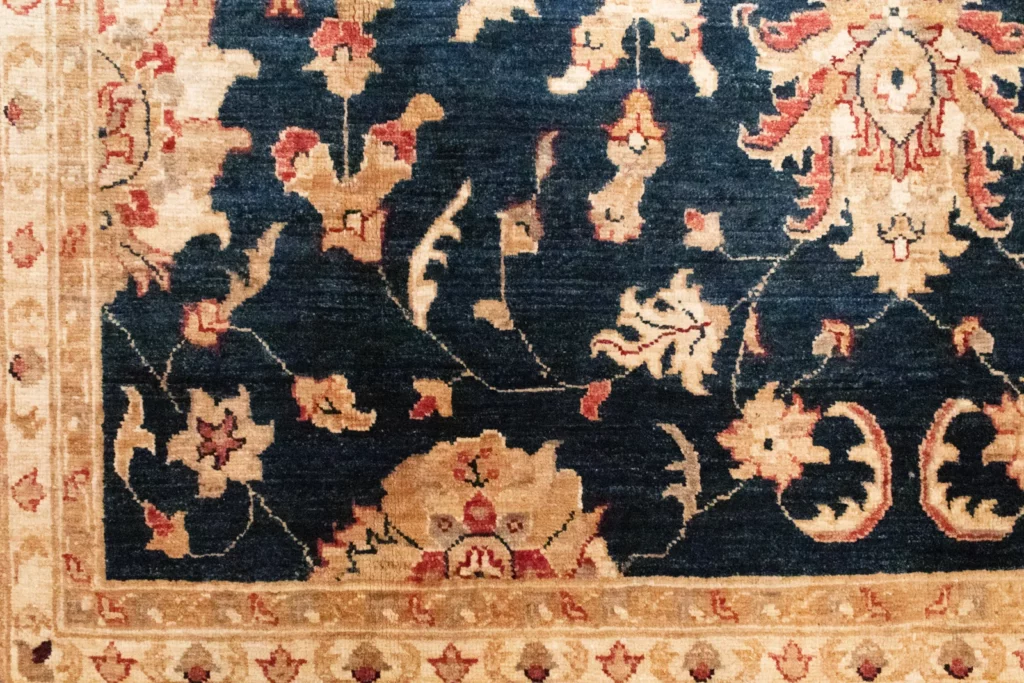
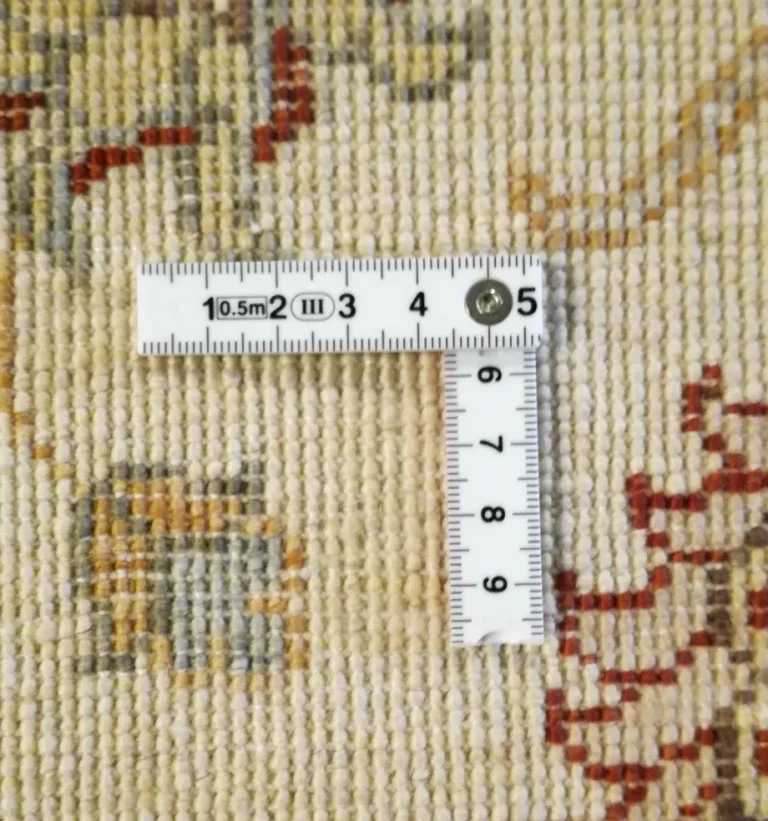
The knot density of this rug is approximately 200,000 knots per square metre. This level of density supports a finely structured surface and allows floral and geometric elements to be worked with definition. In a hand-knotted rug, each part of the design is built gradually rather than applied through an industrial printing process. The visible pattern is therefore connected to the textile construction itself.
Stone washing is part of this rug’s finish. This treatment gives the colours a faded effect, which is one of the recognisable characteristics associated with Ziegler rugs. The process influences the visible intensity of the palette after knotting. High-quality wool pile, hand knotting and stone washing therefore form the material and production combination described for this piece.
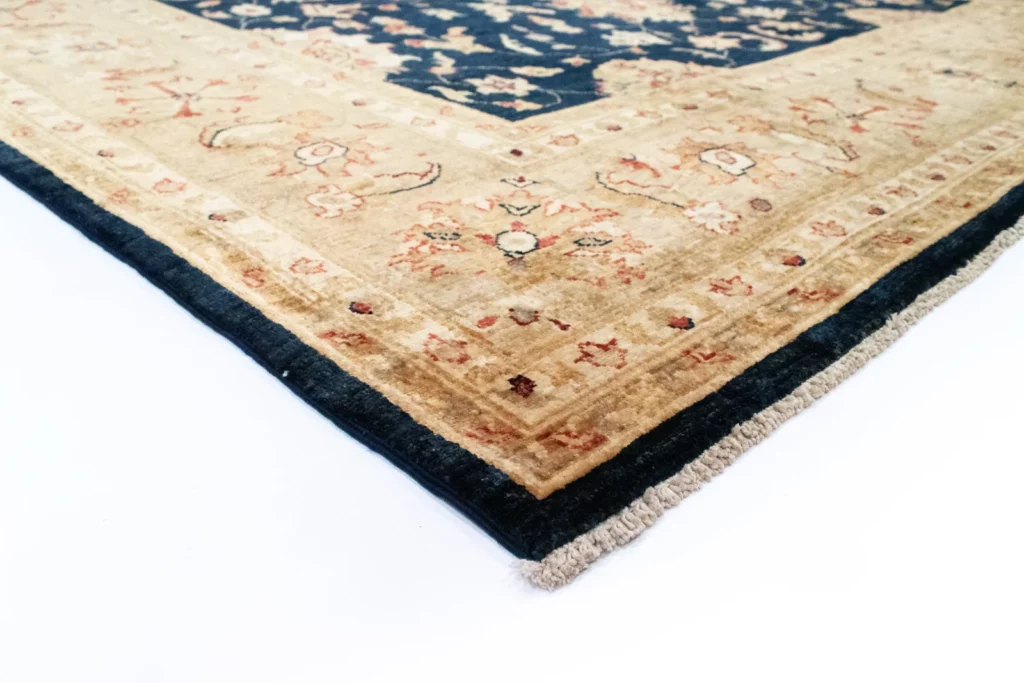
The condition of this rug is described as very good. Its natural materials also reflect the traditional character of Ziegler production. The product description presents hand-knotted Ziegler rugs as being made from natural materials and free from harmful chemicals. Wool and manual construction are central elements of this rug type and help explain its established place within oriental textile traditions.
Origin and Tradition
Ziegler rugs were originally developed in the nineteenth century by the Swiss company Ziegler in the Sarough and Arak region. The name consequently refers to a distinct rug tradition with a history connected to Persian design ideas and a separate production development. Sarough and Arak are historical reference points for the Ziegler tradition; they are not the stated place of manufacture of this individual rug.
This Ziegler Oriental rug comes from Pakistan and Afghanistan. Ziegler rugs are predominantly knotted in those two countries, where carpet making has deep roots. The craft includes selecting suitable wool, preparing the foundation, tying the knots row by row and finishing the surface. These activities depend on practical knowledge passed through workshops and generations of textile makers.
The name Ziegler now describes a rug type made in Pakistan and Afghanistan that follows a design language developed in the Persian sphere. This is why the piece is classified as an Oriental rug. Its stated origin in Pakistan and Afghanistan does not make it a Persian rug from Iran. At the same time, the historical link with Sarough and Arak explains why Ziegler designs are often understood as part of a Persian-influenced visual tradition.
Hand knotting is based on a gradual process. Knots are inserted into a prepared structure, and the surface grows through the repeated placement of individual units. A density of approximately 200,000 knots per square metre indicates a finely worked construction for this rug. Knot density is a technical feature of manufacture; it describes how closely the surface has been built and does not by itself establish a rug’s origin or age.
Ziegler rugs became known for combining traditional drawing with a restrained colour appearance. Stone washing is one of the finishing methods used to shape that appearance. The faded effect makes the palette look less sharply new and helps the rug work with different interior schemes. The tradition is therefore defined not only by the historical source of its designs, but also by the treatment applied after the knotting has been completed.
The product description names Sarough and Heriz as similar rug types from the same broader regional context and notes their quality and distinctive designs. Nain and Kashan are also mentioned as established rug traditions with comparable visual appeal. Each of these names represents its own origin and design history. None of them is an additional origin statement for this Ziegler rug.
The production background of Pakistan and Afghanistan is thus part of the identity of the piece. The historical development in Sarough and Arak explains the design reference, while the stated manufacture explains its classification as an Oriental rug. Keeping these two aspects separate avoids confusing a pattern tradition with the place where an individual rug was knotted.
Design and Pattern
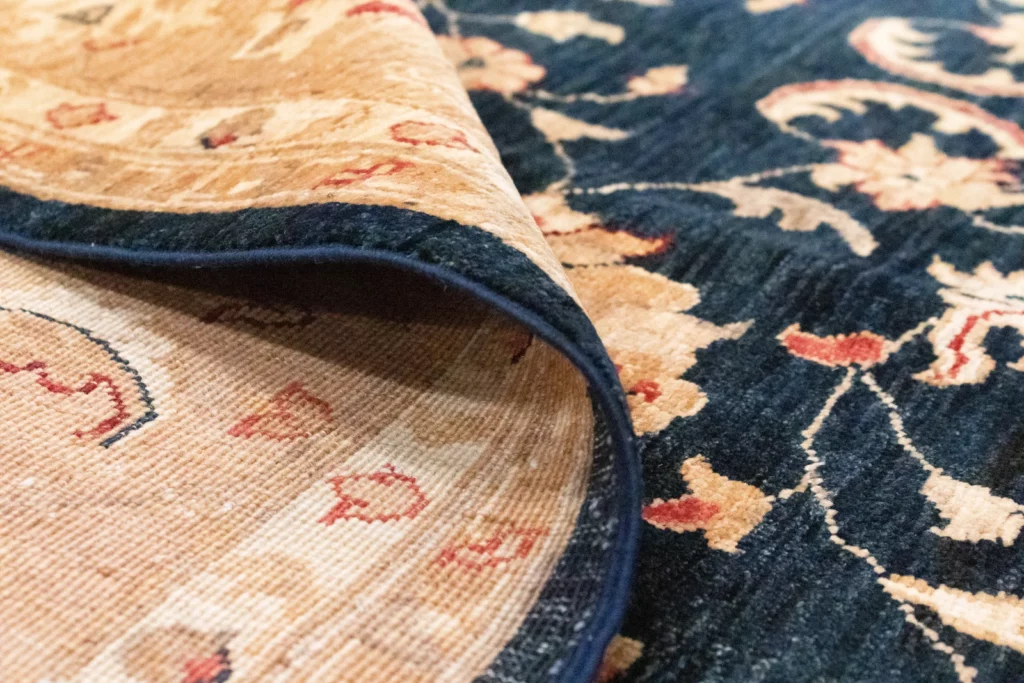
Ziegler rugs are often inspired by traditional Persian designs. Floral and geometric motifs are especially common. Floral compositions may include blossoms, leaves and flowing ornament, while geometric elements organise the field through lines, angles and repeated shapes. These two motif groups can appear together, producing a balanced textile composition rather than a single isolated emblem.
A Ziegler design generally depends on relationships between ornaments across the whole field. Floral forms can create movement, while geometric contours give the composition a clearer order. This combination allows Ziegler rugs to sit comfortably beside both classical furnishings and more restrained modern pieces. Their design remains rooted in an established tradition without prescribing only one type of interior.
The colours of this rug have a faded effect created by stone washing. Ziegler rugs frequently use soft earth tones together with livelier accents. Earth tones provide a calm foundation, while brighter touches keep the ornament legible and give selected parts of the design greater emphasis. The faded appearance changes the visual intensity of the colours, but it does not remove the underlying floral and geometric structure.
The hand-knotted surface connects the coloured areas with the texture of the wool pile. Stone washing supports the deliberately softened palette and allows traditional motifs to appear less formal in their overall impression. The described Ziegler character comes from the combination of Persian-inspired patterning, natural colour associations and a surface whose colour effect has been altered through washing.
The historical connection with Sarough and Arak accounts for the orientation towards classical Persian ornament. The actual rug, however, is made in Pakistan and Afghanistan. Its design reference must therefore not be mistaken for an Iranian origin claim. In oriental rugs, origin and design are separate pieces of information: a pattern may recall one region while the rug itself is produced in another country.
Ziegler rugs are made in a range of formats, from small runners to large rugs for living spaces. This general range belongs to the rug type and supports different forms of use. A rug with floral and geometric motifs may be placed on the floor, combined with furniture or used as a decorative wall textile. The pattern tradition remains the common element across these applications.
The relationship to Sarough and Heriz is primarily a matter of design context in the supplied description. Nain and Kashan are cited because their elaborate patterns and high knot densities can offer a related aesthetic option. These names nevertheless refer to distinct rug traditions. The piece described here remains a Ziegler rug, with the characteristic stone-washed colour effect and the stated floral and geometric design vocabulary.
Special Features
The stone-washed finish is a defining feature of this rug. It gives the colours a deliberately faded appearance and creates a surface with a softened visual character. Together with the soft earth tones and lively accents frequently used in Ziegler rugs, this treatment forms the colour profile described for the piece.
Further features are the hand-knotted construction, the high-quality wool pile and a knot density of approximately 200,000 knots per square metre. The condition is stated as very good. These details combine traditional workmanship, Persian-influenced design and a colour effect shaped by stone washing.
The use of natural materials and manual production is also part of the profile of Ziegler rugs. The description characterises these rugs as free from harmful chemicals. Their established patterns can be combined with modern or classical furniture and can also be presented as a decorative textile rather than used only as a floor covering.
FAQ
How should I care for my Ziegler rug?
For regular care, vacuum gently and use a setting without a brush. This removes loose dust while avoiding unnecessary mechanical stress on the wool pile. Treat spills promptly with a damp cloth, working carefully rather than rubbing the area forcefully. Professional cleaning is recommended every few years. Because the stone-washed finish and faded colour effect are part of the rug’s surface character, professional treatment is appropriate when a more thorough cleaning is needed.
Where are Ziegler rugs made?
Ziegler rugs are predominantly made in Pakistan and Afghanistan, countries with deeply rooted carpet-knotting traditions. The historical development of the Ziegler form goes back to the Swiss company Ziegler and the Sarough and Arak region. That connection describes the origin of the design tradition, not the manufacturing location of every modern piece. This rug is described as an Oriental rug from Pakistan and Afghanistan.
What makes Ziegler rugs distinctive?
Their distinctive character comes from the combination of high-quality wool, hand knotting, traditional techniques and individual design work. Floral and geometric motifs draw on Persian-influenced design ideas. Stone washing gives the colours their characteristic faded effect. The product also specifies a knot density of approximately 200,000 knots per square metre. Together, these features create the established relationship between structured handwork, natural material and a softened palette. The condition of this particular rug is stated as very good.
To provide the best experiences, we use technologies like cookies to store and/or access device information. Consenting to these technologies will allow us to process data such as browsing behavior or unique IDs on this site. Not consenting or withdrawing consent, may adversely affect certain features and functions.
Functional Always active
The technical storage or access is strictly necessary for the legitimate purpose of enabling the use of a specific service explicitly requested by the subscriber or user, or for the sole purpose of carrying out the transmission of a communication over an electronic communications network.
Preferences
The technical storage or access is necessary for the legitimate purpose of storing preferences that are not requested by the subscriber or user.
Statistics
The technical storage or access that is used exclusively for statistical purposes.The technical storage or access that is used exclusively for anonymous statistical purposes. Without a subpoena, voluntary compliance on the part of your Internet Service Provider, or additional records from a third party, information stored or retrieved for this purpose alone cannot usually be used to identify you.
Marketing
The technical storage or access is required to create user profiles to send advertising, or to track the user on a website or across several websites for similar marketing purposes.

 SECURE PAYMENT
 SHIPPING PARTNERS