This Nain rug is hand-knotted from new wool and silk. The pile consists of 90% new wool and 10% silk. Wool gives the rug a soft and resilient surface. As a natural fibre, it can store warmth and help regulate moisture. These qualities are part of the practical role that wool has traditionally played in hand-knotted rugs. It provides a substantial foundation for a surface that is pleasant to walk on while also being suited to regular use.
The silk content adds a restrained sheen to the pile. It can make the colours appear more lively and gives the surface a differentiated appearance as light moves across it. Wool and silk therefore contribute different characteristics: wool provides softness, resilience and natural insulation, while silk introduces a finer lustre. The combination is characteristic of the refined appearance associated with finely knotted Nain rugs.
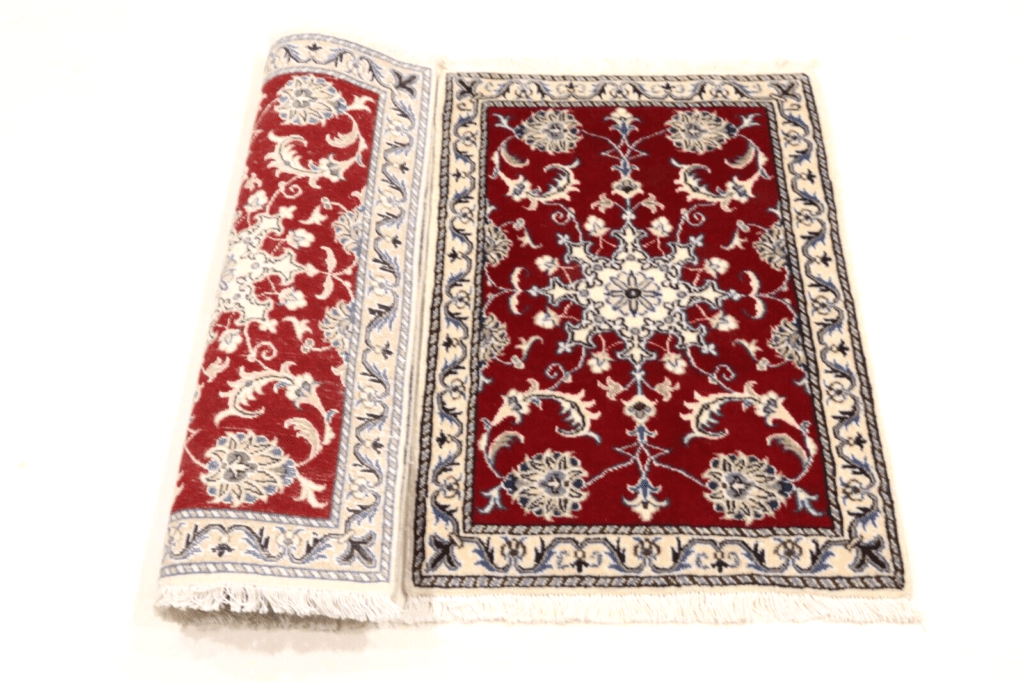
The rug is made by hand rather than by machine. In hand-knotting, individual knots are placed into the foundation and the pile is built row by row. This method allows the weaver to follow a detailed design directly during the work. It also means that a hand-knotted rug is an individual piece. Small variations in pattern and colour are part of the process and reflect the personal working style of the knotter.
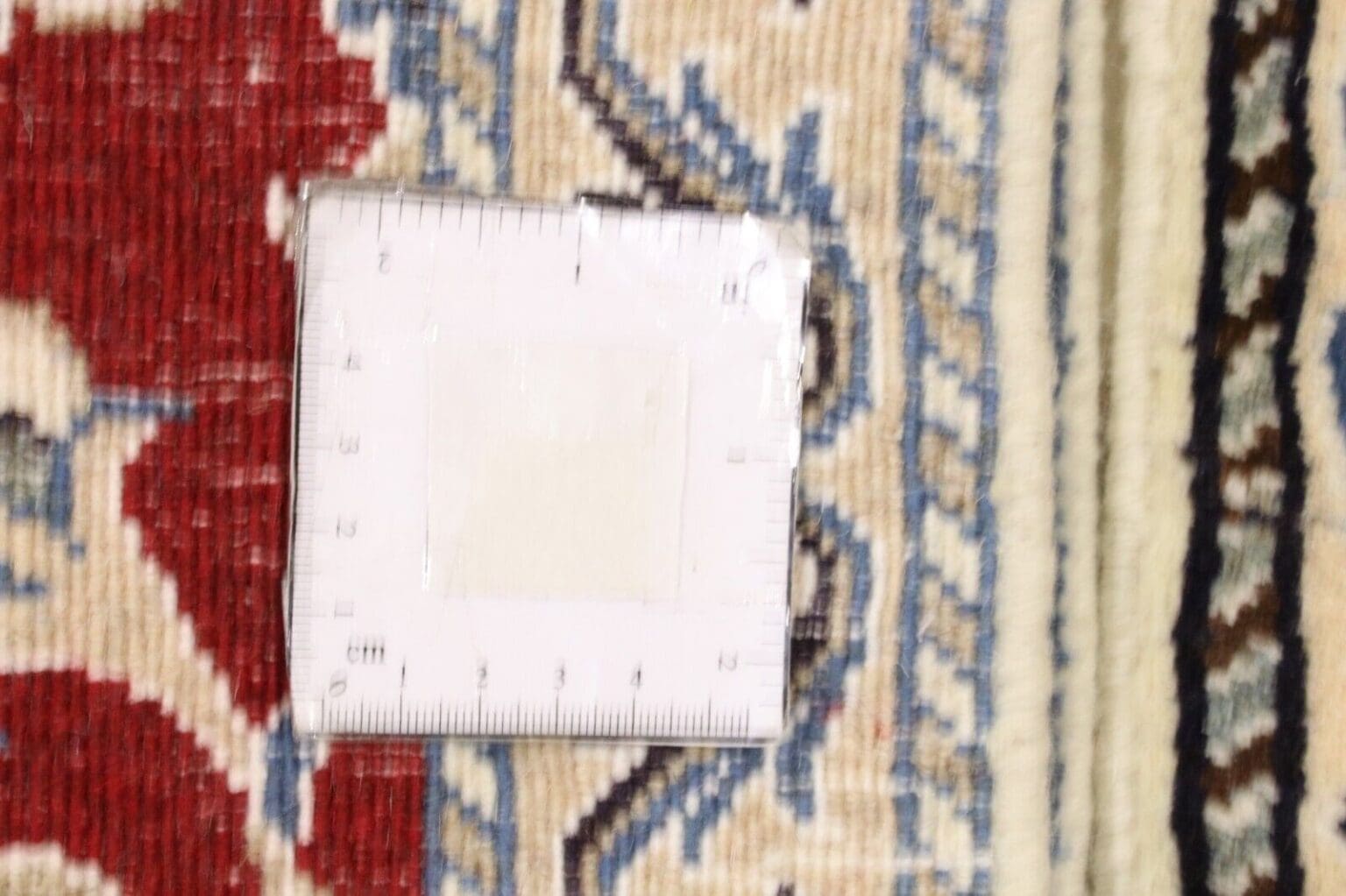
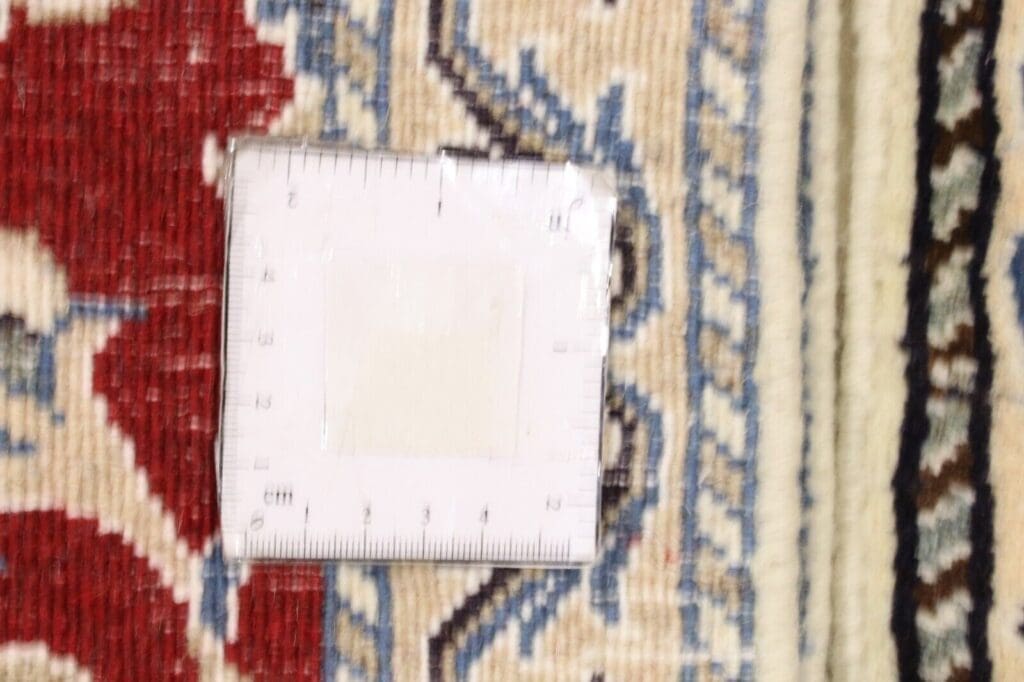
The rug has a knot density of approximately 300000 knots per square metre. A dense knot structure supports the precise rendering of fine motifs and contributes to the close, detailed character of the surface. It is also associated with the robust and durable qualities described for this rug. The construction, wool pile and silk content together define its material and tactile profile.
Origin and Tradition
Nain is a weaving region in Iran and is known for high-quality hand-knotted rugs. Nain rugs are made by experienced craftspeople who work within a recognisable regional tradition. Their designs preserve established elements while allowing individual weavers to interpret the composition in their own way. This combination of continuity and handwork is central to the identity of Nain production.
The carpet-making tradition of Nain has roots in the nineteenth century. Since then, it has developed while retaining the classical features for which the region is known. Nain rugs are generally associated with carefully organised compositions, finely executed details and a controlled relationship between field, ornament and border. The regional name therefore refers not only to a place in Iran, but also to a particular approach to proportion, pattern and workmanship.
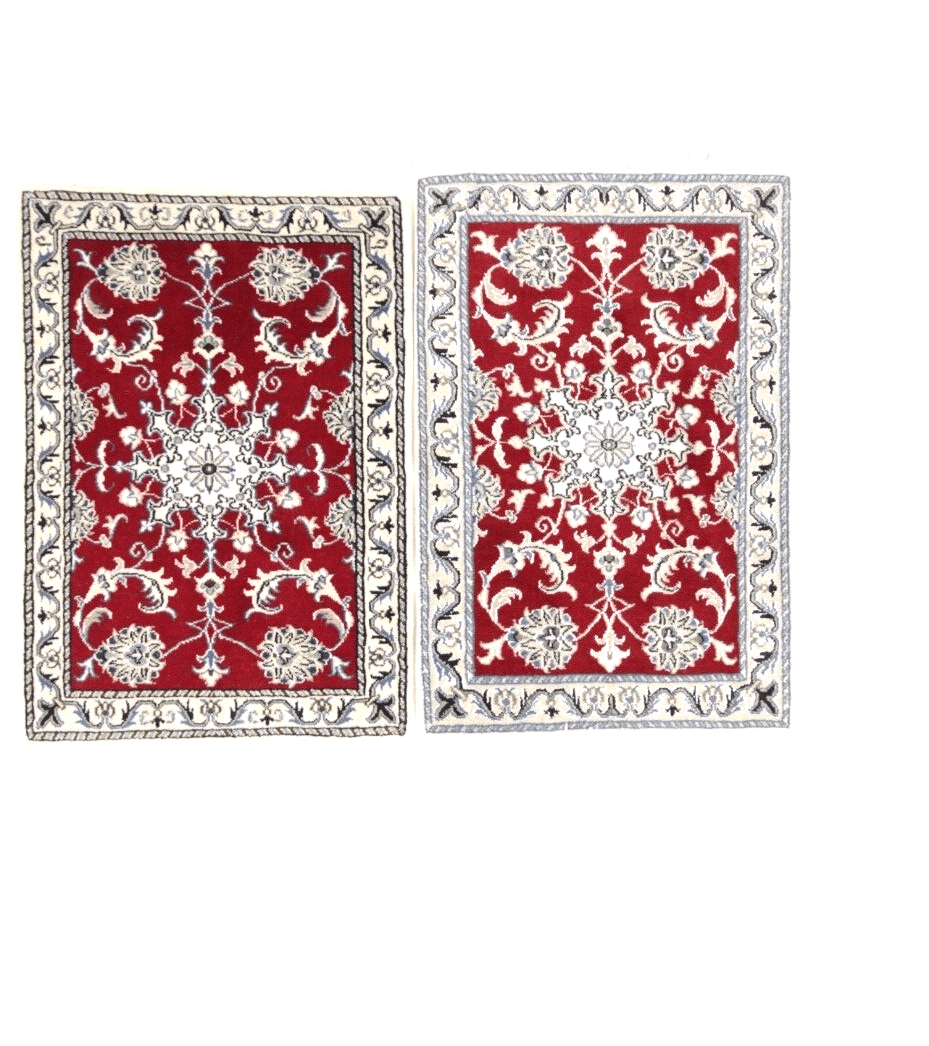
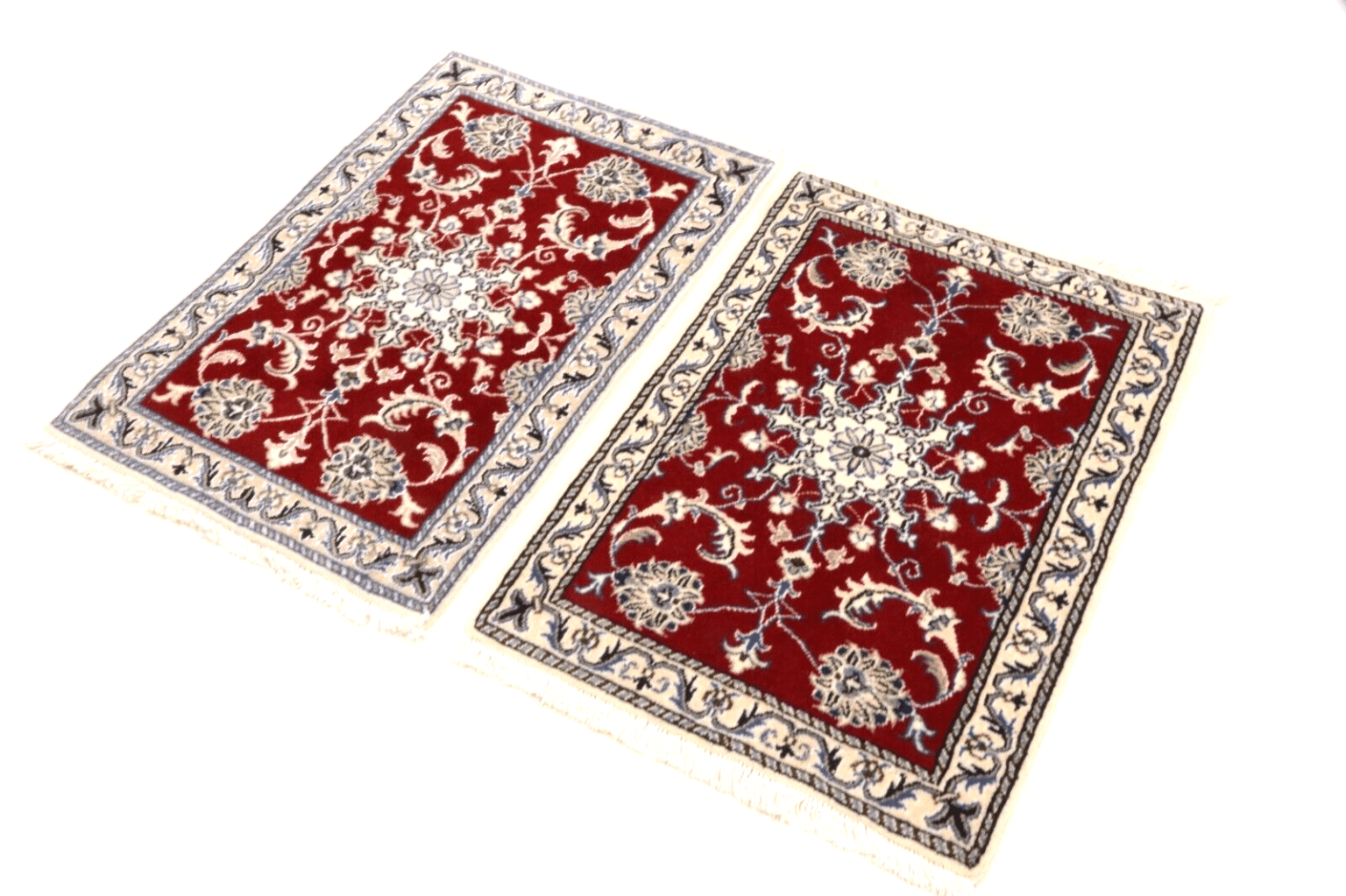
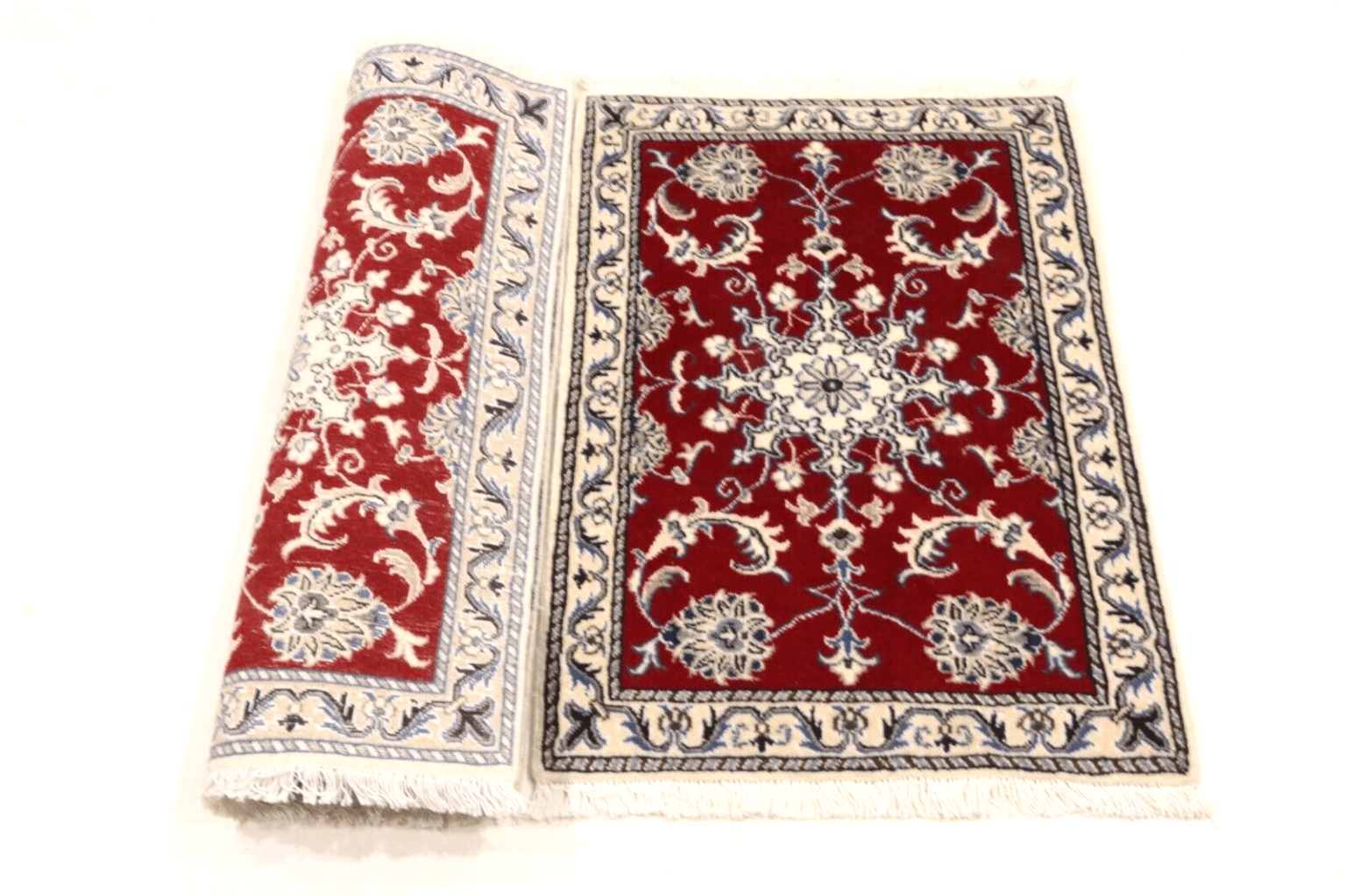
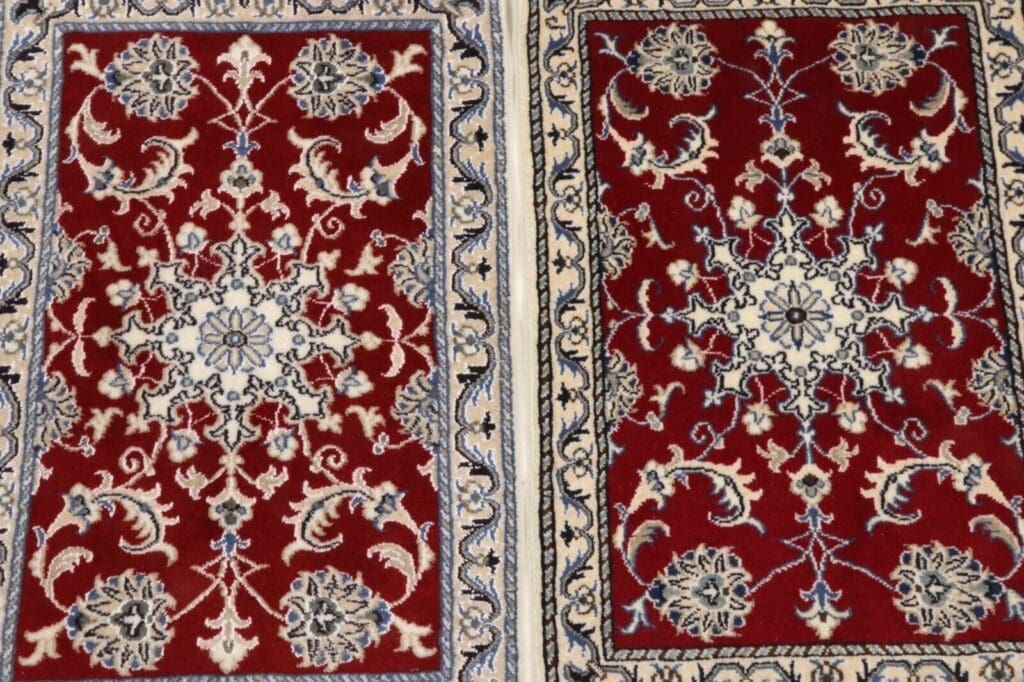
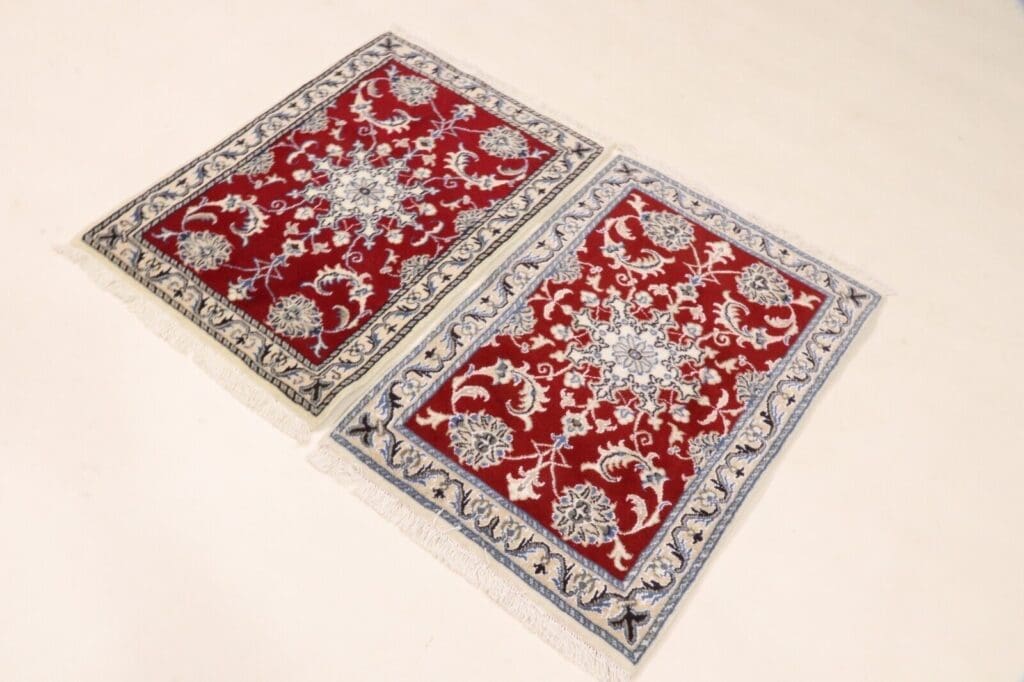
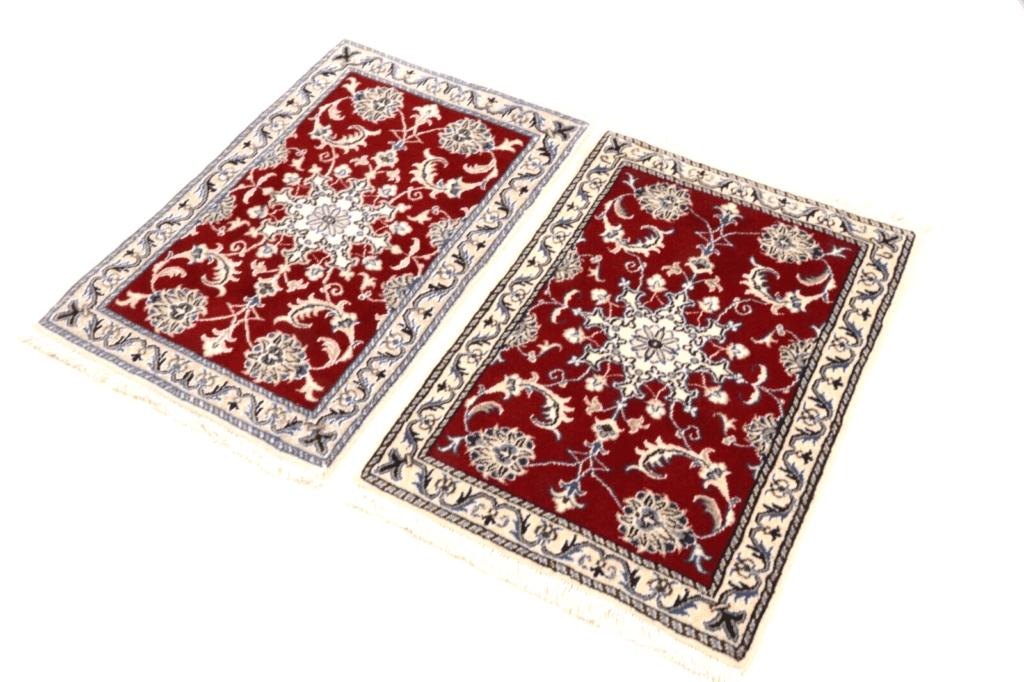
Traditional Nain designs frequently use floral motifs or geometric arrangements. Floral compositions may be organised around a central medallion, repeated across the field or arranged in a balanced all-over structure. Geometric elements can provide order through measured outlines, repeated forms and clearly defined borders. These design principles give the rugs a composed appearance without removing the signs of handwork that distinguish one individual piece from another.
The Nain tradition is also connected with a preference for finely detailed surfaces. The dense knotting enables weavers to reproduce delicate contours and small decorative elements with clarity. Fine work does not mean that every rug is identical; the hand-knotted process leaves room for variations in drawing, colour and emphasis. Such variation is a normal part of regional craftsmanship and does not alter the rug’s identity as a Nain hand-knotted rug.
Nain rugs are used as furnishings and are also regarded as objects connected with the history of Persian weaving. Their appeal lies in the combination of practical textile construction, regional design language and skilled manual production. The tradition continues to be understood through its materials, its detailed knotting and its floral or geometric vocabulary. This rug belongs to that Iranian context and presents those characteristics in a hand-knotted form.
Design and Pattern
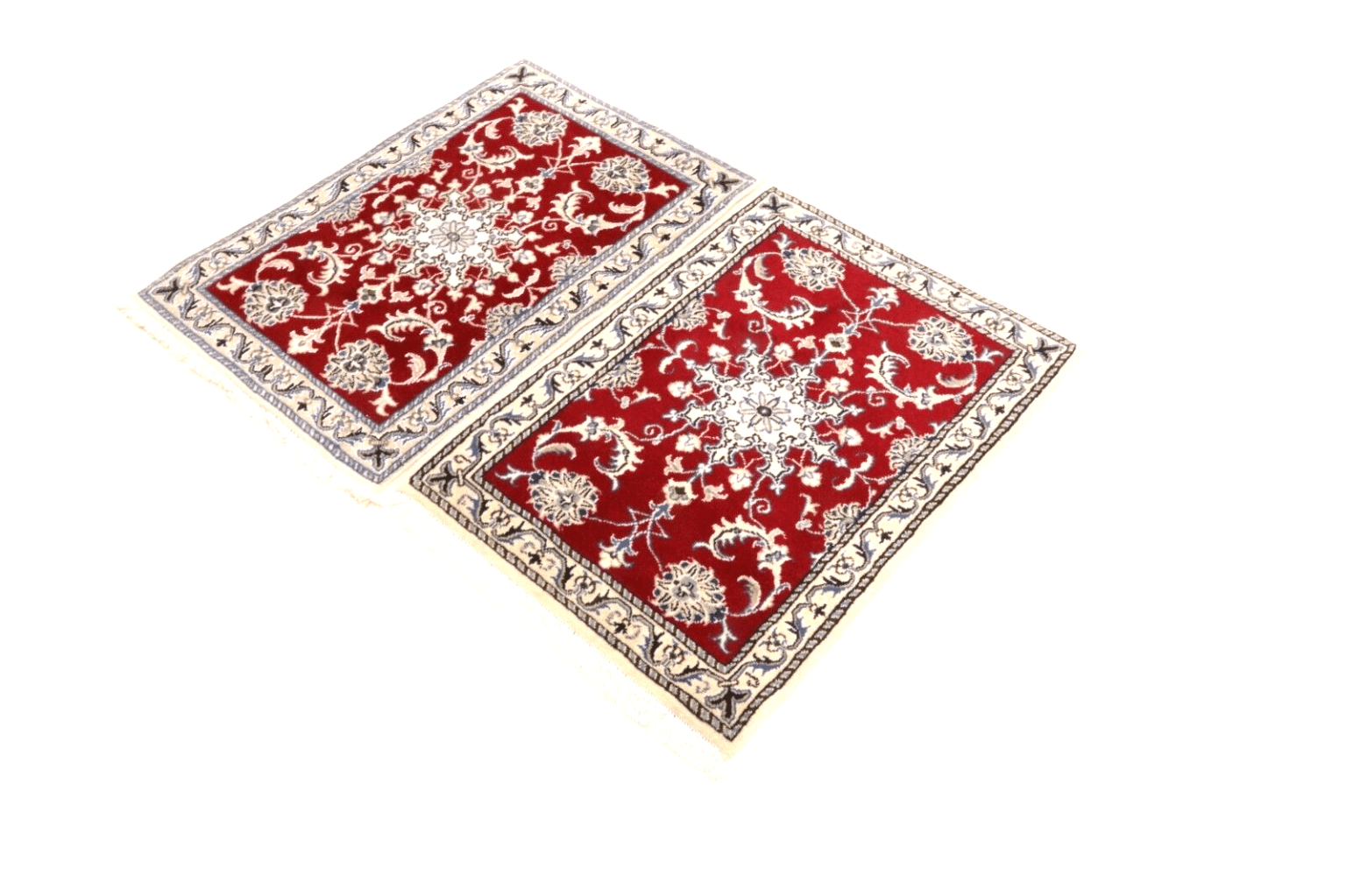
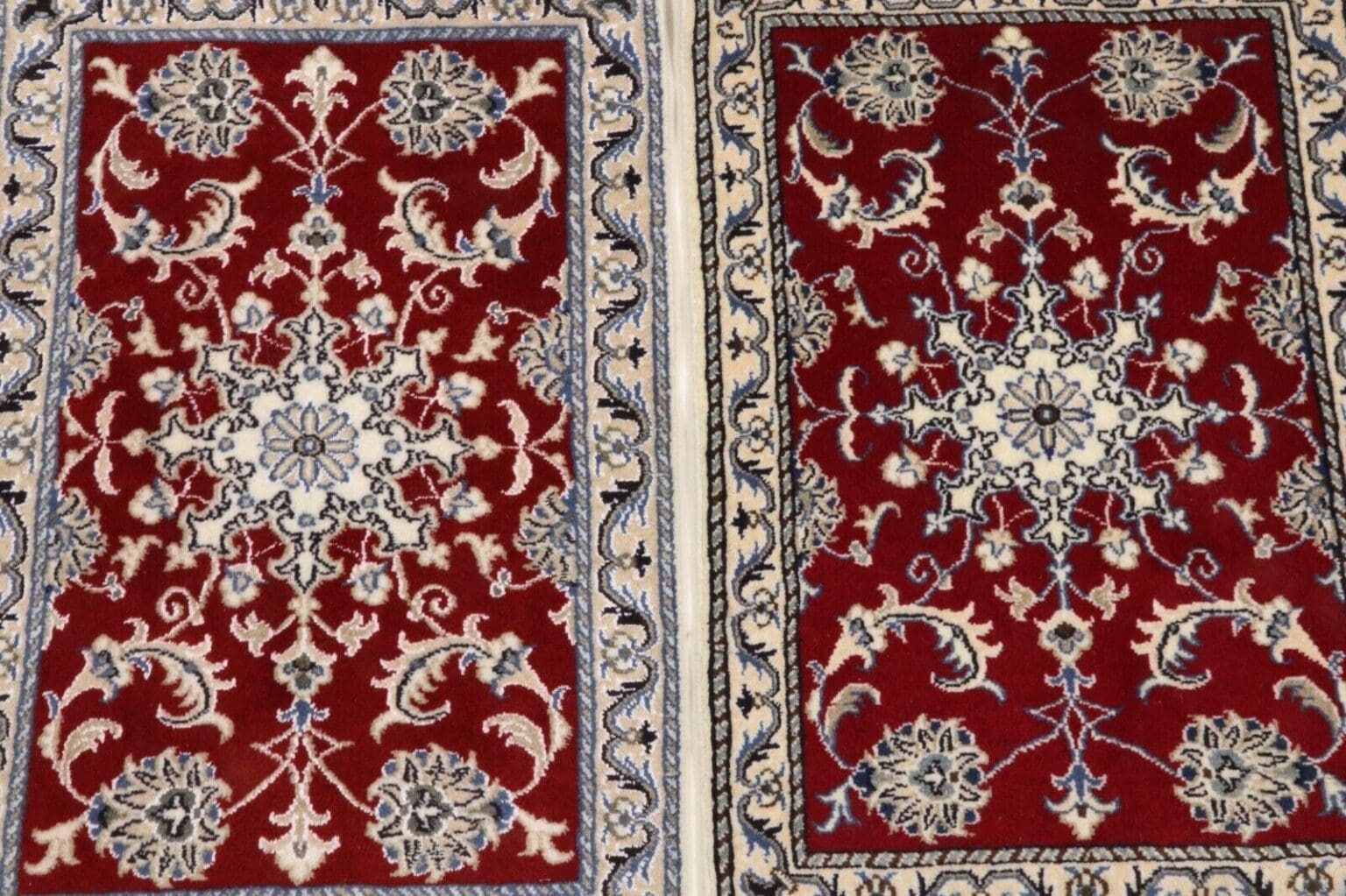
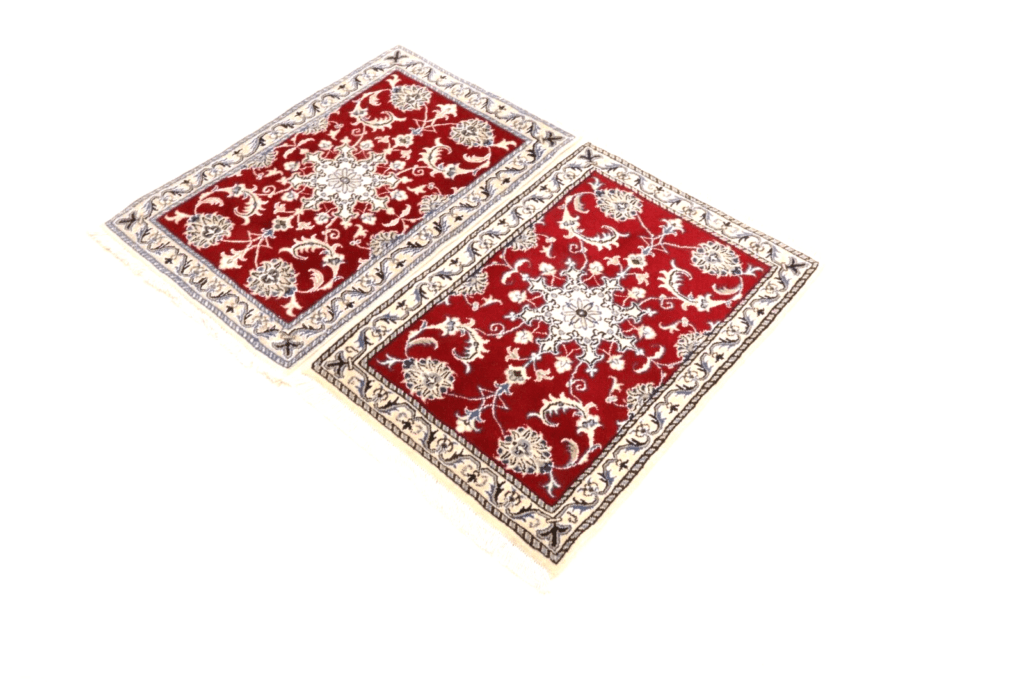
The design of this Nain rug is described through the elegant and orderly language associated with the region. Nain patterns commonly feature intricate floral arrangements and geometric structures. Floral ornament may include scrolling forms, leaves and blossoms arranged in a carefully balanced composition. Geometric patterning can appear in the structure of the field, the organisation of the border or the framing of individual motifs.
The colour approach associated with Nain rugs often uses soft and neutral tones. Such a palette places emphasis on the clarity of the drawing and allows the fine details to remain legible without relying on strong contrasts. The silk content can add a subtle surface variation, making parts of the design appear brighter as they catch the light. This effect is a property of the material and the way the pile reflects illumination.
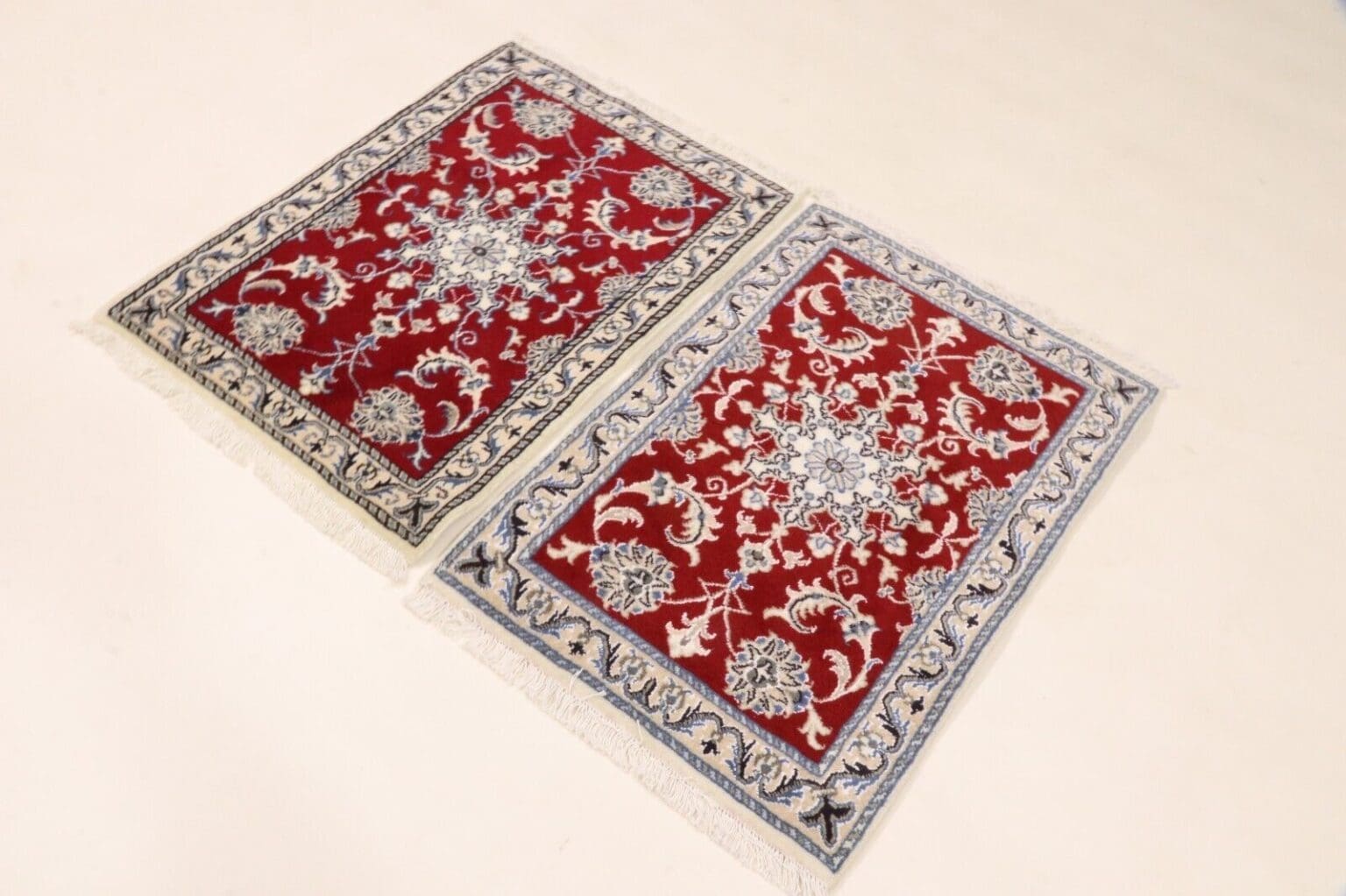
The impressionistic quality described for the rug comes from the interaction between dense knotting, fine ornament and changing light. From one viewing angle, a colour may appear more concentrated; from another, the surface may show a lighter or more subdued impression. This is not a change to the pattern itself, but a visual effect created by the direction of the pile, the silk highlights and the arrangement of the colours.
Regional Nain designs are usually planned with a clear relationship between the central field and its surrounding borders. The field carries the principal rhythm of the composition, while the border gives the edges definition and visual structure. Floral details can be repeated to create continuity, or arranged to guide the eye toward a central emphasis. Geometric forms provide another way to establish rhythm through symmetry, repetition and controlled spacing.
Because this rug is hand-knotted, the design is not mechanically reproduced. The knotter translates the planned motif into the foundation one knot at a time. Minor differences in drawing and colour are therefore consistent with the technique. They give the individual rug its own visual character while keeping it within the established Nain tradition. The result is a finely detailed composition with a calm, neutral presentation and the nuanced surface response of wool combined with silk.
Special Features
A defining feature of this rug is its high knot density of approximately 300000 knots per square metre. The dense construction supports a detailed pattern and contributes to the rug’s robust and durable character. It also helps the motifs appear more precisely drawn. The combination of close knotting and handwork is particularly relevant to the fine appearance traditionally associated with Nain rugs.
Nain rugs are known for resistance to wear and soiling. This quality makes them suitable for areas that are used frequently, provided that they receive appropriate care. Regular vacuuming helps remove dust and loose dirt. A vacuum cleaner without a rotating brush head is recommended so that the fibres and the hand-knotted surface are treated gently.
For heavier soiling, professional cleaning is recommended. Specialist treatment helps protect both the fibres and the colours. The rug’s individual variations in pattern and colour are part of its hand-knotted character, while the wool and silk combination provides its particular balance of softness, resilience and sheen.
FAQ
How should I clean this Nain rug?
Vacuum the rug regularly to remove dust and dirt, ideally with a vacuum cleaner that does not have a rotating brush head. For heavier soiling, professional cleaning is recommended. Specialist cleaning helps preserve the fibres and colours and is preferable to treatment that could place unnecessary stress on the hand-knotted surface.
Where do Nain rugs come from?
Nain rugs come from the Nain region in Iran. The region is known for high-quality hand-knotted rugs made by experienced craftspeople. Its established design tradition commonly includes floral motifs and geometric patterns, often presented in finely detailed compositions with soft or neutral colour relationships. The tradition has roots in the nineteenth century and has continued to develop while retaining classical elements.
How does a hand-knotted rug differ from a machine-made rug?
A hand-knotted rug is made individually by placing knots by hand and building the pile through the work of the knotter. This makes each piece unique and allows small variations in pattern and colour. Hand-knotted rugs can also present high knot density, detailed designs and a durable construction. Machine-made rugs are produced mechanically and generally offer less individual variation and, in many cases, fewer details and less durability than a hand-knotted rug such as this Nain.
To provide the best experiences, we use technologies like cookies to store and/or access device information. Consenting to these technologies will allow us to process data such as browsing behavior or unique IDs on this site. Not consenting or withdrawing consent, may adversely affect certain features and functions.
Functional Always active
The technical storage or access is strictly necessary for the legitimate purpose of enabling the use of a specific service explicitly requested by the subscriber or user, or for the sole purpose of carrying out the transmission of a communication over an electronic communications network.
Preferences
The technical storage or access is necessary for the legitimate purpose of storing preferences that are not requested by the subscriber or user.
Statistics
The technical storage or access that is used exclusively for statistical purposes.The technical storage or access that is used exclusively for anonymous statistical purposes. Without a subpoena, voluntary compliance on the part of your Internet Service Provider, or additional records from a third party, information stored or retrieved for this purpose alone cannot usually be used to identify you.
Marketing
The technical storage or access is required to create user profiles to send advertising, or to track the user on a website or across several websites for similar marketing purposes.
 SECURE PAYMENT
 SHIPPING PARTNERS


