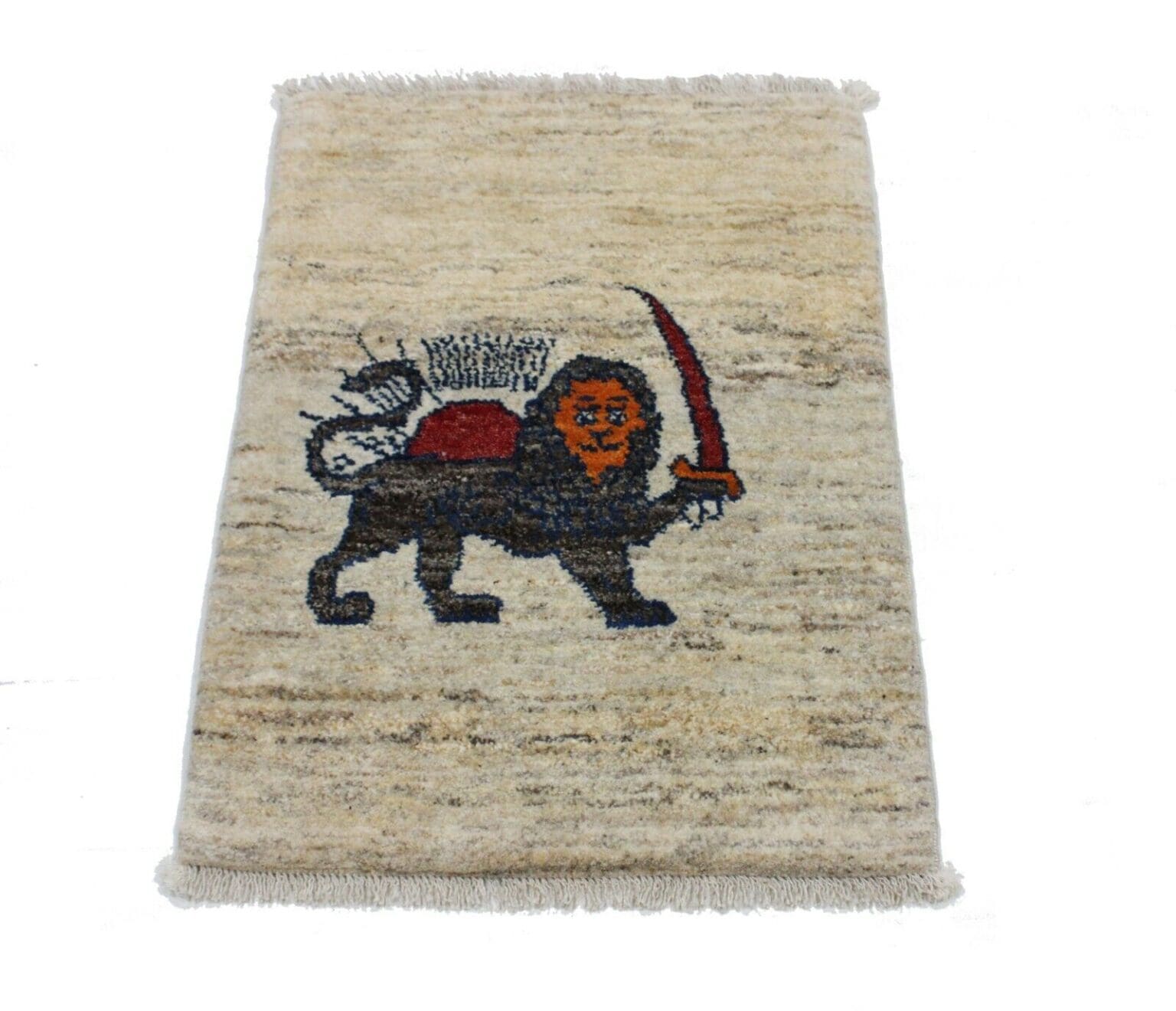
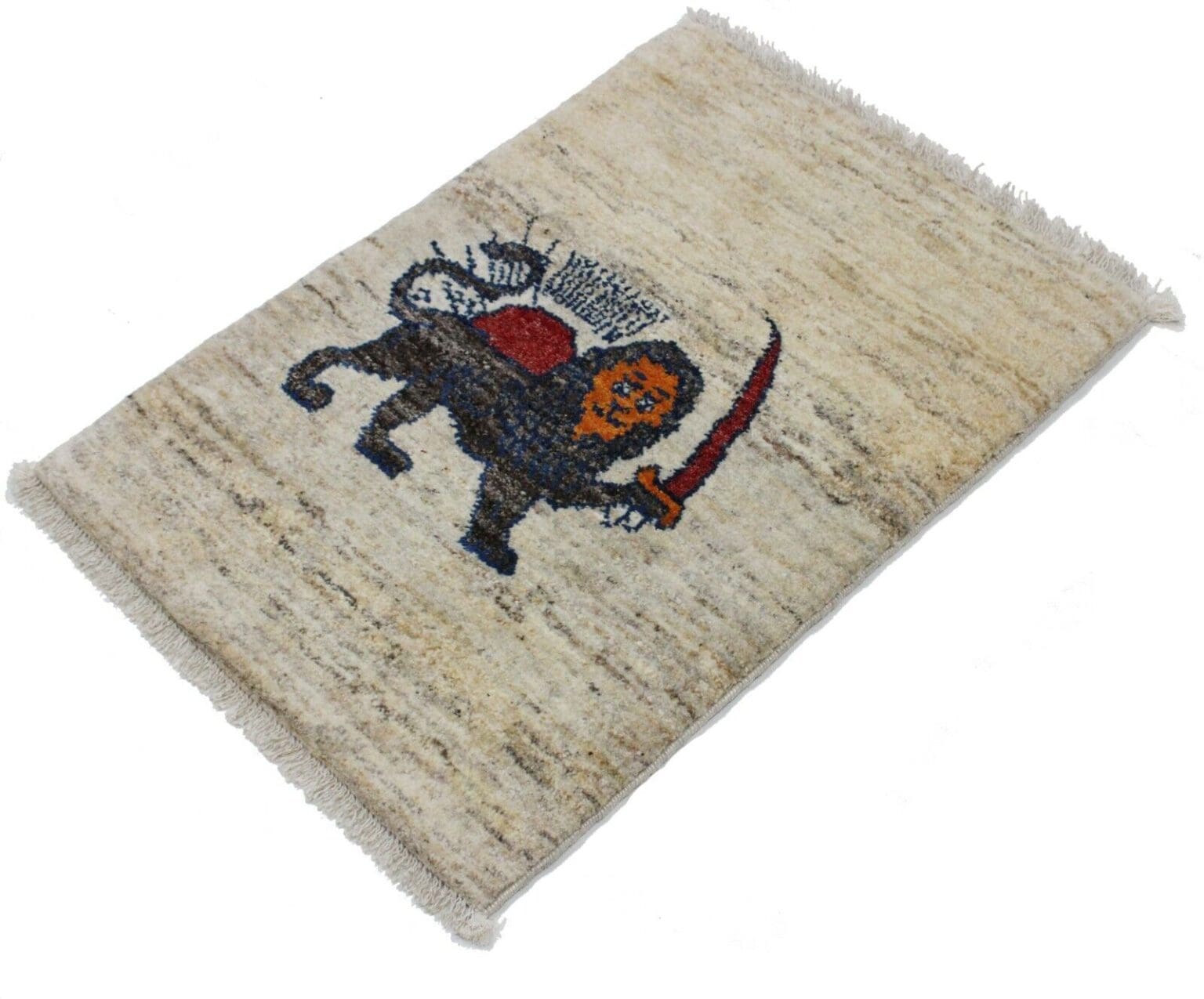
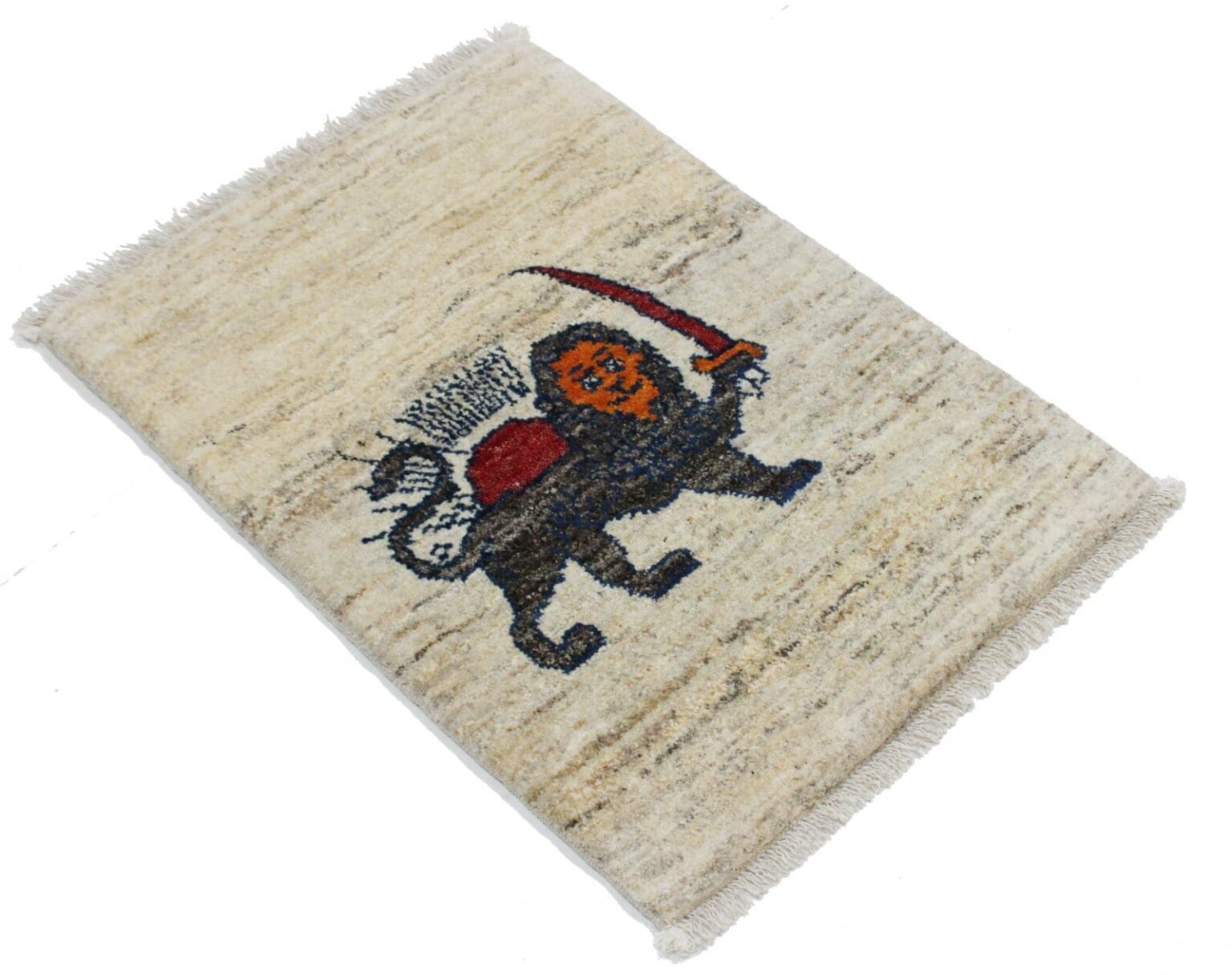
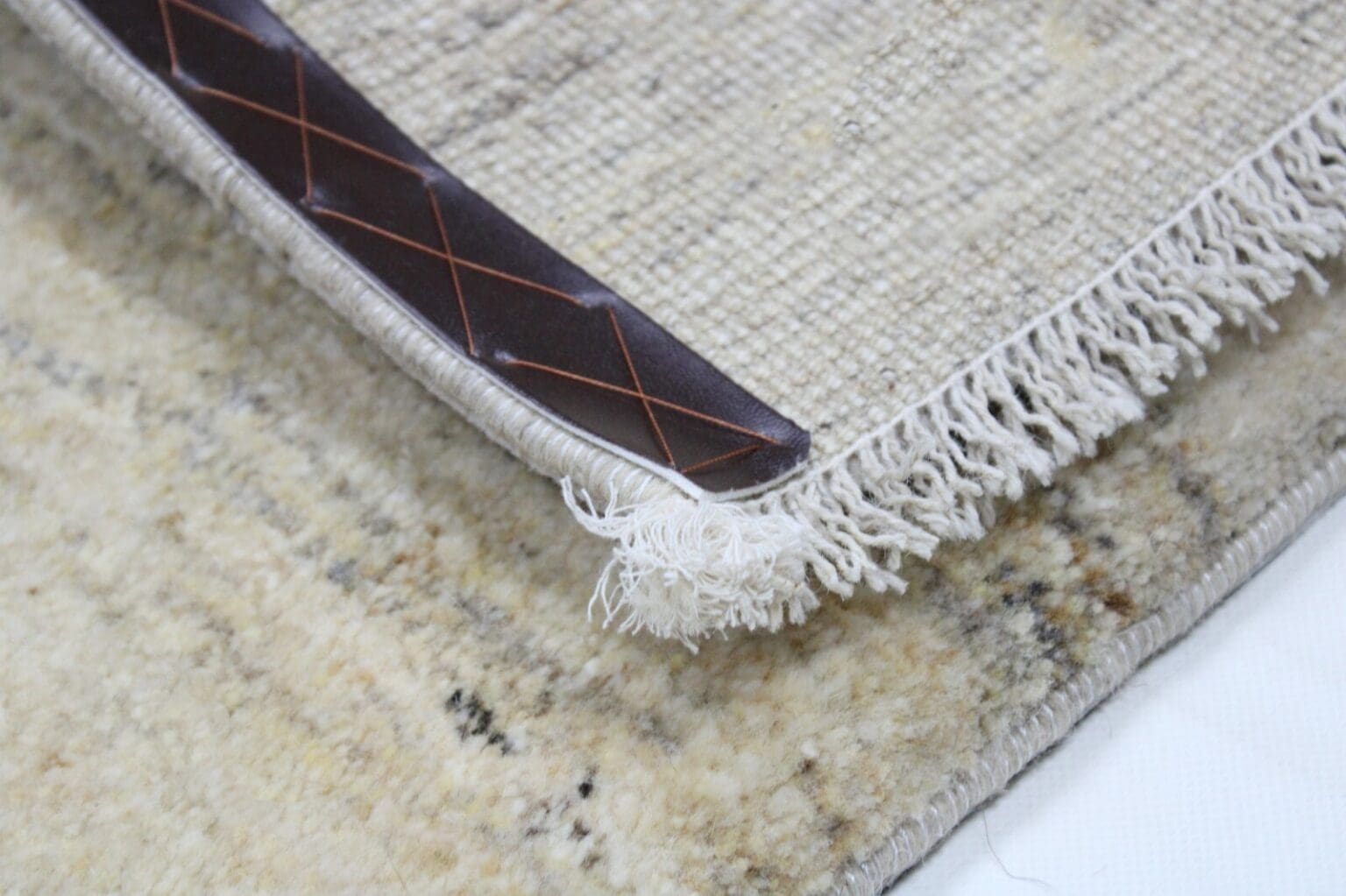
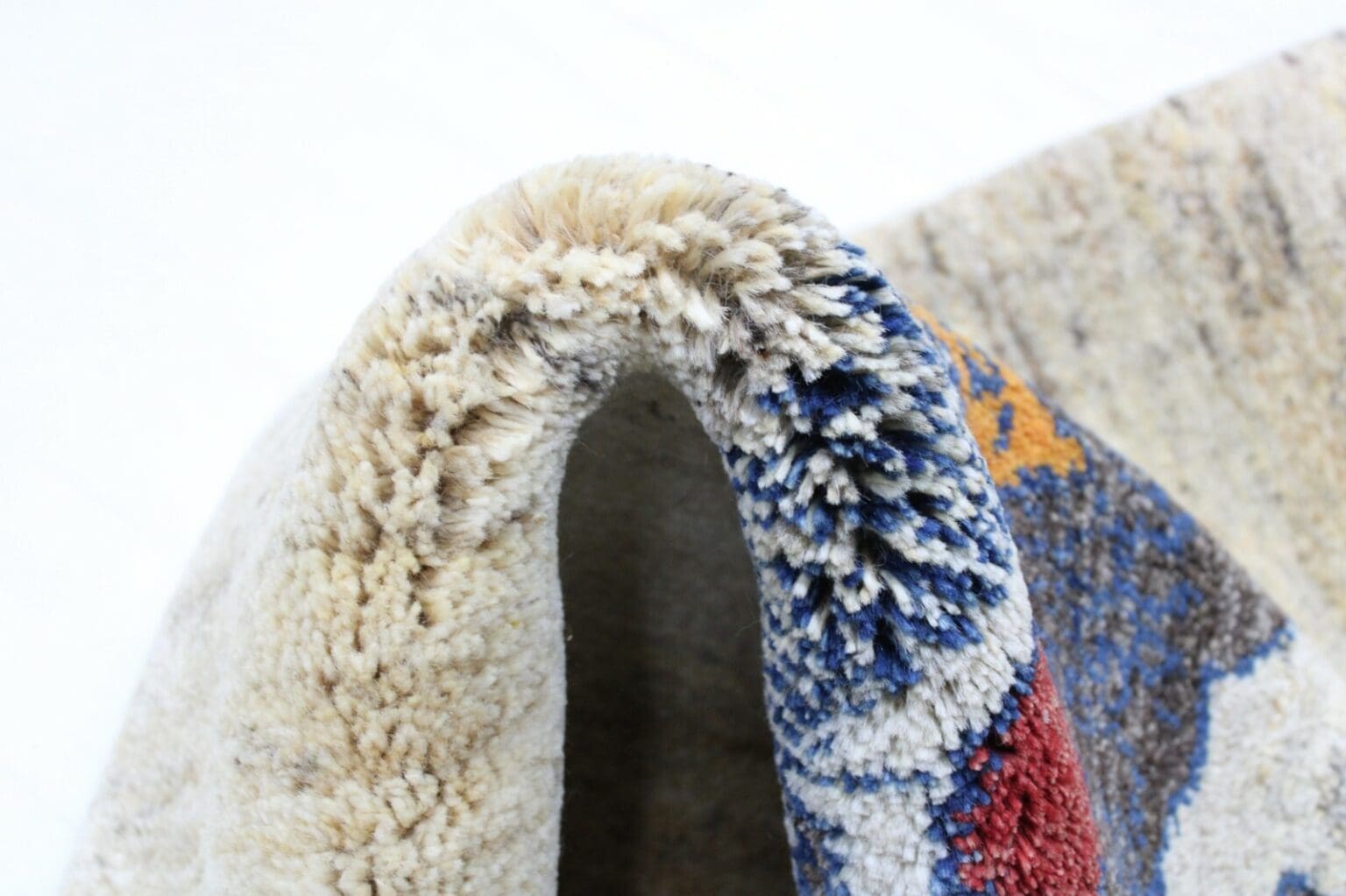
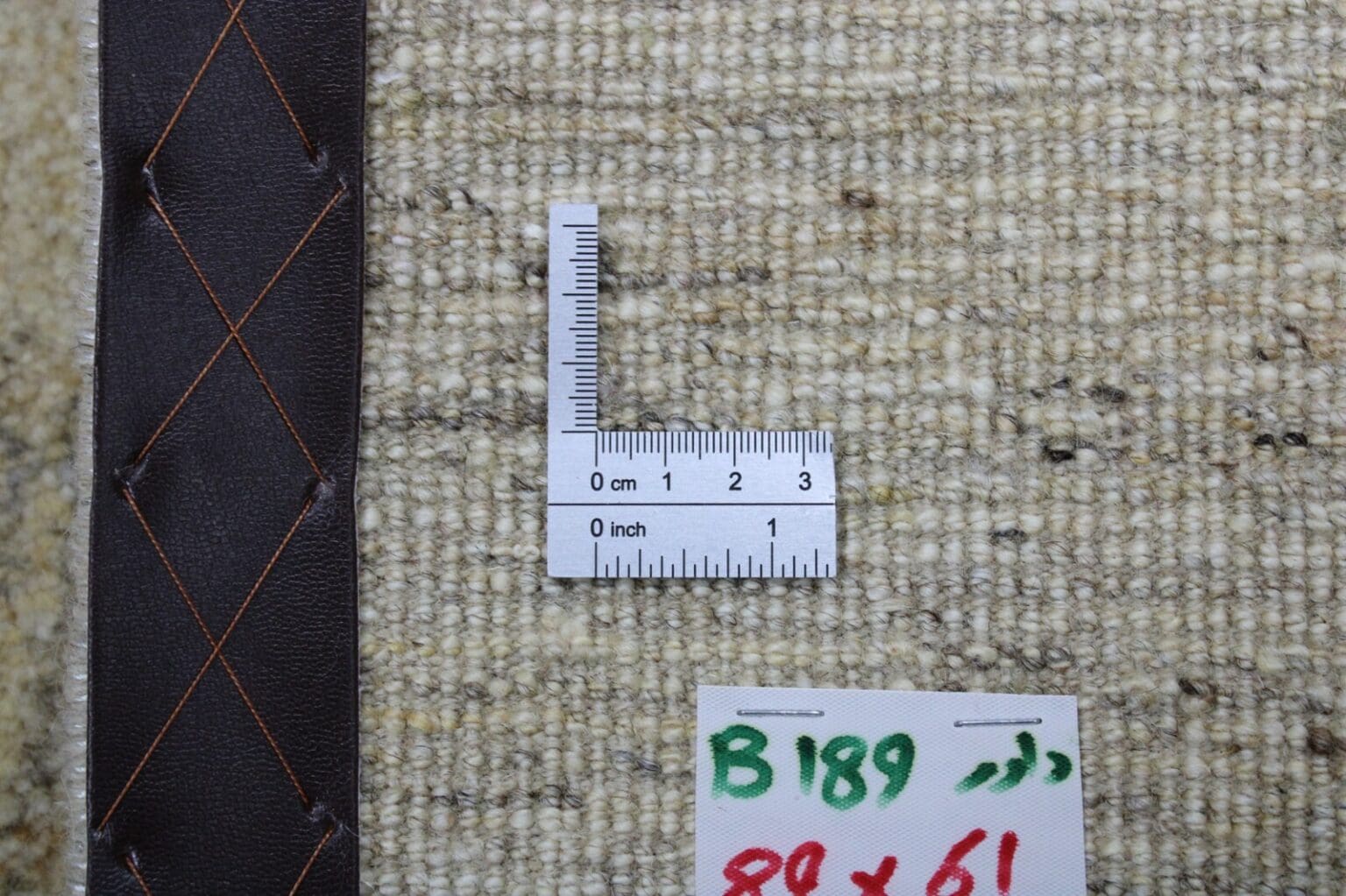
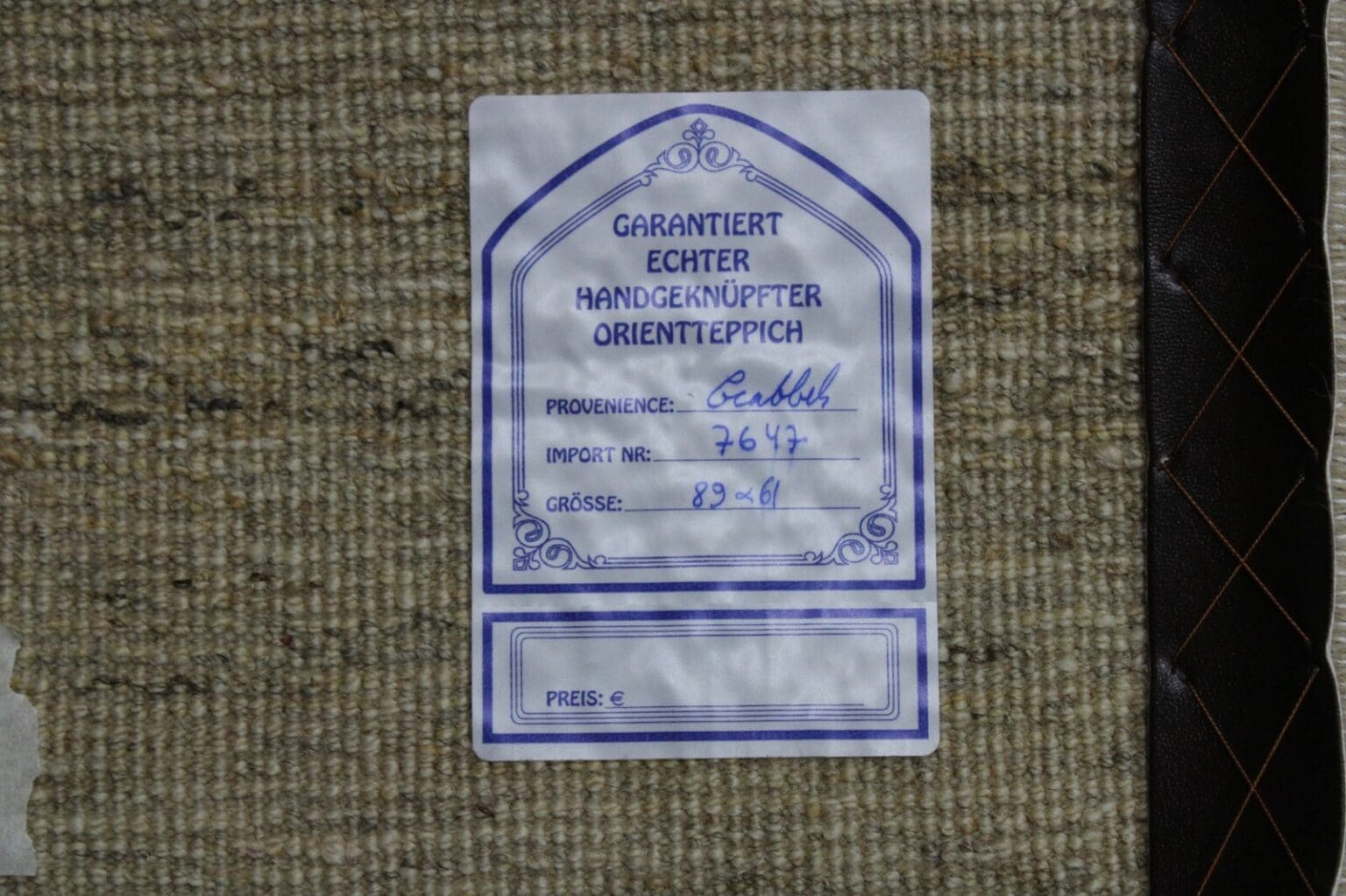
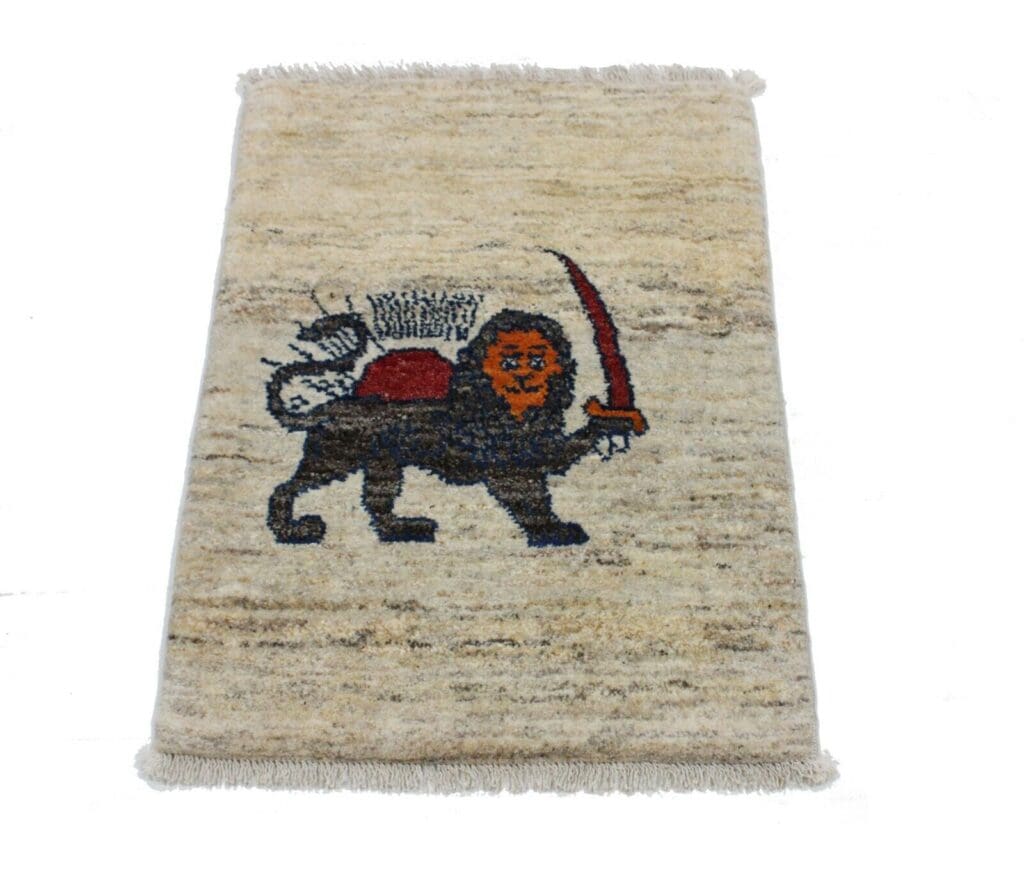
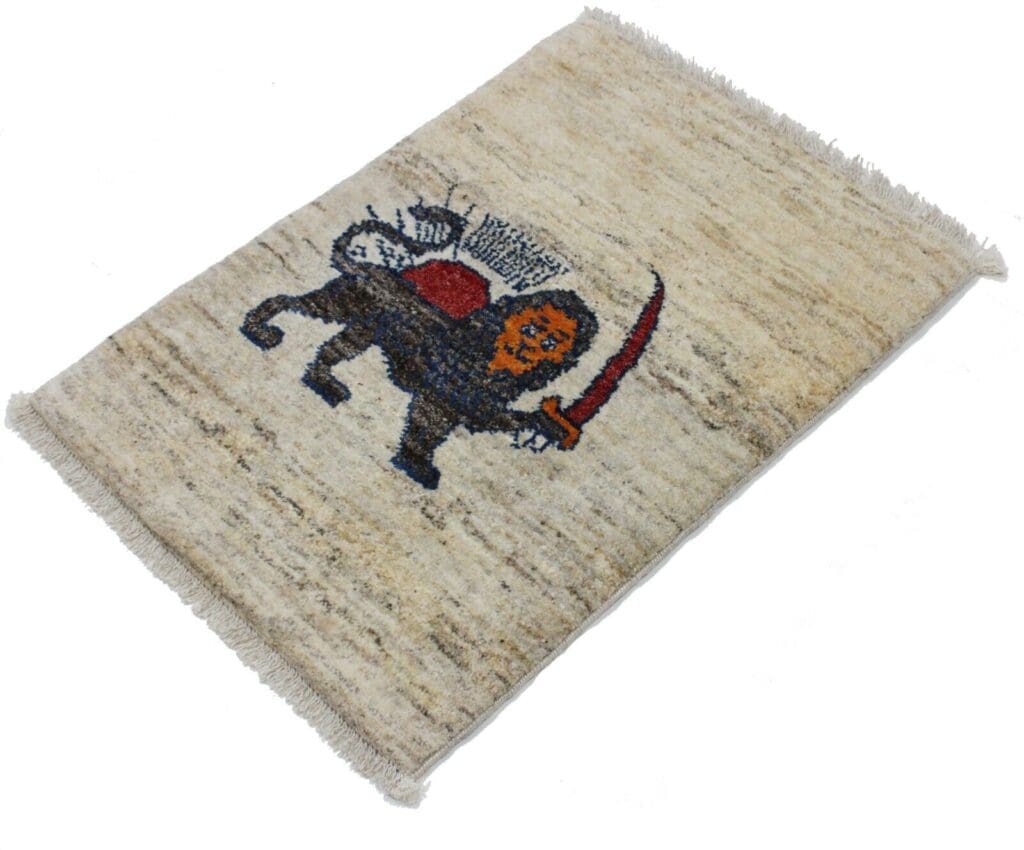
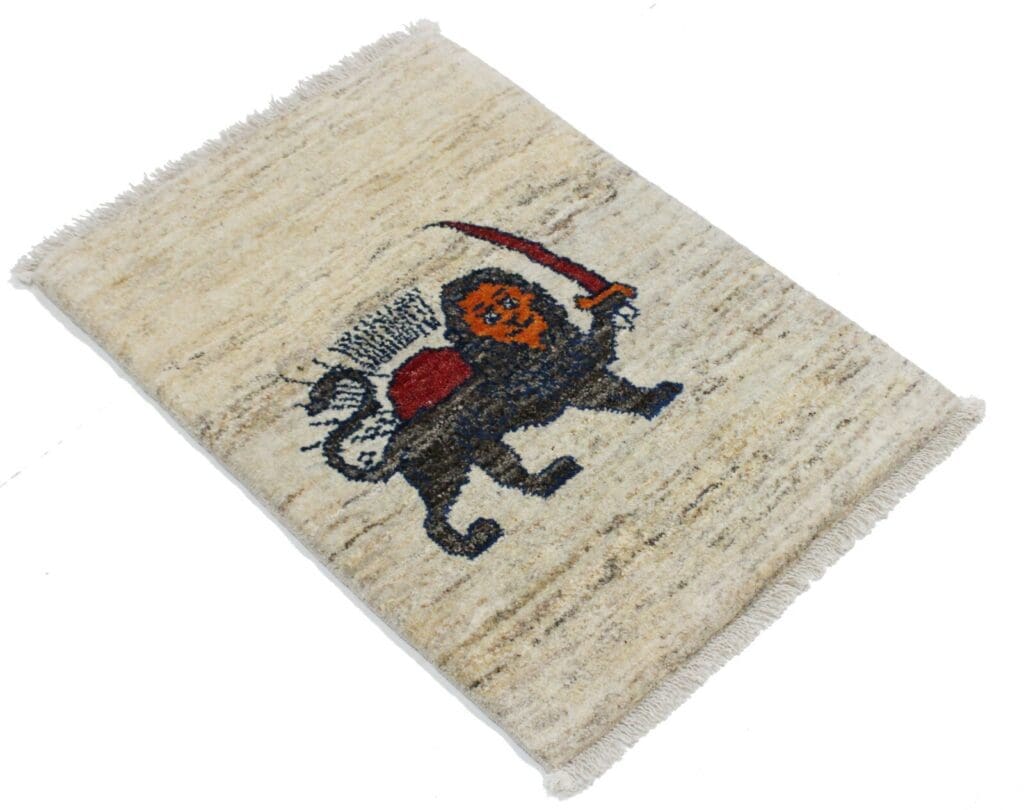
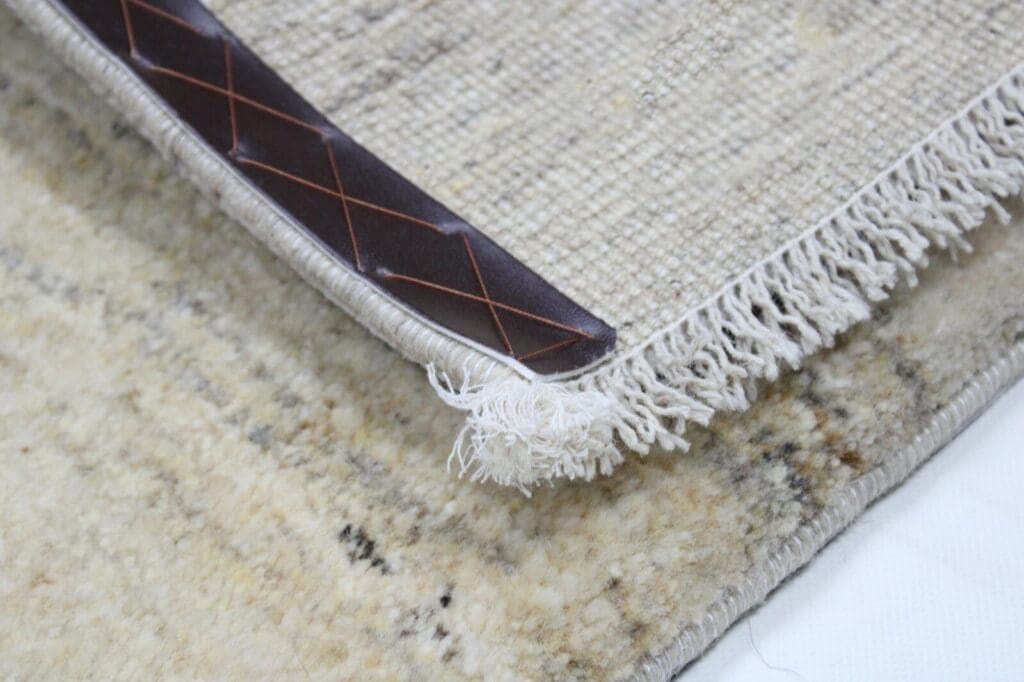
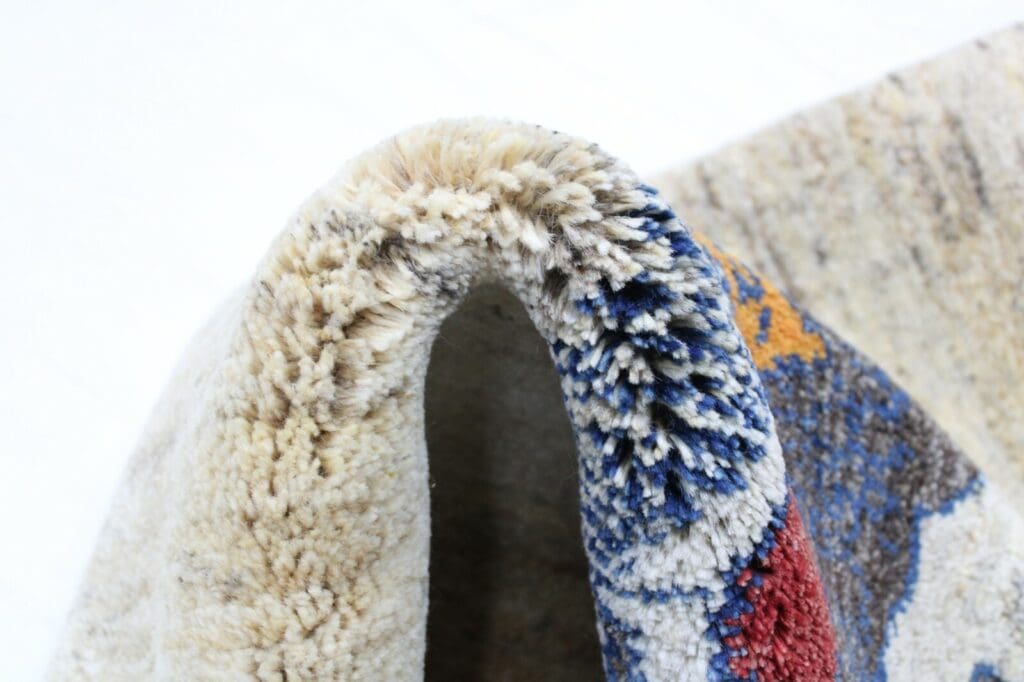
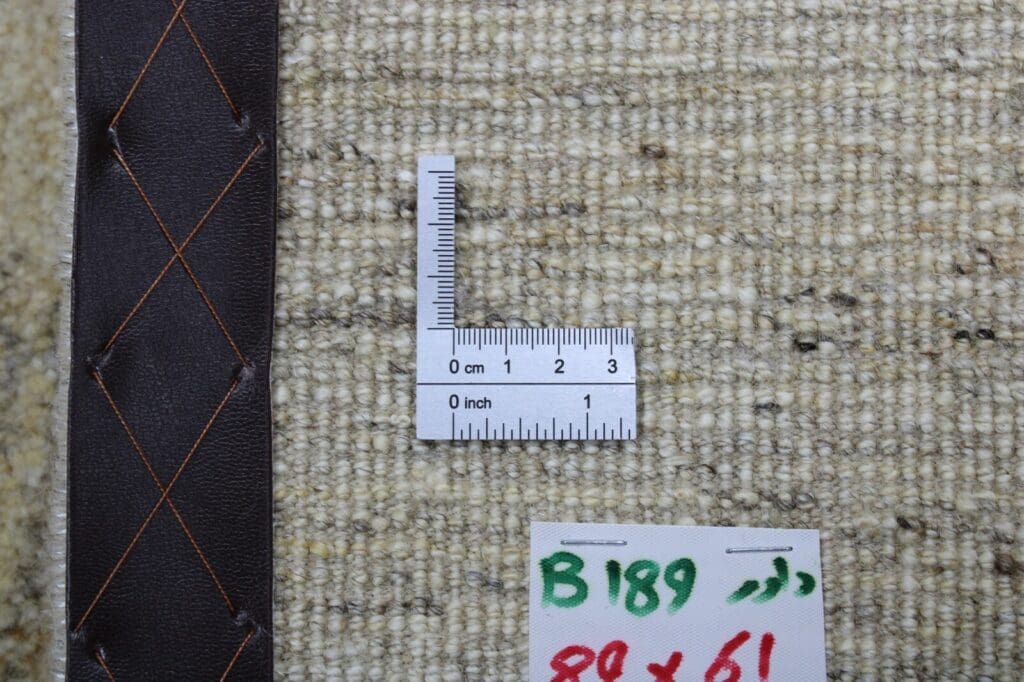
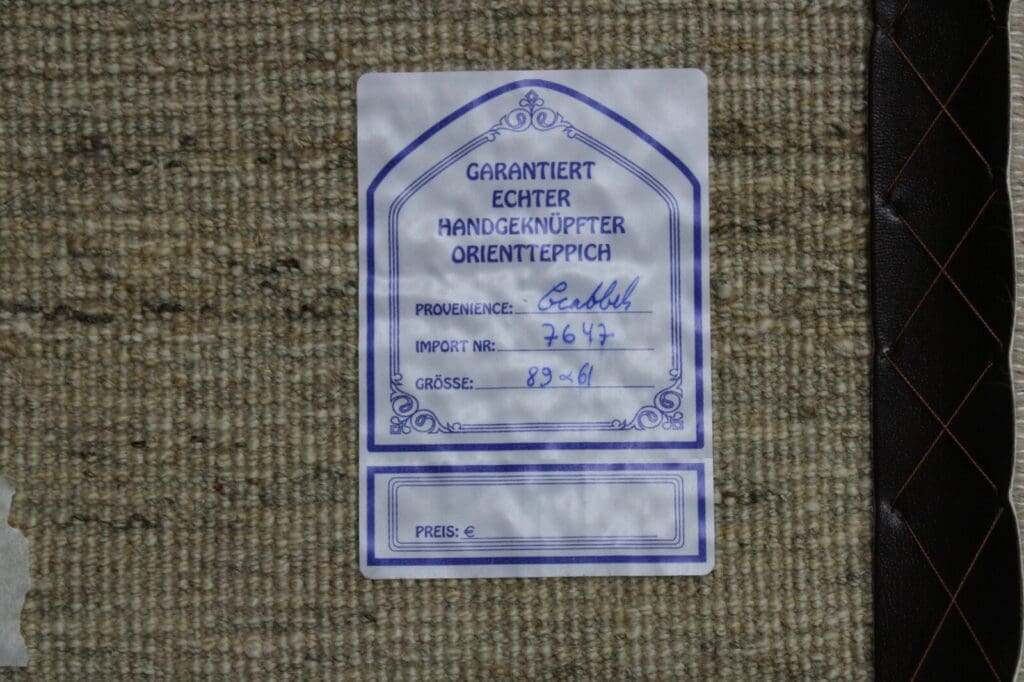
Persian Rug Gabbeh Qashqai 89 x 61 cm Wool Hand-knotted
€ 521
Hand-knotted Gabbeh Persian Rug | Knot density: Hand-knotted | Material: Wool pile | Size: 89 cm x 61 cm | Pattern: Oriental | Condition: New without tag
1 available
- ✓Free Shipping in EU
- ✓2-5 Business Days Delivery
- ✓14-Day Return Policy
- ✓Worldwide Shipping on request
 SECURE PAYMENT
 SHIPPING PARTNERS
Inventory number: C0027084
Description
Gabbeh Persian Rug
Material and Craftsmanship
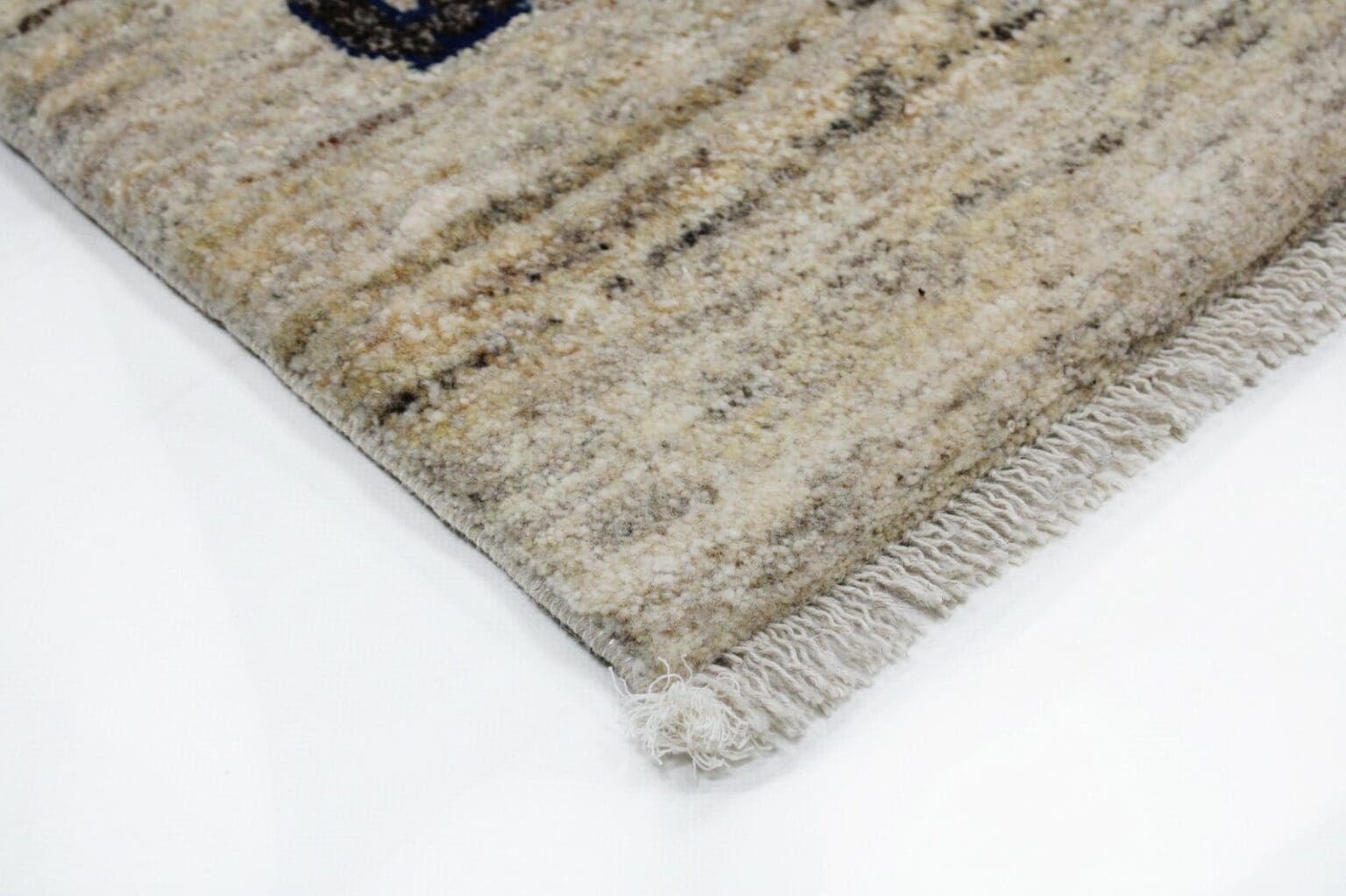
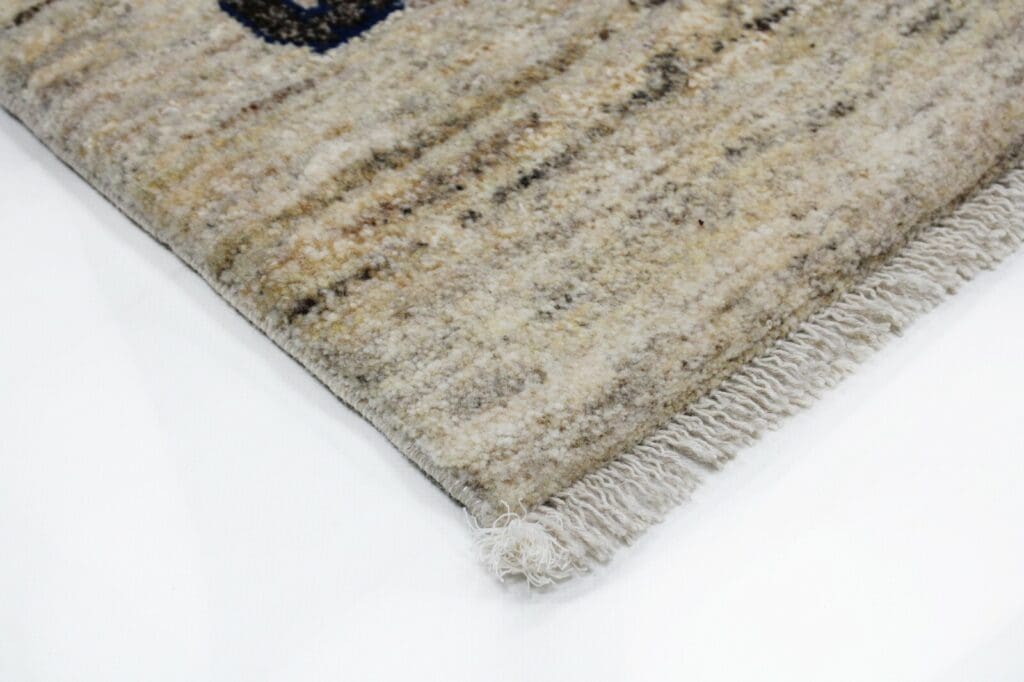
This Gabbeh Persian rug is hand-knotted and has a pile made from high-quality wool. With hand knotting, each knot is inserted individually into the textile foundation. The rug is therefore defined by a manual making process rather than by machine production in large quantities. Wool forms the visible pile of this piece and gives its surface its stated material character.
The rug has a high-pile construction. A high pile creates a clearly tactile, fuller surface and differs from a flat-woven Kilim. In this piece, the hand-knotted structure and the high pile belong together: the knots create the pile, while the pile height makes the surface perceptible both visually and by touch. The shape is specified as rectangular.
The condition is stated as new without a tag. This describes the offered rug and also makes clear that no tag is present. The rug is additionally described as suitable for underfloor heating. When it is used over underfloor heating, the instructions of the relevant heating and flooring manufacturers should still be followed, especially those concerning a stable and even placement.
Origin and Tradition
The rug is described as a Persian rug and as Gabbeh Ghashghai. Persian rugs belong to the Iranian carpet tradition, in which different weaving and knotting centres developed their own approaches to colour, construction and pattern over many generations. Gabbeh refers to a carpet type traditionally associated with a direct, uncluttered design and a pronounced pile. The name Ghashghai connects this type with a cultural and craft tradition often associated with Gabbeh carpets.
Within Persian carpet culture, knotting is more than a way to produce a floor covering. It is a textile craft in which material, knot structure, pile and pattern are brought together through learned practice. Hand-knotted rugs are built knot by knot. The process and the final surface depend on the experience of the maker, the yarn and the intended construction. Gabbeh carpets are traditionally recognised for a clear, readily understood visual language and a pile with a substantial presence.
The Iranian carpet tradition includes many different forms. Finely drawn urban carpets, geometric nomadic carpets and simpler Gabbeh designs belong to the same broad cultural history, while differing considerably in structure and appearance. Within this range, Gabbeh is associated with a less crowded visual arrangement. Its effect does not necessarily depend on a very high concentration of motifs, but on the relationship between open areas, colour, outlines and pile.
The Ghashghai tradition is connected with mobile and semi-nomadic ways of life in south-western Iran. Textile work in these communities was made across generations as a practical object and as an expression of local design. Motifs could draw on everyday surroundings, nature and inherited signs, often rendered in simplified form. Knowledge of the craft was commonly passed on within families and communities, keeping the process closely tied to practical experience and regional tradition.
Persian rugs are also distinguished by origin, construction and pattern tradition. Names such as Isfahan, Tabriz and Kurdistan refer to different regional contexts and should not be assigned to this rug without a corresponding source statement. Here, the relevant designation is Gabbeh Ghashghai. It identifies the named type and tradition; a motif alone does not establish a different province of origin.
Design and Pattern
The pattern of this rug is specified as Oriental. Its style is also described as traditionally Persian and Oriental. These terms place the design within a Persian and Oriental pattern tradition, but they do not identify one particular motif or a specific colour combination. The actual colours and individual symbols of the rug are therefore not described in further detail here.
As a carpet type, Gabbeh is often associated with a reduced visual language. Rather than relying on densely worked floral compositions, a design may give greater emphasis to broad fields, distinct outlines and simplified figures. Geometric elements, stylised plants, animals or human figures can occur in the Gabbeh tradition. These are examples of typical possibilities within the type, not additional claims about the individual rug.
A simple Gabbeh design is not made without planning. Even a restrained drawing requires attention to proportion, repetition and the distribution of areas while the rug is being knotted. The visual effect is closely related to the pile. A higher pile can soften the appearance of outlines and give a simplified design a tactile depth. In flatter constructions, lines and contours tend to appear more immediate.
Oriental pattern traditions often organise a relationship between a ground field and the signs placed within it. A central motif, a repeated border or a more freely arranged drawing can guide the way a design is read. Gabbeh frequently adapts such principles in a simplified manner. This can make the pattern legible beside both traditional furnishings and restrained modern interiors. That observation concerns the pattern tradition, not a claim about any particular room or arrangement.
Oriental is a general pattern description rather than a detailed inventory of ornaments. The precise information for this offering therefore remains: it is a Gabbeh Ghashghai with an Oriental pattern and a traditionally Persian and Oriental style. The product information does not specify whether the individual design contains geometric, floral or figurative details, so no such detail is added.
Special Features
The explicitly stated features are the hand-knotted construction, a pile of high-quality wool, the high-pile finish and the rectangular shape. The rug is new without a tag and suitable for underfloor heating. These points summarise the special characteristics of the piece without adding properties that have not been stated.
The combination of the Gabbeh designation, hand knotting and high pile places this rug within a distinctly tactile carpet form. Wool is the specified pile material. The description new without a tag records the condition exactly as given for this offering. No information is provided about age, a signature, repairs or signs of use, so none of those details is added.
FAQ
How should I care for my Persian rug?
Regular vacuuming is suitable for the care of this hand-knotted Gabbeh. The surface should not be treated unnecessarily aggressively, so that the high pile remains protected during routine cleaning. Occasional professional cleaning can supplement everyday care. Direct sunlight should be avoided because it can cause colour changes. When arranging professional cleaning, it is useful to mention the hand-knotted construction, wool pile and high-pile surface. Since the rug is described as suitable for underfloor heating, it should also lie securely and evenly. Its rectangular shape allows it to be aligned clearly in a room.
What is the difference between hand-knotted and machine-made Persian rugs?
A hand-knotted Persian rug is made knot by knot by hand. Each piece is therefore individual and is often a one-off. With a machine-made rug, a machine carries out the repeated production process, allowing larger quantities to be manufactured. Hand knotting permits an individual treatment of pile and pattern, while machine production follows standardised procedures. This Gabbeh is specified as hand-knotted. Its high-pile surface and wool pile are also part of the stated characteristics of the offered rug.
Which materials are best suited to Persian rugs?
Wool and silk are regarded as suitable materials for Persian rugs. Wool is used for its durability and can create a firm, resilient pile. Silk is especially soft and can give a rug a lustrous character. For this Gabbeh, high-quality wool is specified as the pile material; silk is not stated for this particular piece. The material influences the surface, handle and appearance. Here, the wool pile is combined with a hand-knotted high-pile construction.
Additional information
| Design Style | |
|---|---|
| Color | |
| Size | |
| Shape | |
| Origin | |
| Material |
Related products

Persian Rug Qashqai 288 x 193 cm Wool Hand-woven
€ 798
Persian Rug Fars 293 x 186 cm Wool Hand-woven
€ 798
Oriental Rug Loribaft 200 x 300 cm Wool Hand-knotted
€ 1800
Oriental Rug Qashqai 292 x 193 cm Wool Hand-woven
€ 798
Persian Rug Gabbeh 250 x 180 cm Cashmere Hand-knotted
€ 1118
Persian Rug Tabriz approx. 350 x 245 cm Wool Hand-knotted
€ 1280
Persian Rug Qashqai 300 x 197 cm Wool Hand-woven
€ 798
Persian Rug Qashqai 284 x 183 cm Wool Hand-woven
€ 798