Persian Rug Fars Gabbeh 178 x 121 cm Wool Hand-knotted
€ 1047
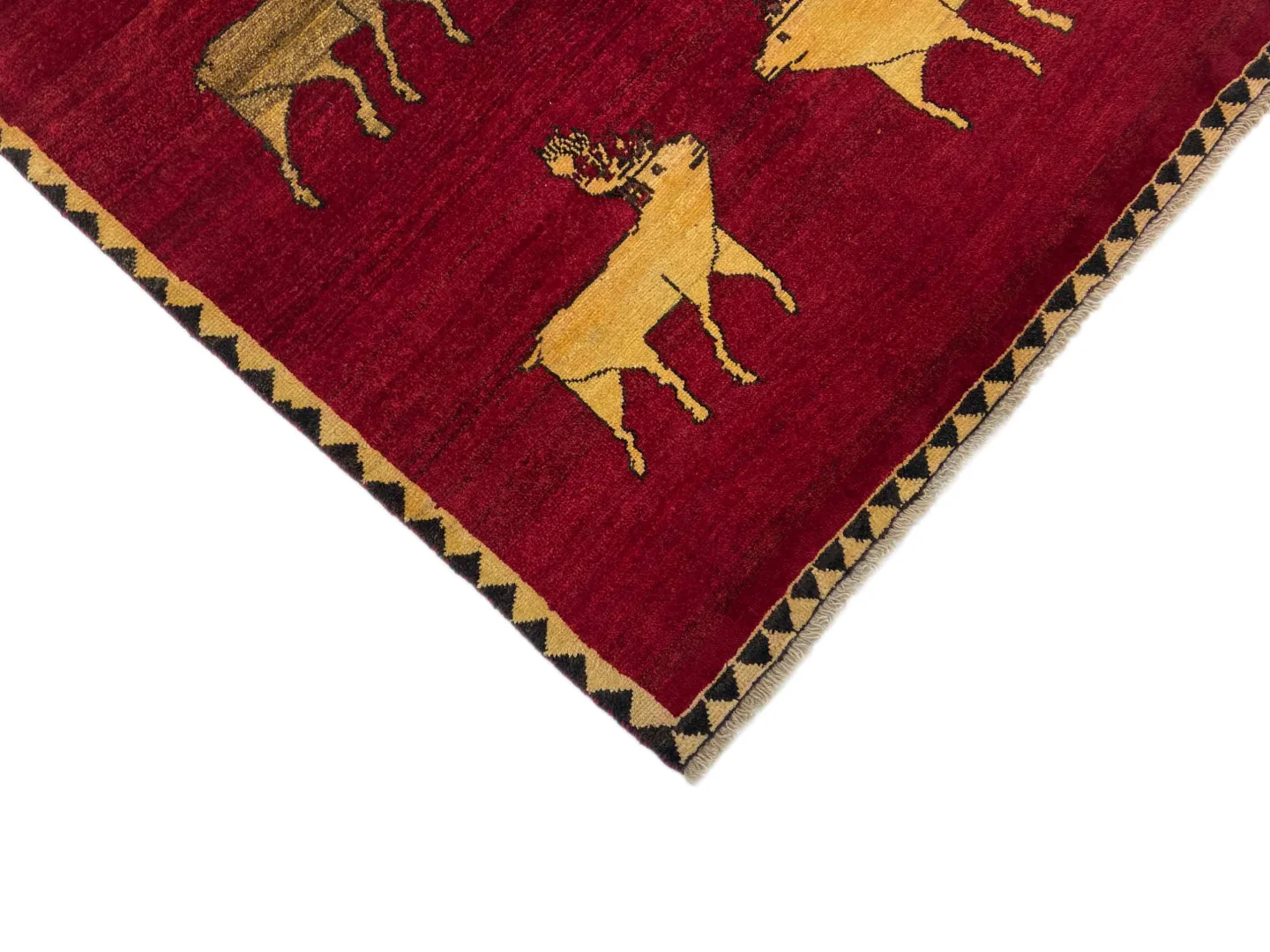
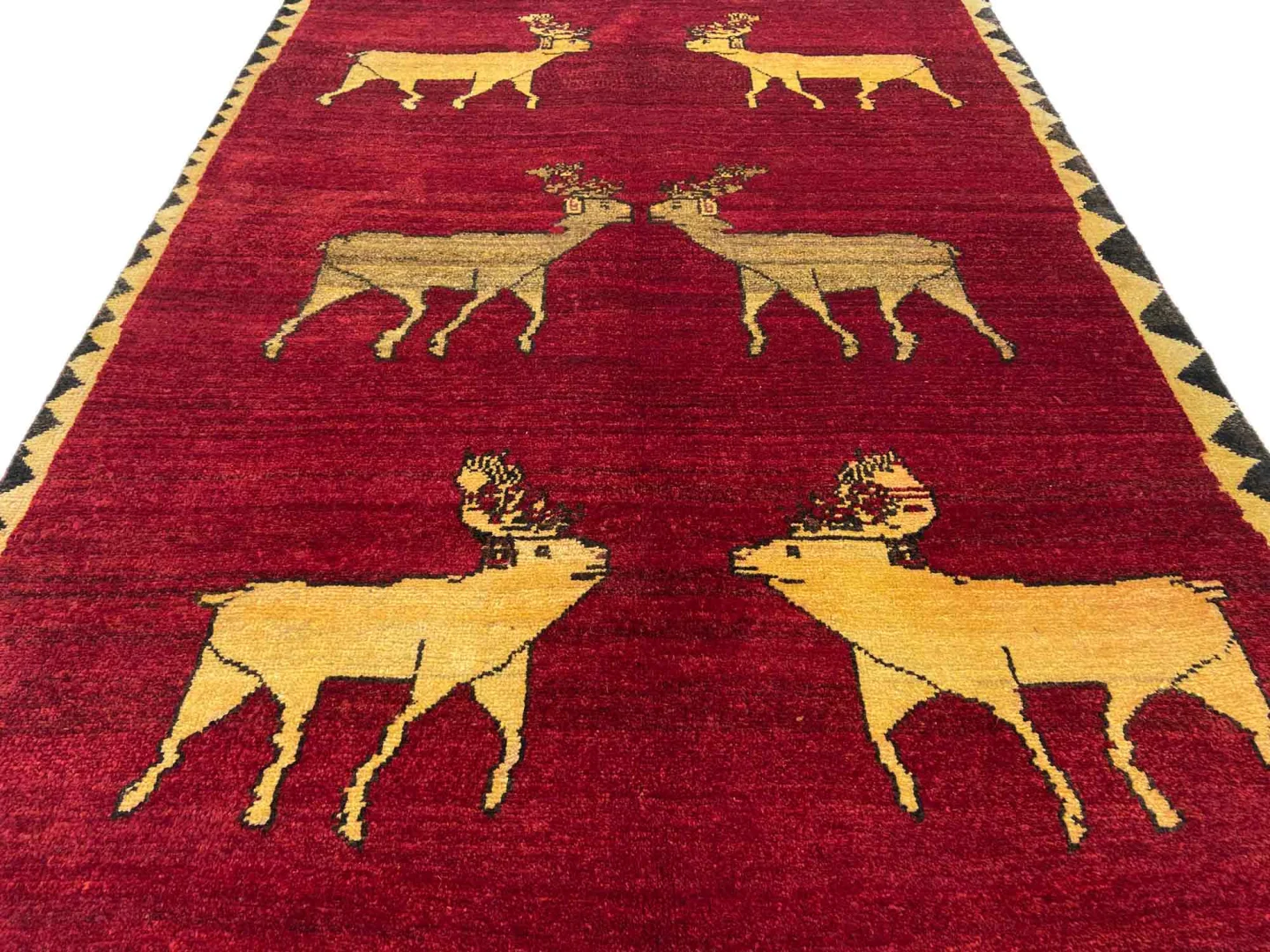
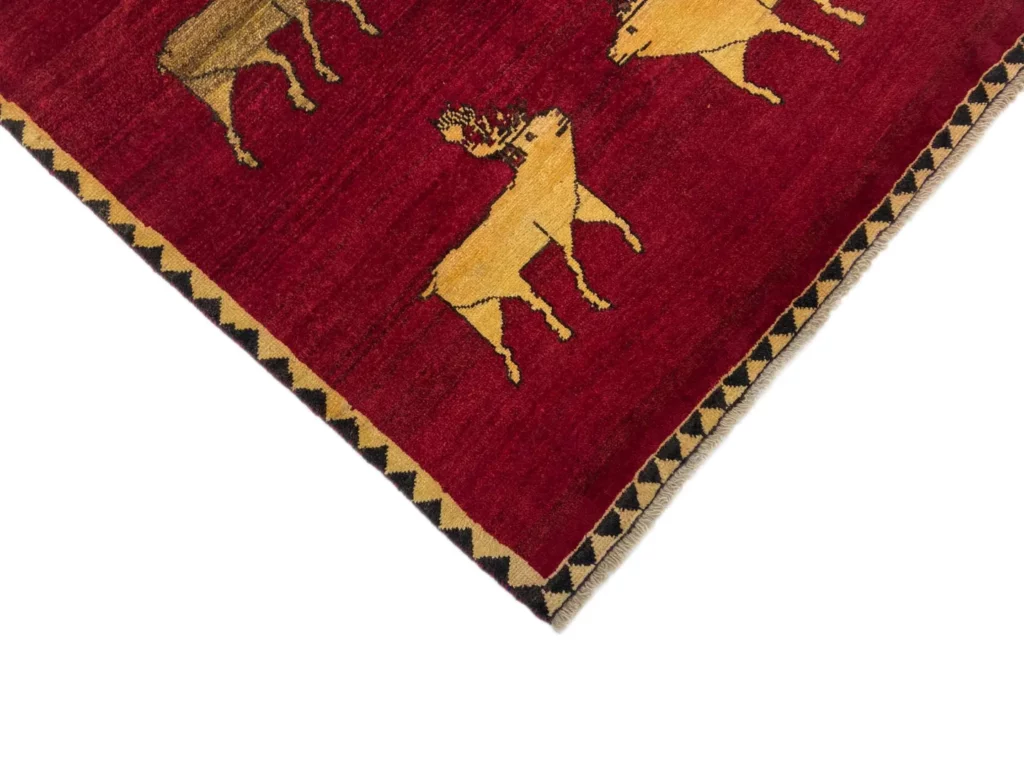
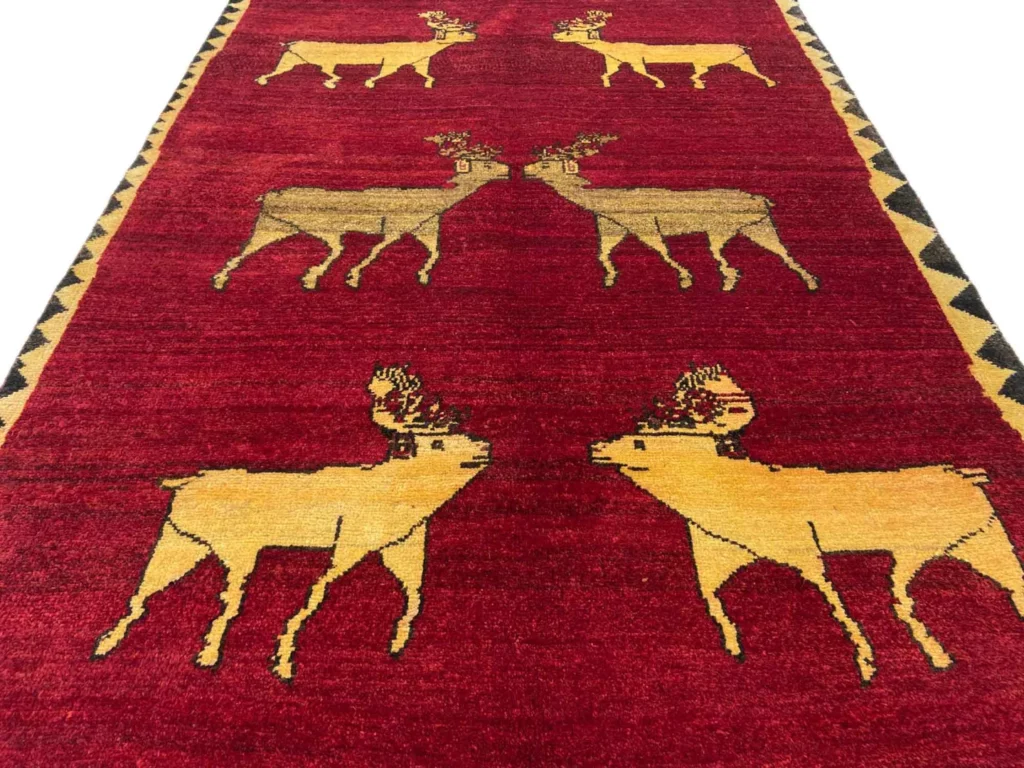
Hand-knotted Fars Persian rug | Knot density: 90,000 – 180,000 knots/m² | Material: pile in high-quality virgin wool | Size: 178 x 121 cm | Pattern: Gabbeh – Shuli with unusual, imaginative designs | Condition: New and unique
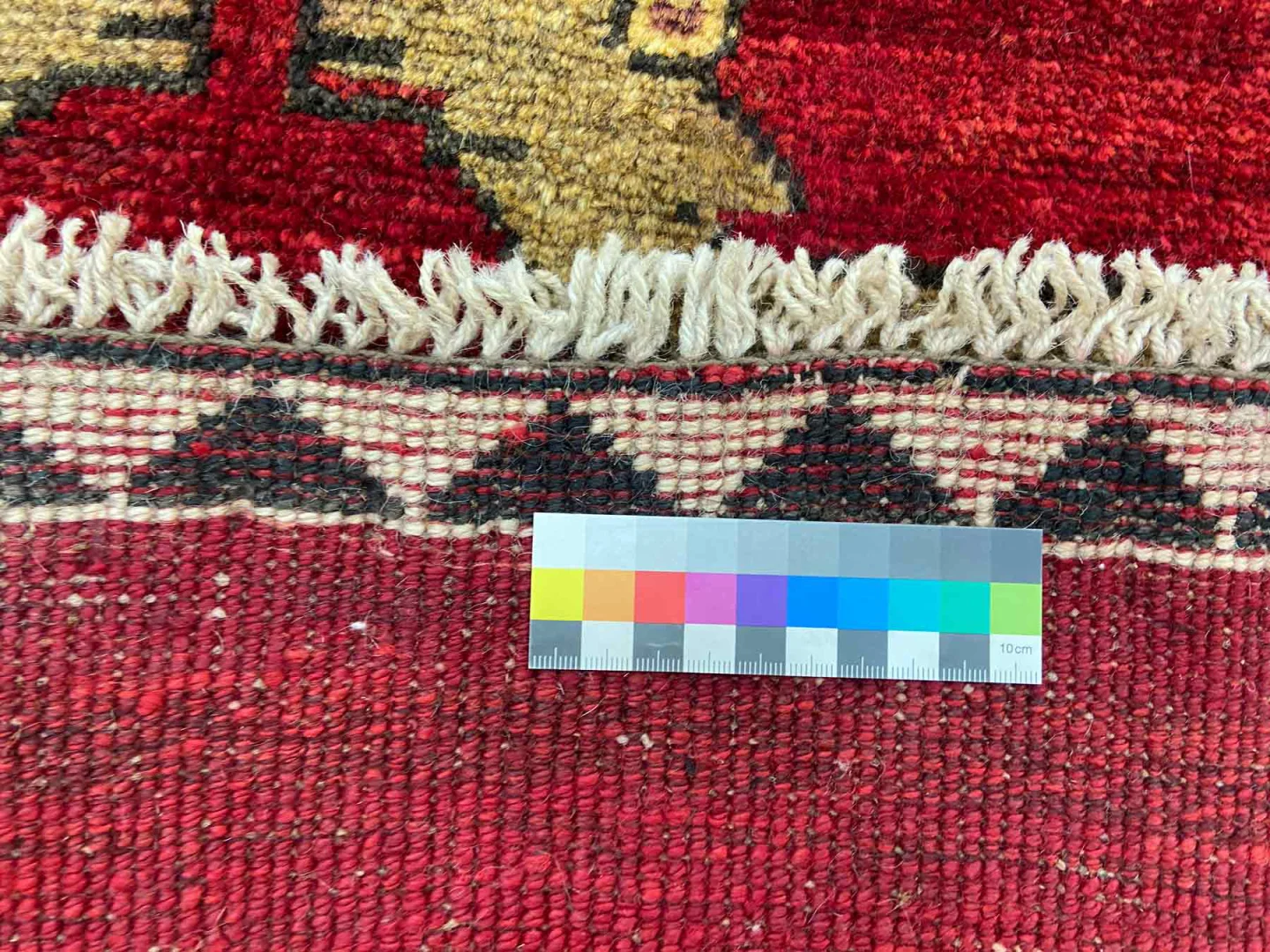
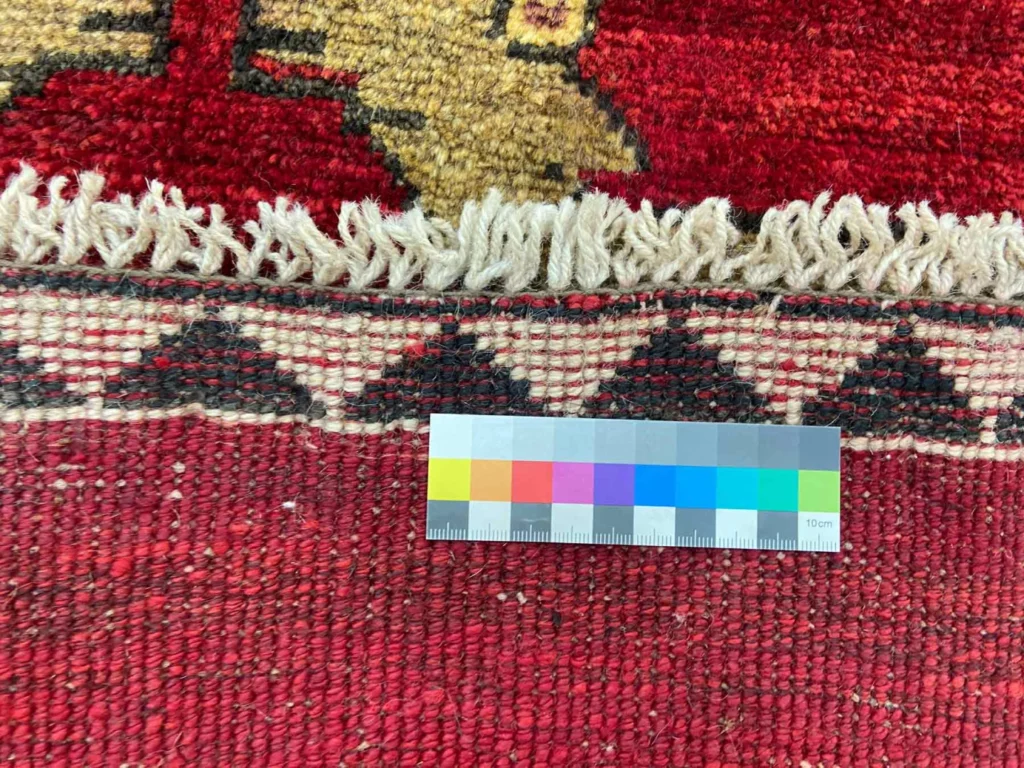
This Gabbeh – Shuli Persian rug is hand-knotted and made from high-quality virgin wool. Hand-knotting combines the selection of yarn with a gradual knotting process. Each knot is placed by hand and incorporated into the developing textile. The design therefore takes shape row by row while the surface acquires its distinctive woven character. The listed knot density ranges from 90,000 to 180,000 knots per square metre. It reflects the detailed knotting work and supports a differentiated rendering of the imaginative design.
Virgin wool is used for the pile of this rug. It is a traditional material in Persian rug making and combines a pleasant handle with a naturally textured surface. Wool accepts colour well and contributes to the effect of the listed palette of red, beige, grey and brown. Its fibre structure gives the pile visual depth without taking away from the individuality of the pattern. The description of high-quality virgin wool identifies the material of this particular rug rather than merely describing its colours.
Handmade production means that the Gabbeh – Shuli design does not come from an industrial printing process. The knotters translate coloured areas and shapes into the textile as they work. Small variations in execution are part of the making of a hand-knotted one-off. This rug is described as new and unique. It is therefore presented as a single newly made piece, not as a serial product reproduced in identical form.
Origin and Tradition
The rug comes from the Fars region of Persia, near Shiraz. Fars is one of the recognised landscapes of Persian rug culture. The region is associated with different nomadic, village and urban weaving and knotting traditions. Rugs from Fars consequently do not follow one single fixed visual formula; they bring together inherited techniques, available materials and individual designs. The Gabbeh – Shuli described here belongs to this Persian regional context and combines its Fars origin with a free and pictorial approach to pattern.
Gabbeh rugs are traditionally known for a direct and distinctive visual language. Their appearance may be shaped more by individual ideas, simplified forms and freely arranged colour fields than by strictly repeated court designs. Gabbeh – Shuli is particularly associated with unusual, imaginative designs. This freedom allows the knotters to introduce their own ideas into the composition. The pattern is not only the result of a rigid template, but of decisions about shapes, spacing and relationships between colours made during the craft process.
The area around Shiraz places this rug within the cultural landscape of Fars, where rugs have developed in varied social and practical settings. In such a tradition, a rug can serve a useful purpose while also carrying visual motifs and personal choices. Geometric simplification, open arrangement and an individual design can exist together. The Persian knotting tradition retains the basic principle that a pattern is built into a lasting textile through many separate manual steps. Here, origin identifies the Fars region, not merely a decorative style label.
Persian rugs are named and distinguished in different ways according to origin, workshop and design. Gabbeh refers to a particular rug group within that wider field. The source text mentions Nain and Tabriz rugs as having similar qualities, while also noting that their stylistic expression and knotting techniques differ. Lori is mentioned as another rug type from the Fars region. Lori rugs are generally more colourful and simpler in character. These comparisons place Gabbeh – Shuli within the broader diversity of Persian rugs without changing its stated origin in Fars.
The history of Persian rug making is therefore not a single linear style history. Regional practice, the knowledge of working with wool and the choices of individual makers all contribute to the result. In Fars, this variety is visible in the coexistence of different rug types and design approaches. Gabbeh – Shuli represents the side of the tradition in which the maker’s imagination remains clearly visible. The finished rug connects a regional craft culture with a design that is not required to repeat an identical ornamental programme.
Design and Pattern
This rug is described as Gabbeh – Shuli with unusual and imaginative designs. The central feature is therefore not one strictly prescribed motif, but the free creative development of the knotters. Such a design can derive its character from unexpected combinations of shapes, deliberately arranged fields and an individual distribution of colour. Its distinction lies in personal interpretation, which separates one hand-knotted piece from another.
The stated colours are red, beige, grey and brown. Within a composition, red may act as a clearly defined accent, while beige, grey and brown can provide quieter counterpoints. Together they allow both strong contrasts and more gradual relationships. The visual result depends on how the colours are placed in the pattern and on the natural surface of the virgin wool. Because the design is described as imaginative, the palette is not tied to one rigid repeated scheme.
Gabbeh design is often understood through a reduced and freely developed pictorial language. Forms do not need to be rendered naturalistically in order to carry meaning. A simple outline, an unexpected field or an unusual connection can function as a visual sign. For this Gabbeh – Shuli, the source specifically states that the patterns are freely invented by the knotters. This gives the composition its individual character and links it to the person who conceived it and translated it into wool.
The pattern is also connected to the way the rug is made. During knotting, the design is built gradually into the textile structure. Colour fields and shapes therefore form part of the rug itself rather than being added as surface decoration afterwards. The listed knot density supports detailed execution, while the virgin wool gives the colours a tangible textile presence. Material, technique and design consequently work together to create a piece that is not governed by standardised serial ornament.
Gabbeh – Shuli is described as an expression of the knotters’ creative freedom. Each piece is a one-off with individual patterns and colours that tell its own story. This describes the character of the design and its connection with the cultural identity of Fars. The rug therefore represents a form of Persian craftsmanship in which technical execution and personal imagination both become visible in the finished pattern.
Special Features
The defining features of this piece are its Fars origin, the Gabbeh – Shuli designation and its freely developed, imaginative designs. The palette of red, beige, grey and brown and the use of high-quality virgin wool are further stated characteristics. The rug is hand-knotted, new and unique. Its knot density is given as 90,000 to 180,000 knots per square metre. Together, these details describe both the individual design and the careful textile execution.
A Gabbeh – Shuli is suited to people who value handmade quality and an independent design. The source describes Gabbeh rugs as hard-wearing because of their robust virgin wool and high knot density, making them suitable for areas with considerable foot traffic. Even so, the rug should be treated with care and cleaned regularly in such settings. Its uniqueness lies above all in the fact that the pattern and colour arrangement are not presented as an identical serial design.
FAQ
How should I clean my Gabbeh – Shuli Persian rug?
For routine care, vacuum the rug gently to remove dust and dirt from the pile. For a deeper clean, consult a professional rug cleaner. Specialist treatment helps ensure that the colours and wool material are handled appropriately and reduces the risk of damage. Regular, careful maintenance supports the preservation of the surface of this hand-knotted rug.
Can I use the Gabbeh – Shuli in a high-traffic room?
Yes. The source describes Gabbeh rugs as hard-wearing because of their robust virgin wool and high knot density, so they are suitable for areas with frequent use. The rug should nevertheless be treated carefully and cleaned on a regular basis in such a room. This helps remove dust and dirt before they place greater stress on the surface.
What makes Gabbeh – Shuli rugs unique?
Their individuality comes from the creative freedom of the knotters. The patterns are freely invented and transferred into the hand-knotted textile using individual colour choices. Each piece is therefore a one-off with its own design. In Gabbeh – Shuli, these personal pattern ideas meet the cultural identity of the Fars region and a Persian craft tradition in which textile technique and creative expression belong together.
To provide the best experiences, we use technologies like cookies to store and/or access device information. Consenting to these technologies will allow us to process data such as browsing behavior or unique IDs on this site. Not consenting or withdrawing consent, may adversely affect certain features and functions.
Functional Always active
The technical storage or access is strictly necessary for the legitimate purpose of enabling the use of a specific service explicitly requested by the subscriber or user, or for the sole purpose of carrying out the transmission of a communication over an electronic communications network.
Preferences
The technical storage or access is necessary for the legitimate purpose of storing preferences that are not requested by the subscriber or user.
Statistics
The technical storage or access that is used exclusively for statistical purposes.The technical storage or access that is used exclusively for anonymous statistical purposes. Without a subpoena, voluntary compliance on the part of your Internet Service Provider, or additional records from a third party, information stored or retrieved for this purpose alone cannot usually be used to identify you.
Marketing
The technical storage or access is required to create user profiles to send advertising, or to track the user on a website or across several websites for similar marketing purposes.

 SECURE PAYMENT
 SHIPPING PARTNERS


