
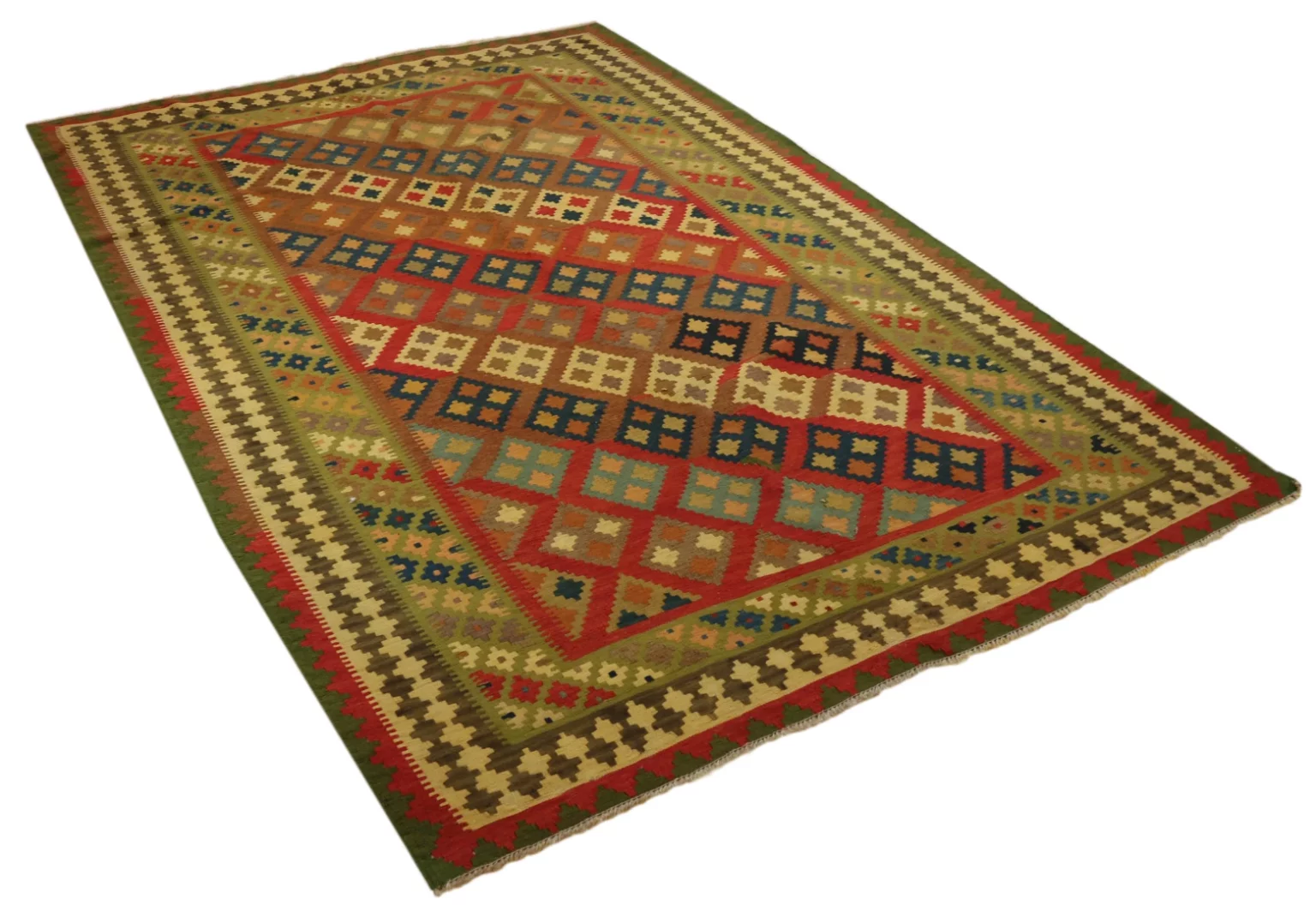
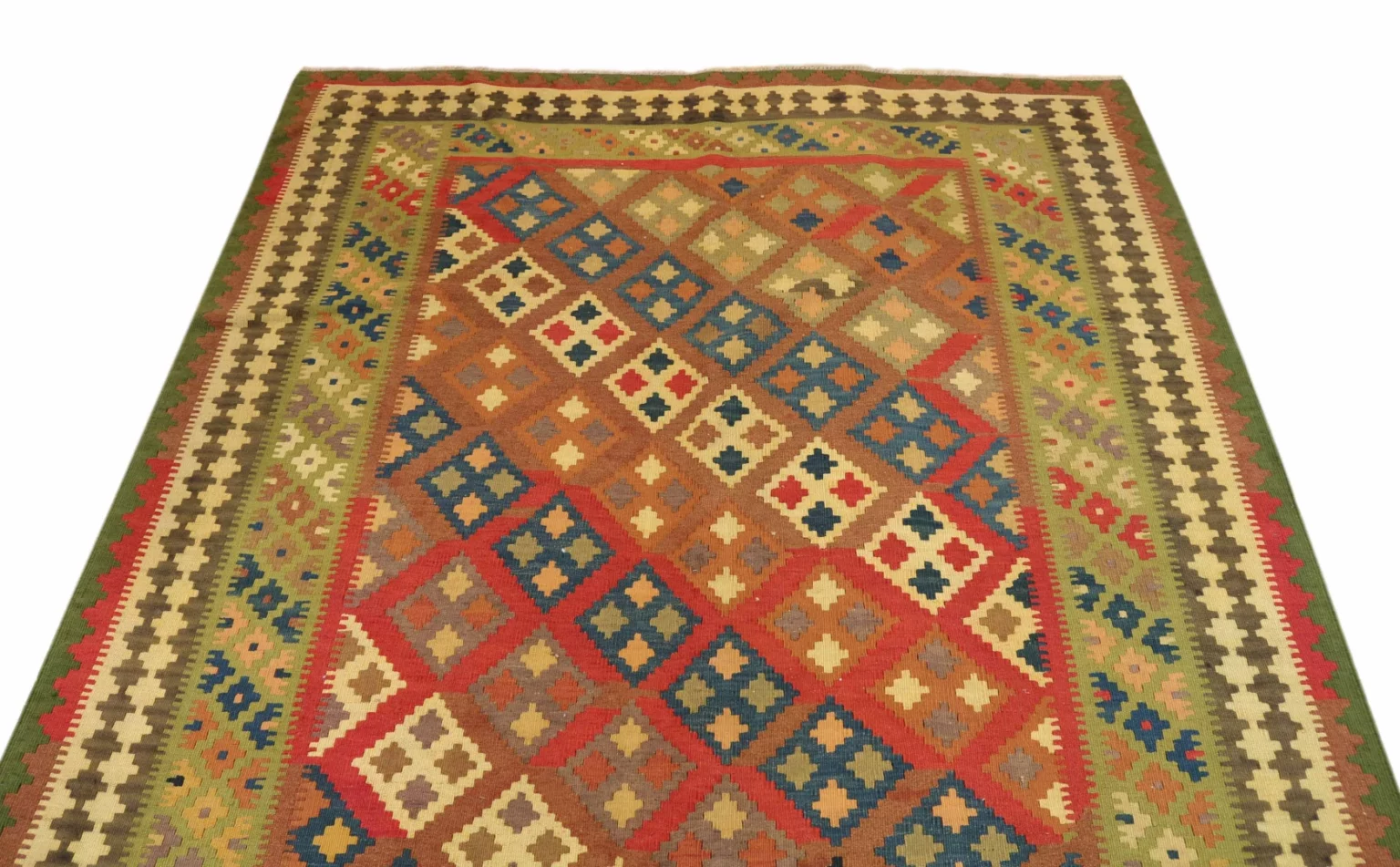
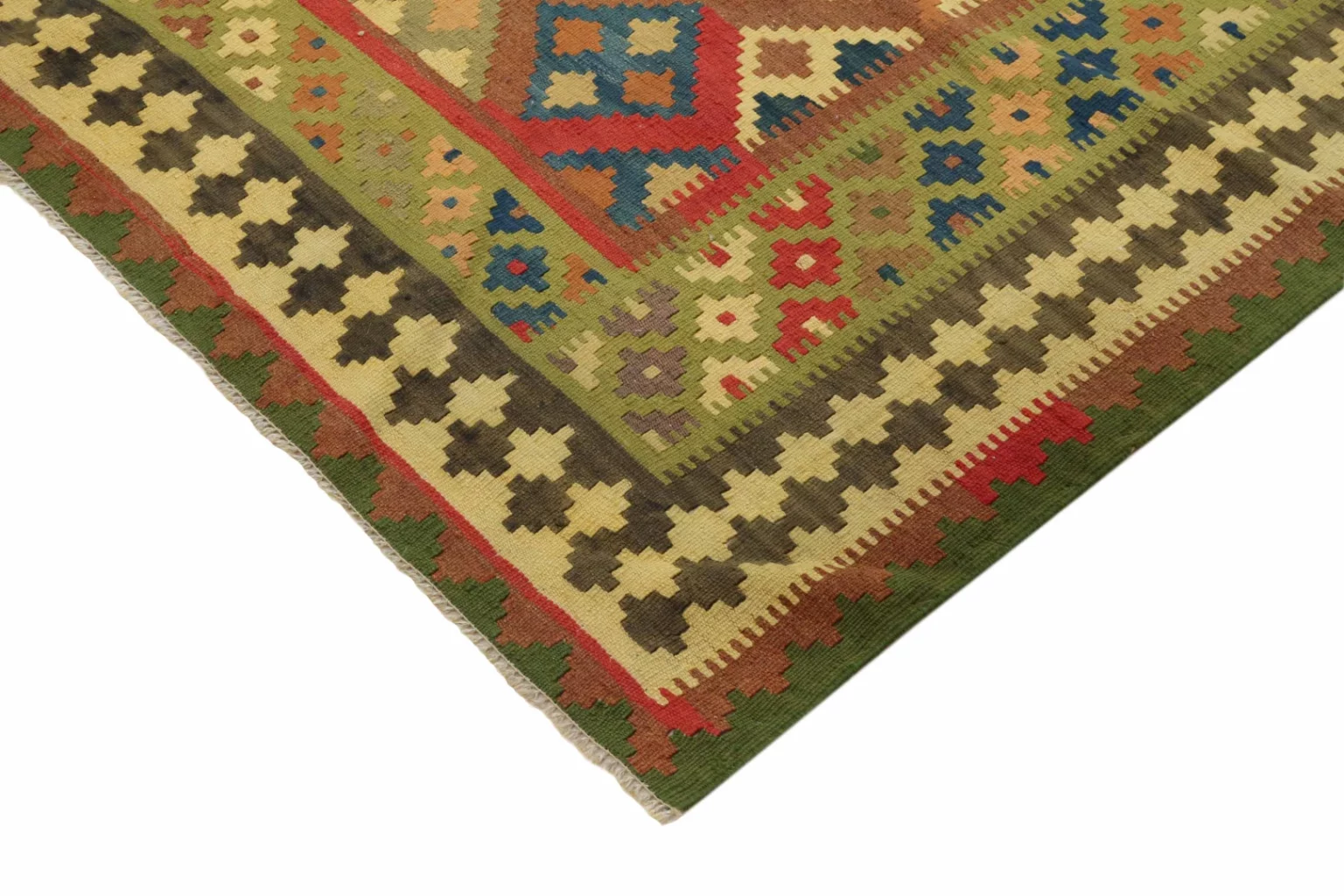
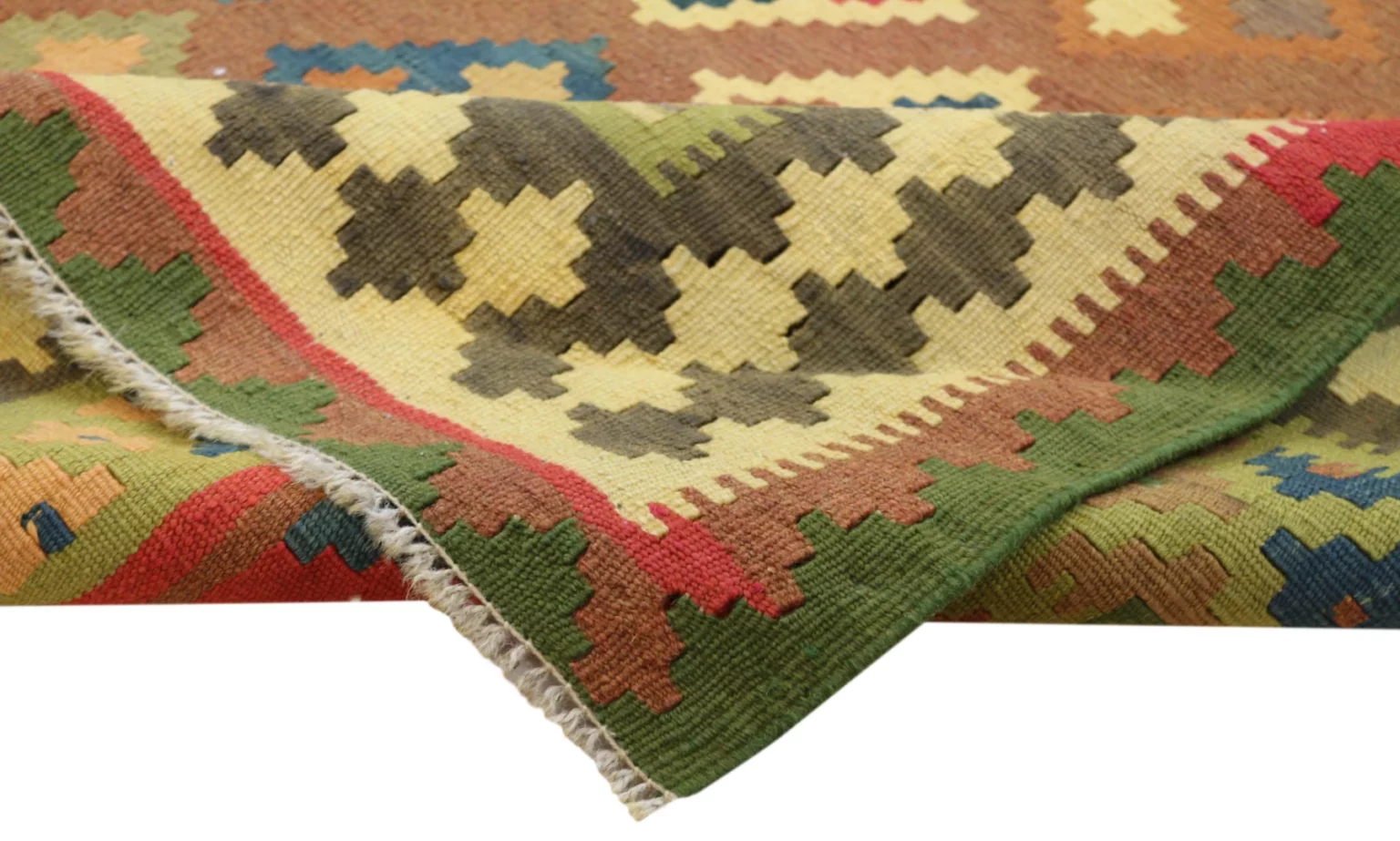
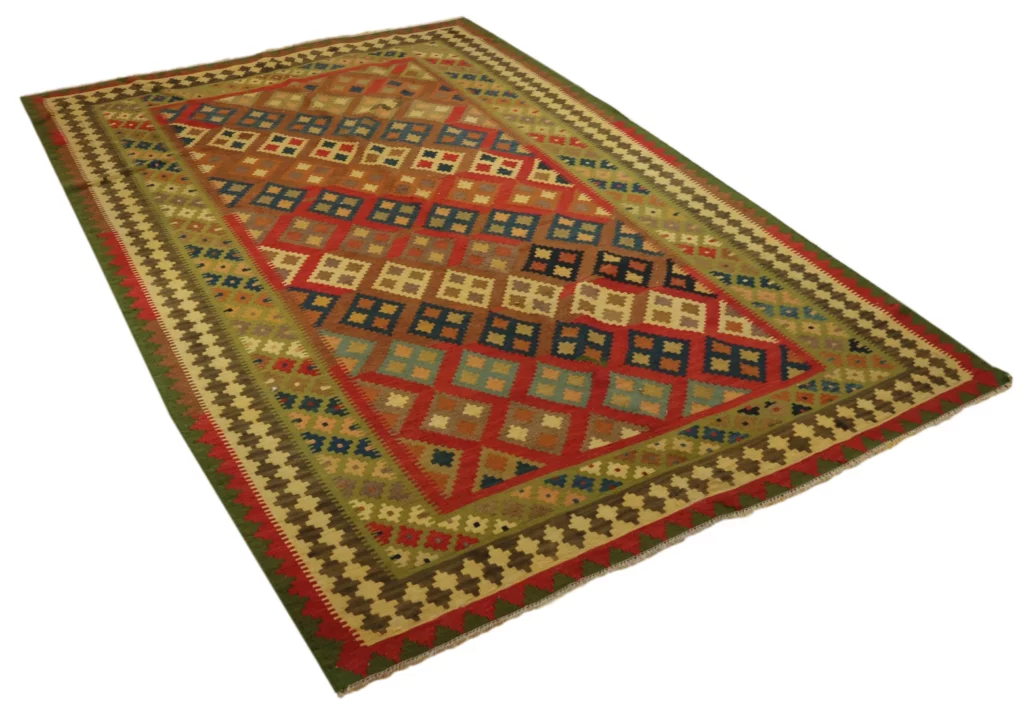
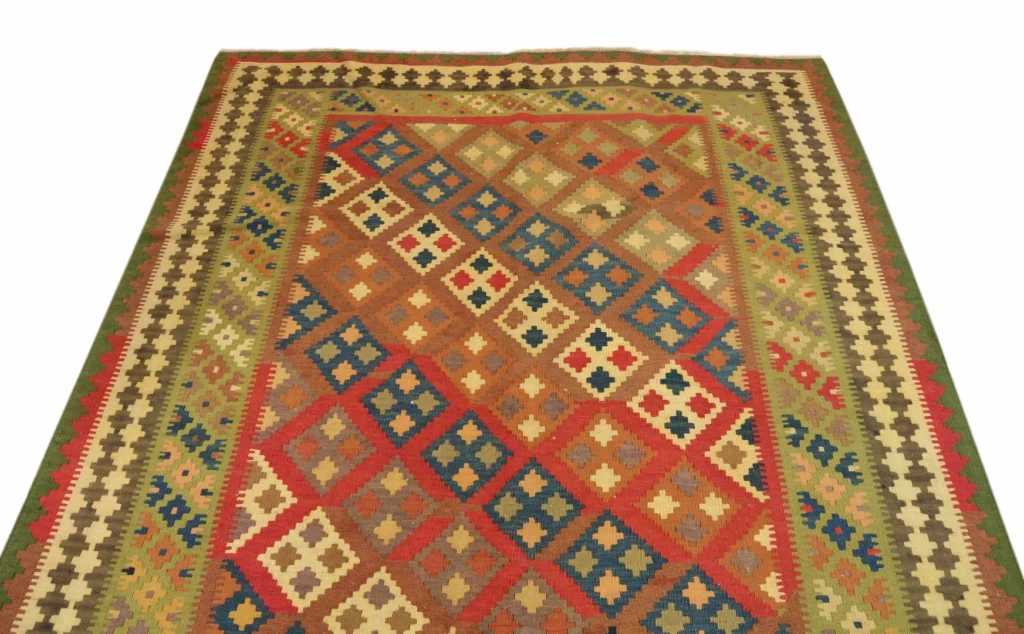
Persian Rug Fars 240 x 163 cm Wool Hand-woven
€ 1110
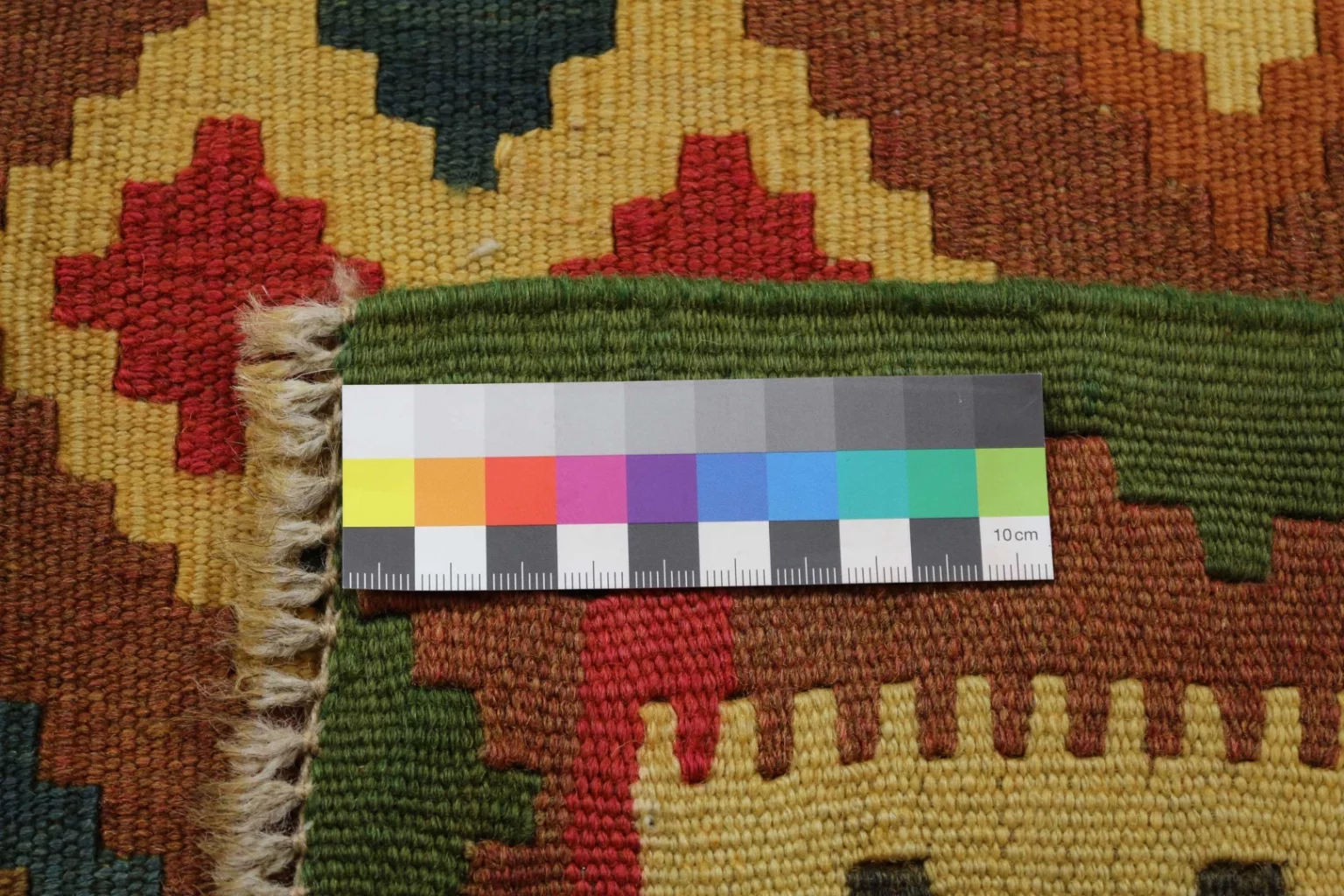
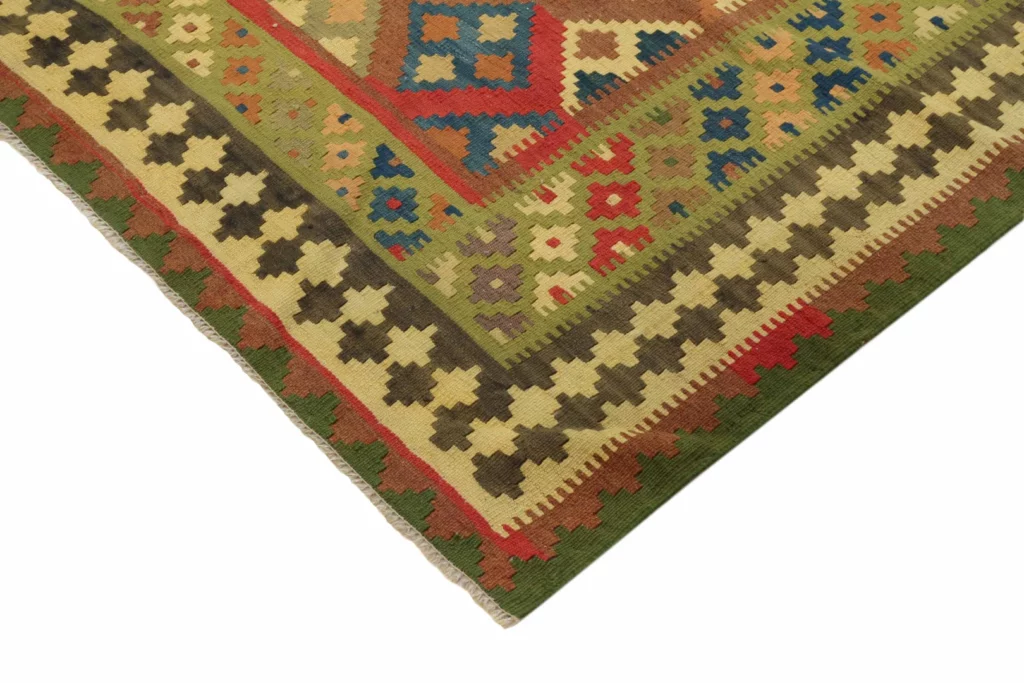
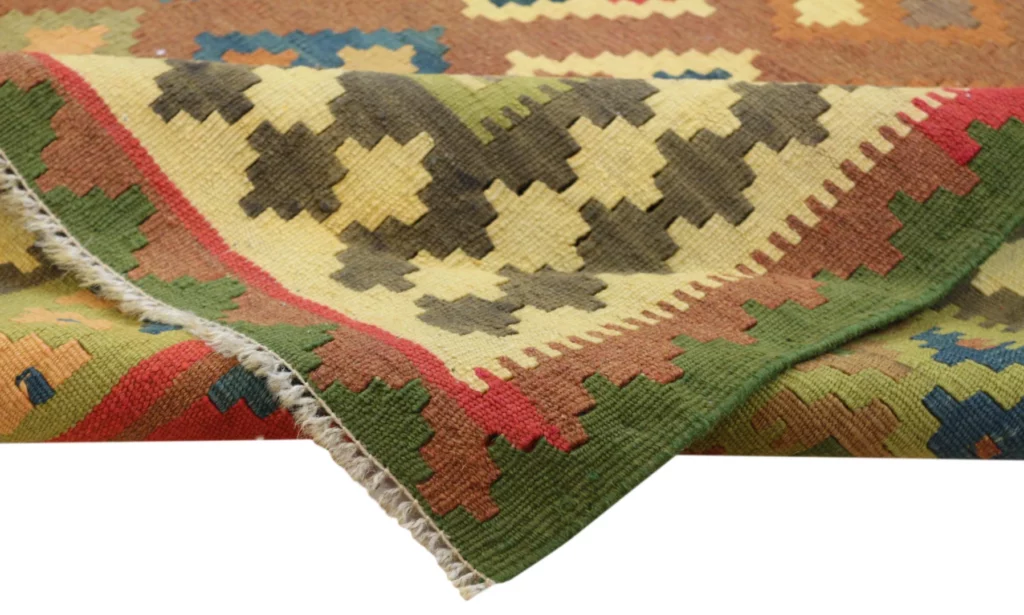
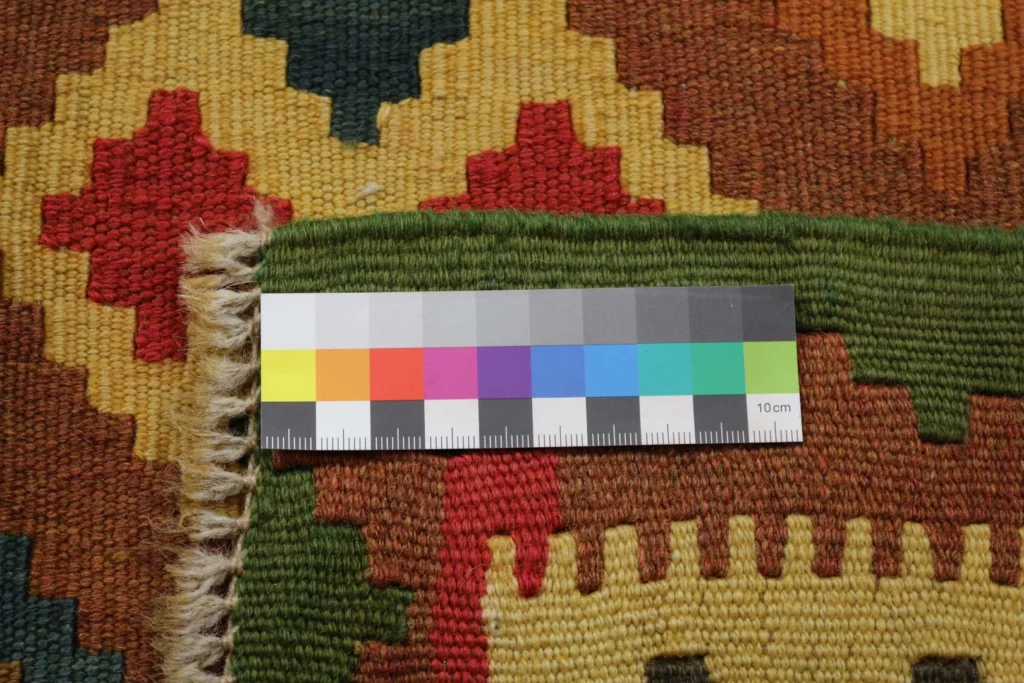
Hand-woven Fars Persian rug | Material: Wool | Size: 240 x 163 cm | Pattern: Identical on both sides | Condition: Very well preserved | Use: Rug or wall hanging
Sold out
- ✓Free Shipping in EU
- ✓2-5 Business Days Delivery
- ✓14-Day Return Policy
- ✓Worldwide Shipping on request
 SECURE PAYMENT
 SHIPPING PARTNERS
Inventory number: ADA4900E
Description
Fars Persian Rug
Material and Craftsmanship
This Kelim from Fars is made of high-quality wool and was hand-woven. In a Kelim, the textile surface is created by interlacing weft and warp threads rather than by forming a cut pile. The result is a flat, clearly woven structure with a character distinct from that of a knotted pile rug. Wool is a traditional material in Oriental textile work. It can be spun into durable yarn and is therefore well suited to woven pieces intended for everyday use as rugs.
Hand weaving makes each Kelim an individual textile object. Thread by thread, the surface is built on the loom instead of being produced as a completely uniform industrial series. The pattern on this piece is identical on both sides. It can therefore be viewed from either side without changing the design. The flat construction remains visible and gives the piece the direct, textile quality associated with woven Kelims rather than with a hand-knotted rug with a raised pile.
The source describes this Kelim as very well preserved. That condition statement is part of its description, alongside the wool and the hand-woven technique. It can be used as a rug, creating a textile surface within a room, or as a wall hanging, where the woven structure can be displayed independently of floor use.
Origin and Tradition
Fars lies in southern Iran and is closely associated with nomadic and rural weaving traditions. Its landscape includes mountain areas as well as drier plains, and this variety has influenced the ways local crafts were developed and used. Wool was a practical material for many weaving communities because it could be spun into useful yarn and worked into textiles suitable for everyday life. The relationship between available materials, mobility and household use helped shape the region’s textile heritage.
The term Persian rug refers here to Iranian origin and to a broad culture of highly developed textile crafts. Persian weaving includes more than knotted rugs. Kelims are also part of Iran’s established weaving traditions. Their designs are formed during the weaving process, so the maker must coordinate the sequence of weft areas, colors and edges while the textile is being built. The result is both a practical object and an expression of regional craft knowledge.
In Fars, the connection between nomadic life and handmade textiles is particularly important. Nomadic groups needed woven pieces that could serve several purposes and fit into a mobile way of living. Textiles could cover floors, define areas within a tent or act as decorative coverings. From this practical setting came a visual language in which clear shapes, repeated rhythms and an easily read structure have an important role.
Nomadic weaving cannot be reduced to one single motif. Knowledge of wool, spinning, loom work and the handling of woven surfaces is equally significant. Techniques are passed through communities and generations, while each maker applies them with individual decisions. Variations in yarn, tension and execution are part of handmade production. They explain why hand-woven Kelims are not identical to standardized factory products.
Iranian rug culture contains many regional traditions. Tabriz, Isfahan, Kashan and Qom are associated with other Persian weaving centres, while Fars has its own relationship between regional textile practice and nomadic design. These place names represent different schools and should not be treated as interchangeable origins. A Kelim from Fars belongs within the wider cultural history of Iran while retaining its specific regional identity.
The function of a Kelim is also part of its tradition. A woven textile may lie on the floor, hang on a wall or serve as a covering. Its flat construction allows several forms of use. For this piece, both rug and wall hanging are specified. It therefore connects the practical side of weaving with the possibility of presenting the textile as an independent decorative surface.
Design and Pattern
The pattern of this Kelim is identical on both sides. This is more than a detail about how it is viewed: it describes the relationship between the design and the woven surface. No particular display side has to be selected. The piece can be turned without changing its pattern, which makes its presentation flexible and emphasizes its character as a textile woven throughout rather than as a surface finished on only one face.
Kelim patterns are created through the arrangement of colored sections and the changing sequence of woven threads. Geometric lines, fields, diamonds, hooked forms and repeated bands are common possibilities in flat-woven design. Such elements can be built clearly while the textile is being made and organized in rhythmic sequences. Even a seemingly simple form requires care so that edges, transitions and repetitions remain in the intended order.
The design vocabulary of Iranian rugs has been influenced by regional traditions, observation of the natural world and inherited symbols. Floral elements, geometric ornaments and symbolic forms may occur in several areas, but their arrangement and treatment differ from one weaving tradition to another. In nomadically influenced Kelims, the structure of the surface often remains especially important. Repetition, symmetry and contrast help the pattern remain legible across the textile.
A Kelim has a different visual presence from a rug with a dense pile. Its design is located directly in the woven plane and is not modelled by the height of wool knots. Lines and transitions can therefore appear immediate and graphic. The identical pattern on both sides reinforces the impression of a coherent, continuous surface. The design is not dependent on one fixed viewing direction, because turning the textile preserves the same pattern.
The traditional nomadic art mentioned in the source describes a form of design rooted in use and transmission. Textiles of this kind are not merely printed decorations; they depend on knowledge of spinning, dyeing, weaving and practical handling. A Kelim may nevertheless move beyond its original use and be shown as a wall hanging. In that setting, the pattern remains visible while the piece is understood as a textile artwork and not only as a floor covering.
Looking closely at the relationship between pattern and construction is useful. The lines are not applied to a finished textile; they are formed together with it. Every ornamental sequence is therefore connected to the process of weaving. This gives the design a direct clarity and makes the structure part of its appearance. The identical presentation on both sides further shows that the pattern does not depend on a specially treated front face.
The word Kelim identifies a weaving technique rather than one fixed pattern type. Different regional signs and compositions may be made using this technique. For that reason, no additional named motif is assigned here. The specific pattern characteristic provided for this piece is retained: its design is identical on both sides.
Special Features
The reversible appearance is a central feature of this piece. Both sides show identical patterns, allowing the Kelim to be viewed and used with flexibility. The description specifies two possible functions: it may serve as a rug or as a wall hanging. Its textile character is therefore not tied to one single setting or method of display.
Another defining aspect is the combination of hand weaving and high-quality wool. The piece brings together a traditional material and an established weaving technique associated with Fars. Its condition is described as very well preserved. Taken together, these details identify an Iranian Kelim with clearly stated regional origin, material, construction and use.
As a wall hanging, the textile can show its flat structure and identical pattern on both sides particularly clearly. As a rug, it represents the practical side of Kelim weaving. The appropriate presentation depends on the room and intended use. Both functions are part of the description of this individual piece.
FAQ
How can the quality of a Kelim be assessed?
For a hand-woven Kelim, the material, weaving technique, consistency of the surface and state of preservation are useful points of reference. High-quality wool can be made into a resilient textile, while careful weaving supports clear transitions and a stable structure. The way a pattern appears on both sides is also relevant when examining the piece. This Kelim is described as being made of high-quality wool, hand-woven, identical in pattern on both sides and very well preserved.
Can a Kelim be cleaned?
A Kelim can be cared for and cleaned, but it should be handled gently. Regular, careful removal of dust helps reduce strain on the wool and woven surface. More thorough cleaning is best entrusted to a professional familiar with hand-woven wool textiles. This reduces the risk that moisture, friction or unsuitable cleaning products will affect the structure or appearance of the textile.
Where can this Kelim be used?
The description gives two uses: it can be used as a rug or as a wall hanging. On the floor, it forms a flat textile surface that can be integrated into different interiors. On the wall, it can be presented as a decorative woven piece. Since the pattern is identical on both sides, its design remains unchanged regardless of which side is visible.
Additional information
| Design Style | |
|---|---|
| Color | |
| Size | |
| Shape | |
| Origin | |
| Material |
Related products

Persian Rug Fars 240 x 150 cm Cashmere Hand-knotted
€ 1118
Oriental Rug Loribaft 200 x 300 cm Wool Hand-knotted
€ 1800
Persian Rug Tabriz approx. 350 x 245 cm Wool Hand-knotted
€ 1280
Persian Rug Qashqai 290 x 200 cm Wool Hand-woven
€ 798
Persian Rug Gabbeh 200 x 300 cm Cashmere Hand-knotted
€ 1323
Persian Rug Qashqai 288 x 193 cm Wool Hand-woven
€ 798
Persian Rug Qashqai 290 x 192 cm Wool Hand-woven
€ 798
Persian Rug Heriz 340 x 254 cm Wool Hand-knotted
€ 1438