
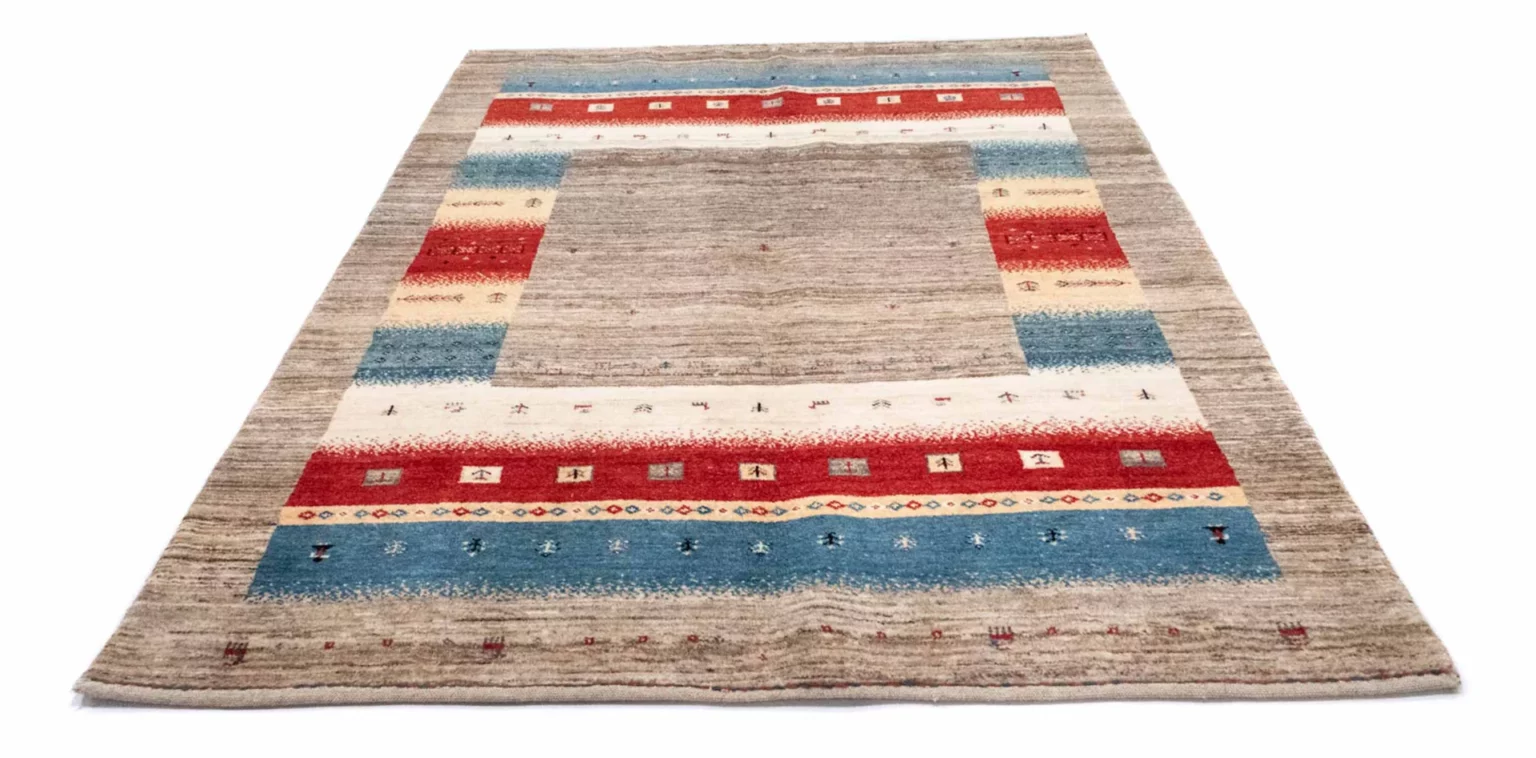
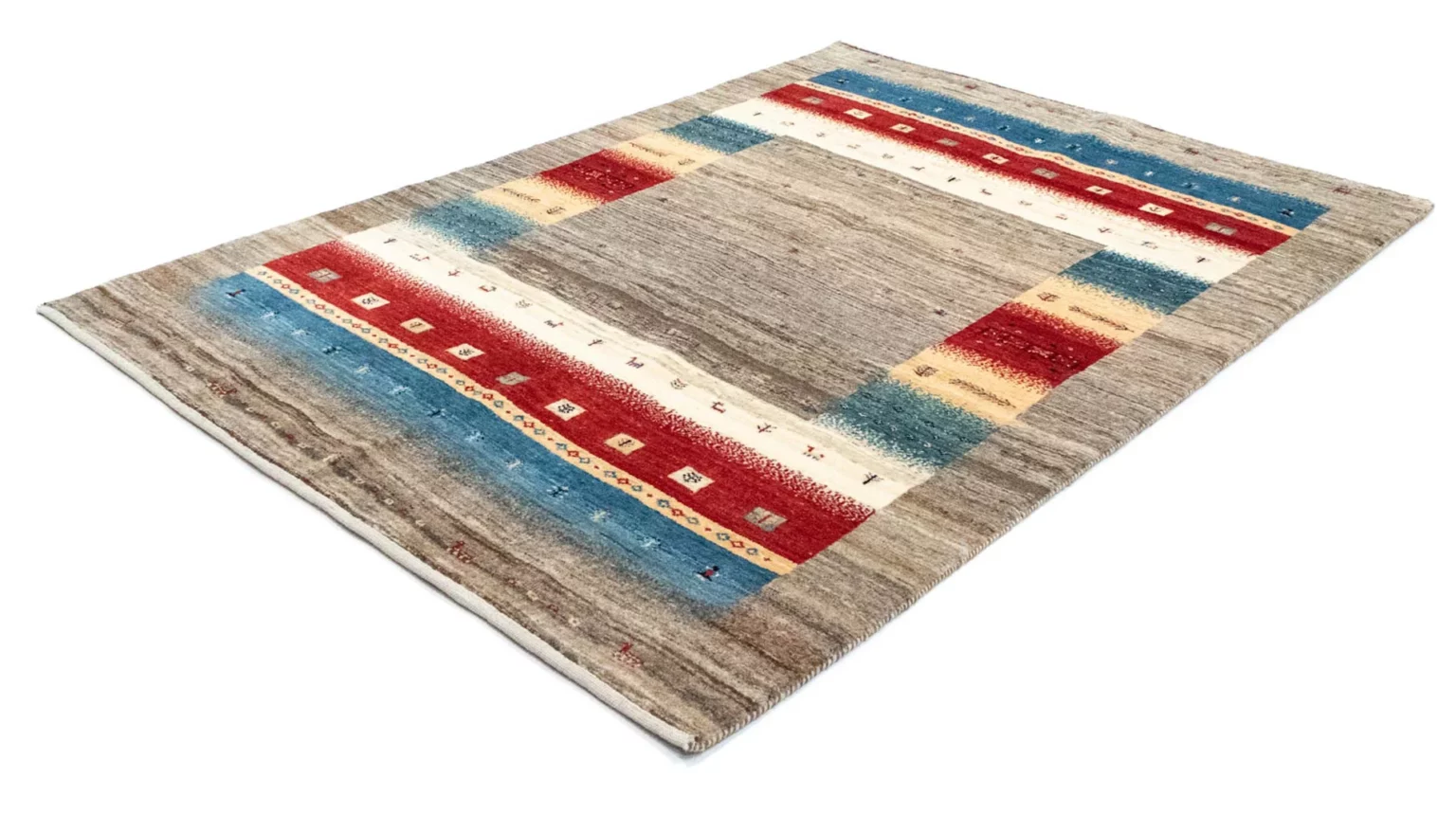
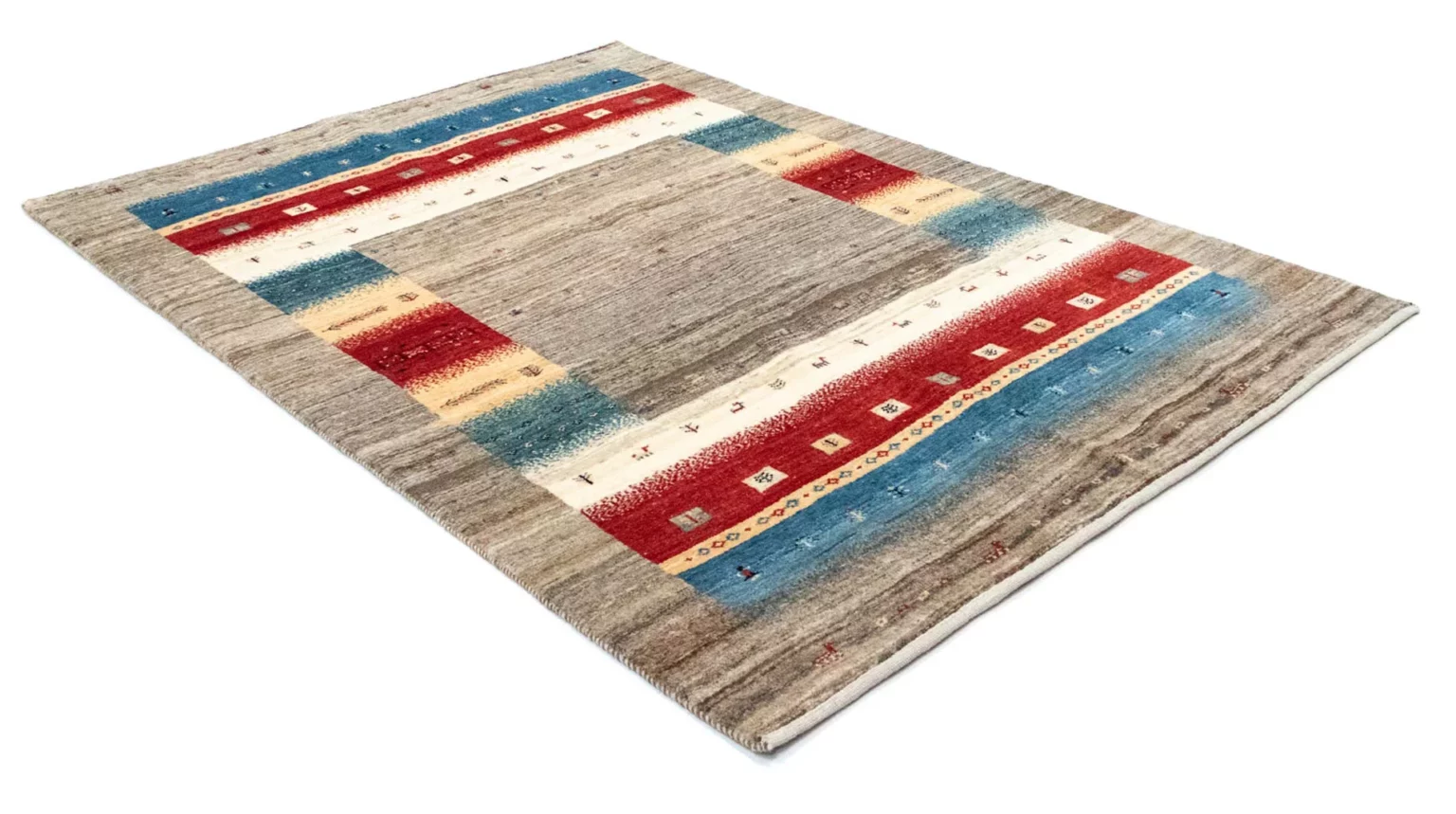
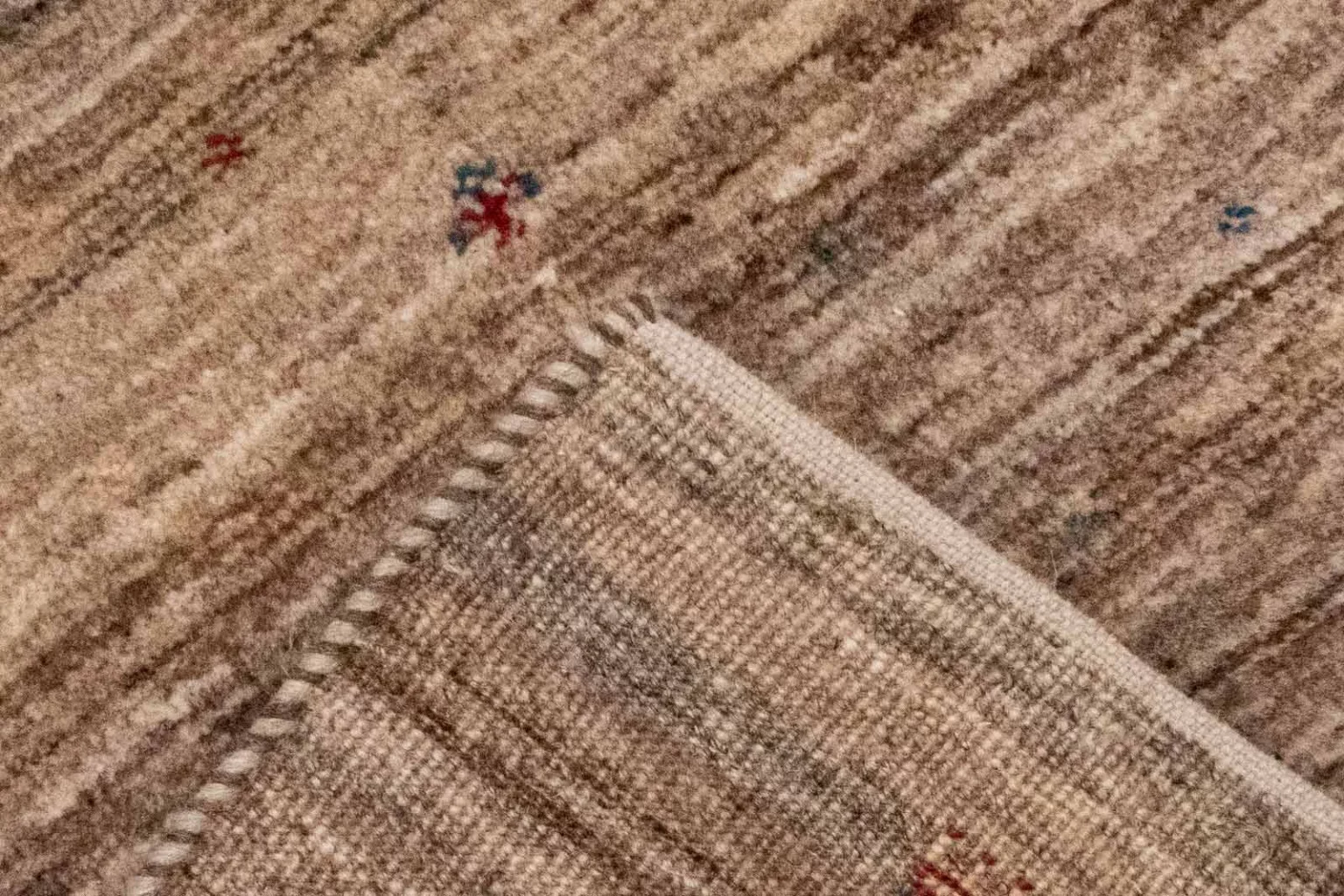
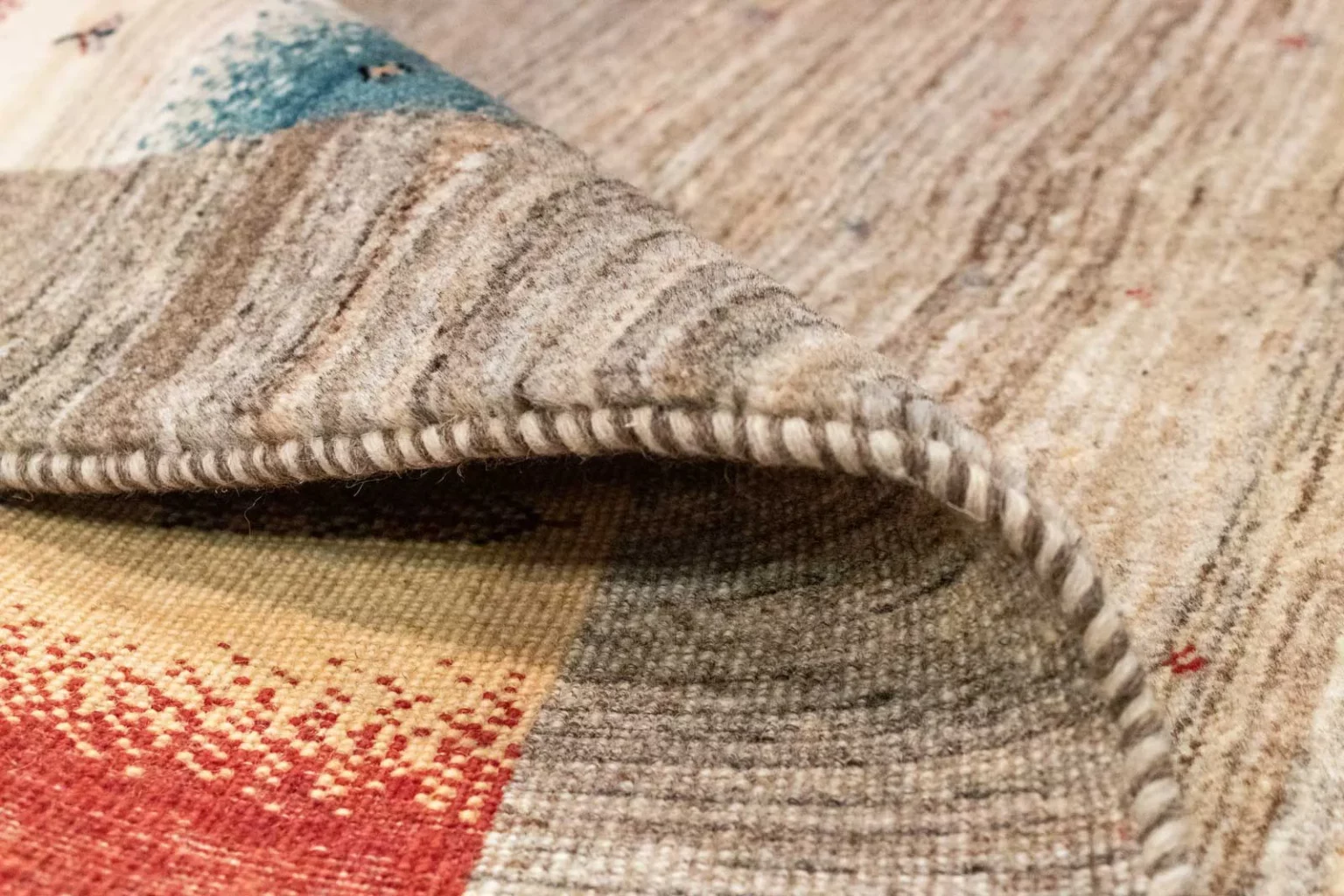
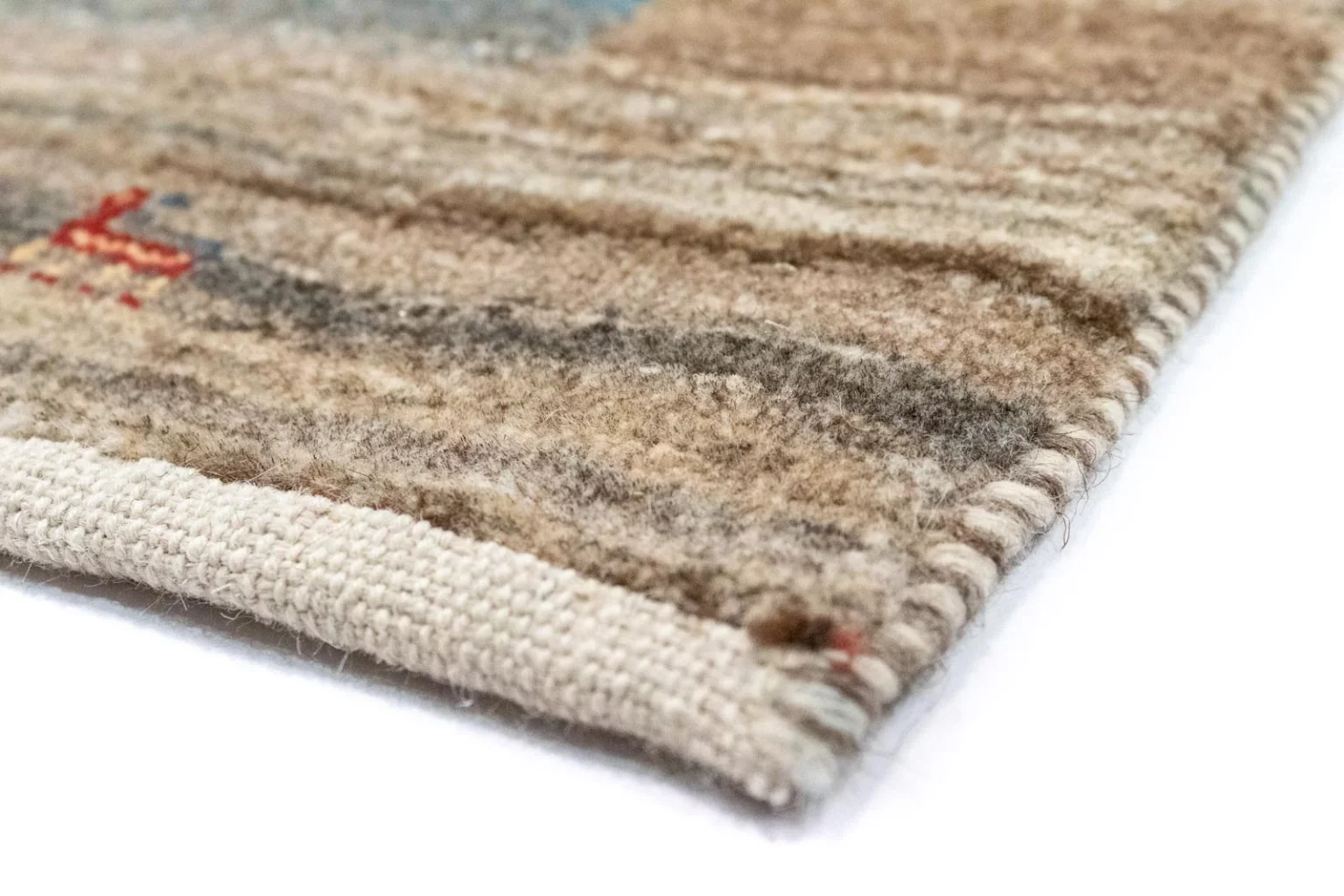
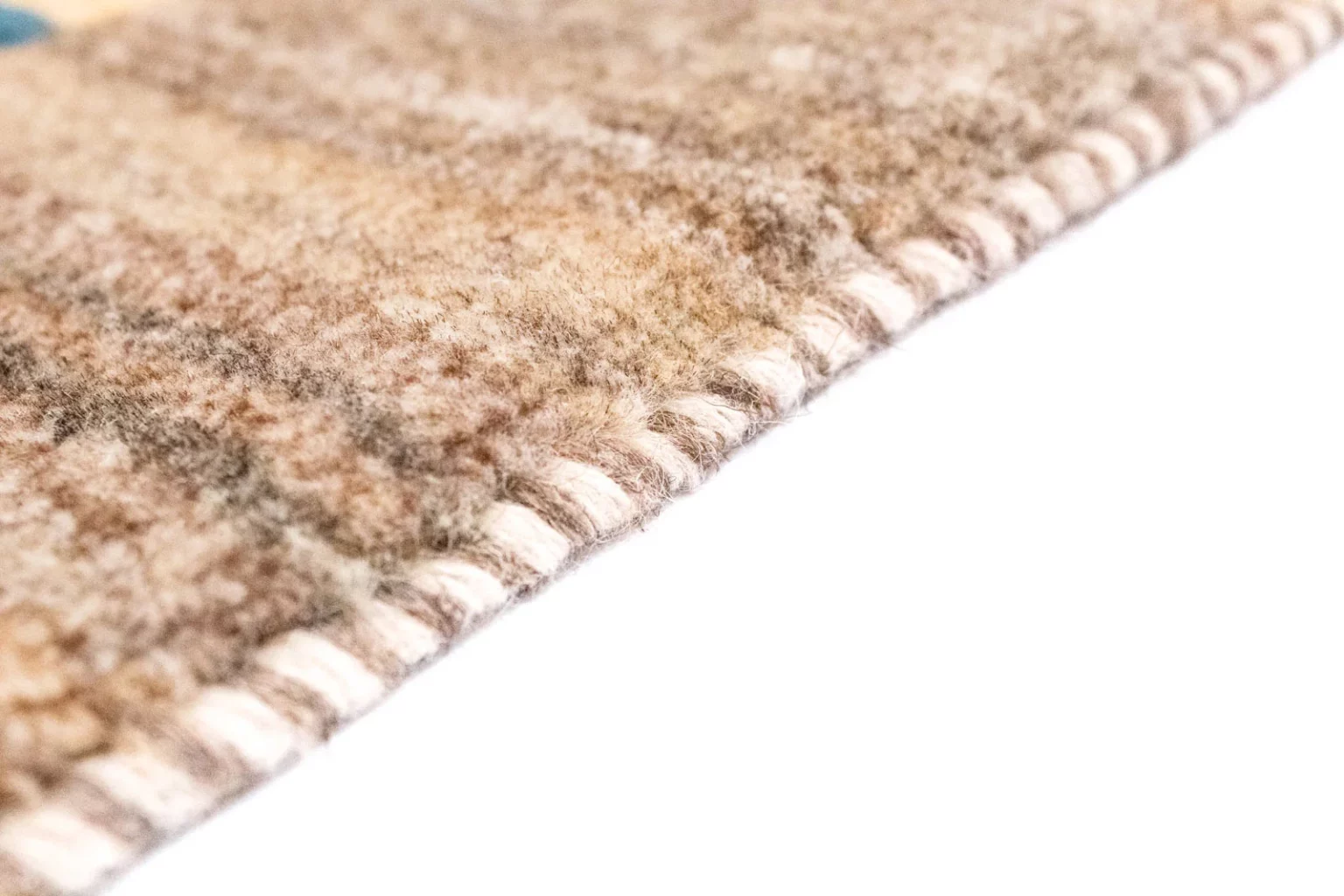
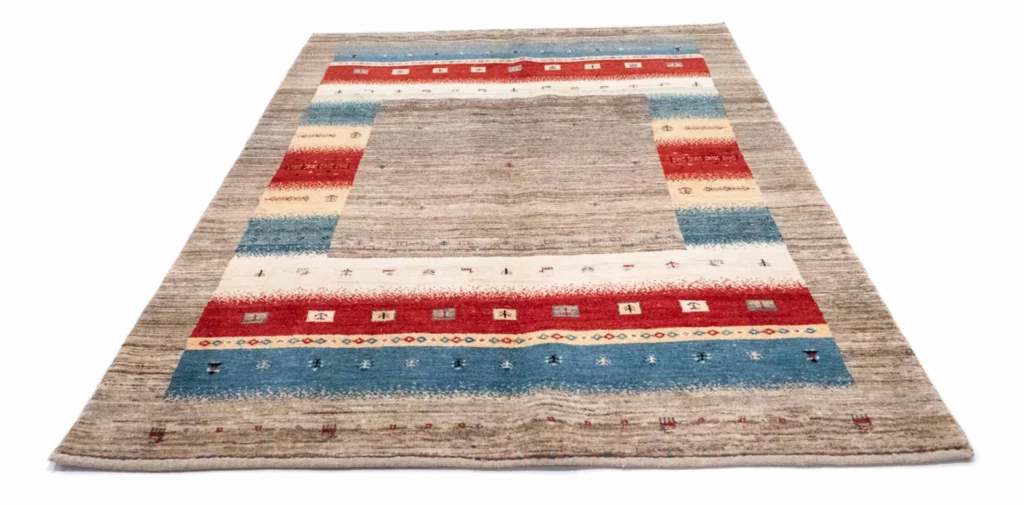
Persian Rug Fars 212 x 148 cm Wool Hand-knotted
€ 1625
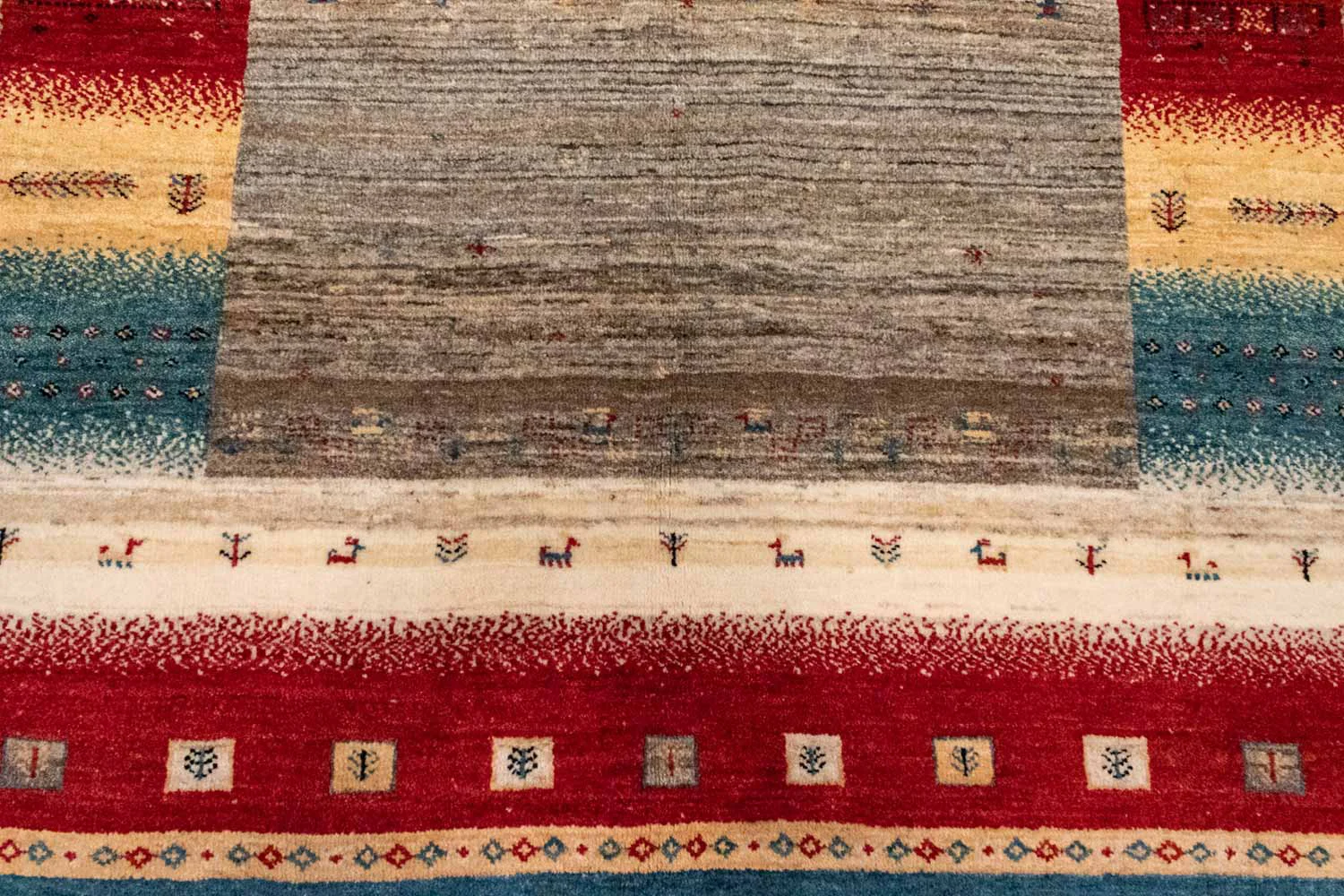
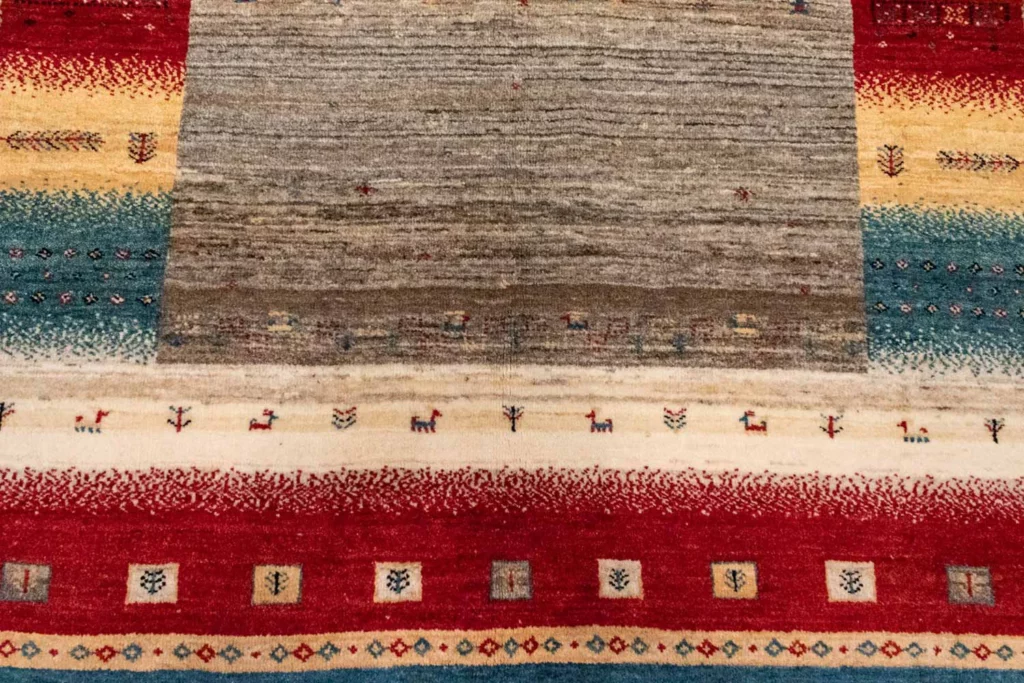
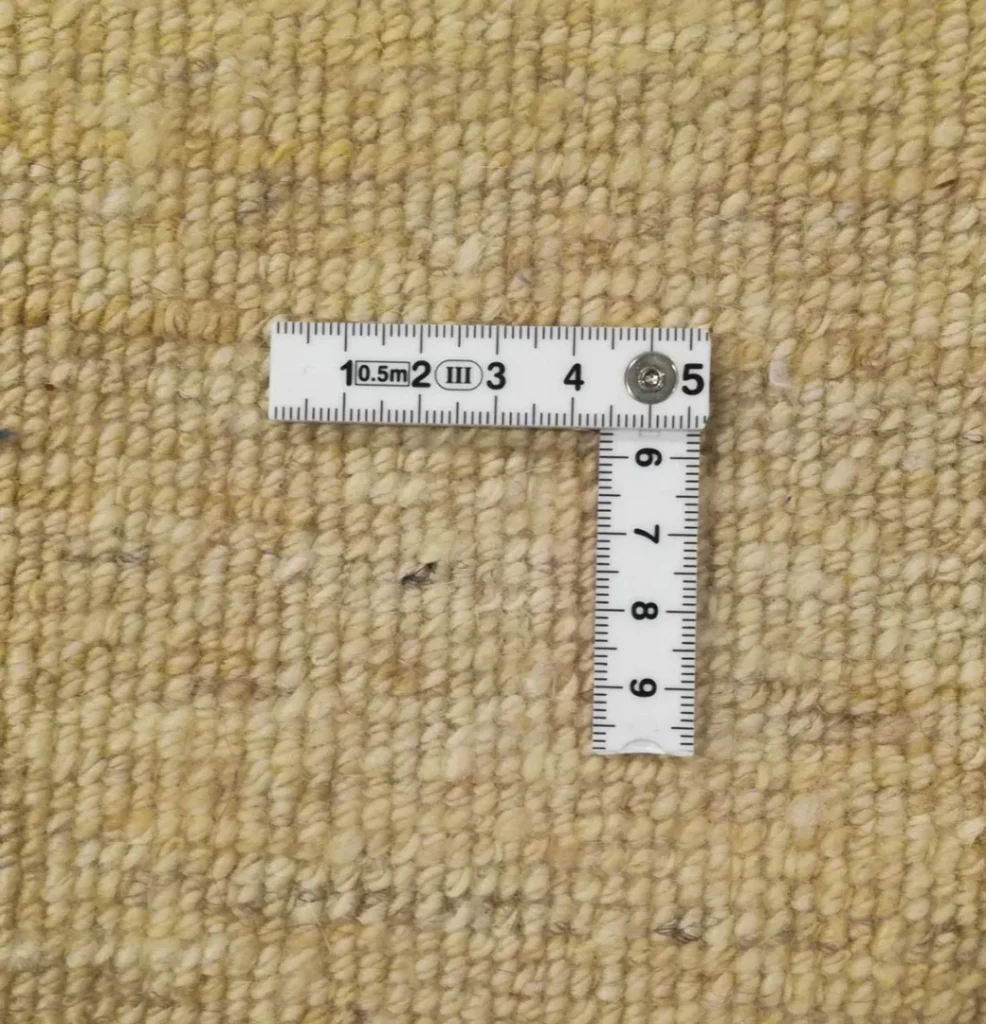
Hand-knotted Fars Persian rug | Knot density: 150.000 – 220.000 knots/m² | Material: pile hand-spun sheep and goat wool | Size: 212 x 148 cm | Pattern: abstract design with animal and plant motifs
1 available
- ✓Free Shipping in EU
- ✓2-5 Business Days Delivery
- ✓14-Day Return Policy
- ✓Worldwide Shipping on request
 SECURE PAYMENT
 SHIPPING PARTNERS
Inventory number: 44A3F199
Description
Fars Persian Rug
Material and Craftsmanship
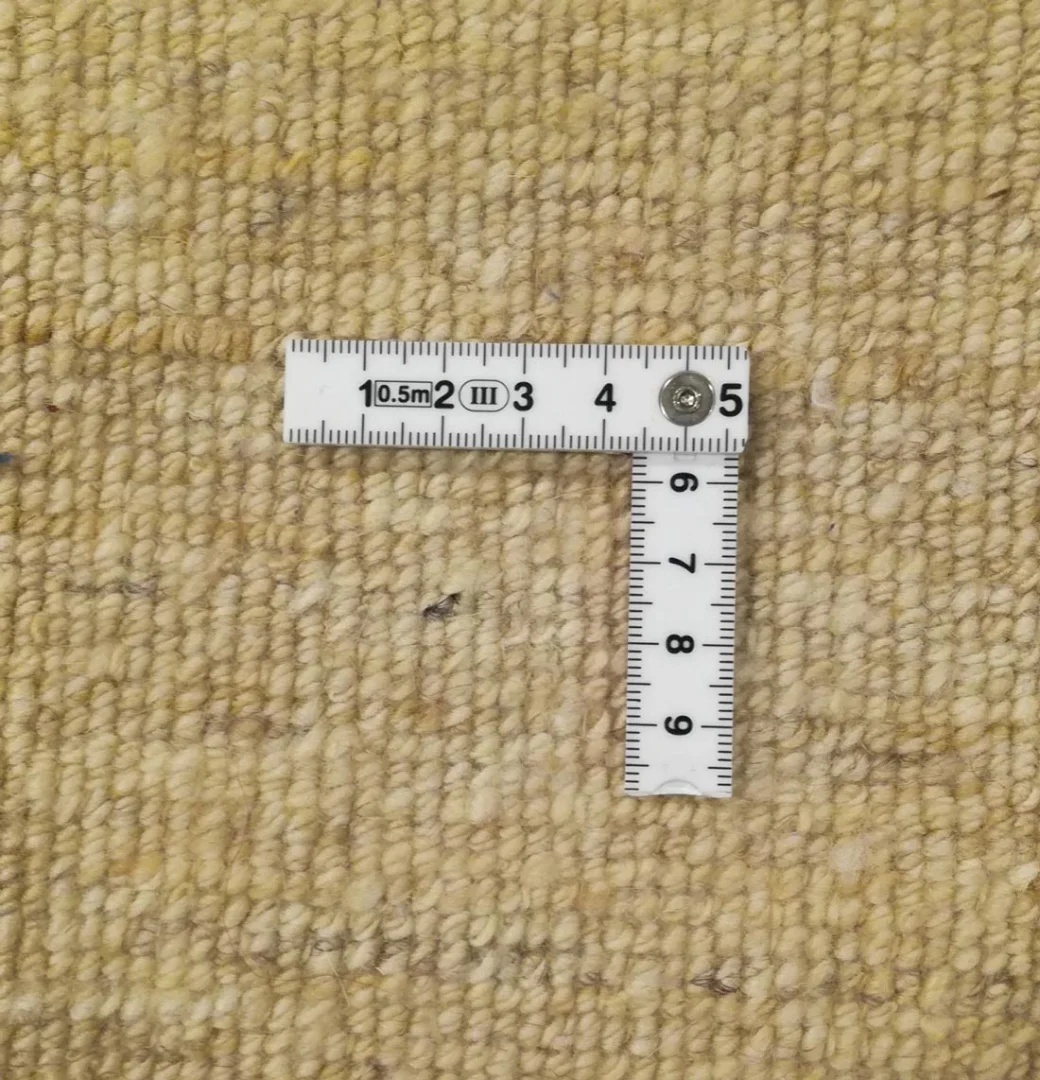
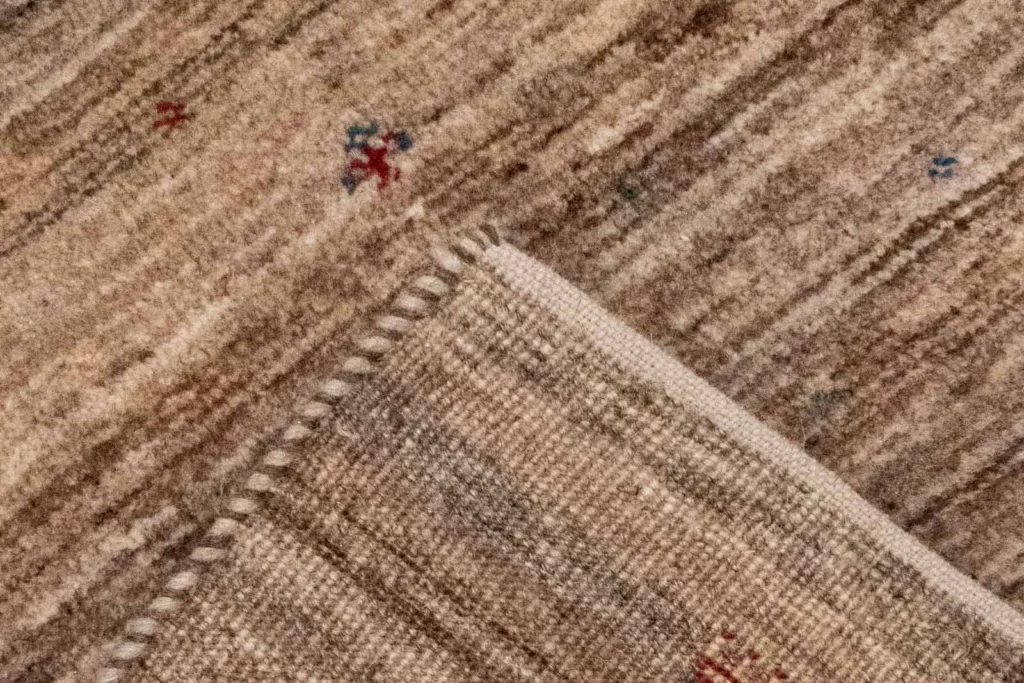
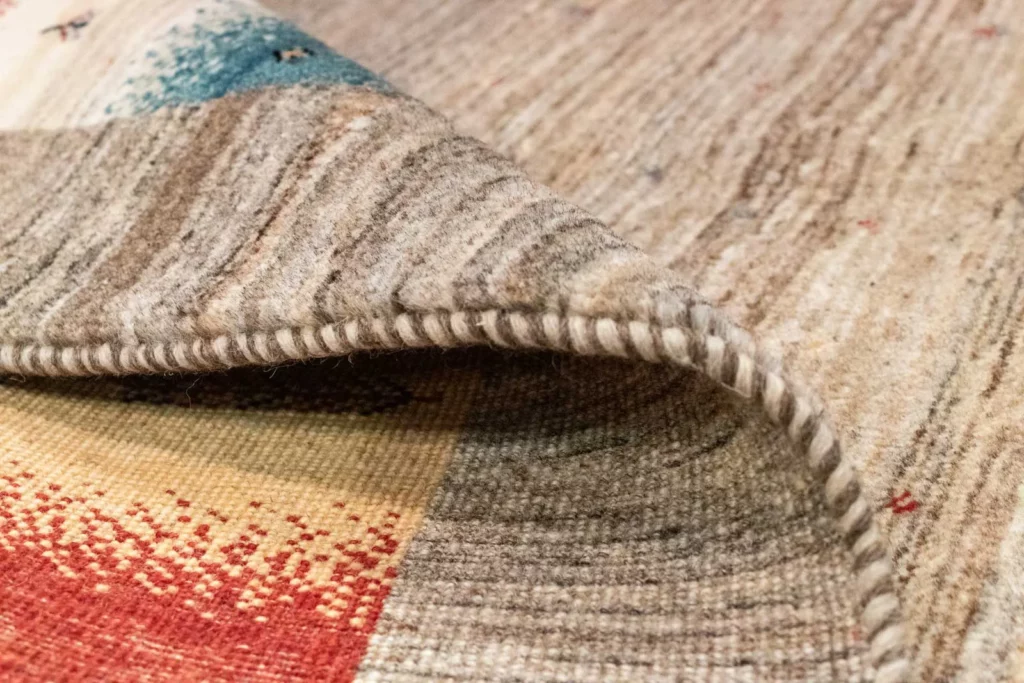
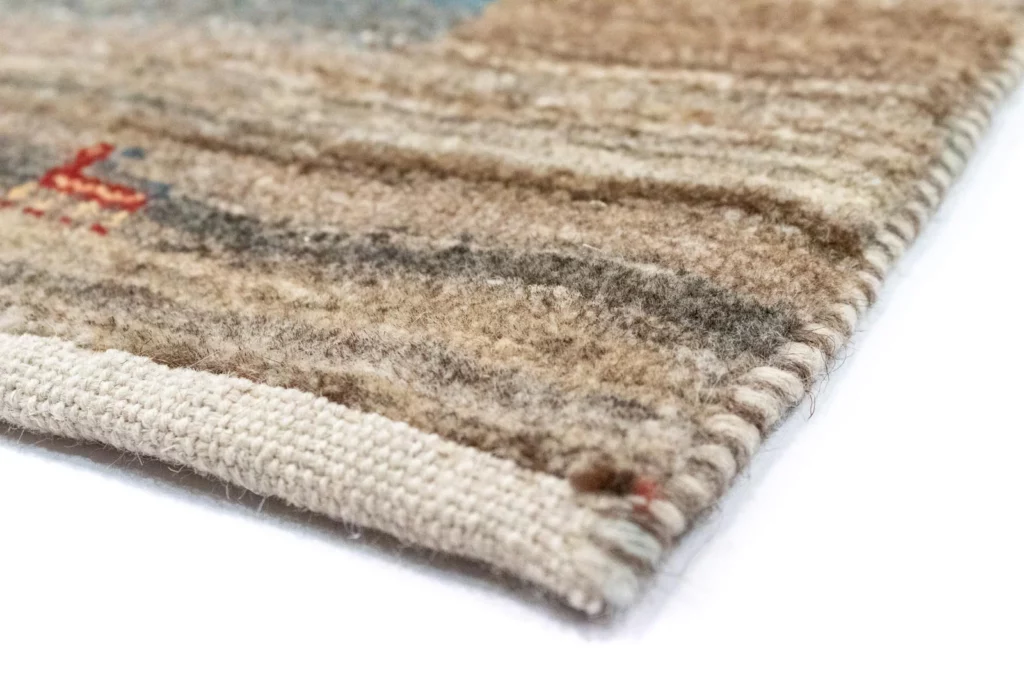
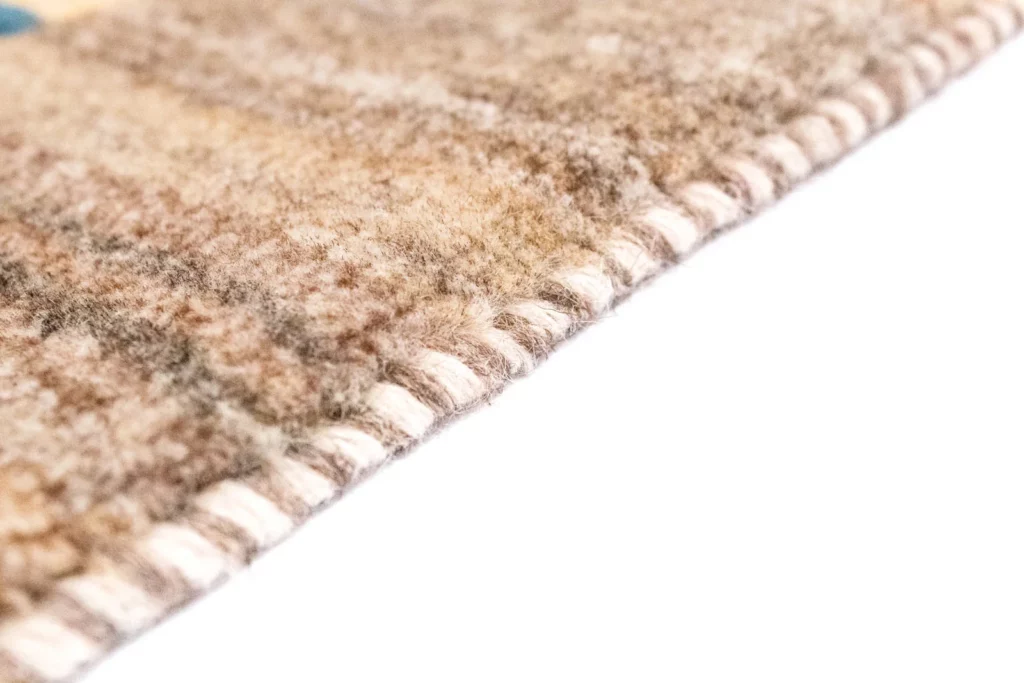
This Gabbeh-Loribaft is a hand-knotted Persian rug made from hand-spun sheep and goat wool. The use of these two types of wool is a defining part of the material character described for Gabbeh-Loribaft rugs. Hand-spun fibres give the material a traditional basis, while the wool provides a combination of durability and comfort. The pile is soft to the touch, making the rug suitable for rooms where a comfortable floor surface is valued.
Loribaft Gabbeh rugs are distinguished by a finer knotting technique than simpler Gabbeh rugs. Their higher knot density allows the design to be worked with greater subtlety and gives the pile a softer appearance. The shorter pile associated with this type also makes the rug lighter than a coarser Gabbeh construction. These characteristics connect the practical qualities of the rug with the structure of its weaving rather than treating decoration as a separate feature.
The wool is dyed exclusively with natural dyes from the region. This produces colours that are vivid while remaining harmonious in combination. Natural dyeing is part of the traditional material approach of the rug type and supports the relationship between the textile and its regional environment. The combination of hand-spun wool, hand knotting and regional natural dyes creates the material foundation of a Gabbeh-Loribaft.
The rug type is also described as robust and easy to care for. Its construction therefore suits a range of living spaces, including children’s rooms. The shorter pile contributes to its lighter handling, while the wool contributes to comfort and everyday resilience. These statements concern the characteristics of Gabbeh-Loribaft rugs represented by this piece and do not require decorative effects to explain their practical use.
Origin and Tradition
Gabbeh-Loribaft rugs come from Fars, the southwestern province of Iran associated with the Ghashghai nomads. The Ghashghai live in Fars and have a strong place in the cultural diversity of the region’s weaving tradition. In this context, the rug is not only a floor covering but also an expression of a textile culture shaped by regional materials, mobile communities and established handcraft practices.
Fars is known for its rich carpet tradition and for the quality of the materials used in its rugs. The connection between the province and the Ghashghai nomads is particularly important for understanding Gabbeh. Nomadic weaving traditions often preserve designs that are direct, clearly structured and closely connected to everyday visual experience. The Gabbeh-Loribaft form continues this regional identity while using a finer knotting method than the simpler Gabbeh type.
The name Gabbeh refers to a Persian rug tradition in which the woven surface and the clarity of the design are important. Loribaft identifies a finer interpretation, marked by a higher knot density and a shorter pile. This distinction explains why Loribaft rugs are generally finer and lighter in character than simpler Gabbeh rugs. It also shows how one regional tradition can include different levels of detail and different approaches to the pile.
Fars weaving is associated with materials that are practical as well as visually expressive. Hand-spun sheep and goat wool, together with dyes drawn from the region, reflects a close relationship between the making of the rug and the resources available to its makers. The resulting tradition combines comfort, durability and colour. A Gabbeh-Loribaft therefore belongs to a Persian weaving culture in which technique and material are closely linked to place.
The wider Persian carpet world includes other rug traditions from the same broad cultural sphere. Schiraseh rugs are known for bright colours and detailed patterns, while Kerman rugs are often associated with complex floral designs. Nain and Tabriz are also renowned names in Persian rug production and appear in both traditional and modern designs. These comparisons help place Gabbeh-Loribaft within the wider landscape of Persian carpets, while its own identity remains tied to Fars, the Ghashghai tradition and its characteristic fine knotting.
The tradition is also relevant to contemporary interiors because Gabbeh-Loribaft rugs combine a recognisable regional origin with designs that are not dependent on elaborate formal ornament. Their abstract compositions, broad colour areas and playful motifs can work in different rooms without losing their connection to Persian handcraft. The rug remains rooted in Fars even when it is used in a modern living environment.
Design and Pattern
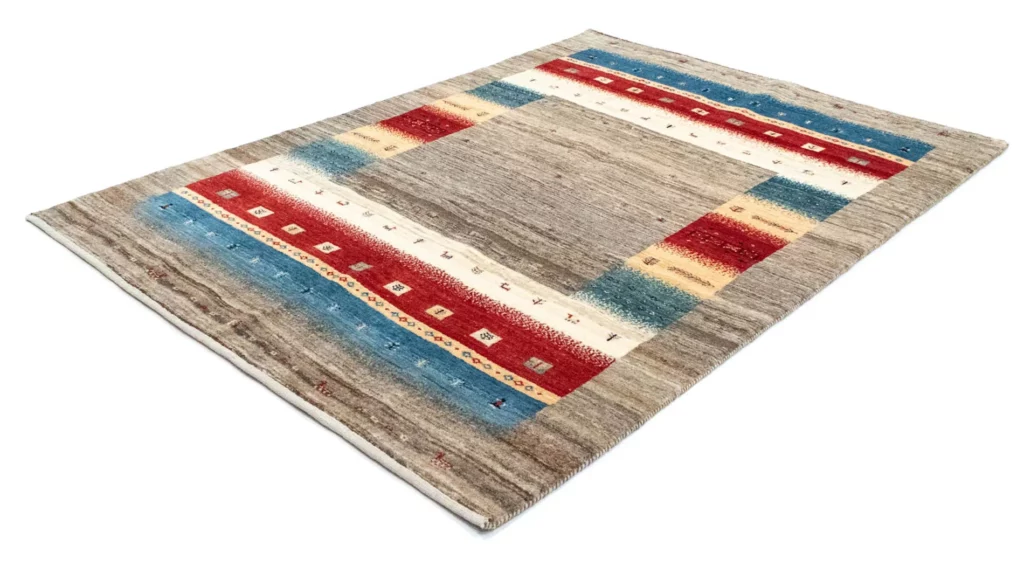
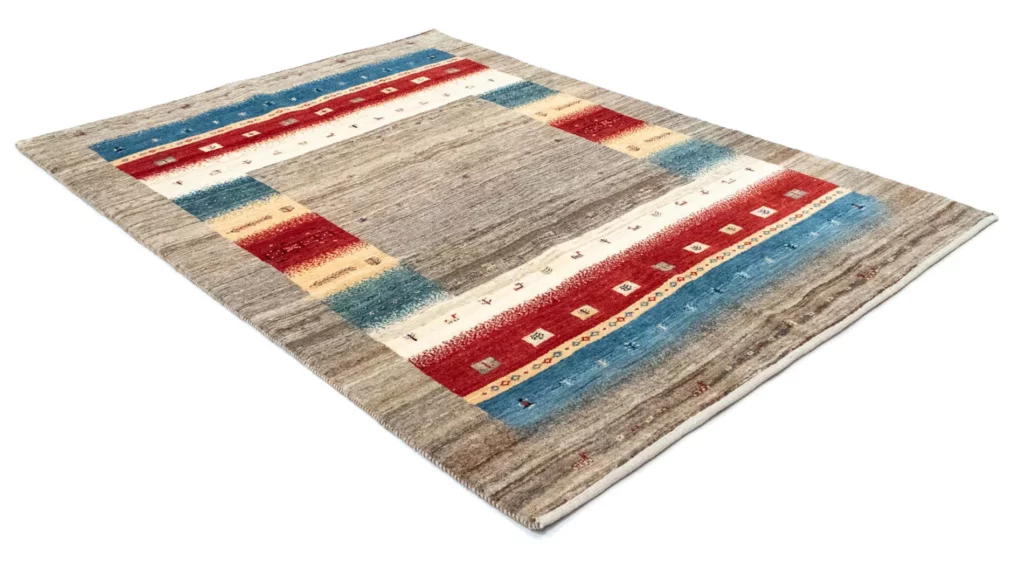
The design of this Gabbeh-Loribaft is abstract and includes animal and plant motifs. This combination is characteristic of a visual language that can suggest forms without rendering them in a strictly naturalistic way. Animals and plants may appear as simplified signs, allowing the pattern to remain clear while retaining a connection to the natural world. In this rug type, such motifs are often presented with a direct and playful quality.
Large areas of colour are another important element of the Gabbeh-Loribaft design tradition. Broad fields allow the colours to be read as part of the composition rather than as small details inside a dense ornament. Against these larger areas, animal and plant forms can create rhythm and variation. The resulting arrangement is abstract, but it is not without structure: colour, spacing and motif placement work together to organise the surface.
The use of natural regional dyes gives the palette a vivid yet harmonious character. This balance is important to the design because the colours must support both the broad fields and the smaller motifs. Vivid colour does not necessarily mean visual disorder. In the Gabbeh-Loribaft tradition, colour can be lively while remaining coherent across the entire composition.
Animal and plant imagery also connects the design to the cultural background of the Ghashghai nomads in Fars. The motifs are not presented as a claim about a particular symbolic meaning for this individual rug. They are part of a broader regional vocabulary in which familiar forms can be reduced to recognisable, decorative elements. Their playful appearance gives the pattern an approachable quality, while the abstract treatment keeps it within the formal language of Gabbeh weaving.
The finer knotting of Loribaft supports a more subtle level of detail than is found in simpler Gabbeh rugs. It does not change the basic character of the composition, which remains defined by abstraction and large colour fields. Instead, the finer structure permits the edges, transitions and small features of the pattern to be worked with greater delicacy. The shorter pile also allows the pattern to remain visually clear while contributing to the lighter character of the rug.
Such a design can serve different roles within an interior. It may act as a central element in a living room or as an accent in a bedroom. This flexibility comes from the relationship between the simple large-scale composition and the lively details supplied by the animal and plant motifs. The rug can therefore participate in a room’s colour scheme without depending on a highly formal or densely floral pattern.
In comparison with Kerman designs, which are often complex and floral, the Gabbeh-Loribaft approach is more focused on abstraction, colour and simplified imagery. In comparison with the broader Gabbeh category, the Loribaft version adds finer knotting and a shorter pile. These distinctions clarify the design language of the rug without assigning it to another regional tradition. The pattern remains a Fars Gabbeh-Loribaft design with abstract animal and plant elements.
Special Features
The special character of this rug lies in the combination of Gabbeh tradition and Loribaft refinement. It is hand-knotted from hand-spun sheep and goat wool, uses natural dyes from the region and presents an abstract pattern with animal and plant motifs. The fine knotting gives the type a softer pile and more subtle detail than simpler Gabbeh rugs.
The shorter pile makes Gabbeh-Loribaft rugs lighter, while their wool construction is associated with durability and comfort. They are suitable for different living spaces, including children’s rooms, where robustness and ease of care are useful qualities. As a floor covering, the rug can also dampen sound and provide a warm surface underfoot.
The design combines large colour fields with playful imagery, so its appearance is structured without being strictly formal. The regional dyes create lively but harmonious colour relationships. Together, these features show how material, technique and design operate as a unified part of the Fars Gabbeh-Loribaft tradition.
FAQ
How should I care for a Gabbeh-Loribaft rug?
Clean the rug regularly with a vacuum cleaner without using a brush attachment. If something is spilled or dirt reaches the surface, dab the affected area promptly with a damp cloth. Do not rub the spot, since rubbing can affect the pile and the appearance of the fibres. This gentle approach is appropriate for maintaining the wool surface and preserving the rug’s visual character during everyday use.
Where does a Gabbeh-Loribaft rug come from?
A Gabbeh-Loribaft rug comes from Fars in southwestern Iran and is associated with the Ghashghai nomads who live in that province. Fars has a rich carpet tradition and is known for the use of quality materials. The rug’s regional identity is expressed through hand-spun sheep and goat wool, natural dyes from the area, hand knotting and the characteristic Gabbeh-Loribaft approach to pattern and pile.
What is the difference between Gabbeh and Loribaft rugs?
The main difference is the knot density and pile height. Loribaft rugs have a higher knot density and a shorter pile than simpler Gabbeh rugs. This makes them finer and lighter in character, with a softer pile and more subtle detail in the design. Both names belong to the Persian rug tradition, while Loribaft describes the more refined construction within the Gabbeh group.
Additional information
| Design Style | |
|---|---|
| Color | |
| Size | |
| Shape | |
| Origin | |
| Knot Density | |
| Material |
Related products

Persian Rug Qashqai 290 x 192 cm Wool Hand-woven
€ 798
Persian Rug Qashqai 286 x 192 cm Wool Hand-woven
€ 944
Oriental Rug Kelim 240 x 180 cm Wool Hand-woven
€ 2249
Persian Rug Fars 240 x 150 cm Cashmere Hand-knotted
€ 1118
Persian Rug Fars 292 x 206 cm Wool Hand-woven
€ 798
Persian Rug Fars 293 x 186 cm Wool Hand-woven
€ 798
Oriental Rug Qashqai 292 x 193 cm Wool Hand-woven
€ 798
Oriental Rug Loribaft 200 x 300 cm Wool Hand-knotted
€ 1800