
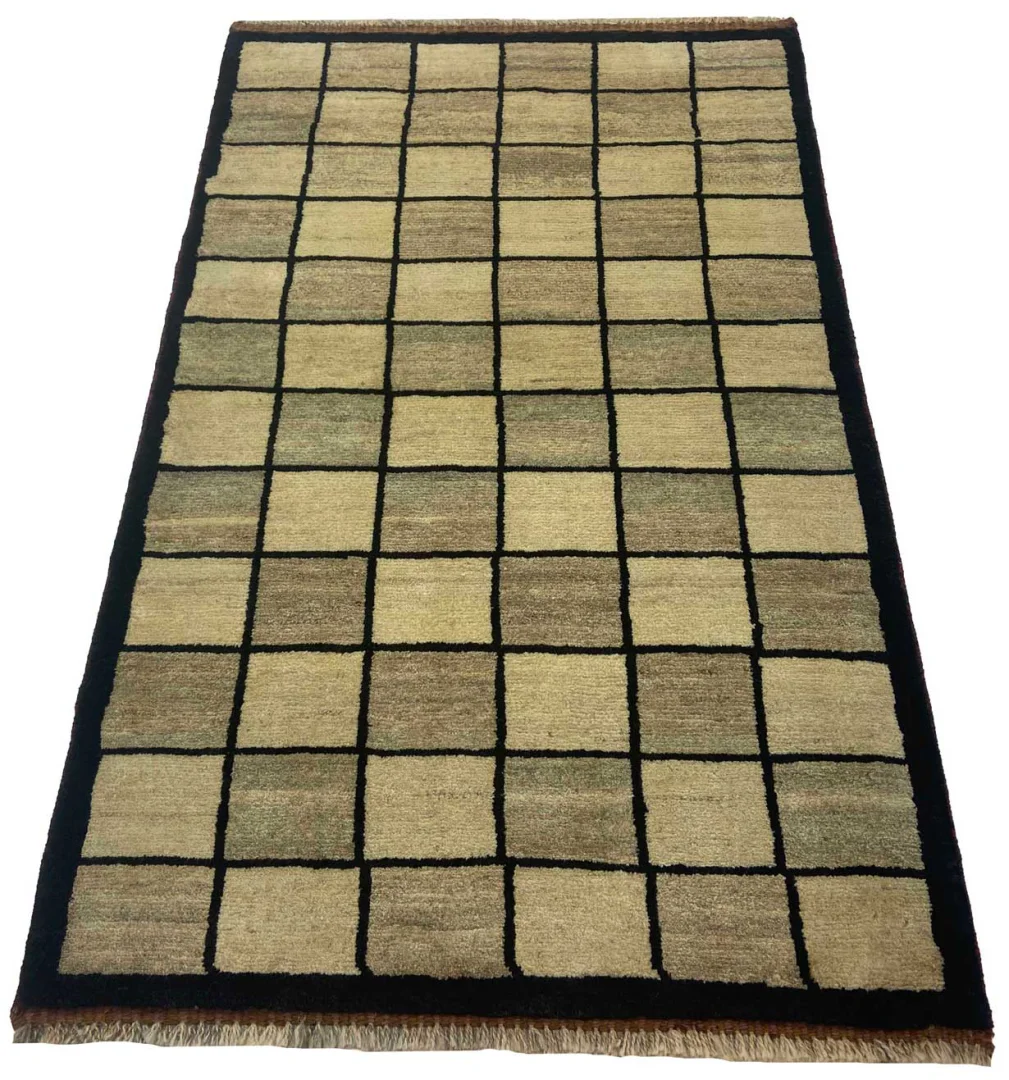
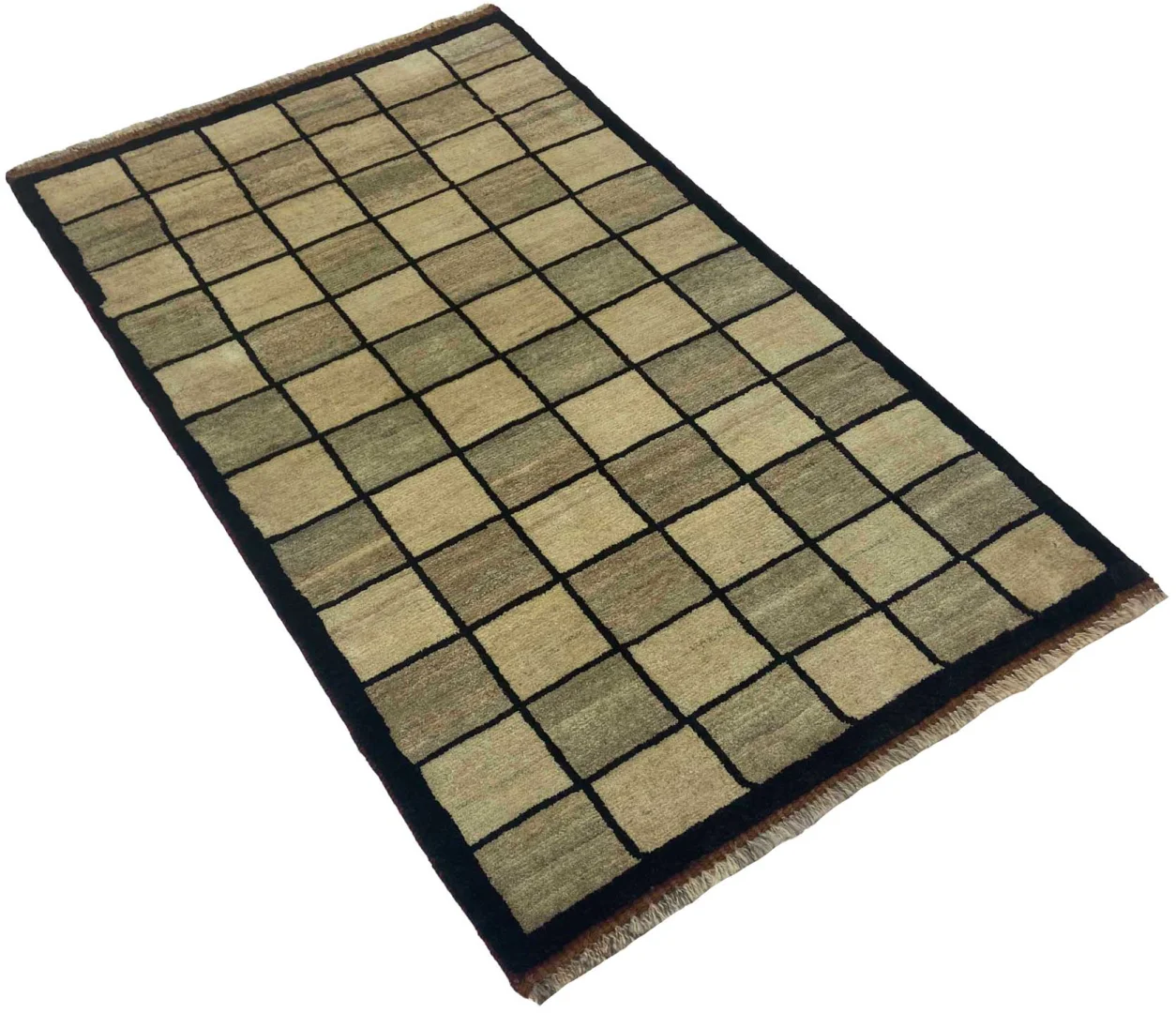
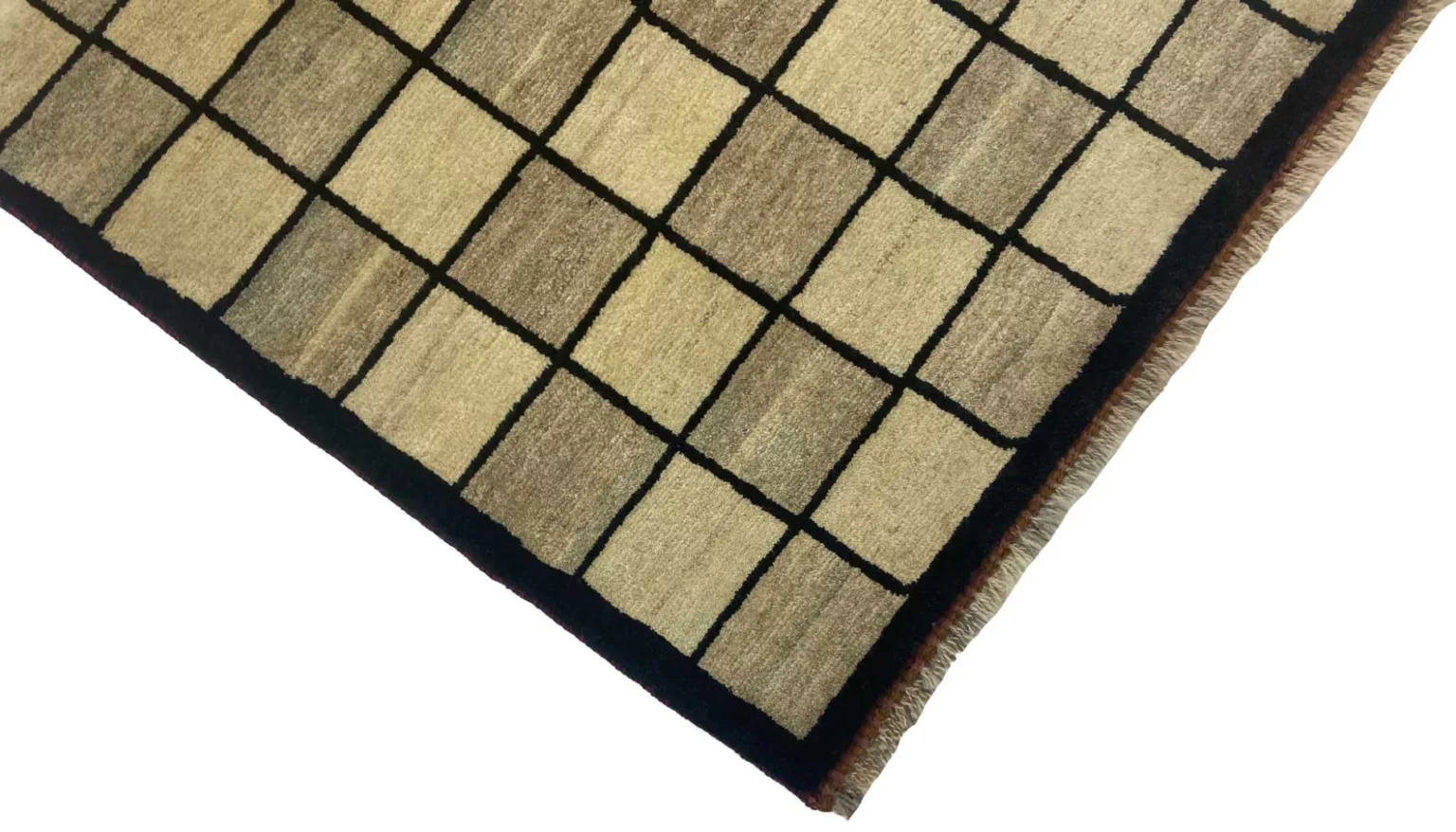
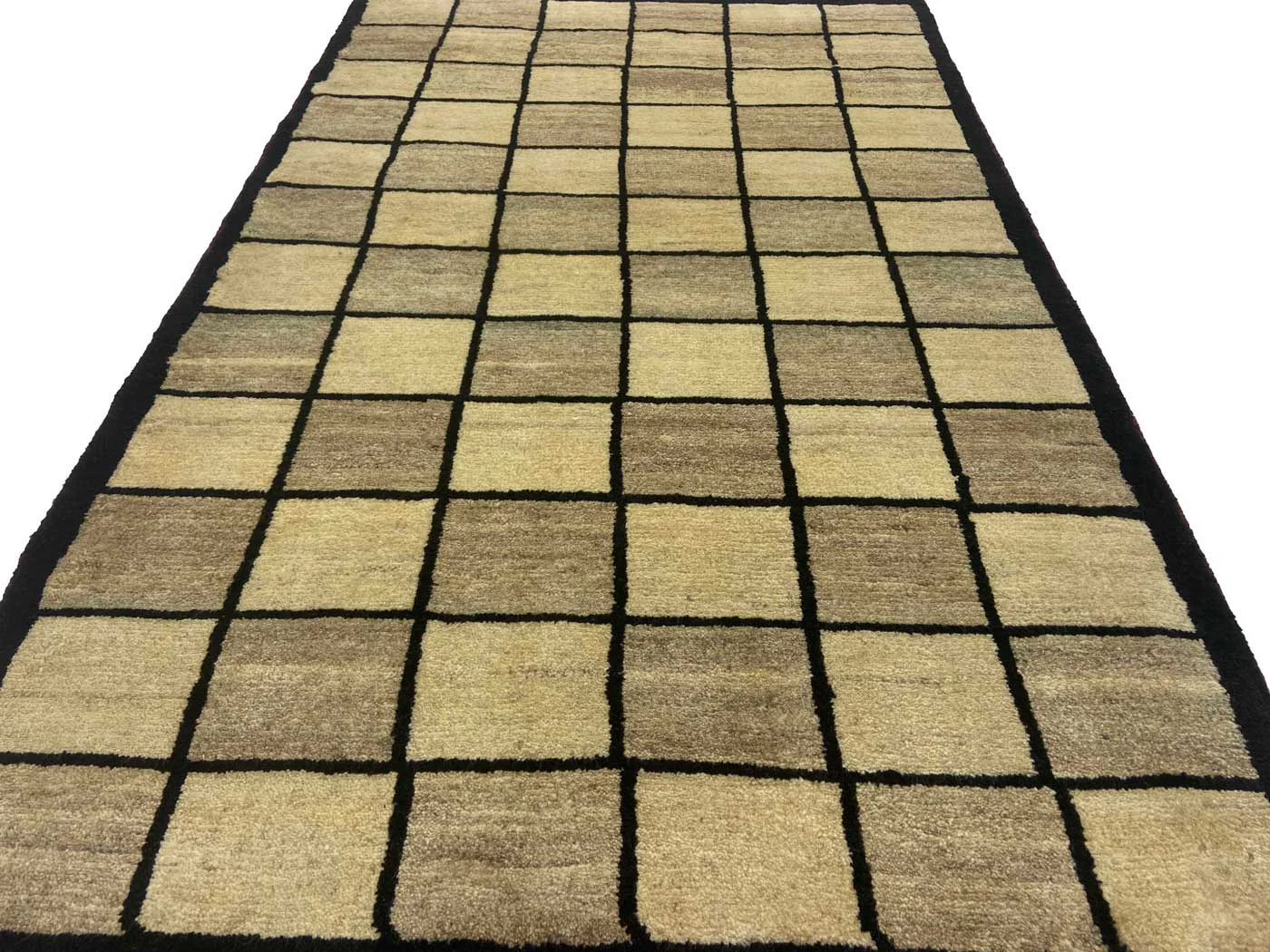
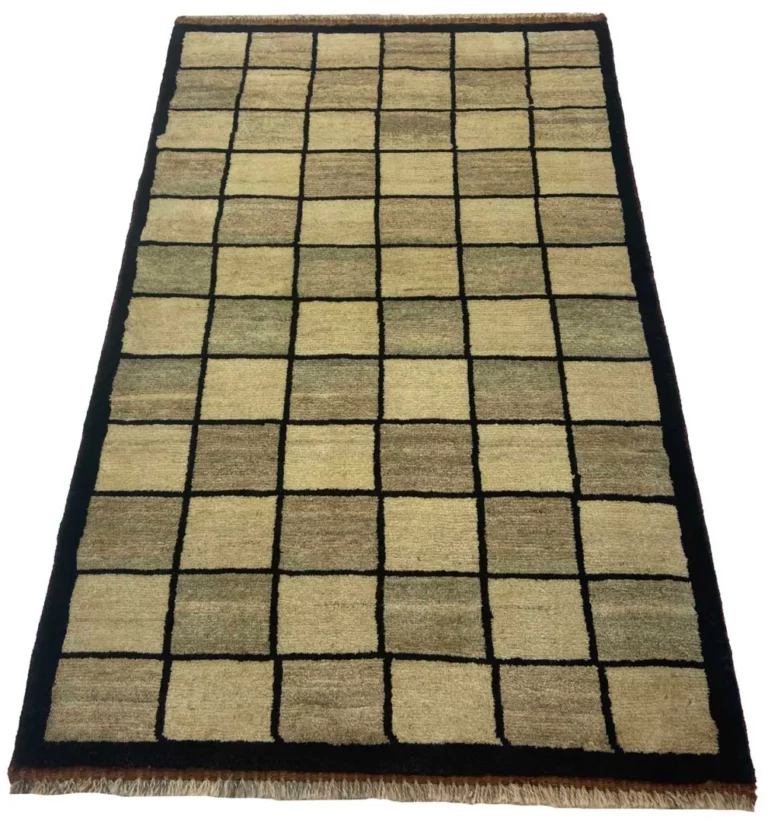
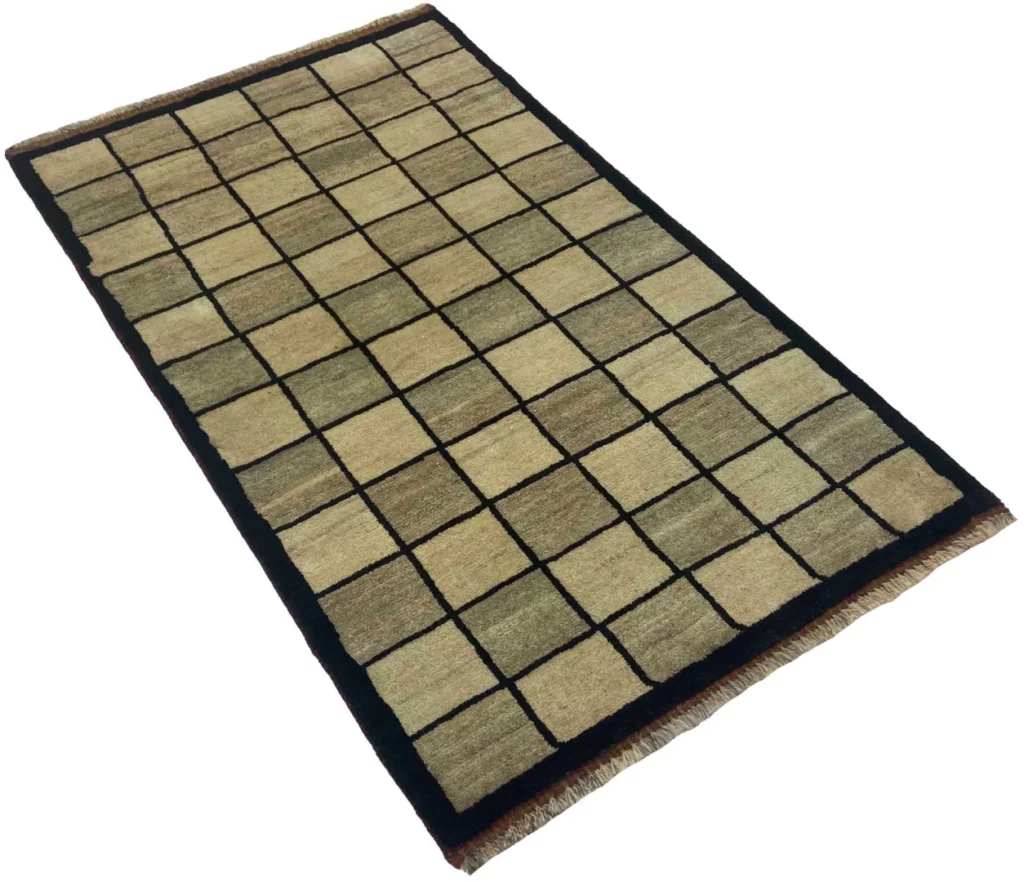
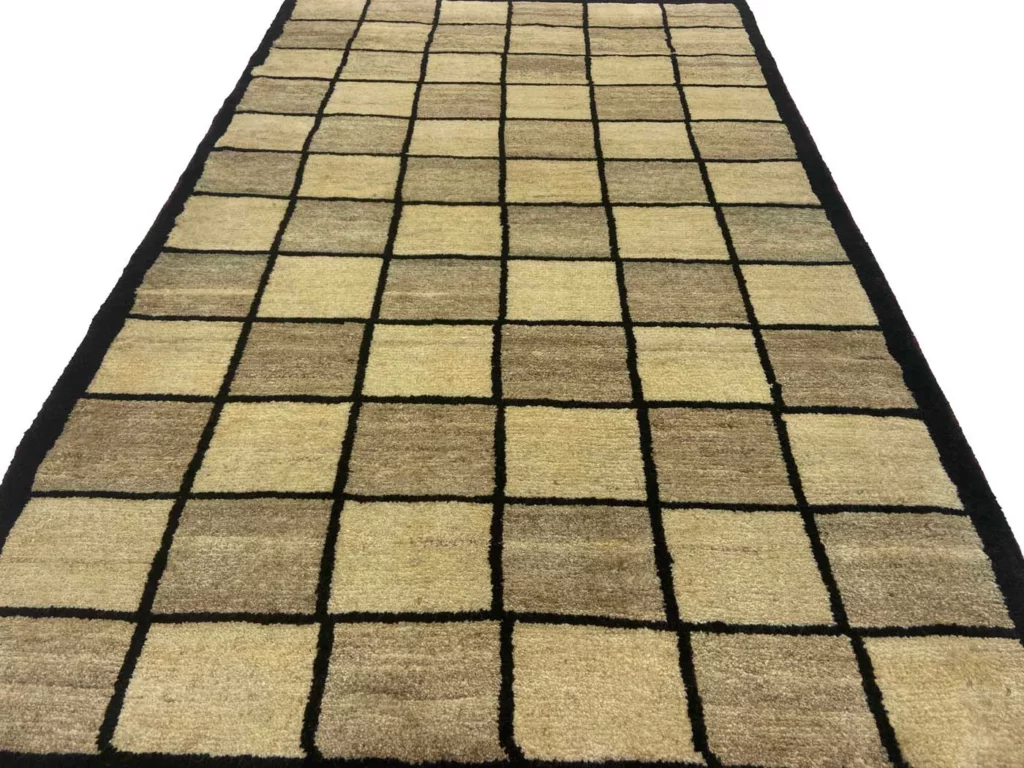
Persian Rug Fars 176 x 106 cm Wool Hand-knotted
€ 630
Hand-knotted Fars Persian Rug | Knot density: 90,000 – 180,000 knots per m² | Material: pile virgin wool | Size: 176 x 106 cm | Pattern: imaginative designs in lively colours
1 available
- ✓Free Shipping in EU
- ✓2-5 Business Days Delivery
- ✓14-Day Return Policy
- ✓Worldwide Shipping on request
 SECURE PAYMENT
 SHIPPING PARTNERS
Inventory number: E6A09282
Description
Fars Persian Rug
Material and Craftsmanship
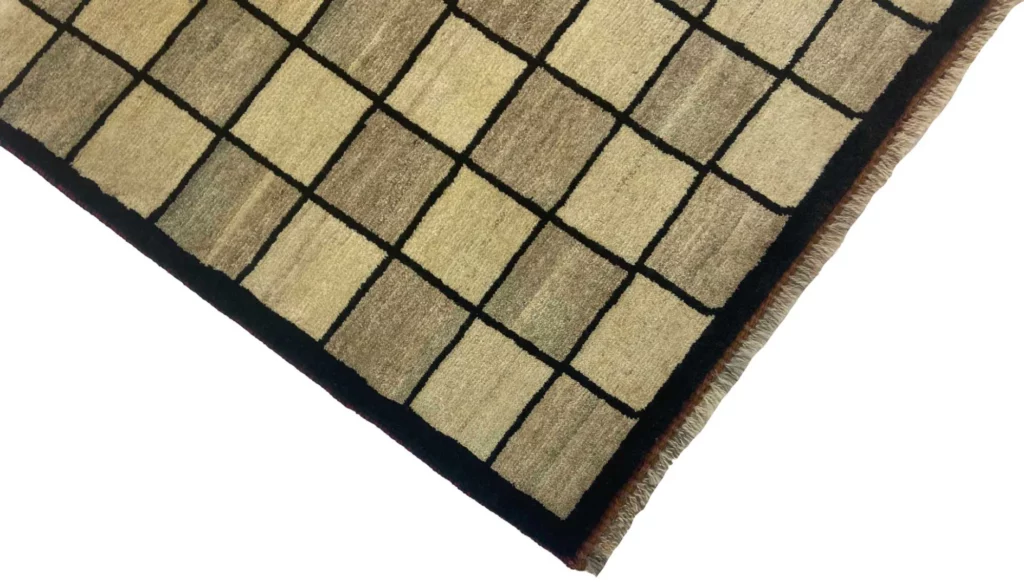
This Gabbeh Shuli is hand-knotted from virgin wool. The wool is described as high quality and is valued for its durability, noticeable lustre and comfortable feel. Natural materials are central to the character of Gabbeh weaving, and the use of virgin wool gives the surface a warm, substantial presence while allowing the colours and patterns to remain clearly visible.
The knot density of Gabbeh Shuli carpets ranges from 90,000 to 180,000 knots per square metre. This range reflects the careful work involved in producing these carpets and the attention devoted to each individual piece. Hand-knotting is a time-intensive craft in which the pattern is built knot by knot rather than applied mechanically. The result is a textile whose appearance is directly connected with the work of the weaver.
The wool used for Gabbeh carpets is also associated with practical qualities. The robust material is known for resistance to dirt and wear, which helps explain why Gabbeh carpets are used in living rooms, bedrooms and offices as well as in areas that receive regular foot traffic. Their comfort and durability belong to the material tradition of the carpet, while the individual design remains a visible expression of the weaving process.
Origin and Tradition
Gabbeh Shuli carpets come from the Fars region in southern Persia, near the historic city of Shiraz. Fars is an important setting for Persian weaving traditions and is particularly associated with carpets in which the character of the wool and the freedom of the design remain easy to recognise. The regional background is not limited to a single formal pattern. Instead, Gabbeh weaving allows the individual approach of the weaver to play an important role.
The name Gabbeh is connected with a group of Persian carpets known for their direct, clearly expressed designs and their use of wool. Within this broad tradition, Gabbeh Shuli is presented as a form with lively colours and imaginative patterns. The designs can be less structured than those of carpets based on highly regular repeating schemes. This openness gives the weaver room to vary the arrangement of forms and to develop a composition that does not look like a mechanically repeated template.
Fars lies in the south of Persia and has long been connected with nomadic and village weaving cultures as well as with the wider Persian textile tradition. In such a context, carpets are not only functional floor coverings but also textiles in which local materials, practical knowledge and visual memory meet. The Gabbeh tradition is distinguished by the way its makers allow creativity and personal interpretation to shape the surface. Each composition can therefore reflect the individual style of the person who knotted it.
Shiraz provides an important historical reference point for the region, but Gabbeh Shuli should not be confused with every carpet associated with Shiraz or with every Persian carpet from Fars. The name identifies a particular Gabbeh style within the wider regional tradition. Other related forms include Gabbeh Fars and Gabbeh Lori. These types share an interest in handmade production, varied colour and individually developed patterning, while remaining distinct design traditions.
The growing interest in Gabbeh carpets beyond their original region reflects the broad appeal of this form of Persian weaving. Collectors and people interested in handmade carpets value the visible relationship between material and design. Unlike a pattern that depends entirely on strict symmetry, a Gabbeh composition can show a more open arrangement and a wider range of colour. This makes the tradition an important example of how regional weaving can combine everyday usefulness with personal artistic expression.
Other Persian weaving centres such as Kerman and Tabriz are also known for traditional carpet production and for technically detailed designs. They offer useful points of comparison within Persian carpet history, but they are not the origin of this Gabbeh Shuli. The regional identity of this carpet is Fars. Kerman and Tabriz represent separate traditions whose patterns and working methods developed in their own historical environments.
Design and Pattern
The design of this Gabbeh Shuli is described as lively and imaginative. Gabbeh Shuli patterns are not defined by one single motif, and the freedom of the design is part of their character. Weavers can combine forms in ways that leave more open space and create a composition with a less formal rhythm. The pattern is therefore understood through its overall visual balance as well as through the individual elements placed across the surface.
Red, beige, grey and brown are among the colours most frequently used in Gabbeh Shuli carpets. These tones can appear together in a harmonious palette, creating a warm and inviting impression. Red contributes depth and presence, beige introduces a light natural note, grey provides a restrained contrast, and brown connects the palette with the earthy character commonly associated with wool. Their interaction is more important than any single colour in isolation.
The colour language of Gabbeh weaving is closely related to the handmade nature of the carpet. Variations in the arrangement of colours help distinguish one composition from another and allow the weaver to develop a personal visual statement. A design may appear simple at first glance while still depending on carefully considered relationships between background, motifs and coloured areas. The resulting surface can be clear and readable without following the strict order of a formal all-over pattern.
Gabbeh carpets are often recognised for less structured patterns and for a broad variety of colour. This does not mean that their designs are accidental. Their character comes from a different kind of order: forms, colours and spaces are arranged with greater freedom, while the hand of the maker remains part of the appearance. The individual style of the weaver can be seen in the choice of colour combinations, the scale of forms and the way the composition is distributed.
Gabbeh Shuli belongs to a tradition in which imagination is an important part of the design process. The weavers are described as giving their creativity room, producing patterns that are distinctive rather than uniform. This approach separates Gabbeh Shuli from carpets whose identity depends primarily on a fixed medallion, a strict border system or a prescribed floral repeat. It also explains why related Gabbeh carpets can share a regional character while still displaying markedly different surfaces.
Within Persian carpet culture, pattern is never entirely separate from technique. The hand-knotted structure records the decisions made during production, and the wool provides the physical ground on which the colours are expressed. In Gabbeh Shuli, the result is a design tradition that joins a durable natural material with varied visual ideas. The carpet can therefore be read both as a practical textile and as a handmade composition shaped by regional knowledge.
Special Features
The defining features of this Gabbeh Shuli are its Fars origin, hand-knotted construction, virgin wool and imaginative colour design. Its palette is associated with red, beige, grey and brown, while the Gabbeh Shuli tradition allows the pattern to remain individual and less rigidly structured. These characteristics make the carpet recognisable within the wider field of Persian weaving without assigning it to another regional style.
Gabbeh carpets are also valued for practical use. Their robust wool is described as resistant to dirt and wear, making the type suitable for rooms that are used regularly. Regular care supports the longevity of the material: vacuuming without a brush attachment and occasional airing outdoors are recommended. Spills should be dabbed promptly with a damp cloth and treated with mild soapy water. Professional cleaning every few years is also recommended.
The individuality of Gabbeh Shuli is further connected with its changing patterns and colours. Natural wool, hand-knotting and the freedom of the design work together to create a carpet with a clear handmade identity. With appropriate care, Gabbeh carpets can remain usable for generations, retaining the practical and visual qualities associated with their material and weaving tradition.
FAQ
How should I care for a Gabbeh Shuli carpet?
Vacuum the carpet regularly without using a brush attachment, and occasionally air it outdoors by gently beating it out. If a spill occurs, dab the area promptly with a damp cloth rather than rubbing it aggressively. Mild soapy water can be used for treatment. Professional cleaning every few years is recommended to support the longevity of the virgin wool and to remove dirt that ordinary maintenance cannot reach.
How can I recognise a genuine Gabbeh carpet?
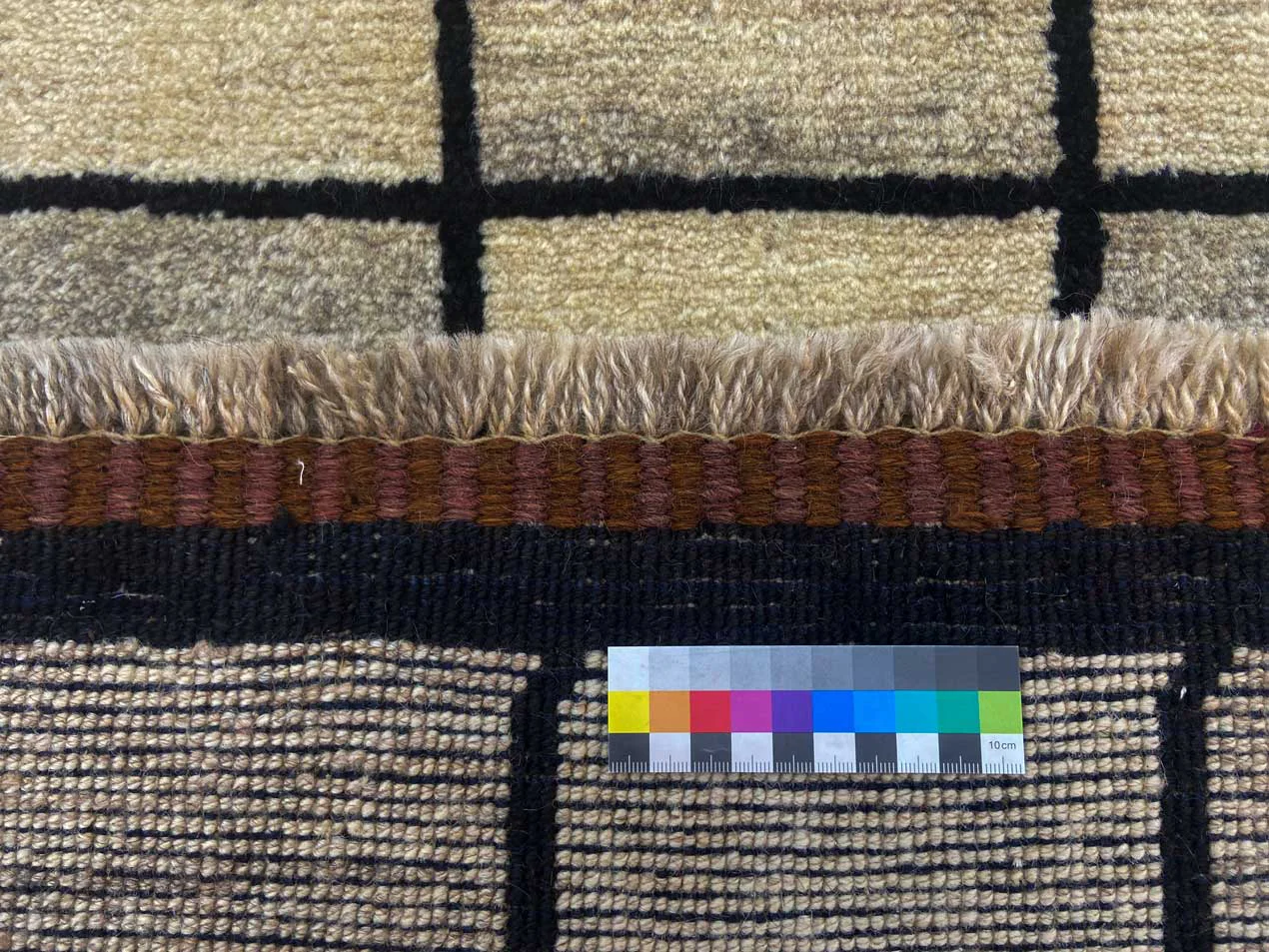
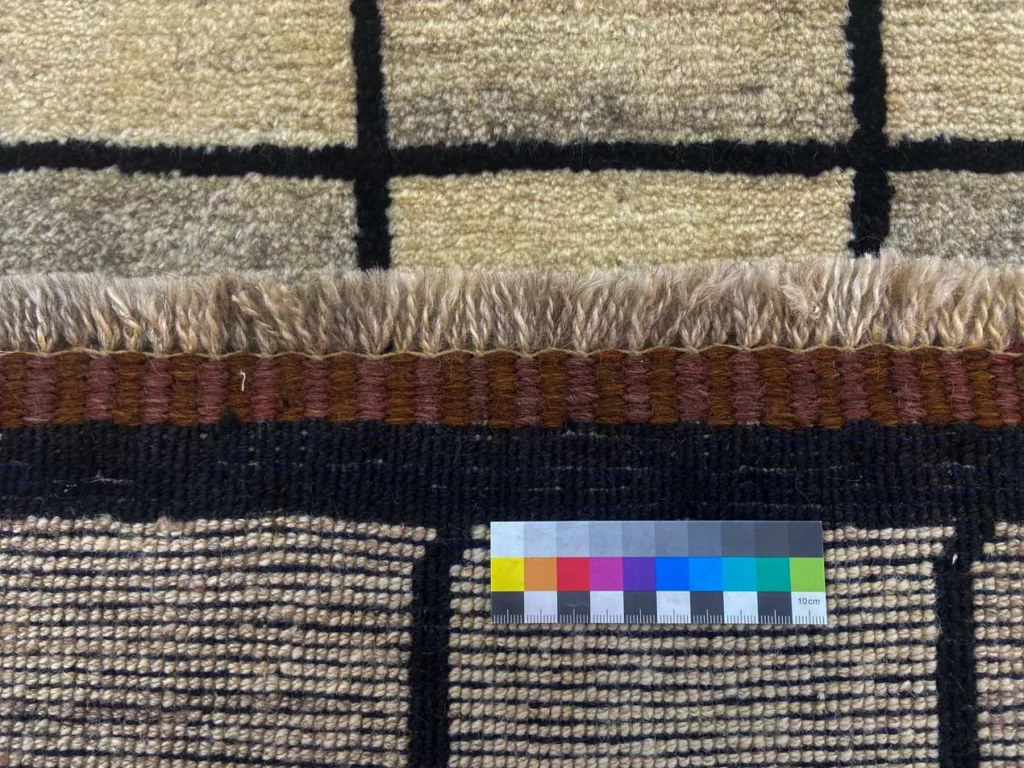
A genuine Gabbeh carpet is identified by its hand-knotted construction and its use of natural materials such as virgin wool. Examine the knots and the back of the carpet: the reverse should show an even, clean workmanship. Varied patterns and colours are also typical signs of the individual character associated with Gabbeh weaving. These features should be considered together rather than relying on a single visual detail.
Which size should I choose for a Gabbeh Shuli carpet?
The suitable size depends on the room and on how the carpet will be used. Consider whether it is intended as an accent piece, as a foundation for furniture or as a central element in the room. Measure the available area carefully before choosing, and take door clearance, furniture placement and walking paths into account. Gabbeh carpets are made in different sizes, allowing the design to be matched to both smaller accent areas and more generously proportioned rooms.
Additional information
| Design Style | |
|---|---|
| Color | |
| Size | |
| Shape | |
| Origin | |
| Knot Density | |
| Material |
Related products

Persian Rug Gabbeh 200 x 300 cm Cashmere Hand-knotted
€ 1325
Oriental Rug Kelim 240 x 180 cm Wool Hand-woven
€ 2249
Persian Rug Qashqai 288 x 193 cm Wool Hand-woven
€ 798
Persian Rug Heriz ca 341 x 242 cm Wool Hand-knotted
€ 1800
Persian Rug Tabriz approx. 350 x 245 cm Wool Hand-knotted
€ 1280
Persian Rug Qashqai 300 x 197 cm Wool Hand-woven
€ 798
Persian Rug Qashqai 284 x 183 cm Wool Hand-woven
€ 798
Oriental Rug Loribaft 200 x 300 cm Wool Hand-knotted
€ 1800