
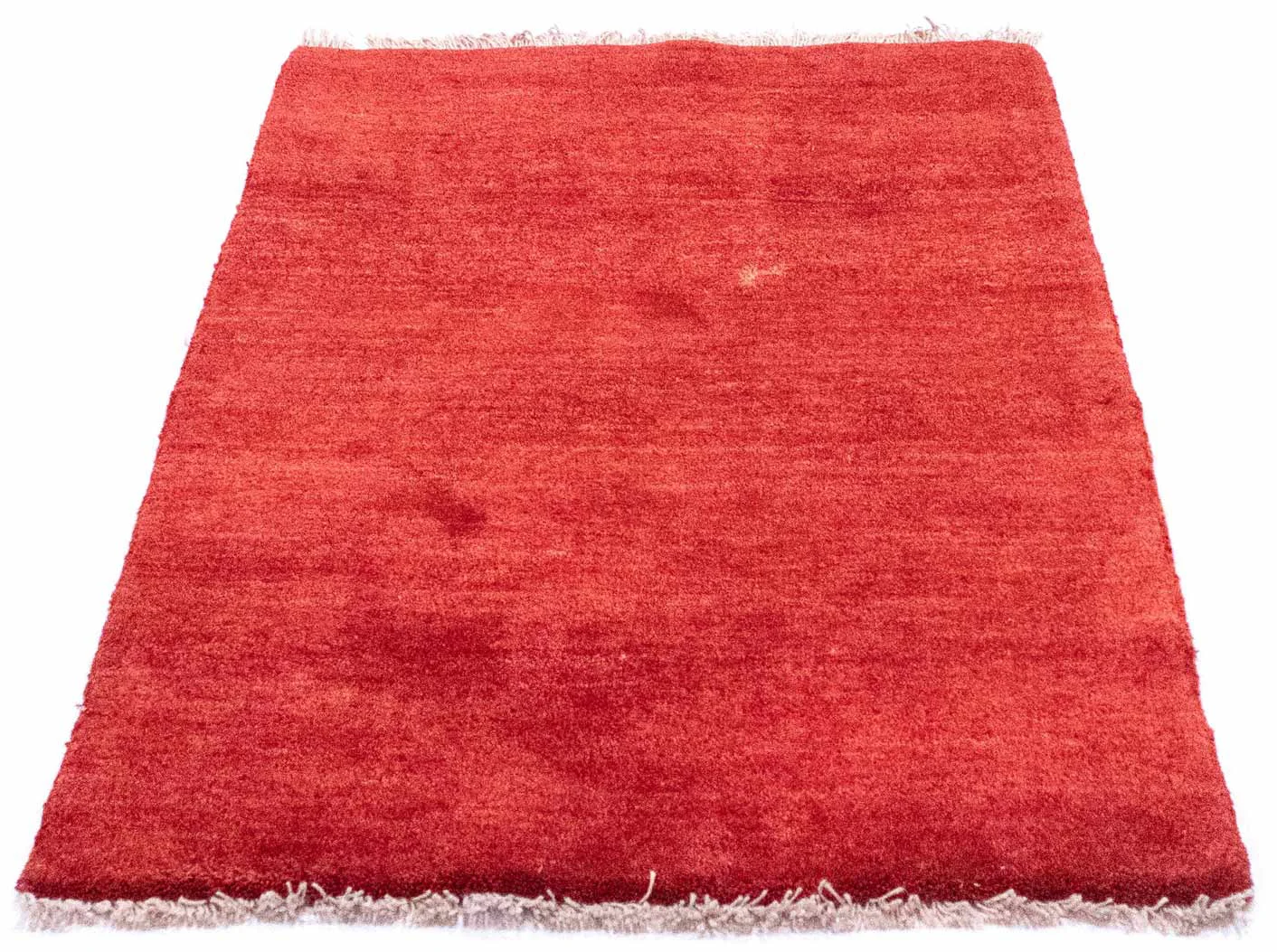
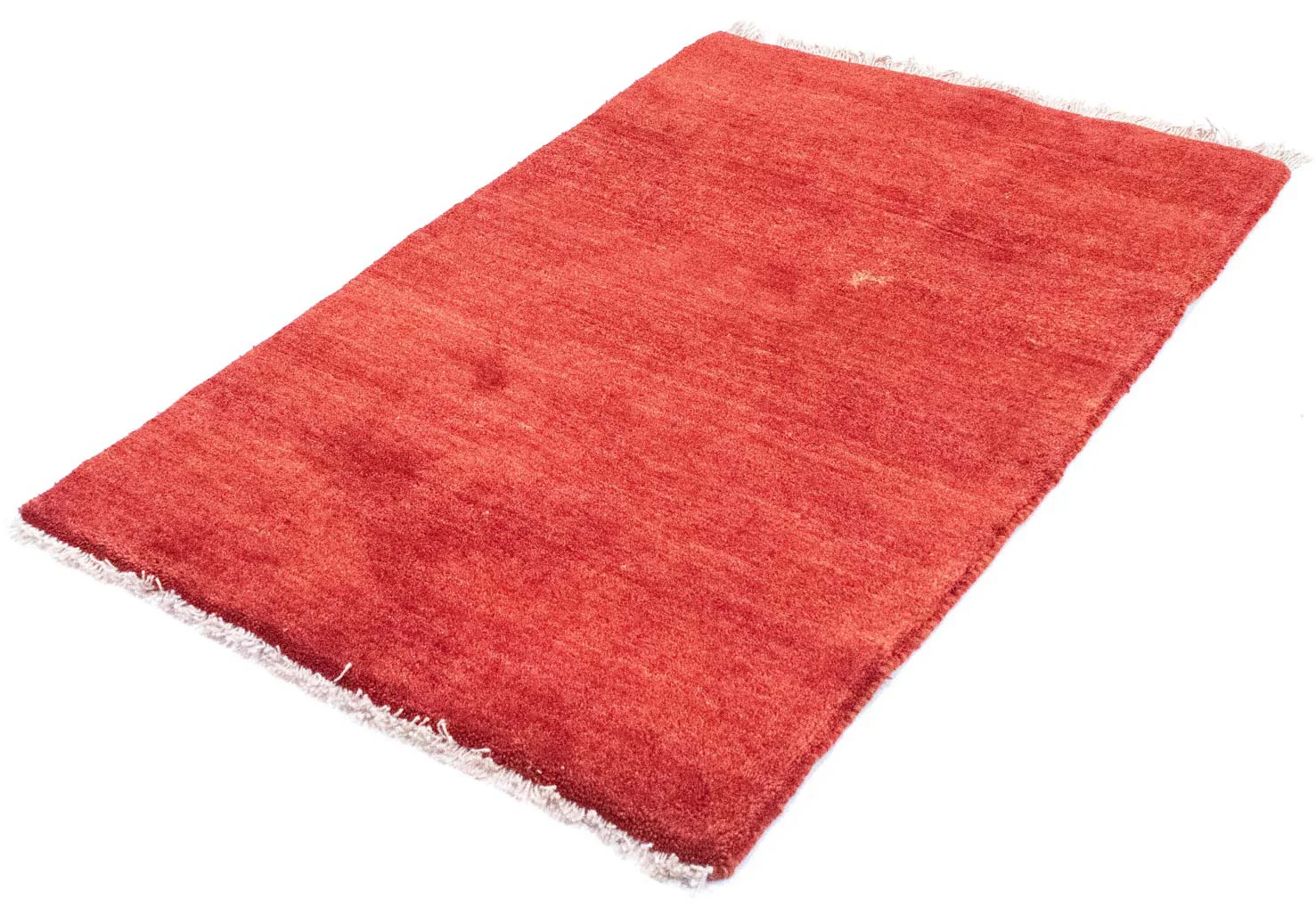
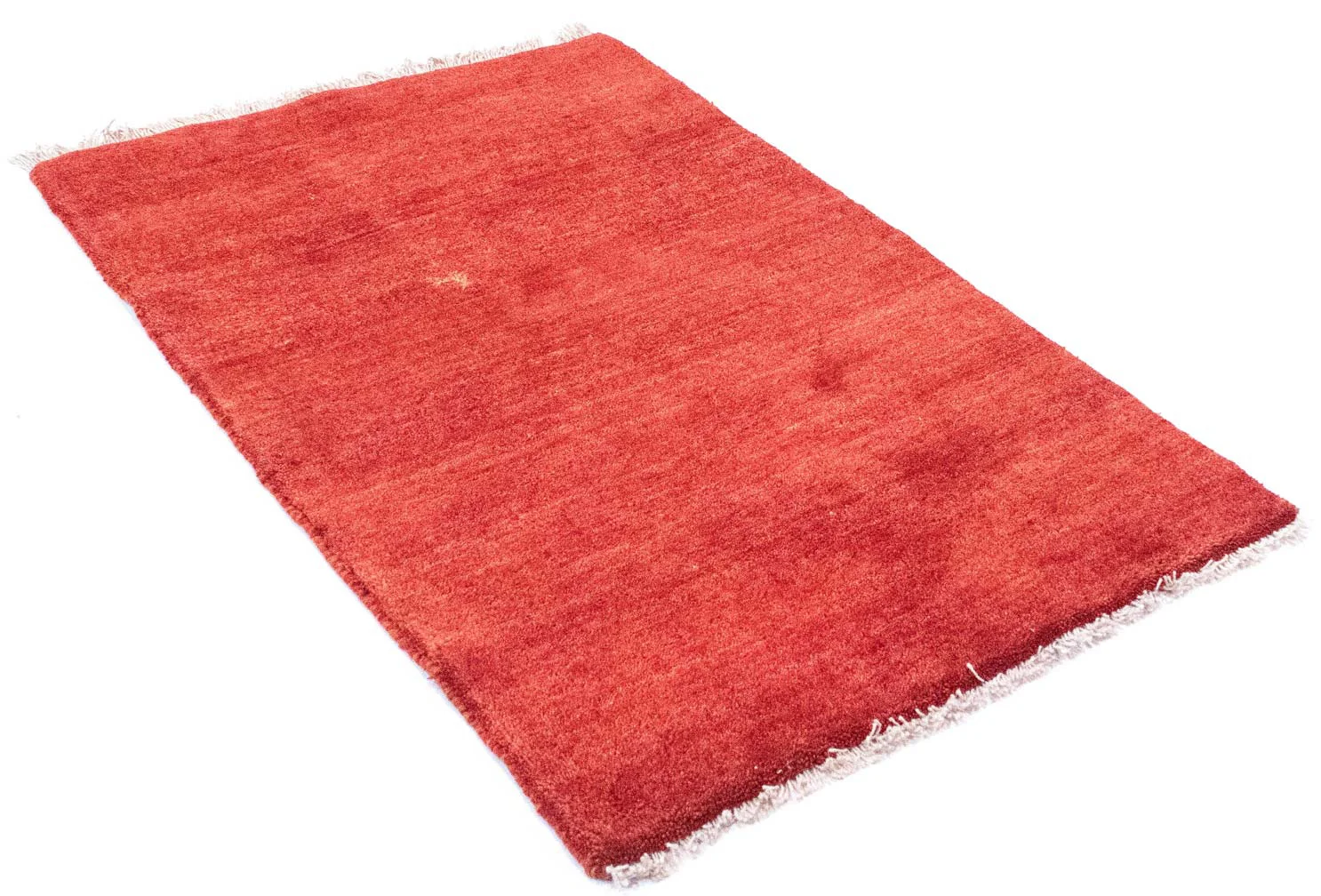
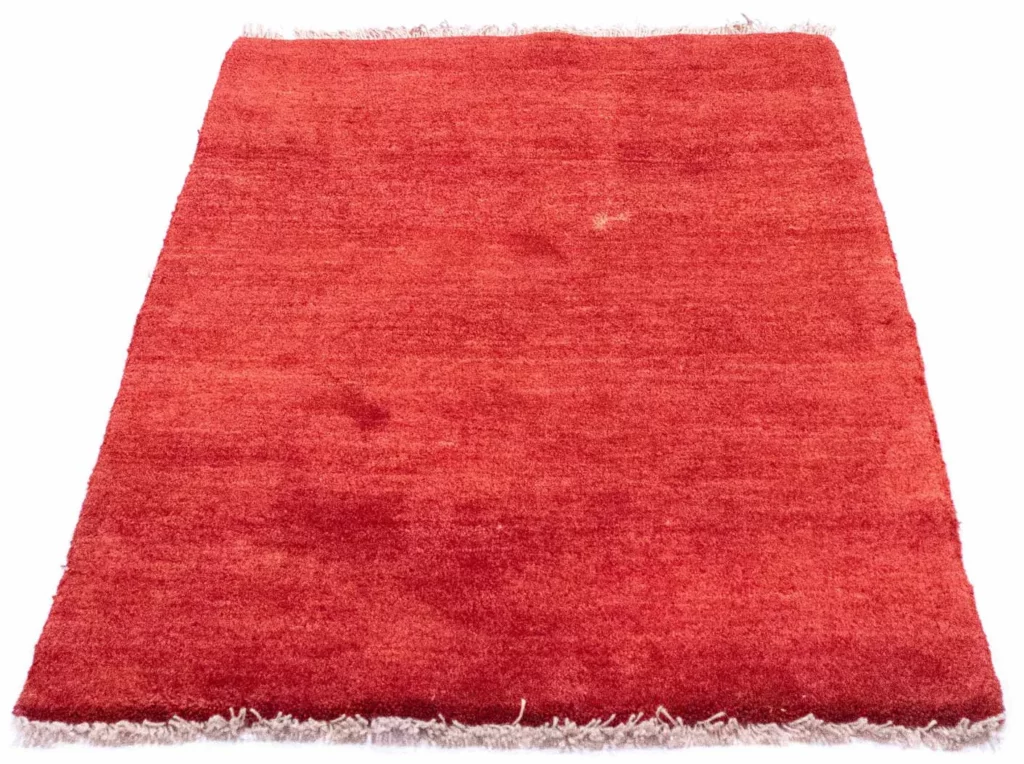
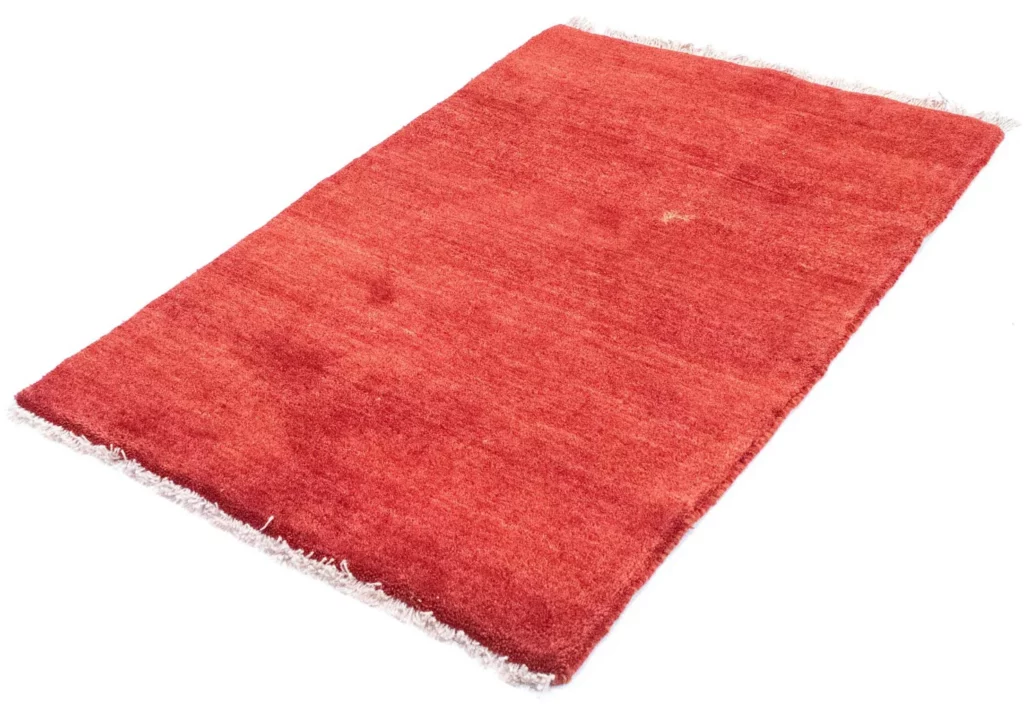
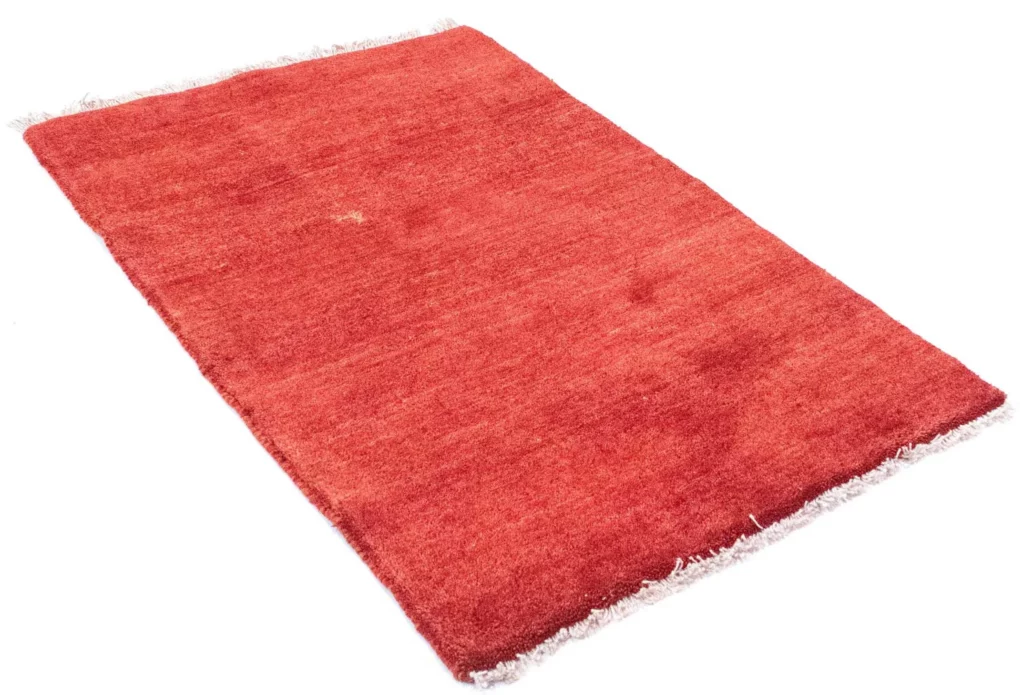
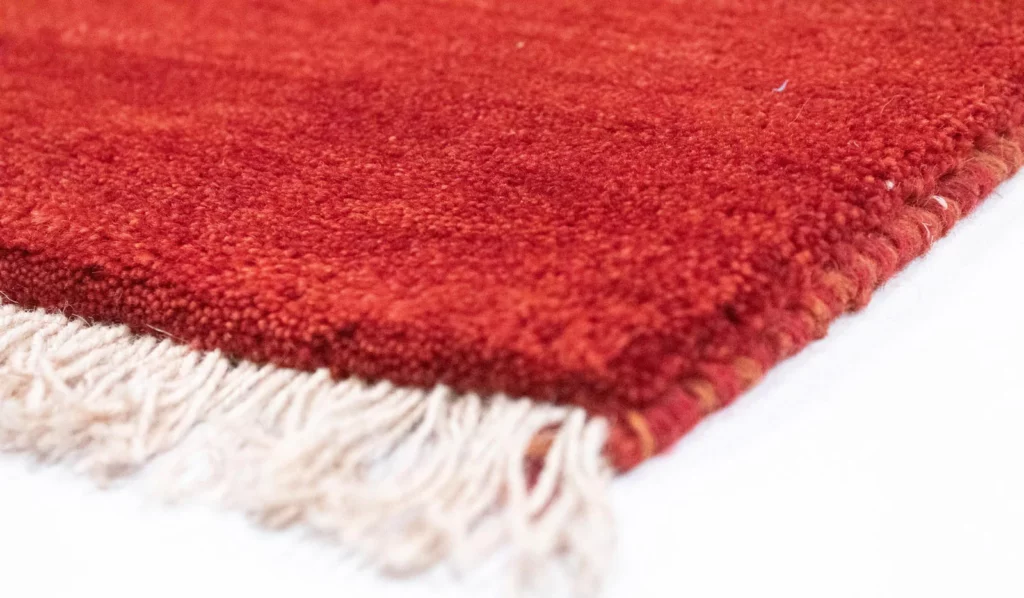
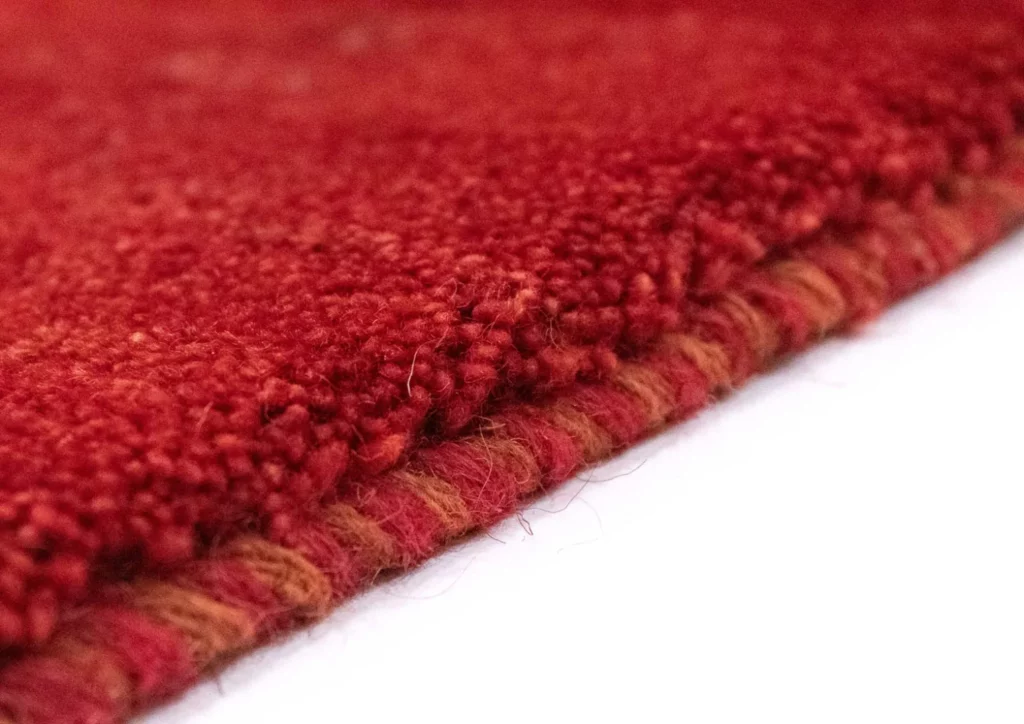
Persian Rug Fars 115 x 73 cm Wool Hand-knotted
€ 530
Hand-knotted Fars Persian rug | Knot density: 50,000 – 150,000 knots/m² | Material: Pile hand-spun sheep and goat wool | Size: 115 x 73 cm | Pattern: Abstract designs with large colour fields | Condition: New with a soft pile
Sold out
- ✓Free Shipping in EU
- ✓2-5 Business Days Delivery
- ✓14-Day Return Policy
- ✓Worldwide Shipping on request
 SECURE PAYMENT
 SHIPPING PARTNERS
Inventory number: 19927A22
Description
Fars Persian Rug
Material and Craftsmanship
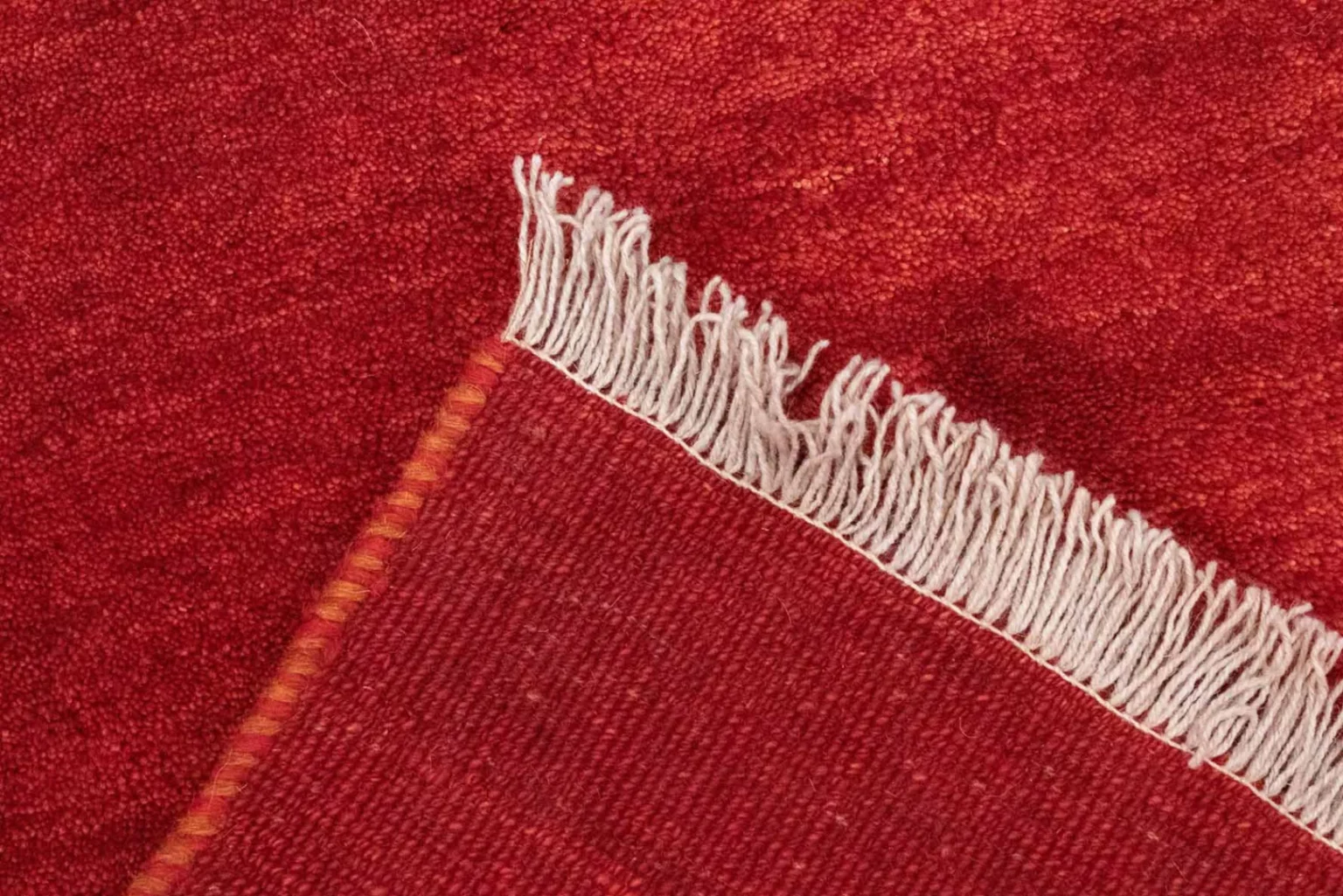
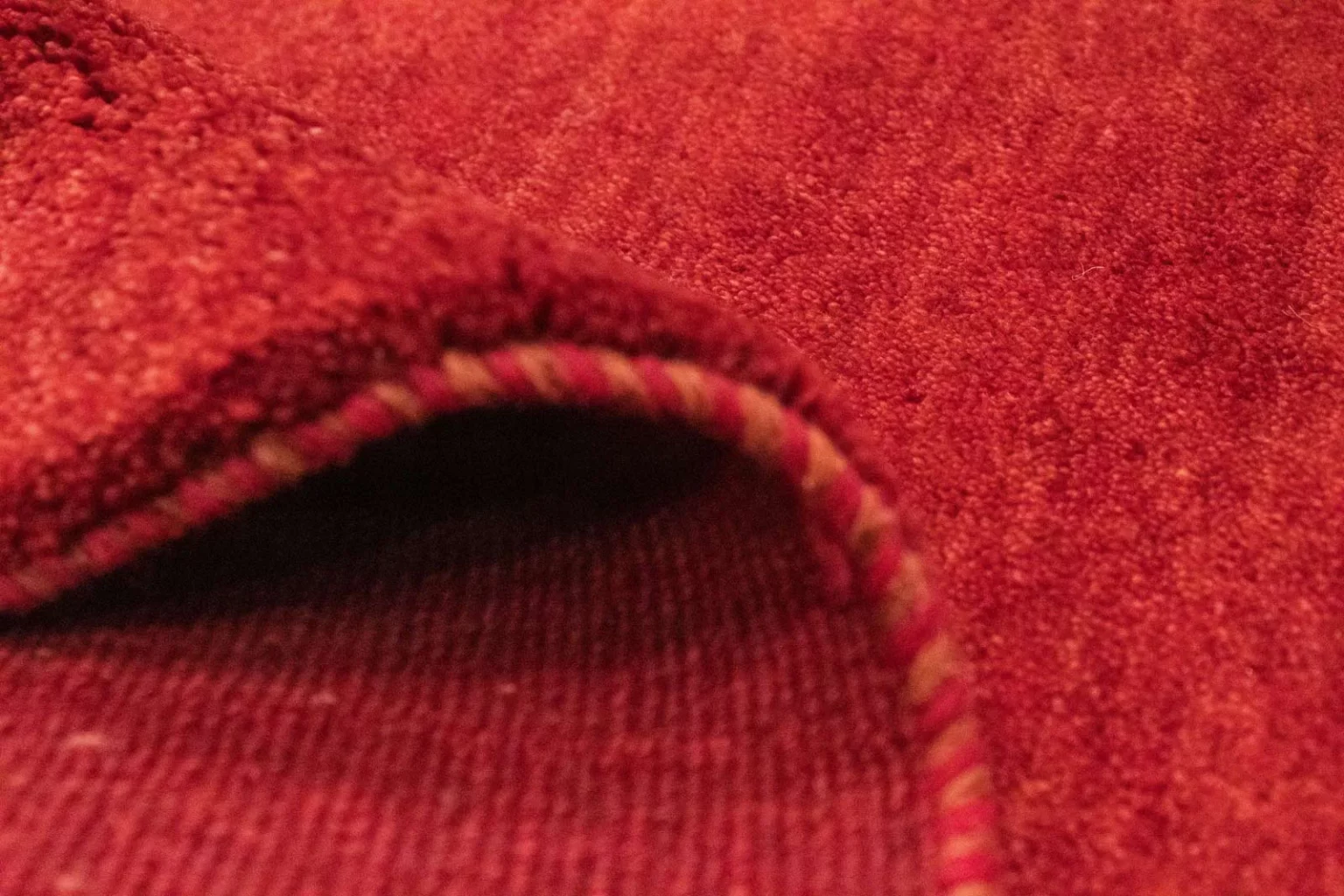
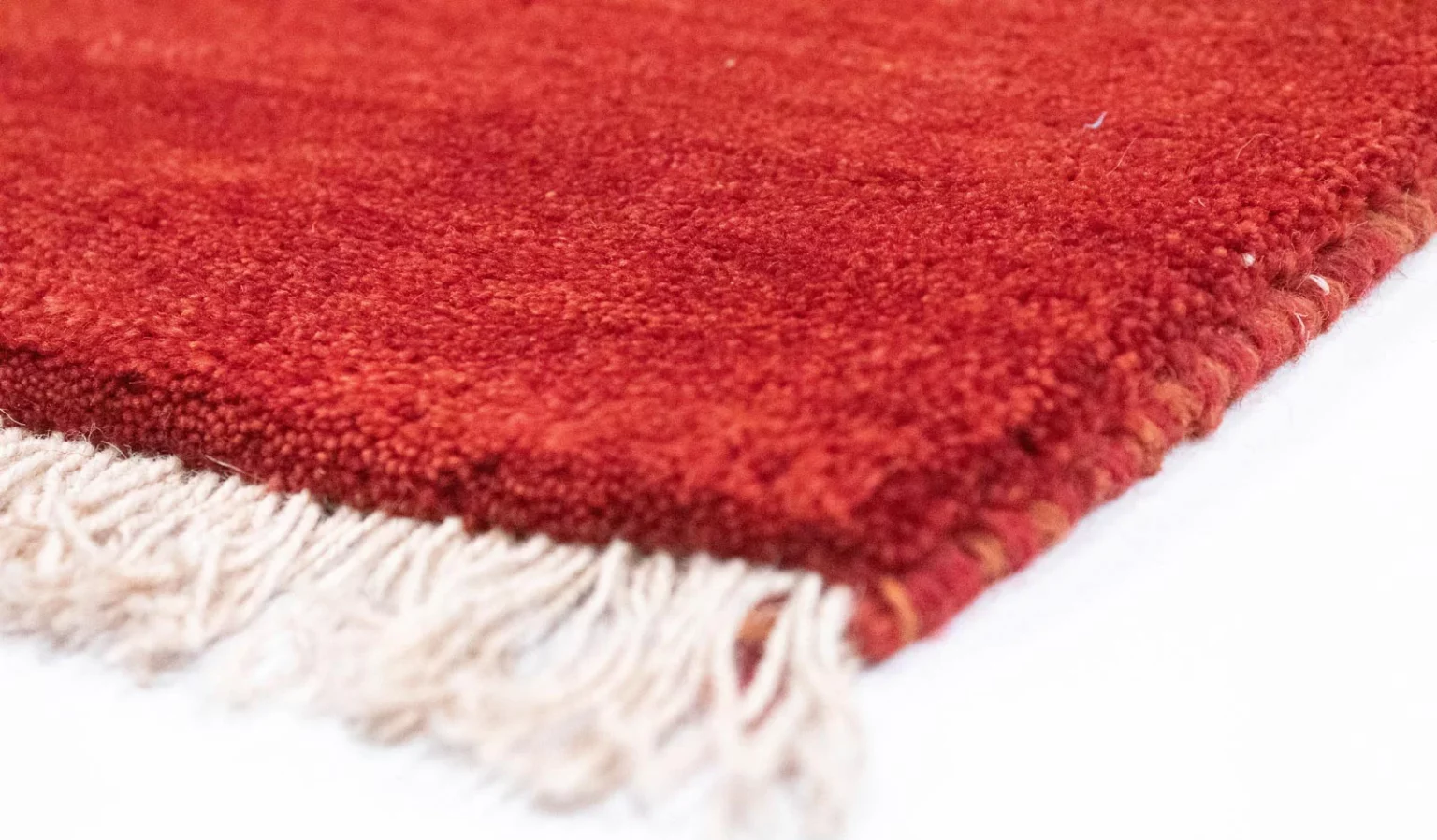
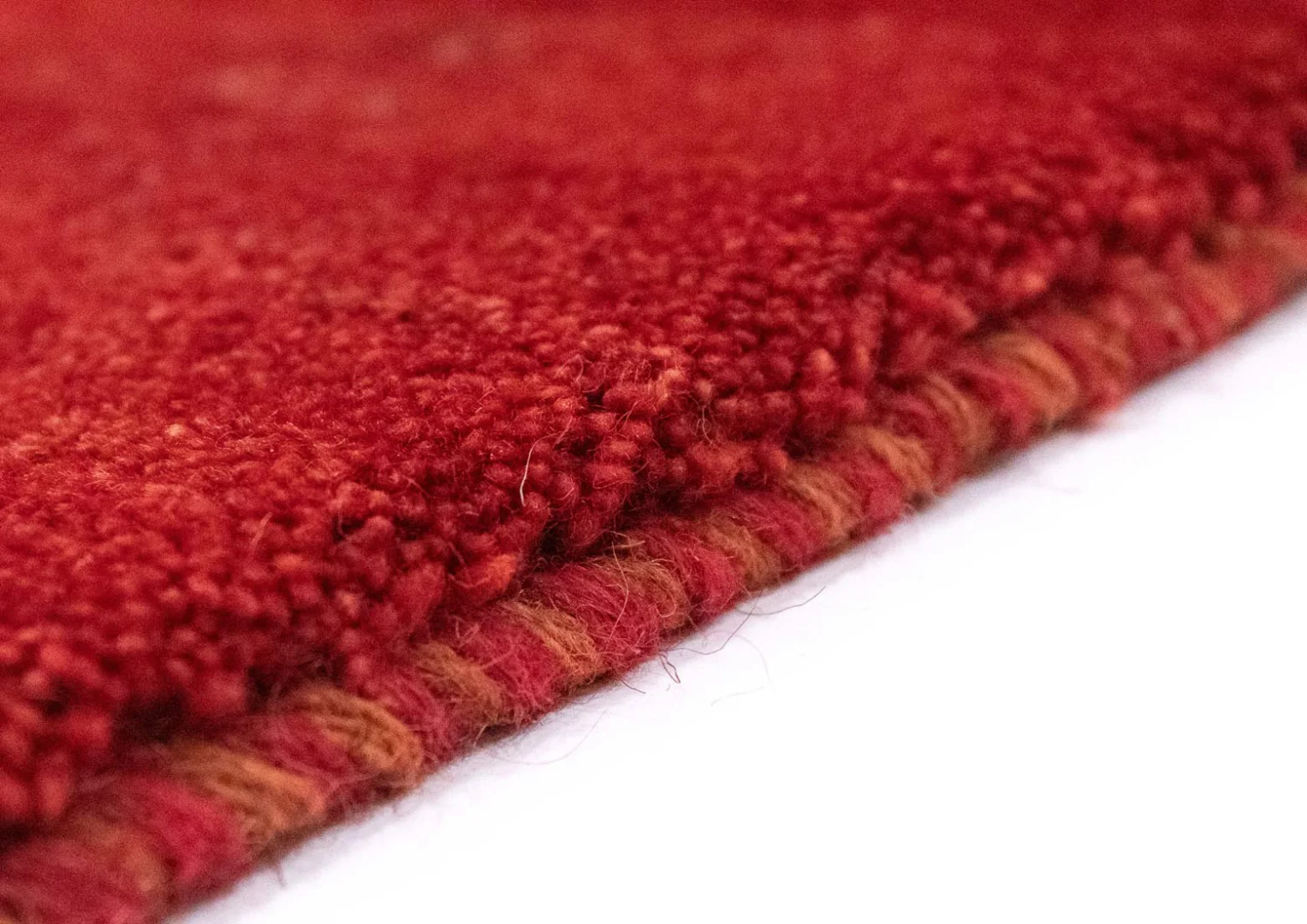
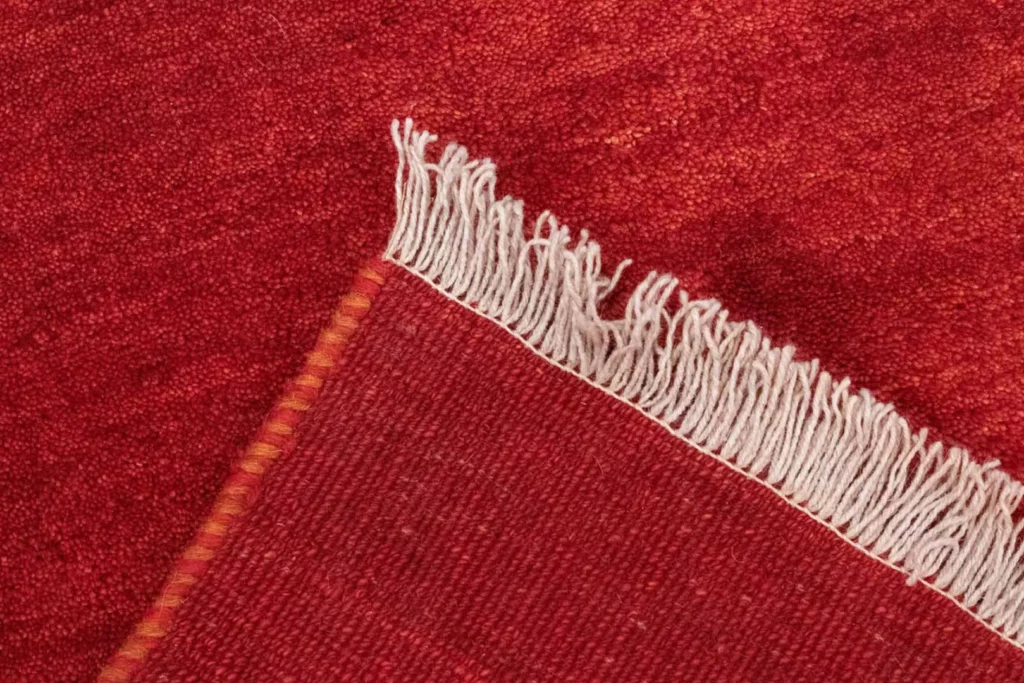
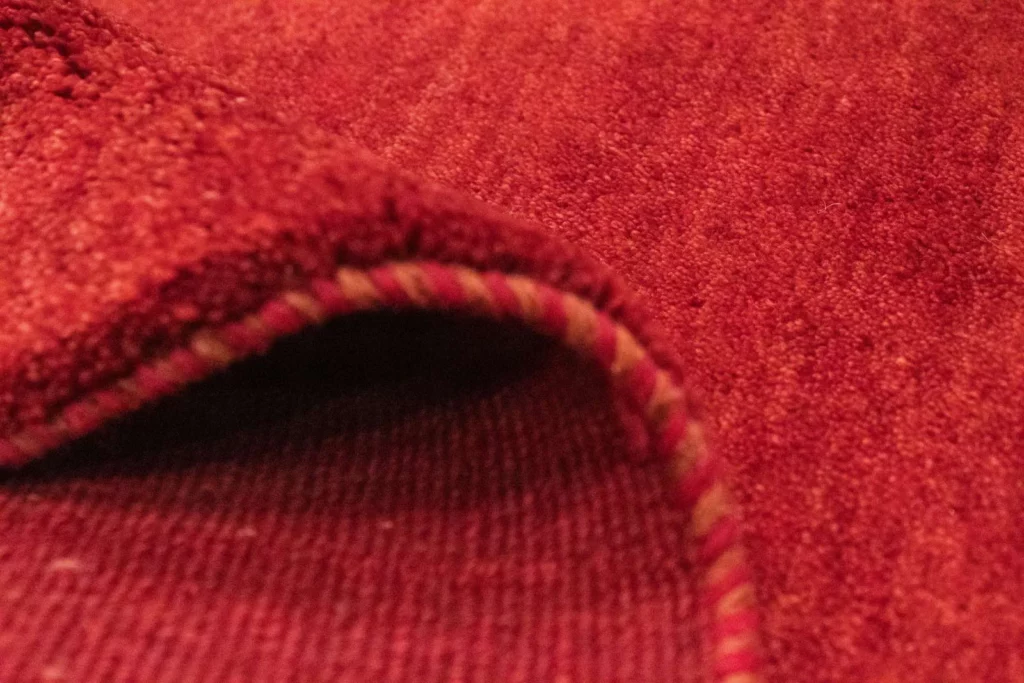
This Gabbeh is hand-knotted and has a high, soft pile. The pile is made from hand-spun sheep and goat wool. As a natural fibre, wool gives the rug a pleasant tactile quality and supports the soft character associated with a Gabbeh. The high pile creates a comfortable surface and makes this Persian rug suitable for use in a child’s room.
The hand-made construction joins individual knots into a stable textile surface. This rug has a knot density of 50,000 – 150,000 knots/m². Knot density indicates the number of knots within a defined area and is an important technical feature of a hand-knotted rug. Here, it is combined with a high pile to bring together a soft feel and a firm construction.
Hand-spun wool retains a natural textile structure rather than the completely uniform appearance of an industrial fibre. In a Gabbeh, that structure supports the direct, practical character of nomadic weaving. The combination of sheep and goat wool, handwork and a high pile defines the surface of this Persian rug. The rug is new and is described as having a soft pile.
A Gabbeh is not traditionally defined by elaborate ornament alone. Its craftsmanship is expressed through the relationship between knotting, yarn, pile and composition. This rug brings together that hand-knotted technique with abstract designs and large colour fields. The material structure remains visible alongside the reduced design.
Hand knotting is a process in which the rug develops gradually through the repeated placement of knots and the formation of the pile. It is different from a printed surface because the pattern is integrated into the construction of the textile. In Gabbeh weaving, this process is traditionally associated with a useful, tactile and relatively substantial surface. The wool contributes to both the feel and the visual character of the finished rug.
The choice of wool is also connected with the history of nomadic rug making. Wool is a natural fibre that can be spun, handled and woven within a textile tradition based on practical knowledge. Hand-spun yarn can show small variations in texture, and these variations are part of the direct character of hand-produced textiles. The high pile gives this Gabbeh its soft surface and contributes to its intended use as a comfortable floor covering.
Origin and Tradition
This rug was made by Ghashghai nomads in Fars, Iran. It therefore belongs to the south-western Iranian tradition of Gabbeh weaving. Fars has long been associated with nomadic ways of life and with the production of hand-knotted rugs. Gabbehs are often connected with nomadic communities in south-western Iran. Their appearance developed from a setting in which rugs served everyday purposes while also expressing the makers’ own textile culture.
The Ghashghai are an important nomadic community in Iran. Their textile knowledge includes the preparation of wool, spinning, dyeing, knotting and the arrangement of colour and form. A Gabbeh from Fars consequently refers not only to a geographical origin, but also to a particular way of passing on craft knowledge. Experience within the community is combined with individual decisions about colour, structure and pattern.
In rug terminology, Gabbeh describes a type generally associated with a relatively high pile and a simple, expressive design. The composition often leaves larger areas open and visible. Rather than filling the entire field with dense ornament, the design gains its effect from proportion, colour and the deliberate use of visual space. This reduced approach is one of the features that distinguishes the Gabbeh tradition from more densely ornamented Persian rug formats.
The nomadic background also explains the close relationship between use and design. A rug had to function in everyday life while reflecting the aesthetic ideas of the people who made it. Nature, animals, people and memories may appear in simplified forms. This does not produce one fixed template. Instead, the tradition allows variations and personal interpretation within a recognisable regional and technical framework.
In Iranian rug culture, colours and motifs are often understood as capable of carrying associations. They may refer to daily life, the landscape or the experiences of a nomadic community. With an abstract Gabbeh, these references are not necessarily presented as clearly identifiable scenes. Simplified forms allow colour fields, lines and open spaces to work together without requiring a fully detailed pictorial narrative.
The history of Gabbeh weaving is closely related to the practical circumstances of nomadic life. A rug could serve as a useful household textile while also recording the visual vocabulary of its makers. Because the designs were not restricted to one highly formalised model, individual choices could remain visible. The balance between inherited technique and personal variation is an important part of the type’s identity.
Fars is therefore significant in two ways: it identifies the Iranian region named as the origin of this rug, and it places the piece within a wider tradition of south-western textile production. The tradition includes knowledge of fibre preparation, spinning, colour and knotting. These activities are connected rather than isolated steps. Together they transform wool into a hand-knotted rug with a recognisable regional character.
The origin in Fars and the production by Ghashghai nomads place this rug within the Iranian Gabbeh tradition. Calling it a Persian rug refers to its origin in Iran. The tradition is grounded in handwork: wool is used as a natural fibre, spun by hand and transformed into a rug through an individual knotting process. Regional identity and a clear, functional design therefore meet in one form of Iranian textile craft.
Design and Pattern
The pattern of this Gabbeh consists of abstract designs with large colour fields. Its surface is not dominated by many small ornaments, but by clearly legible areas of colour. These broad fields create an orderly visual structure and make colour itself a central part of the composition. The design remains distinctive without depending on a dense arrangement of small decorative elements.
Abstract composition leaves room for different ways of seeing the rug. Lines, simplified shapes and changes of colour do not have to form a fully described scene. They can be read as open signs whose effect changes with the surrounding room and the viewer’s perspective. This openness is characteristic of many Gabbeh designs: the composition is direct, while its individual forms remain available for interpretation.
In a child’s room, such a design can create an easy-to-read visual order. Large fields are simple to take in and appear less busy than a tightly ornamented pattern. An abstract composition can also encourage imaginative associations. Children may discover figures, landscapes or stories in the shapes and colours and develop those ideas in their own way. This suitability for a child’s room is part of the description of this particular rug.
The design combines decorative and practical aspects. A rug with large colour fields can visually define an area and give a room a clear centre. In a child’s room, it can be used as a surface for play and time spent on the floor. The soft pile supports that use, while the pattern gives the room an independent visual structure without relying on complicated ornament.
Gabbeh design shows how much effect can come from a reduced composition. Other Persian rugs may use multiple borders, medallions and fine decorative details. The Gabbeh instead concentrates on a simpler visual language. This does not mean that its arrangement is accidental. Its character comes from the relationship between field, colour, line and the placement of abstract elements.
Large colour fields and abstract design are the defining visual features here. The composition includes earthy tones, clear lines and gentle colours. Together, these elements connect the restrained simplicity of the Gabbeh with a calm effect in the room. The rug can therefore be used in a child’s room as well as in other living areas; its pattern is not limited to one type of interior.
The pattern tradition of Fars also shows that a rug does not need a naturalistic scene to suggest a story. A change of colour may evoke a landscape, a simplified shape may recall an animal or person, and an open field may create a sense of quiet. Such possibilities help explain why abstract Gabbeh designs can be simple in appearance while remaining open to personal associations.
The large fields establish a direct relationship between the pattern and the ground of the rug. In a densely ornamented composition, the eye is often guided by many separate motifs and borders. In a Gabbeh, attention can rest more on the overall field, the distribution of colour and the direction of individual lines. This creates a design that is quiet without being completely unstructured.
Special Features
The rug is new and has a high, soft pile. Its materials are described as hand-spun sheep and goat wool and natural fibres. The combination of a soft surface and an abstract pattern makes it particularly suitable for a child’s room. The pile provides a comfortable base for playing or lying down, while the large colour fields can help organise the appearance of the room.
The Gabbeh is also described as easy to care for and robust. Its hand-knotted construction and natural materials are presented as suitable for family life. Its durability is described as allowing the rug to retain its function and appearance over an extended period. Regular vacuuming is recommended for care. Stains should be treated immediately, and professional cleaning is advised to help preserve the colour depth and knot density.
The combination of a high pile and simple pattern is another characteristic of the Gabbeh type. The surface can be used as a comfortable floor covering, while the abstract composition avoids a visually crowded appearance. These features explain why Gabbeh rugs are often chosen for rooms in which both practical use and a clear textile design are important.
FAQ
How should I clean my Gabbeh rug?
Vacuum the rug regularly, at least once a week, to remove dust and dirt. Stains should be treated as soon as possible with a damp cloth and a mild cleaning product. Professional cleaning is recommended for more thorough care. It helps preserve the colour depth and knot density of this hand-knotted Gabbeh while supporting the condition of its soft pile. Strong treatment or unsuitable cleaning products should be avoided because they can affect wool fibres and colours.
Can I use the Gabbeh in other rooms?
Yes. In addition to a child’s room, the rug can be used in a living room, dining area or hallway. Its durable construction and abstract design make it versatile in the home. The large colour fields can visually define different areas, while the high, soft pile provides a comfortable surface for everyday use. Its simple pattern can work in rooms with different functions without being tied to the children’s room alone.
How does a Gabbeh differ from other Persian rugs?
A Gabbeh is distinguished above all by its simple, abstract design and its use of natural materials. Many other Persian rugs rely on elaborate patterns, numerous small details and decorative ornament. The Gabbeh places greater emphasis on simplicity, large colour fields and practical use. Its relatively high pile is also associated with the type. This direct visual language is a defining feature of the Gabbeh tradition and leaves more open space for individual interpretation.
Additional information
| Design Style | |
|---|---|
| Color | |
| Size | |
| Shape | |
| Origin | |
| Knot Density | |
| Material |
Related products

Oriental Rug Kelim 240 x 180 cm Wool Hand-woven
€ 2249
Persian Rug Qashqai 286 x 192 cm Wool Hand-woven
€ 944
Persian Rug Qashqai 290 x 192 cm Wool Hand-woven
€ 798
Oriental Rug Loribaft 200 x 300 cm Wool Hand-knotted
€ 1800
Persian Rug Tabriz 388 x 295 cm Wool Hand-knotted
€ 1440
Persian Rug Fars 292 x 206 cm Wool Hand-woven
€ 798
Persian Rug Heriz ca 341 x 242 cm Wool Hand-knotted
€ 1800
Persian Rug Gabbeh 270×83 cm Hand-knotted
€ 755