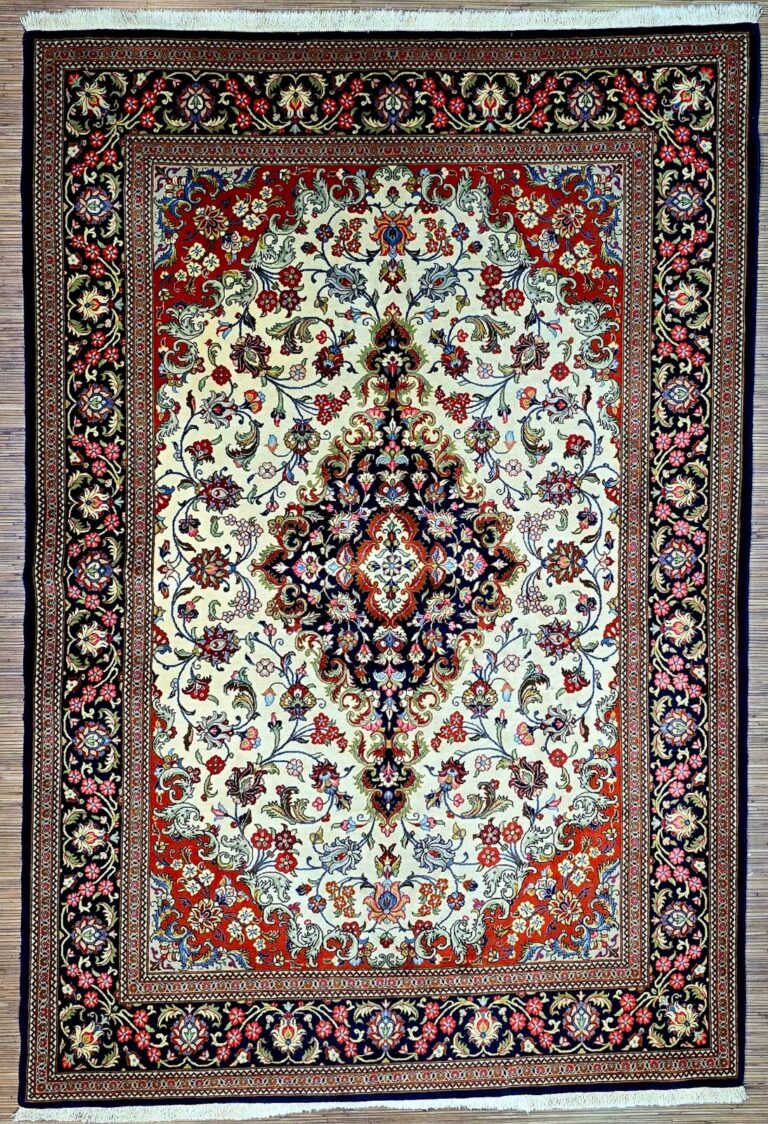
Oriental Rug Samarkand 250 x 170 cm Wool Hand-knotted
€ 1833
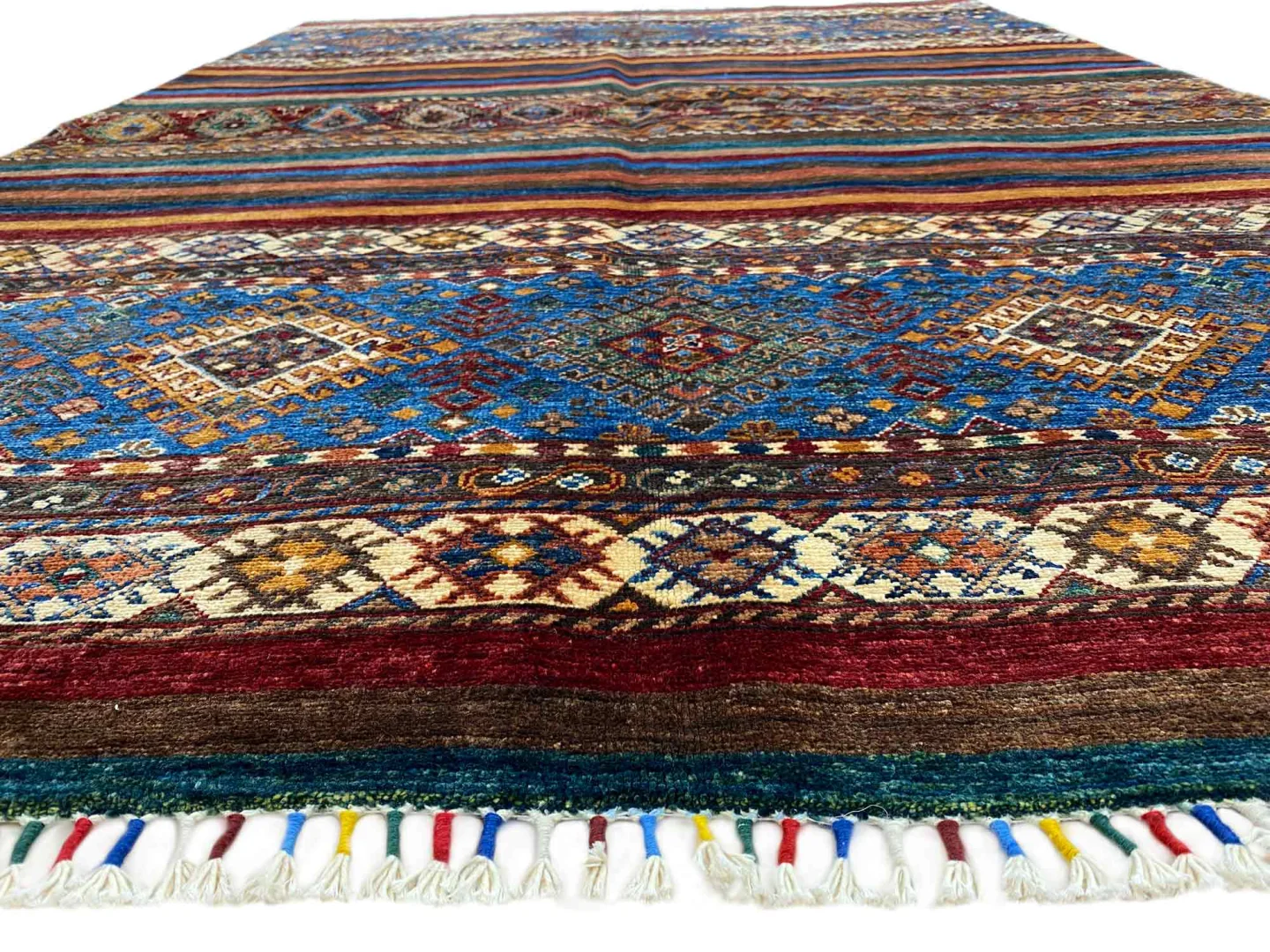
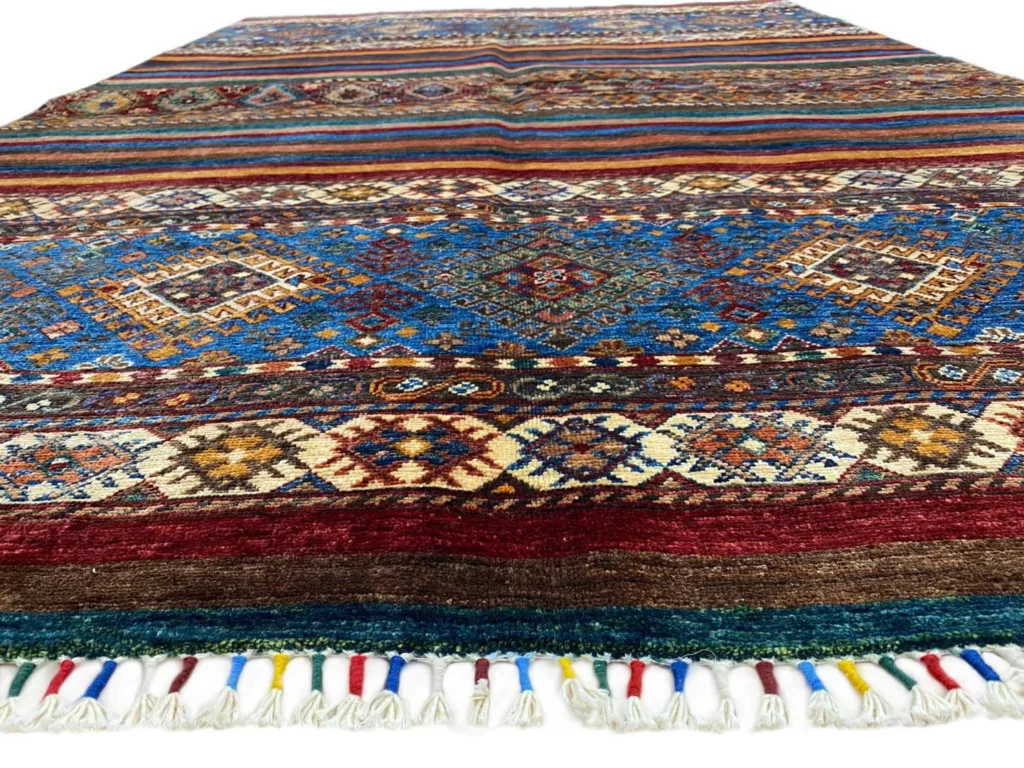
Hand-knotted Samarkand Oriental rug | Knot density: High | Material: Pile lustrous virgin wool | Size: 250 x 170 cm | Pattern: Varied and subtle colours | Condition: Like new
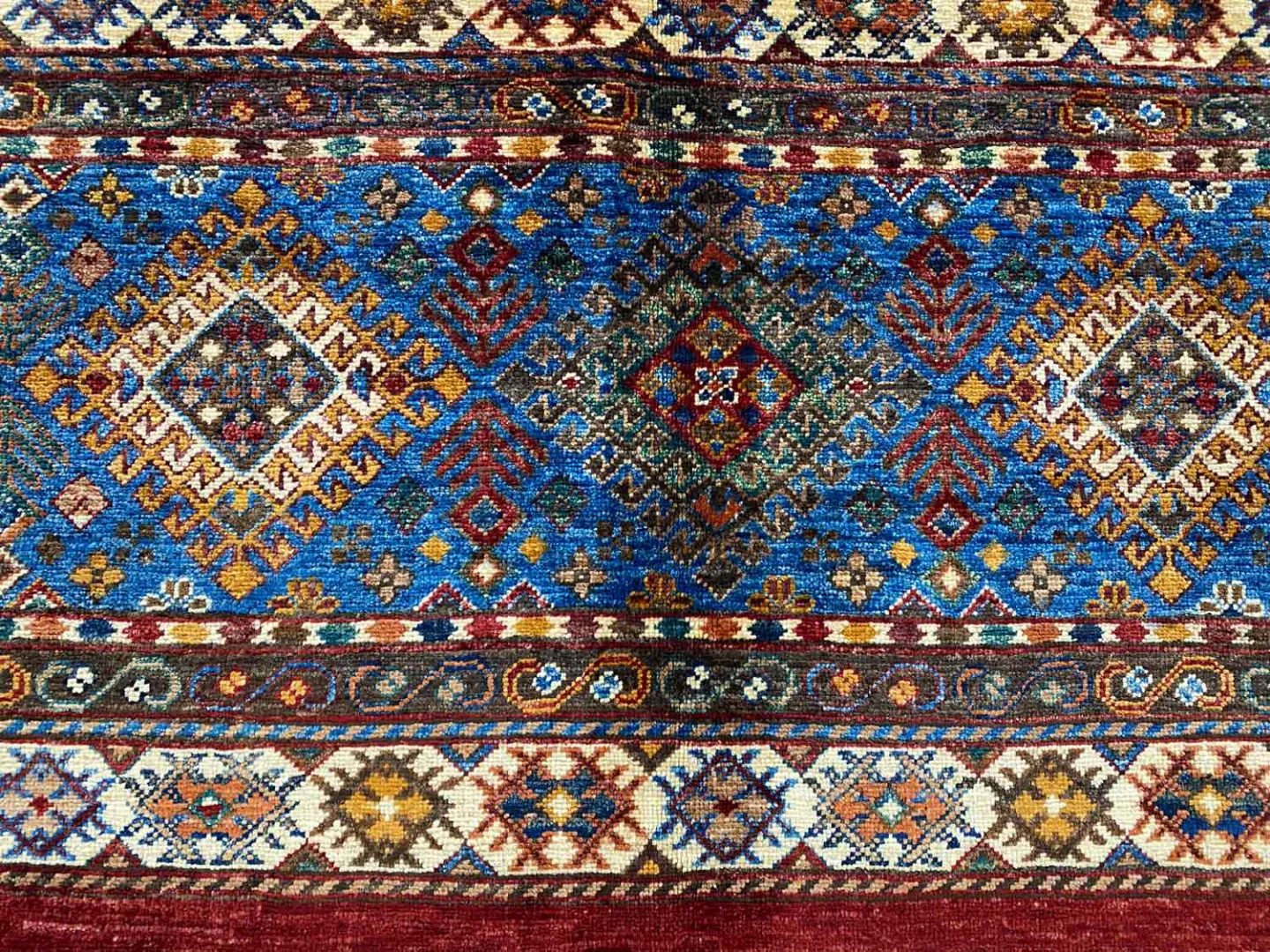
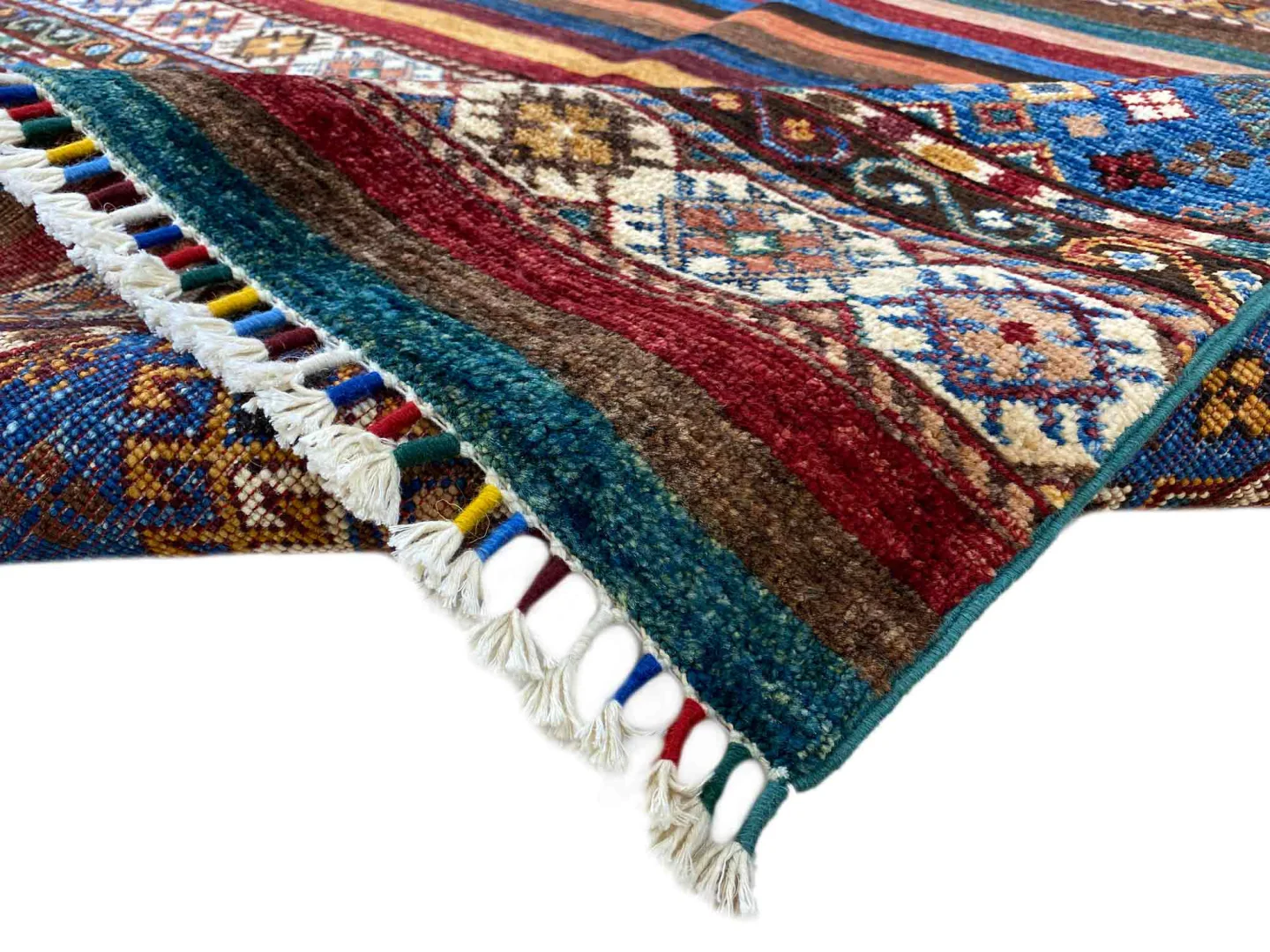
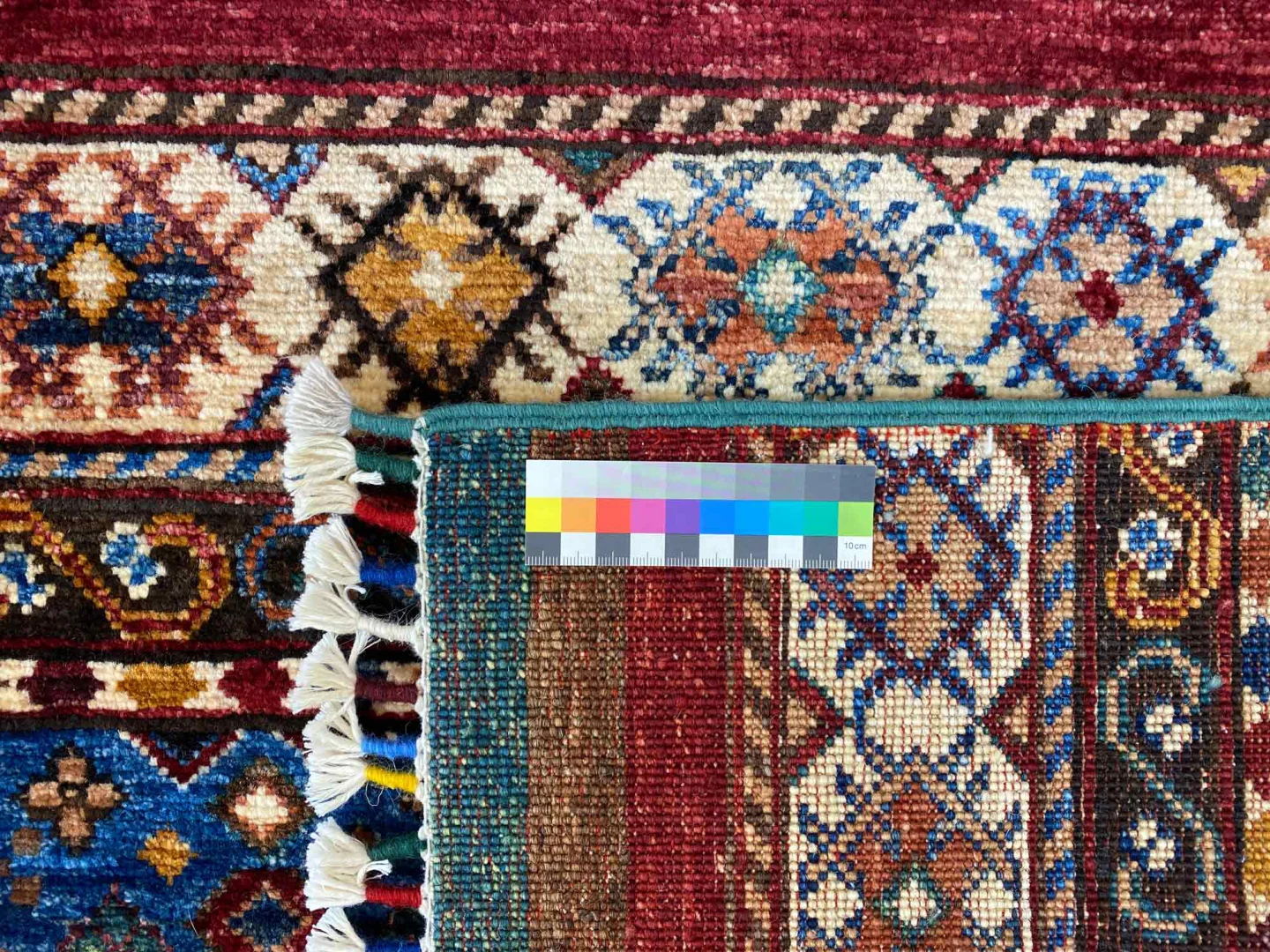
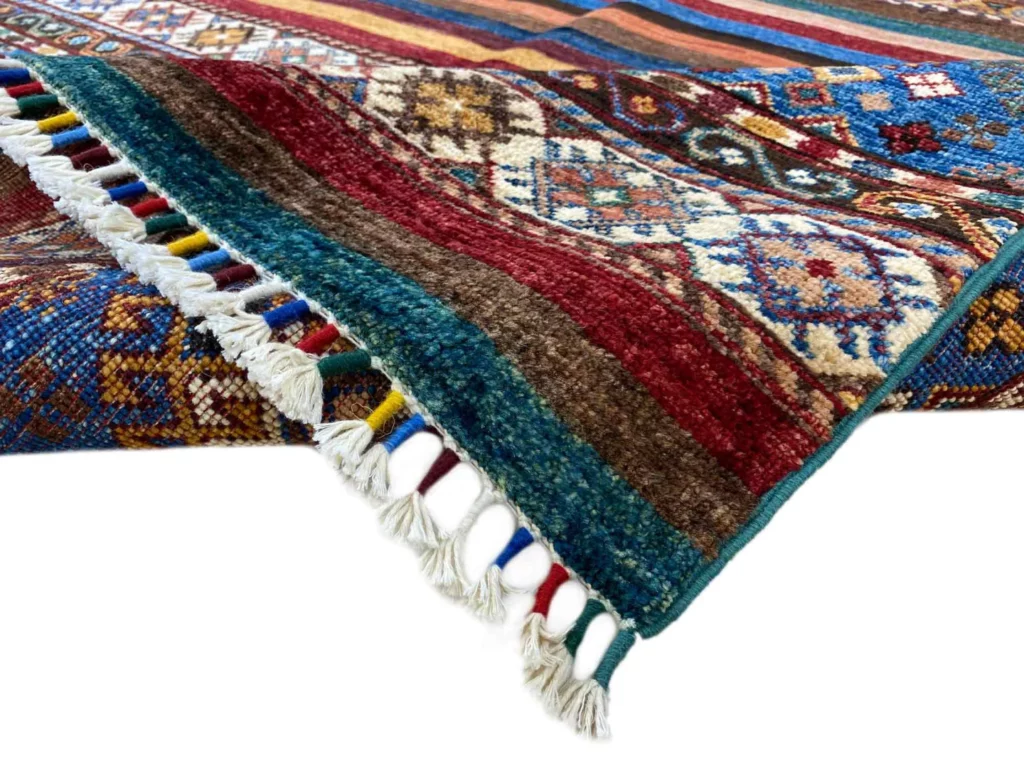
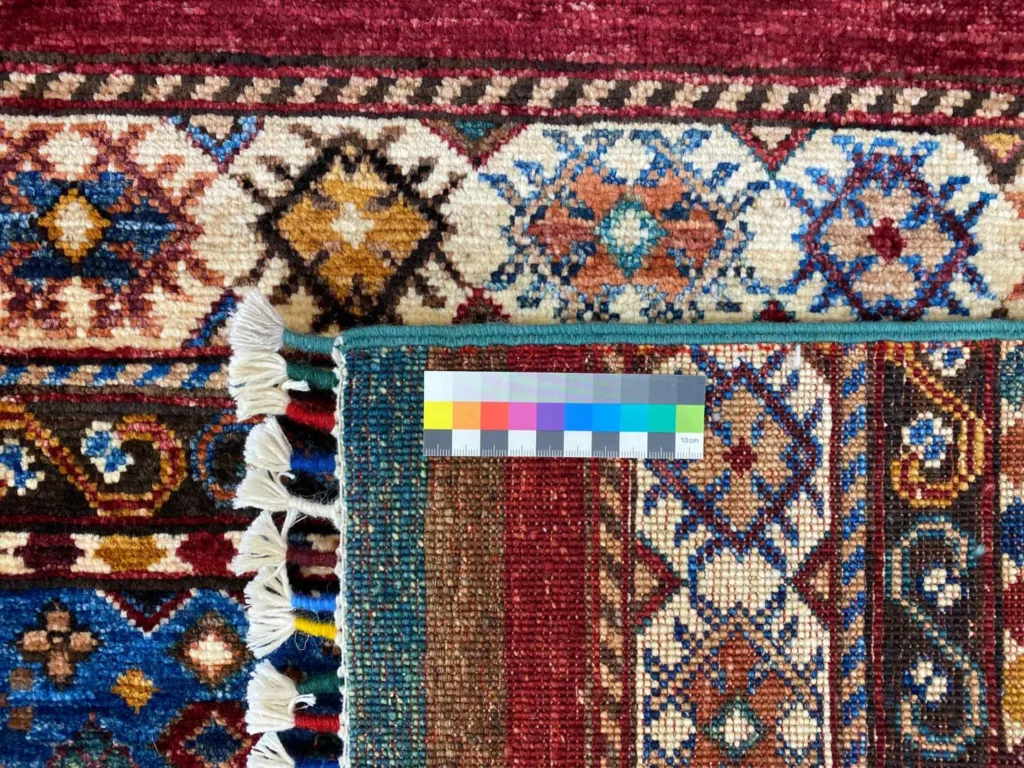
This Samarkand Oriental rug is hand-knotted and has a pile made from lustrous virgin wool. The combination of traditional handwork and natural wool defines its character. In hand-knotting, each knot is worked individually into the rug’s structure. The resulting textile surface reflects the care and control of the person making it. This rug is described as having a high knot density.
Virgin wool is used in rug making because it combines a soft handle with considerable resilience. In this piece, the wool is specifically described as lustrous virgin wool. Its sheen is therefore one of the stated material characteristics and gives the pile a lively appearance. Depending on the direction of the pile and the light, a wool surface may show changing nuances. That visual movement is a property of the material and should be distinguished from the rug’s colour description, which is varied and subtle.
The hand-knotted construction makes this rug an example of traditional textile workmanship. It differs from a machine-made floor covering because the knots are formed by hand rather than by an industrial process. The stated high knot density describes the fineness of the knotting work. Together with the hard-wearing nature of virgin wool, this is why the rug is described as suitable for heavily used rooms.
The condition of this individual rug is like new. This information concerns the actual piece and complements the material and construction details. The wool is identified as high-quality and lustrous, while the technique is identified as hand-knotting. No details are given about the warp, weft, dyes, repairs or a particular knotting method, so no additional construction claims are made.
Origin and Tradition
This rug comes from Samarkand in Uzbekistan. Samarkand is situated in the southeast of the country and is described as a city with a centuries-old craft tradition. Ariana and Ziegler are names associated with Samarkand rugs in the description. Samarkand therefore identifies the origin of this rug as well as the regional textile tradition in which it is placed.
Samarkand is one of Central Asia’s historically important cities. Its position on old trade routes brought different cultural influences into contact. Such exchanges also affected the development of textile designs, colour concepts and working practices. A regional tradition can absorb these influences while retaining the discipline of hand production. The city’s history provides the cultural setting for understanding Samarkand rugs.
Making a hand-knotted rug requires practice, consistent tension and attention across the entire surface. Knot after knot is placed until the intended textile structure is formed. The people who make these rugs often learn the craft over several generations. Passing on experience is central to traditional rug production, since it includes more than individual movements: it also involves handling the material, maintaining a rhythm and following a planned design.
The regional origin of Samarkand rugs is linked in the description with skilled workmanship and a high quality standard. This explains why Samarkand is more than a colour category. It refers to rugs from the Samarkand region whose designs may bring traditional motifs together with more modern interpretations. For this particular rug, the colours are described as varied and subtle. No specific medallion, border layout or individual motif is identified.
Samarkand rugs belong to a wider Central Asian and Oriental rug landscape. Other weaving regions and workshop traditions may produce related visual ideas, but they remain geographically and historically distinct. Kerman is mentioned for fine designs and high-quality materials. Ziegler rugs are often associated with traditional patterns and a robust construction. Nain and Isfahan are also known for detailed Persian rugs made with refined materials. These names provide context for neighbouring rug traditions; they do not change this rug’s origin in Samarkand.
Because the rug comes from Uzbekistan, the accurate product classification is Oriental rug rather than Persian rug. Its Samarkand origin points to Uzbekistan, not Iran. The city’s history, the transmission of craft skills and the use of wool form the cultural background in which the rug can be viewed. It brings together a specific place of origin and a method of manufacture that has been maintained in many rug-making regions over a long period.
Design and Pattern
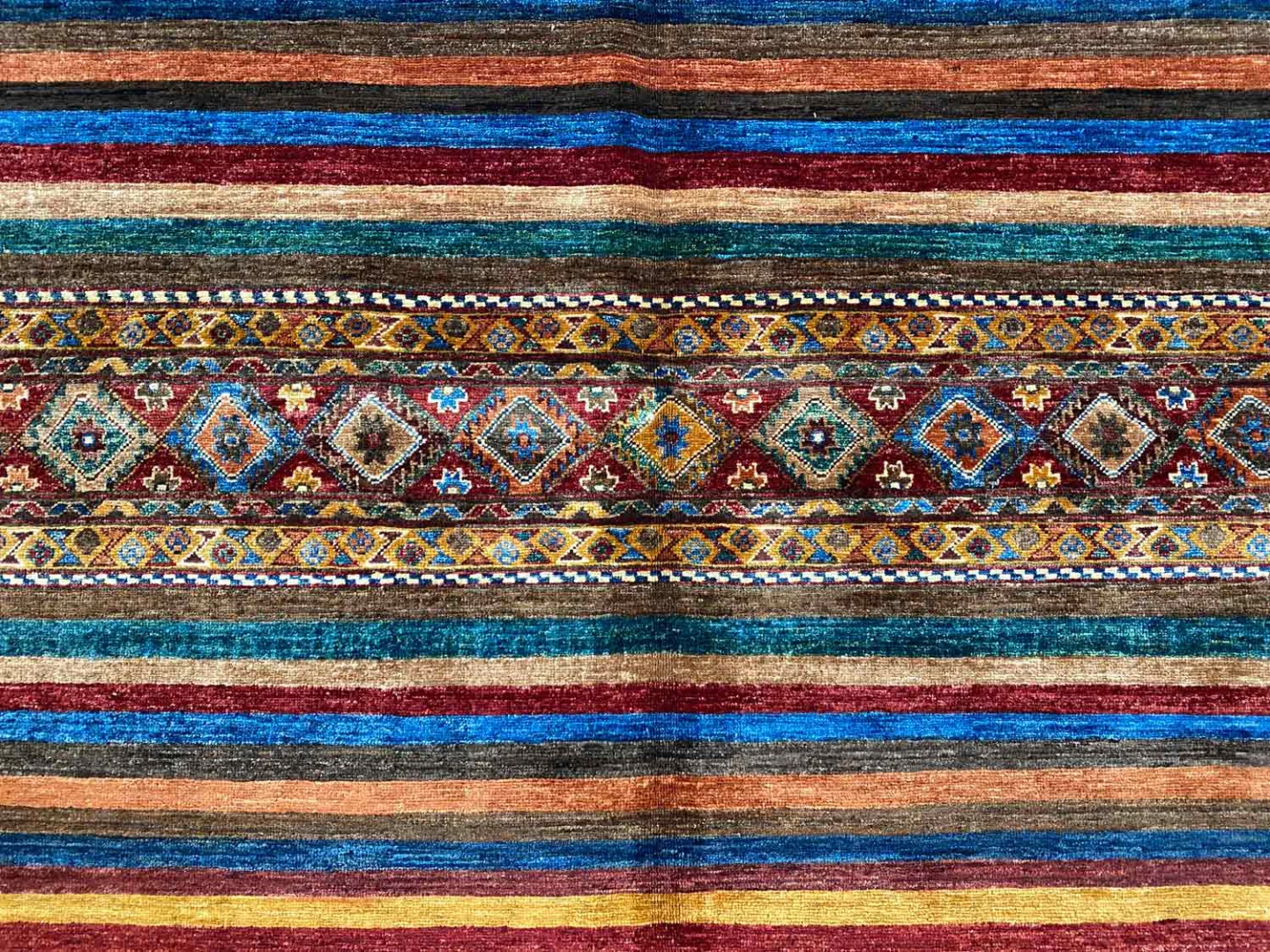
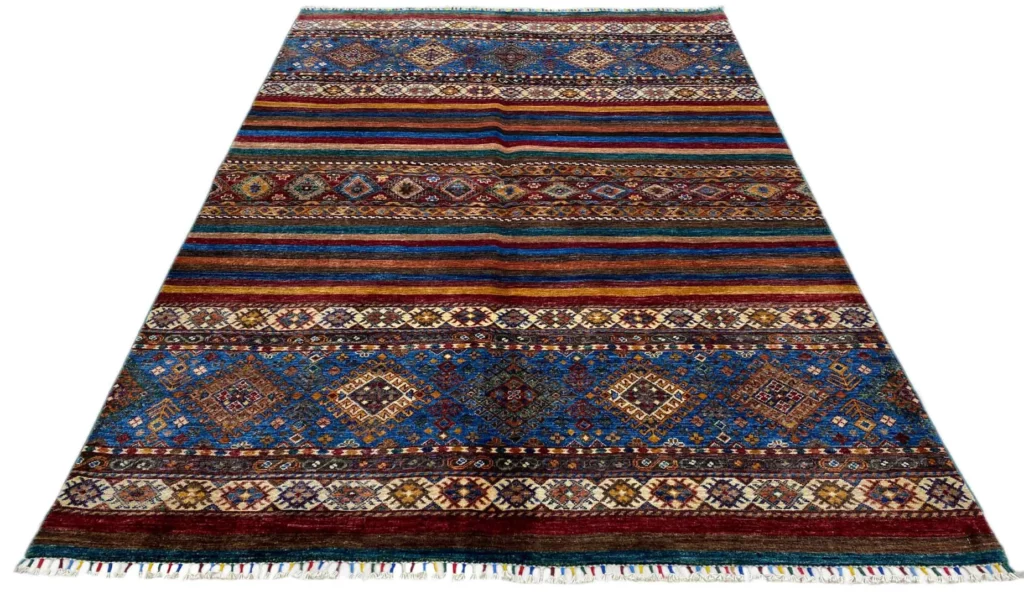
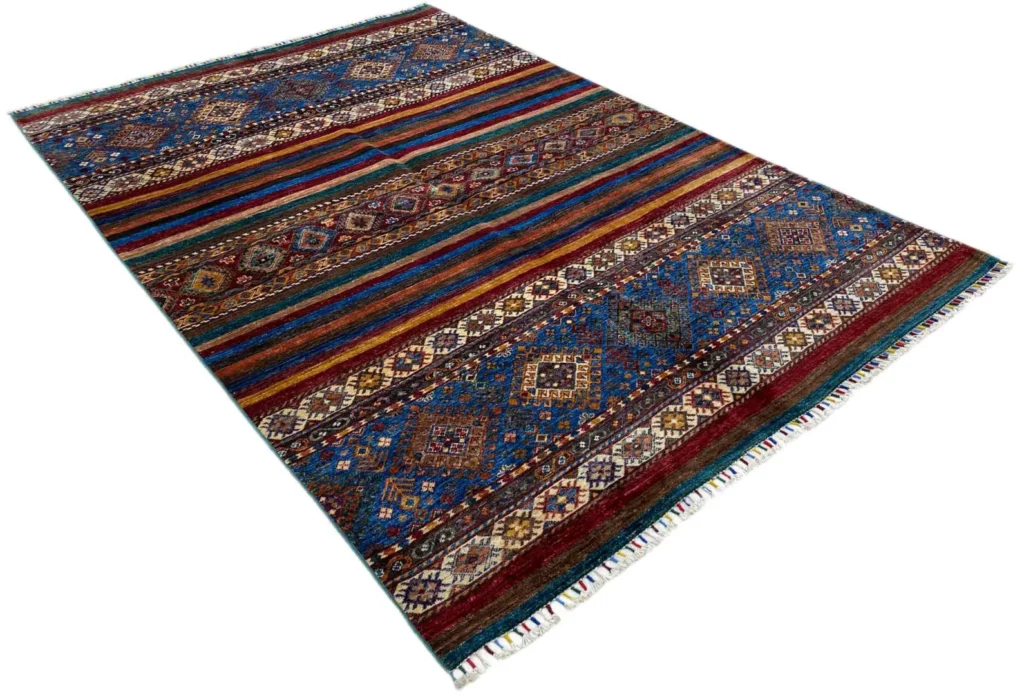
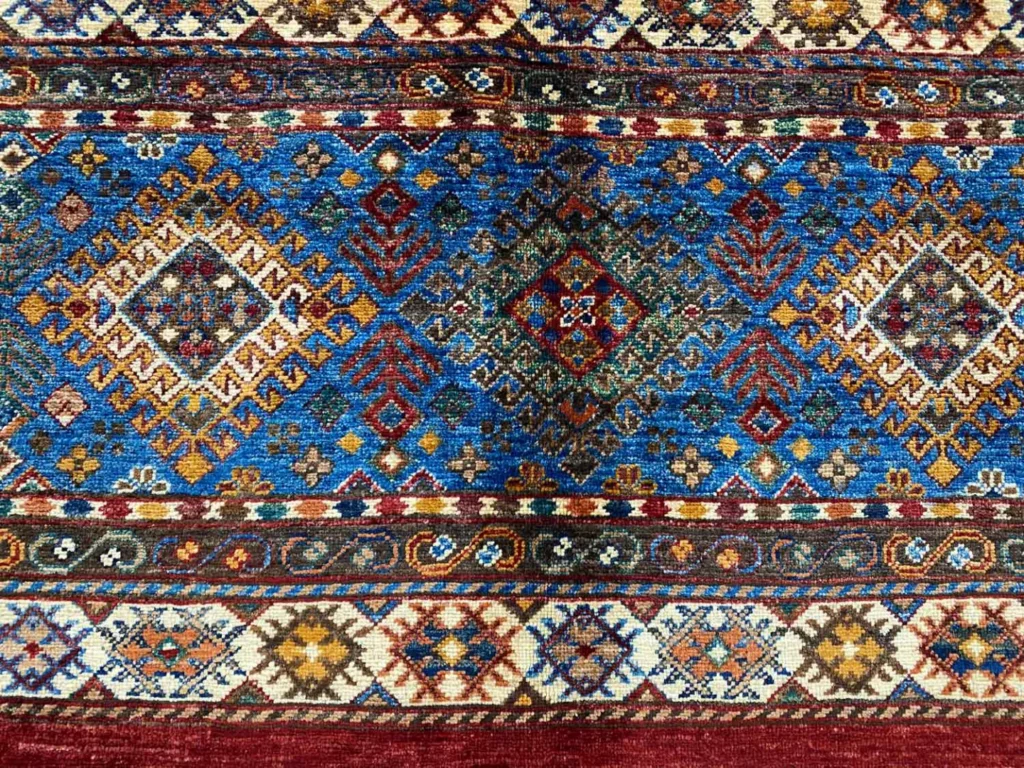
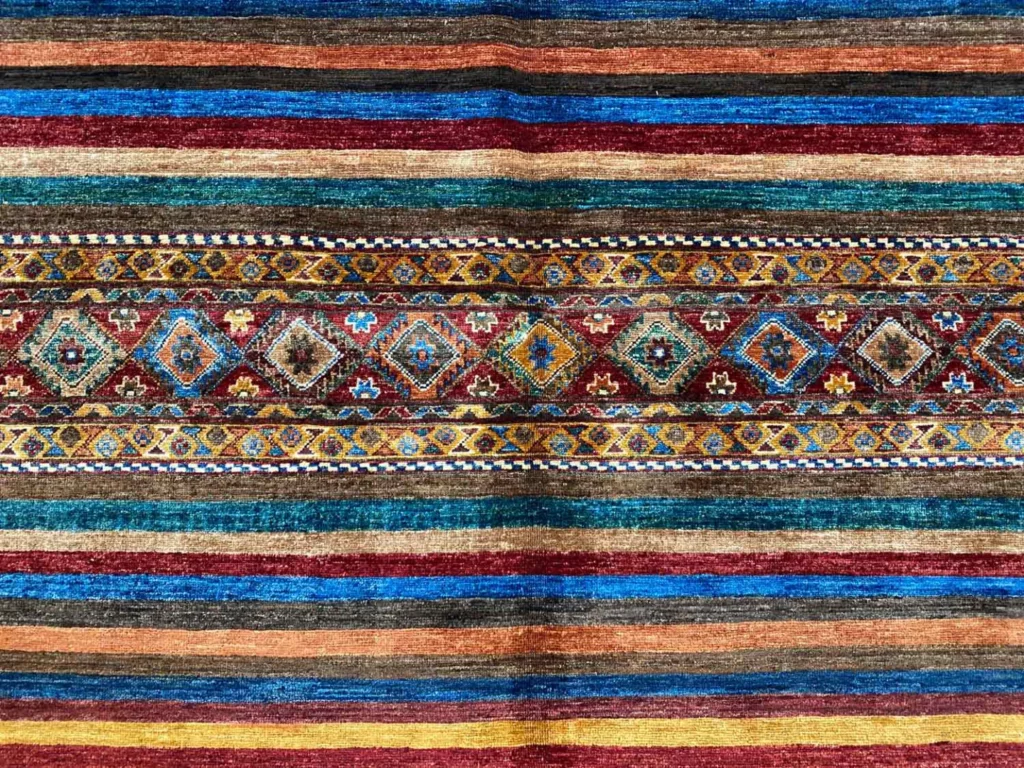
The pattern of this rug is characterised by varied and subtle colours. This description emphasises a nuanced palette and a restrained overall impression. Variety indicates the interaction of several tones, while subtlety suggests that the colour effect is balanced rather than dominant. No exact colour list is provided, so individual shades are not presented as definite features of this particular rug.
Samarkand rugs can combine traditional motifs with modern interpretations. Traditional motifs draw on inherited forms and recurring design ideas, while modern interpretations may reconsider their arrangement, scale or colour treatment. This combination explains how a regional rug can have a historical reference and still work in a contemporary interior. For this example, the documented design information is the use of varied, subtle colours, not a named motif or a specific field composition.
In Oriental rug design, a pattern is created through the relationship of field, rhythm and colour gradation. Borders may frame a central area, repeated forms may establish order, and smaller accents may guide the eye across the surface. These are general elements of the visual language of hand-knotted rugs. They are not asserted as components of this individual piece because the product description does not specify its exact arrangement.
A restrained palette can make a rug easy to integrate into different interior schemes. General descriptions of Samarkand rugs mention both soft earthy tones and lively accents. The individual rug presented here is described more precisely as varied and subtle in colour. It can therefore be characterised as adaptable and composed without adding an unsupported list of colours or claiming a particular decorative programme.
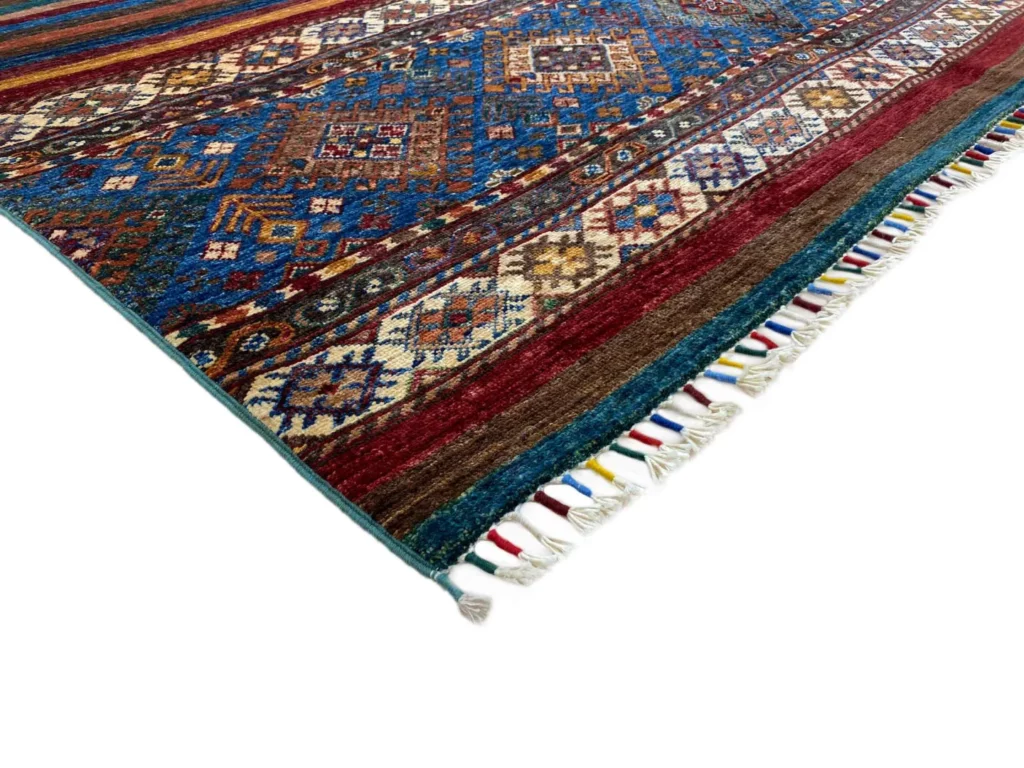
The lustrous virgin wool also influences how the design is seen. Light may reflect differently across the pile, allowing colours to appear with fine changes from one viewing angle to another. This is a material effect, not an additional pattern statement. In a hand-knotted rug, the visual order of the colours meets the texture of the pile. The result can be a surface that feels active in the light while retaining the understated character described for the colours.
The name Ziegler is often connected with balanced traditional rug designs and sturdy construction. Ariana is likewise used in connection with this Samarkand rug. These terms help place the rug within the described category, but they do not substitute for a detailed analysis of its pattern. The reliable description of this piece remains specific: it originates in Samarkand and has a pattern of varied, subtle colours.
A rug with this kind of design can be used in a spacious living area as well as in a smaller room. This is a general statement about the versatility described for Samarkand rugs, not a claim about one particular interior. The adaptable colours can work with different furnishing styles, while the hand-knotted wool surface can provide a textile focus within a room. Its suitability for heavily used spaces broadens the range of settings in which it may be considered.
Special Features
The individual features of this rug include its origin in Samarkand, Uzbekistan, its hand-knotted construction, its high knot density and its pile of lustrous virgin wool. The condition is like new. The rug is also described as suitable for heavily used rooms. That suitability relates to the resilience attributed to the virgin wool in the product description.
The combination of varied, subtle colours and a lustrous wool pile brings together a calm visual effect and a surface with visible movement. Ariana and Ziegler are names used to place the rug within the stated Samarkand context. There is no information about a signature, production year, exact workshop, warp, weft or restoration, so these details are not included among the features of this offer.
The rug is described as versatile in use. Samarkand rugs may be placed in a living room, bedroom or hallway. Use in rooms with underfloor heating is also described as possible, provided the temperature is not set too high. These notes concern the rug type described and complement the specific statement that this piece is suitable for heavily trafficked rooms.
FAQ
How should I care for this Samarkand Oriental rug?
Regular vacuuming helps remove loose dirt from the pile. Spills should be blotted promptly with a damp cloth rather than rubbed forcefully. Professional cleaning is recommended every few years to support the long-term condition of the rug. Care should take account of its hand-knotted construction and virgin wool pile. The lustrous surface should not be exposed to unnecessarily harsh treatment or excessive friction. If a stain is difficult to handle, a specialist rug cleaner is the appropriate choice.
Can the rug be used over underfloor heating?
Samarkand rugs are described as suitable for rooms with underfloor heating because of their wool and construction. The heating temperature should not be set too high. Moderate, even warmth is the important practical consideration in this recommendation. Since this rug is hand-knotted and has a virgin wool pile, it fits the general description. The particular heating system should also be operated in line with its manufacturer’s instructions.
Where can I use a Samarkand Oriental rug?
The rug is versatile and can suit almost any room. Suggested settings include the living room, bedroom and hallway. Its neutral, adaptable colour character makes it easier to combine with different interior styles. The stated suitability for heavily used rooms also makes it relevant for areas that receive regular foot traffic. Placement should take account of the room layout, the furniture and the intended effect of its varied, subtle colours.
To provide the best experiences, we use technologies like cookies to store and/or access device information. Consenting to these technologies will allow us to process data such as browsing behavior or unique IDs on this site. Not consenting or withdrawing consent, may adversely affect certain features and functions.
Functional Always active
The technical storage or access is strictly necessary for the legitimate purpose of enabling the use of a specific service explicitly requested by the subscriber or user, or for the sole purpose of carrying out the transmission of a communication over an electronic communications network.
Preferences
The technical storage or access is necessary for the legitimate purpose of storing preferences that are not requested by the subscriber or user.
Statistics
The technical storage or access that is used exclusively for statistical purposes.The technical storage or access that is used exclusively for anonymous statistical purposes. Without a subpoena, voluntary compliance on the part of your Internet Service Provider, or additional records from a third party, information stored or retrieved for this purpose alone cannot usually be used to identify you.
Marketing
The technical storage or access is required to create user profiles to send advertising, or to track the user on a website or across several websites for similar marketing purposes.

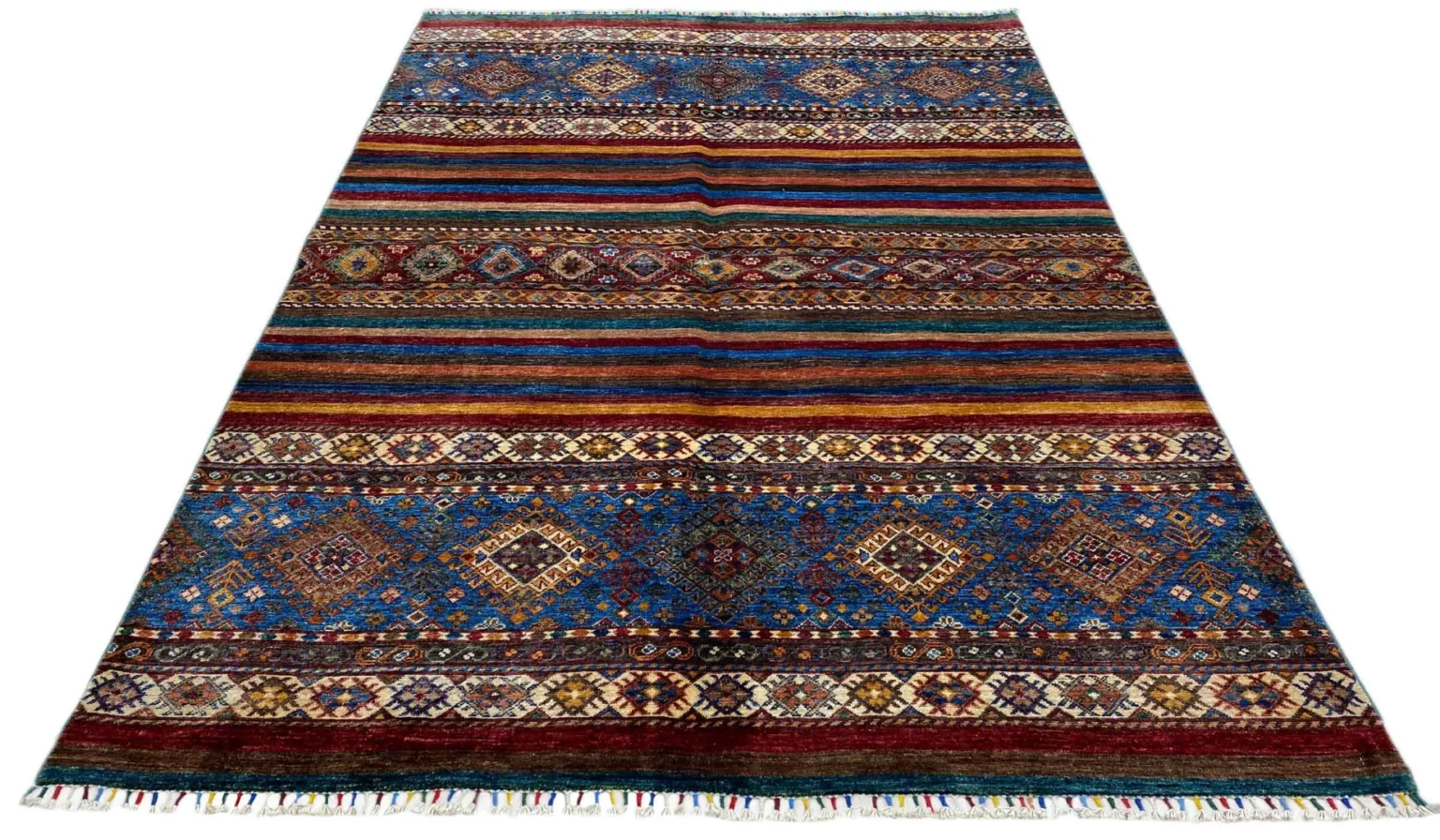
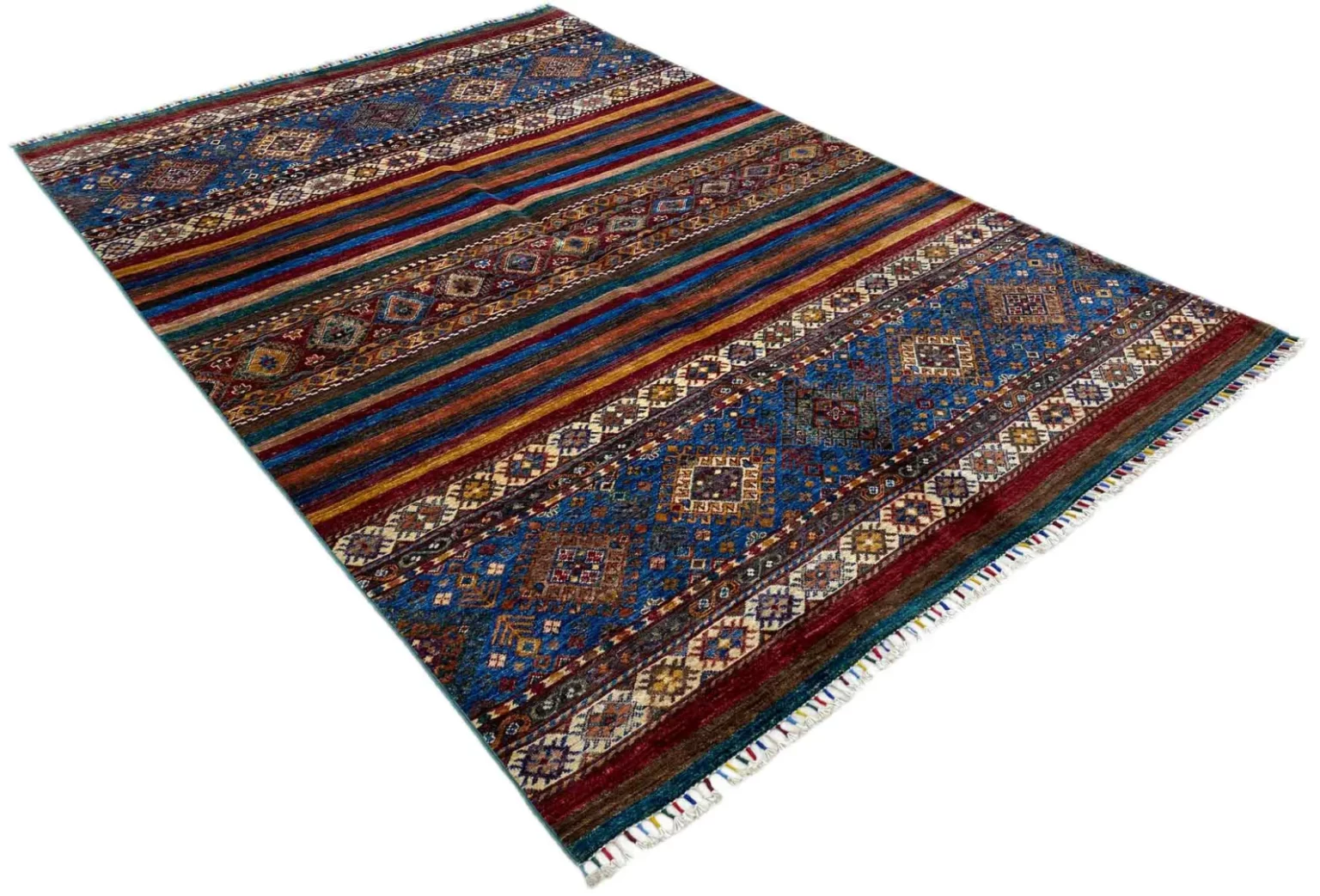
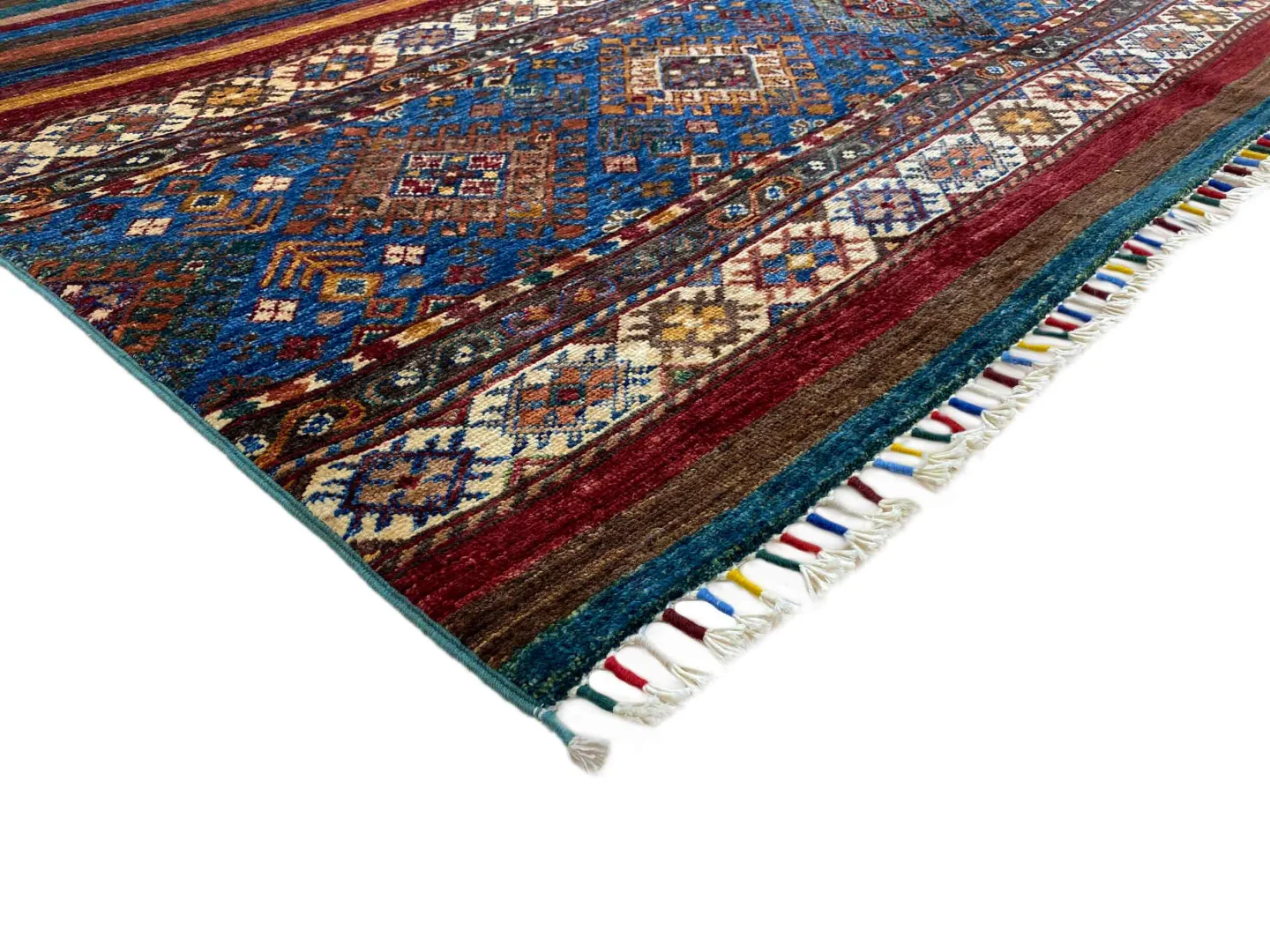
 SECURE PAYMENT
 SHIPPING PARTNERS