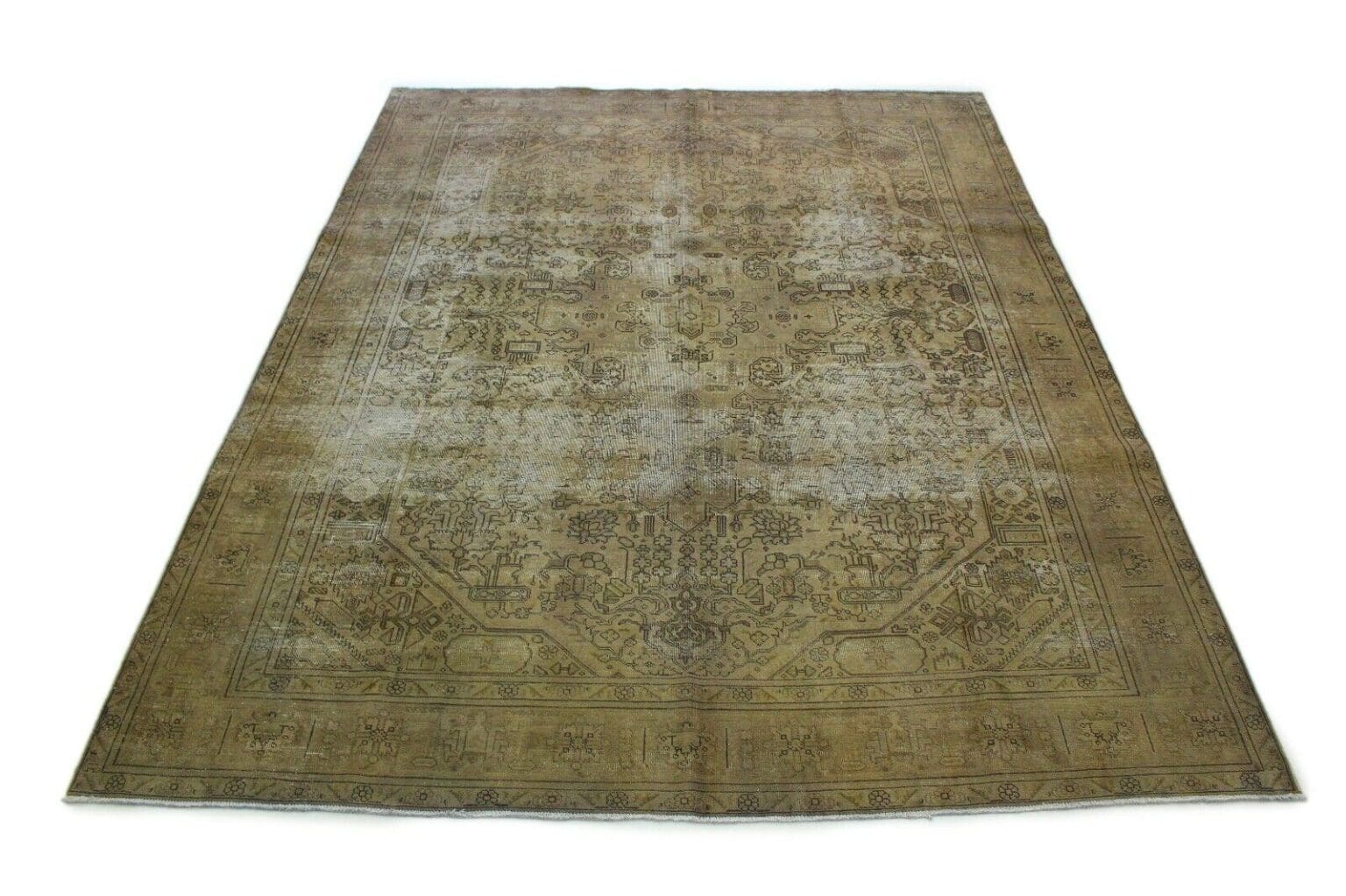
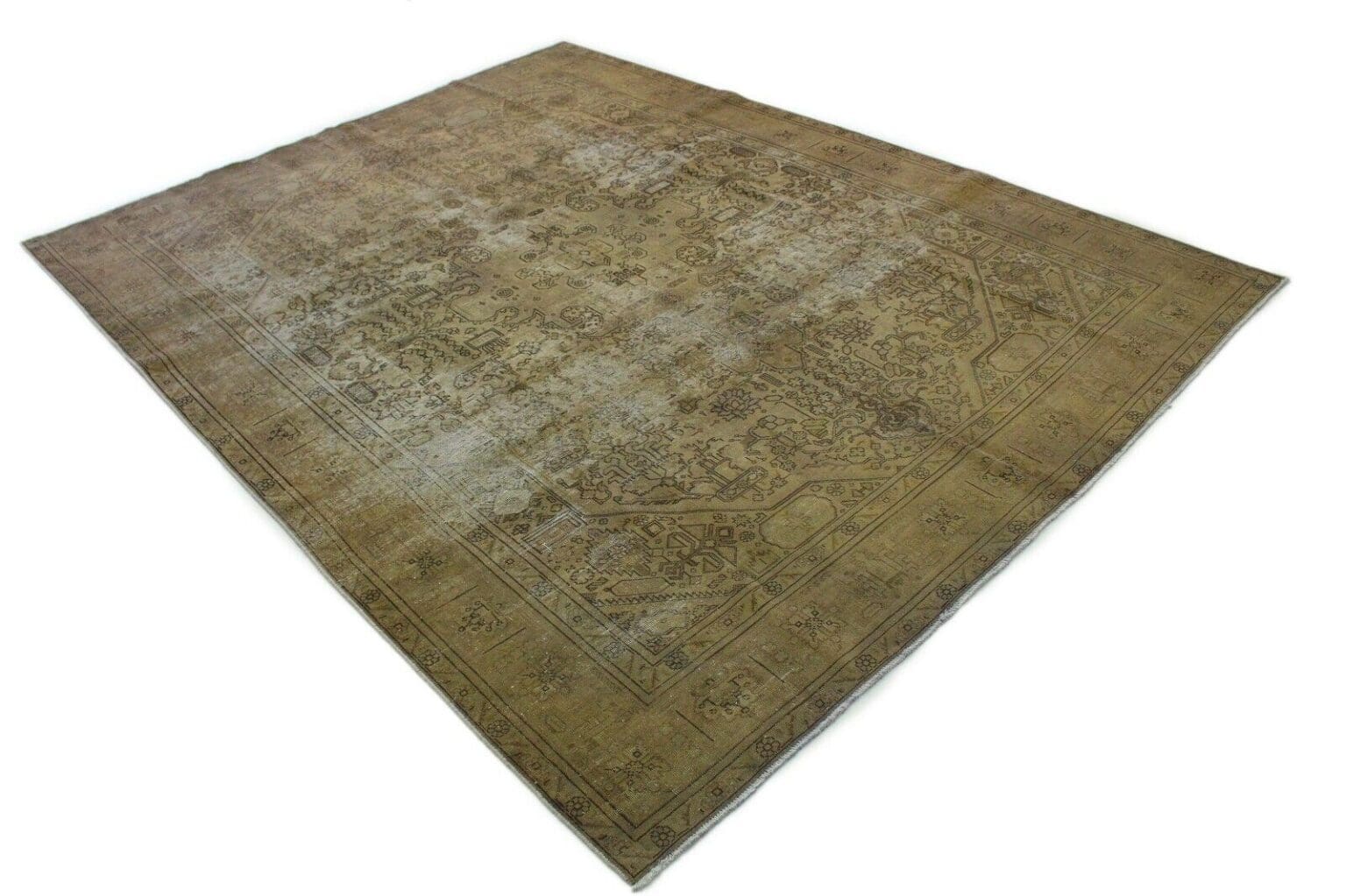
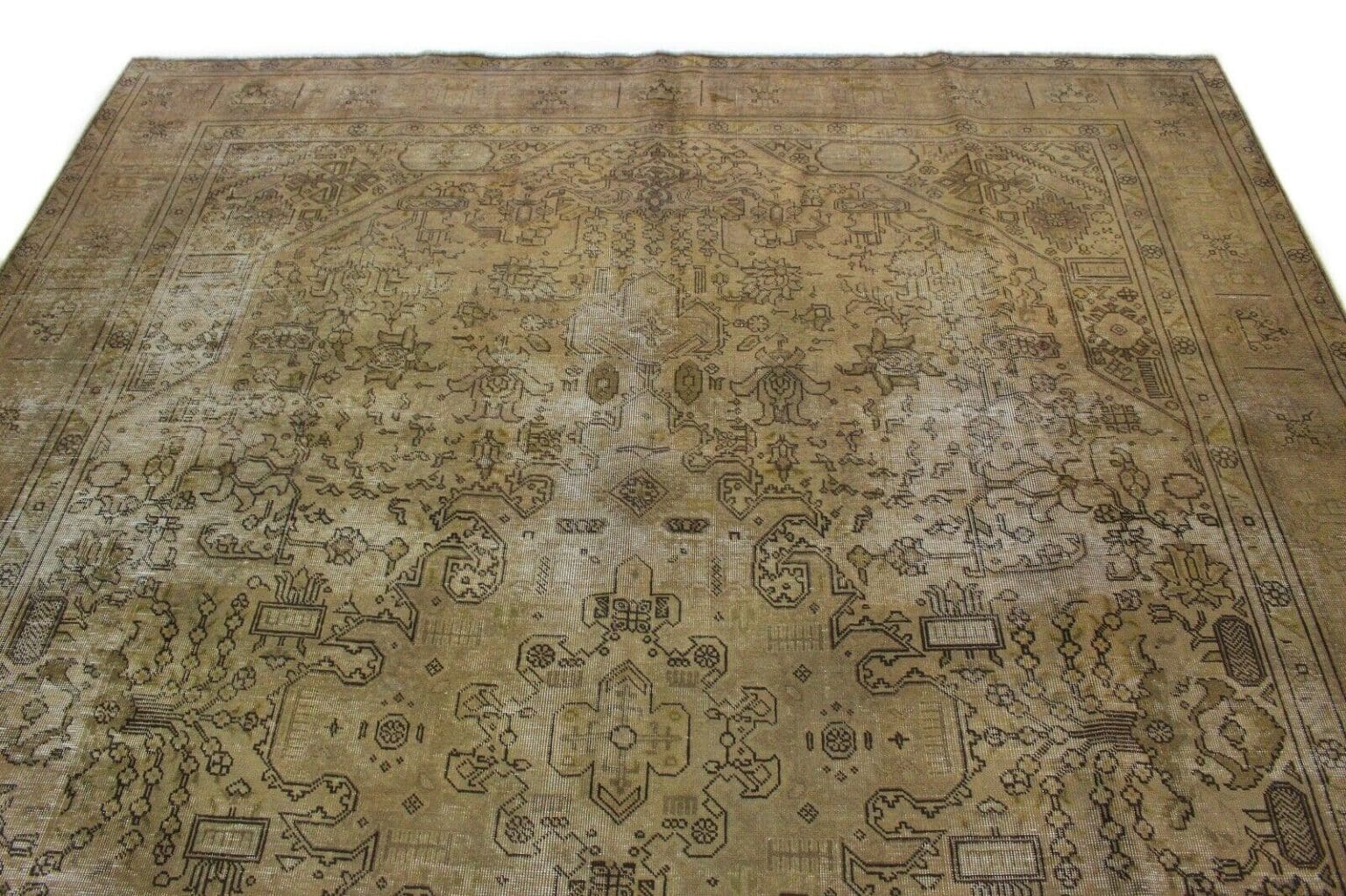
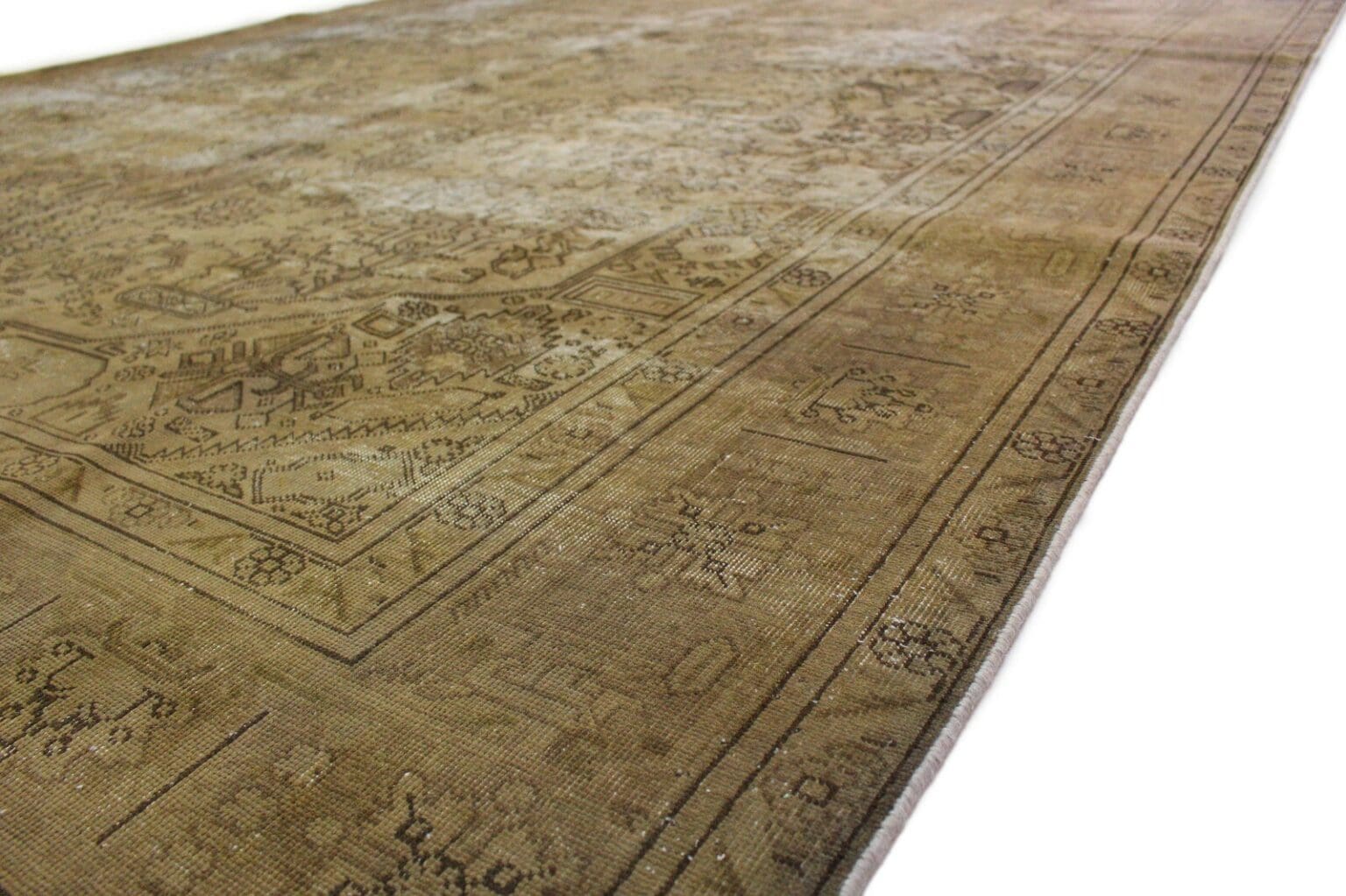
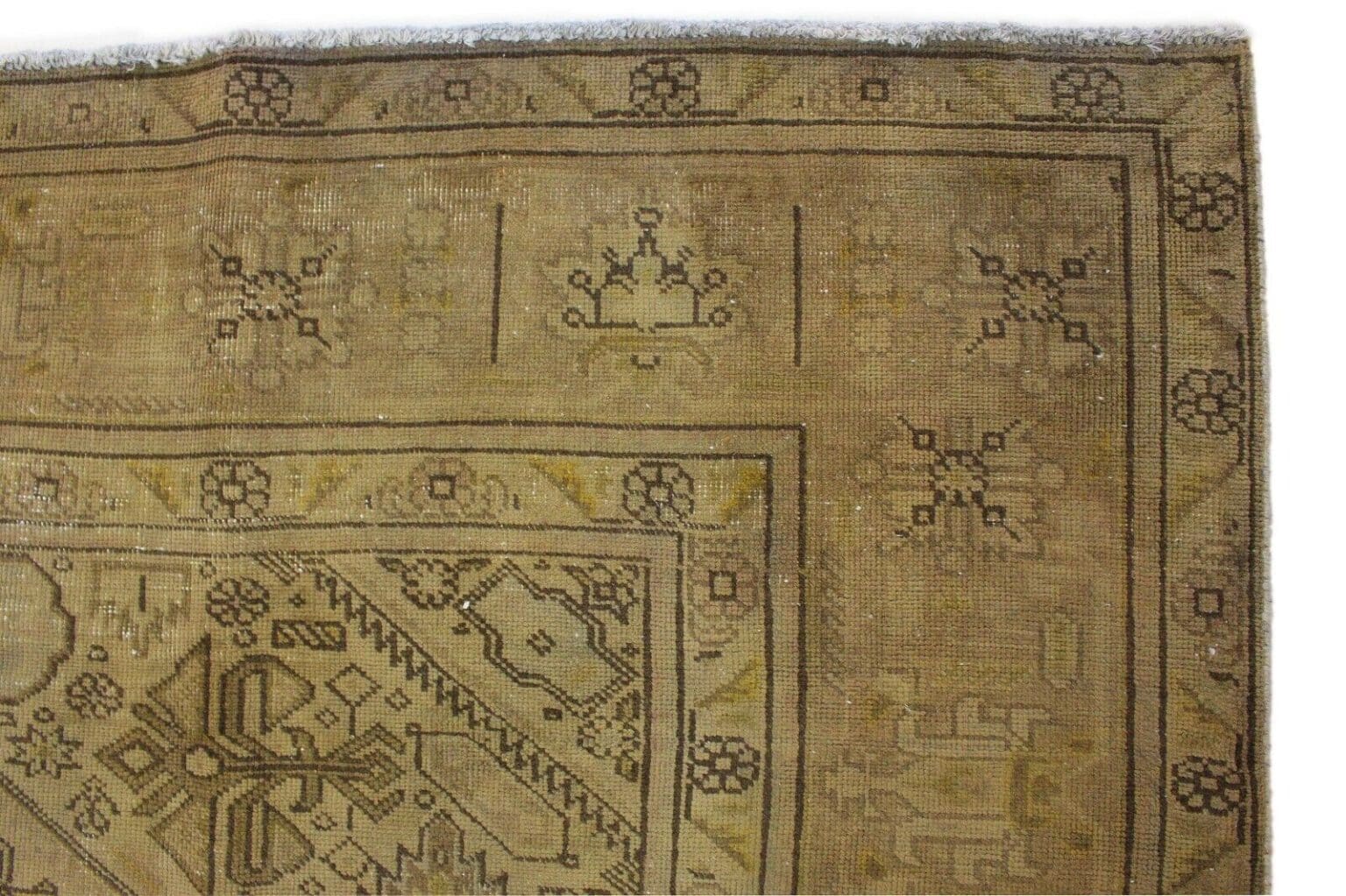
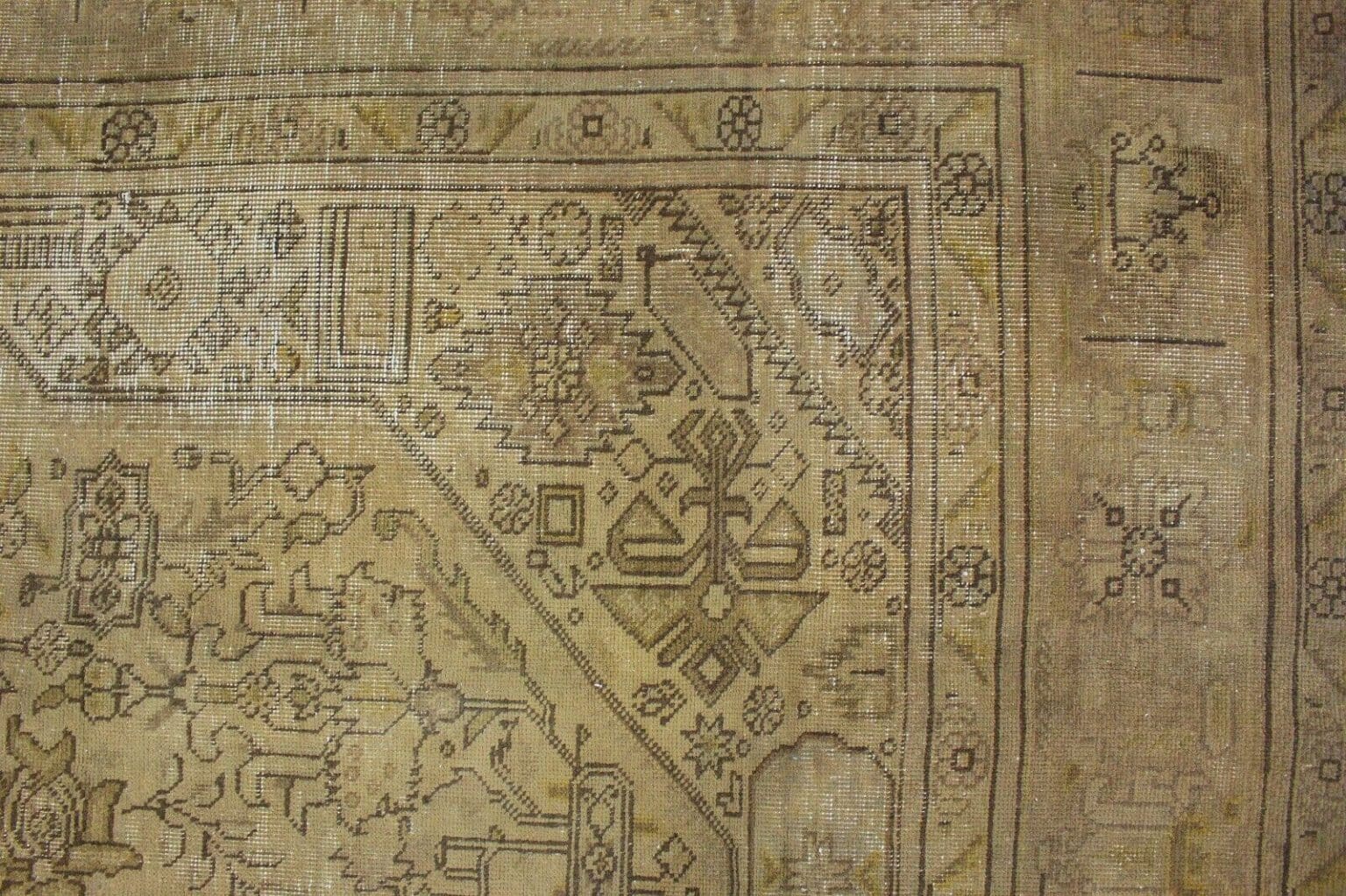
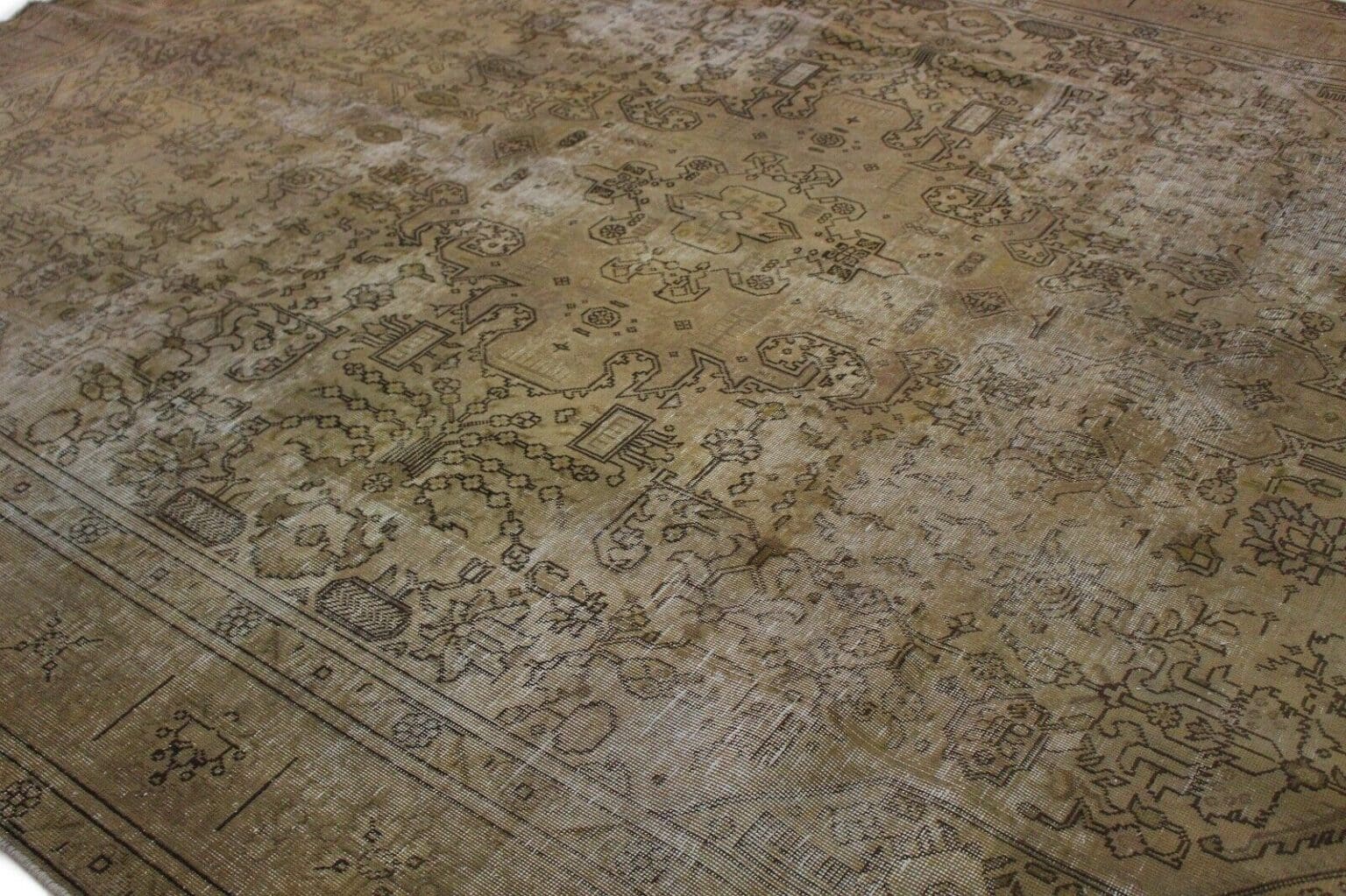
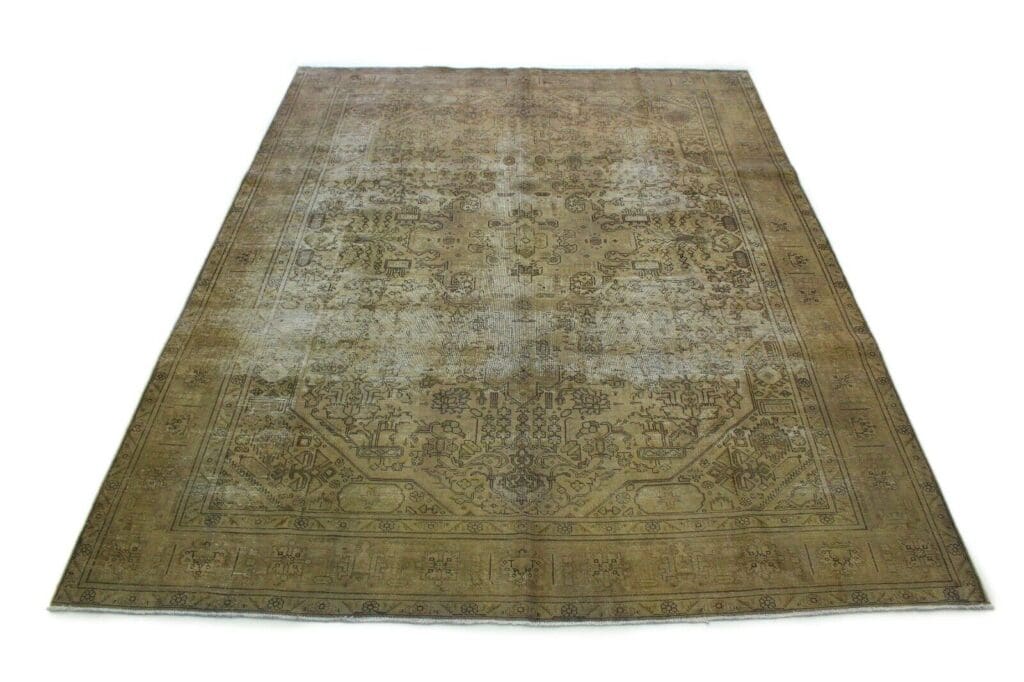
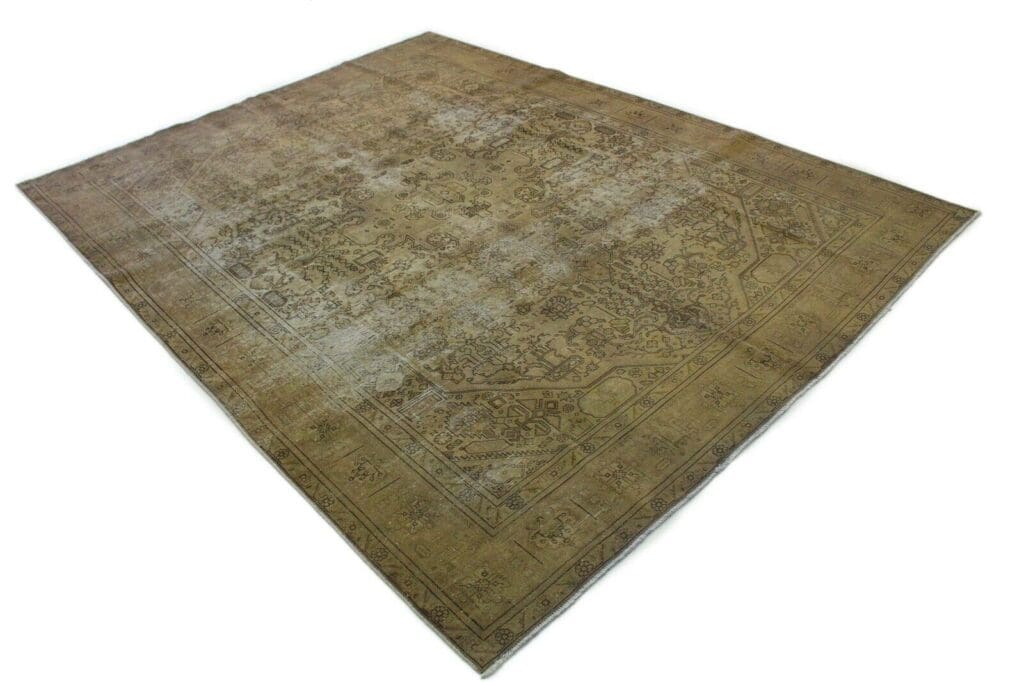
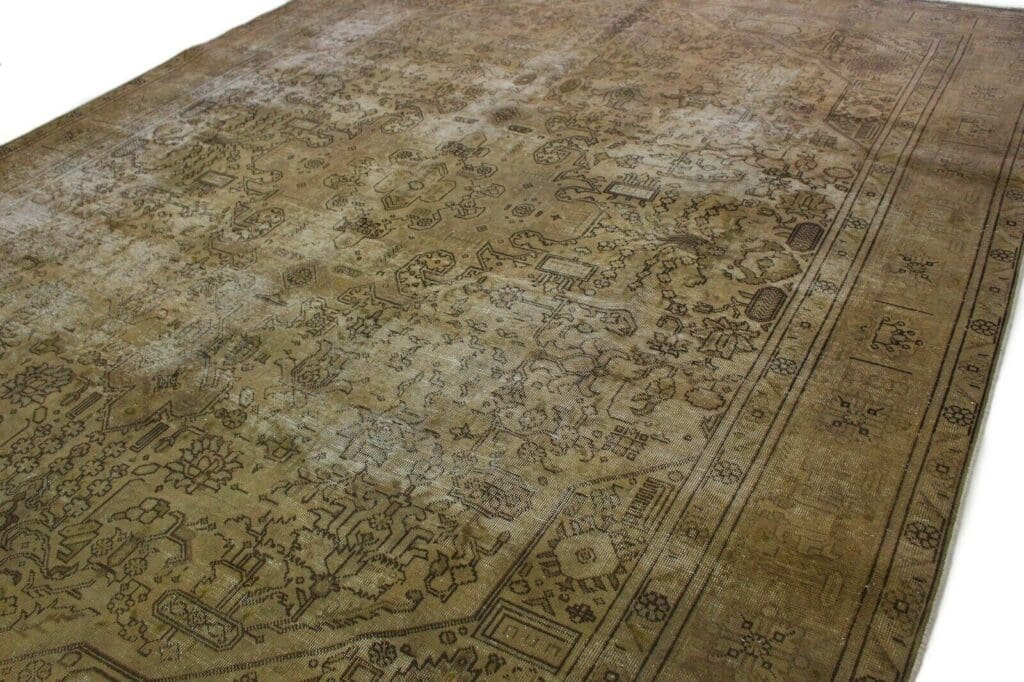
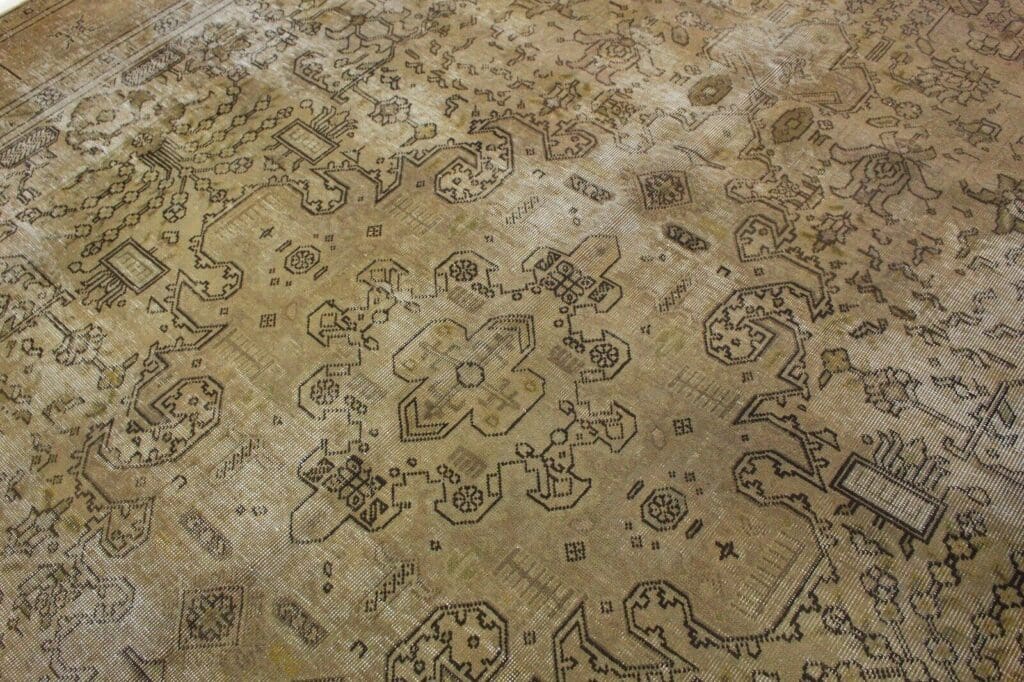
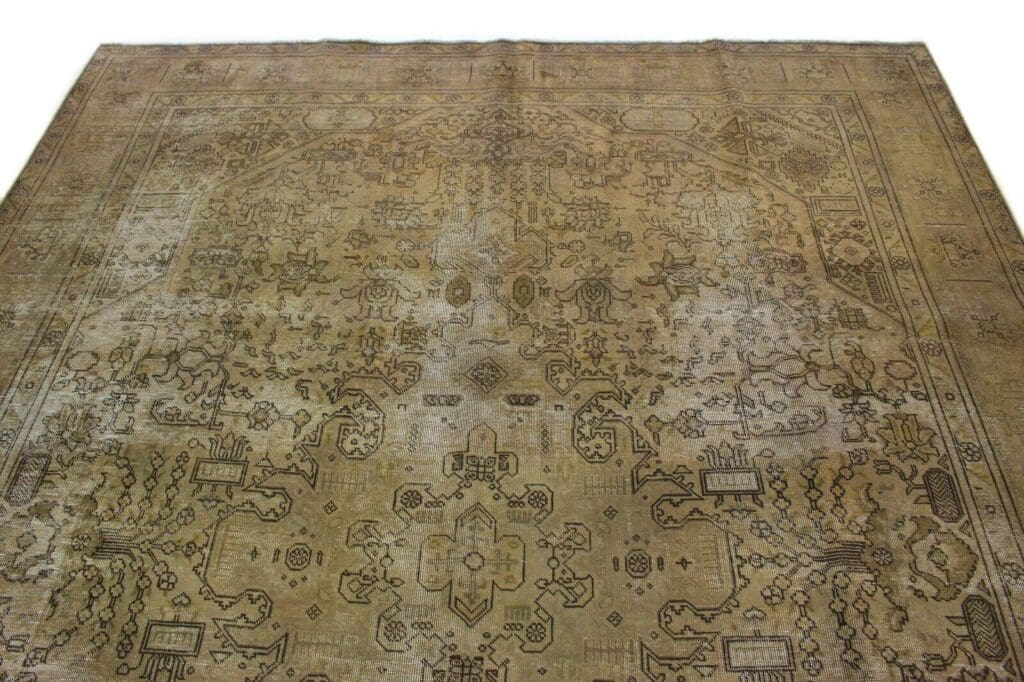
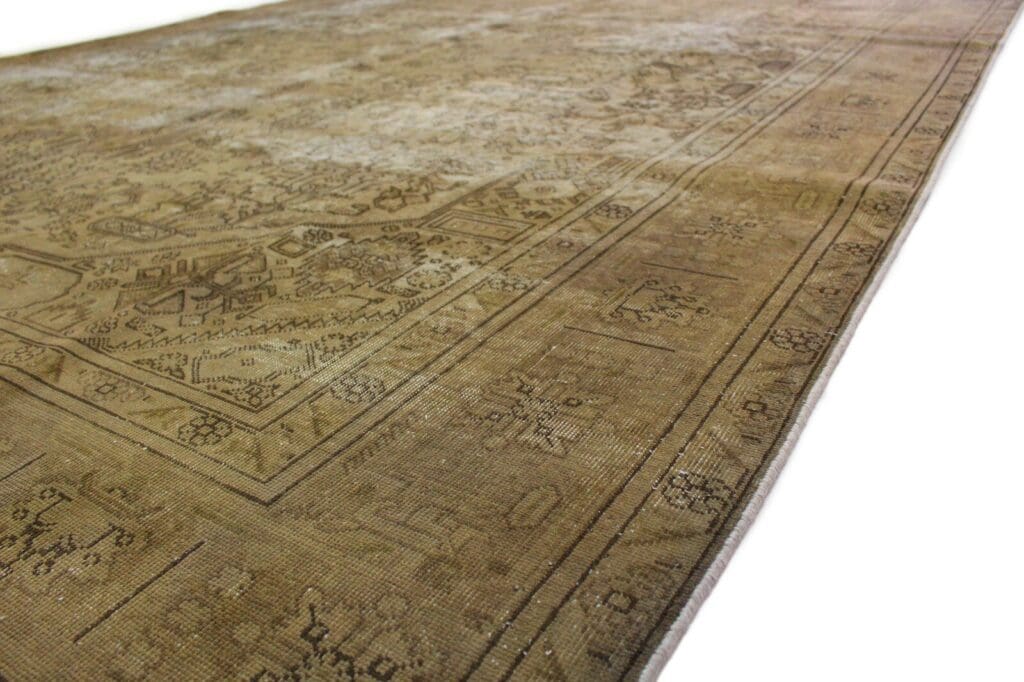
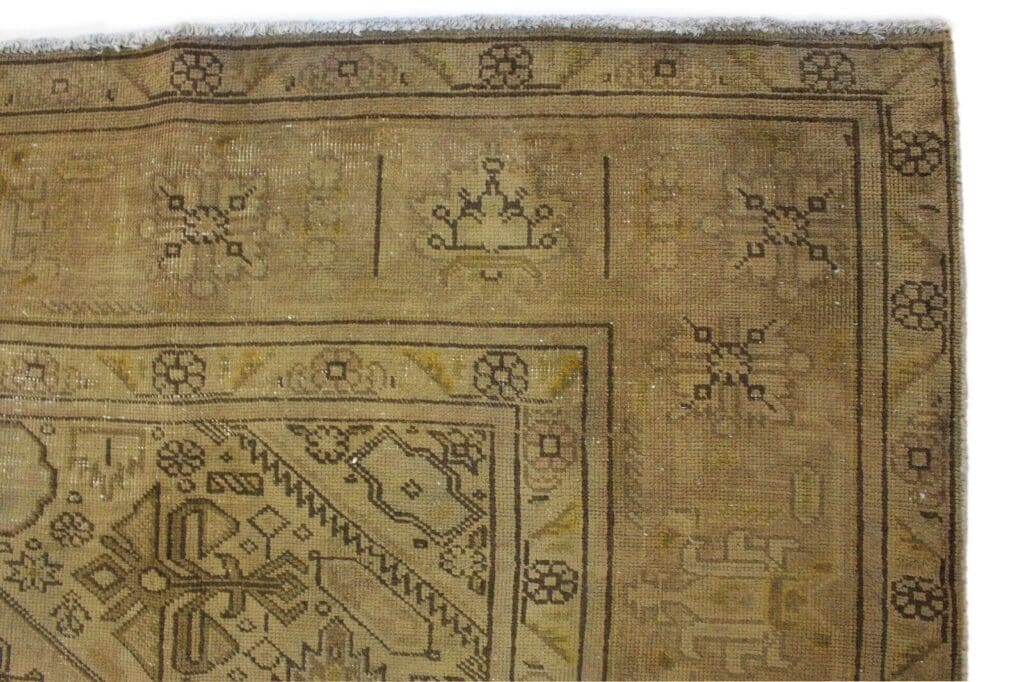
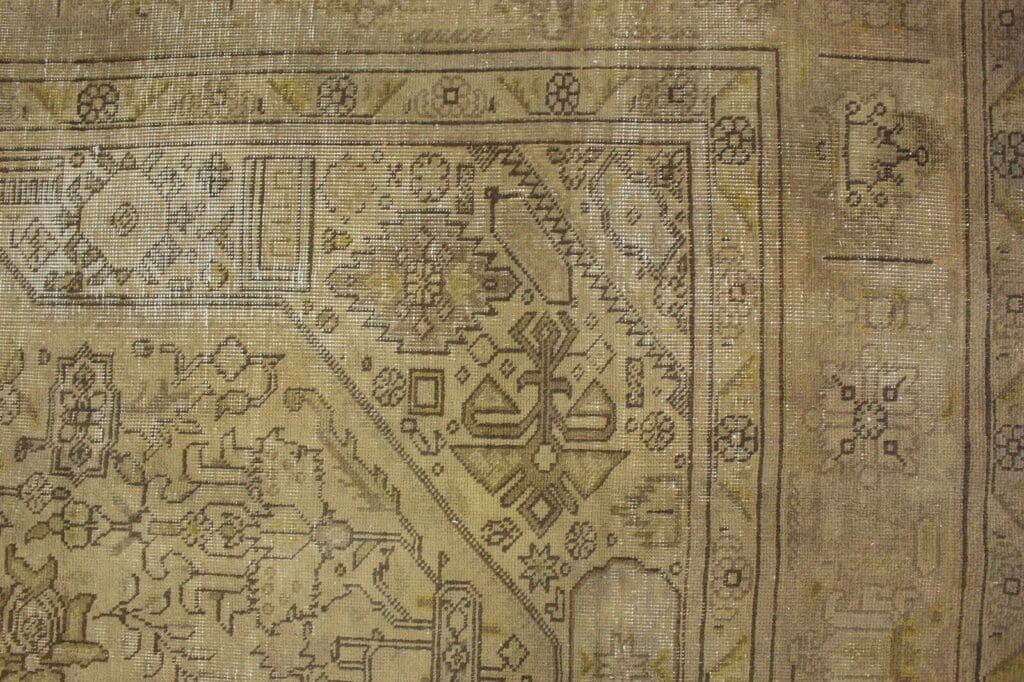
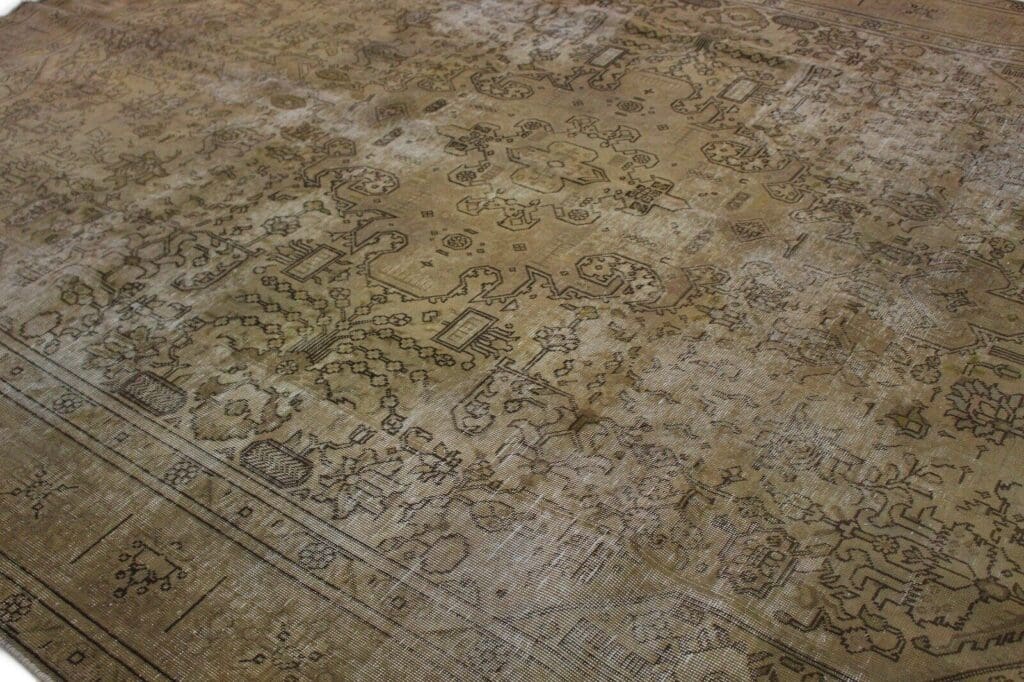
Oriental Rug Orient 382 x 289 cm Wool Hand-knotted
€ 2307
Hand-knotted Oriental rug | Knot density: High | Material: Hand-spun wool pile | Size: 380 x 291 cm | Pattern: Beige, floral and geometric, modern vintage style | Condition: New with tag
1 available
- ✓Free Shipping in EU
- ✓2-5 Business Days Delivery
- ✓14-Day Return Policy
- ✓Worldwide Shipping on request
 SECURE PAYMENT
 SHIPPING PARTNERS
Inventory number: 85DE81E1
Description
Orient Oriental Rug
Material and Craftsmanship
This Oriental rug is hand-knotted and made from high-quality hand-spun wool. Hand-spun wool is formed into yarn through a process that can preserve a natural textile character rather than producing a completely uniform industrial thread. The wool forms the pile of this rug and therefore has a significant influence on the feel and texture of its surface.
Hand-knotting is a detailed method of making a rug. Individual knots are tied by hand into the foundation, row by row, until the intended area has been covered. The knot is secured around the foundation threads and the pile is shaped as the work progresses. Unlike a machine-made carpet, the surface is created directly through the repeated work of the knotter. Variations in tension, knot formation and texture are part of the character of this technique.
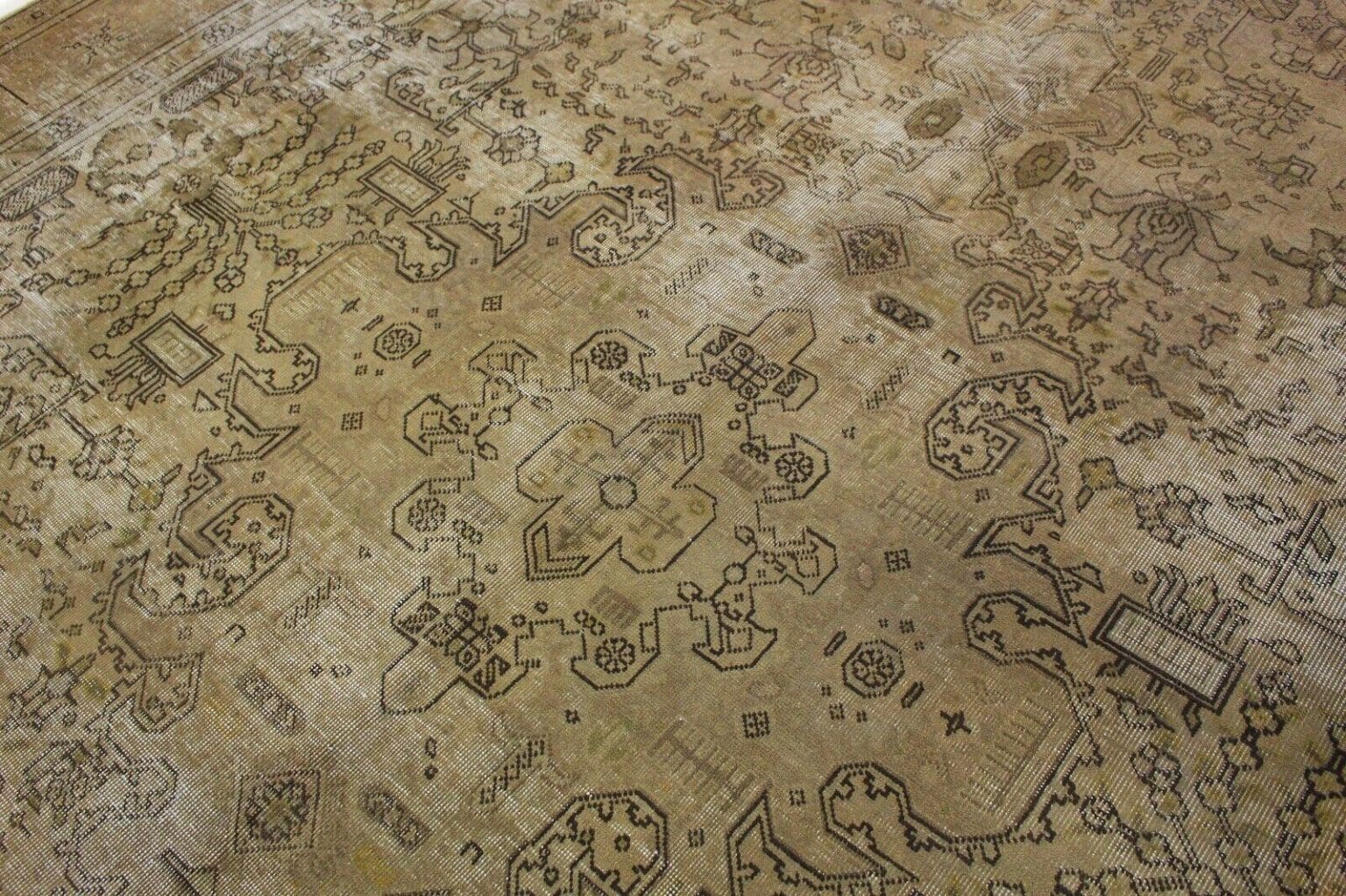
The knot density of this rug is described as high. Knot density refers to the number and closeness of knots placed within the foundation. A high density can support a more differentiated surface and allow motifs to be rendered with greater definition. Density is influenced by the yarn, the foundation, the knotting method and the weaver’s working process. Together with the wool pile, it describes the rug’s stated technical construction.
A hand-knotted rug is produced through several stages. The foundation is prepared first, knots are then inserted in rows, and the pile is trimmed or adjusted as the work develops. Edges and ends are finished so that the textile can withstand its intended use as a floor covering. This process differs from industrial manufacture, where surface formation follows a standardised mechanical sequence. A handmade piece can retain small differences in tension and surface height.
Wool has been used in rug making for centuries because it is a resilient natural fibre suited to a dense pile. It can retain warmth and contribute to a comfortable interior atmosphere. Wool can also be spun, dyed and worked through many different weaving and knotting traditions. In this rug, hand-spun wool is combined with hand-knotting and a high stated knot density, giving the material description a clear technical basis.
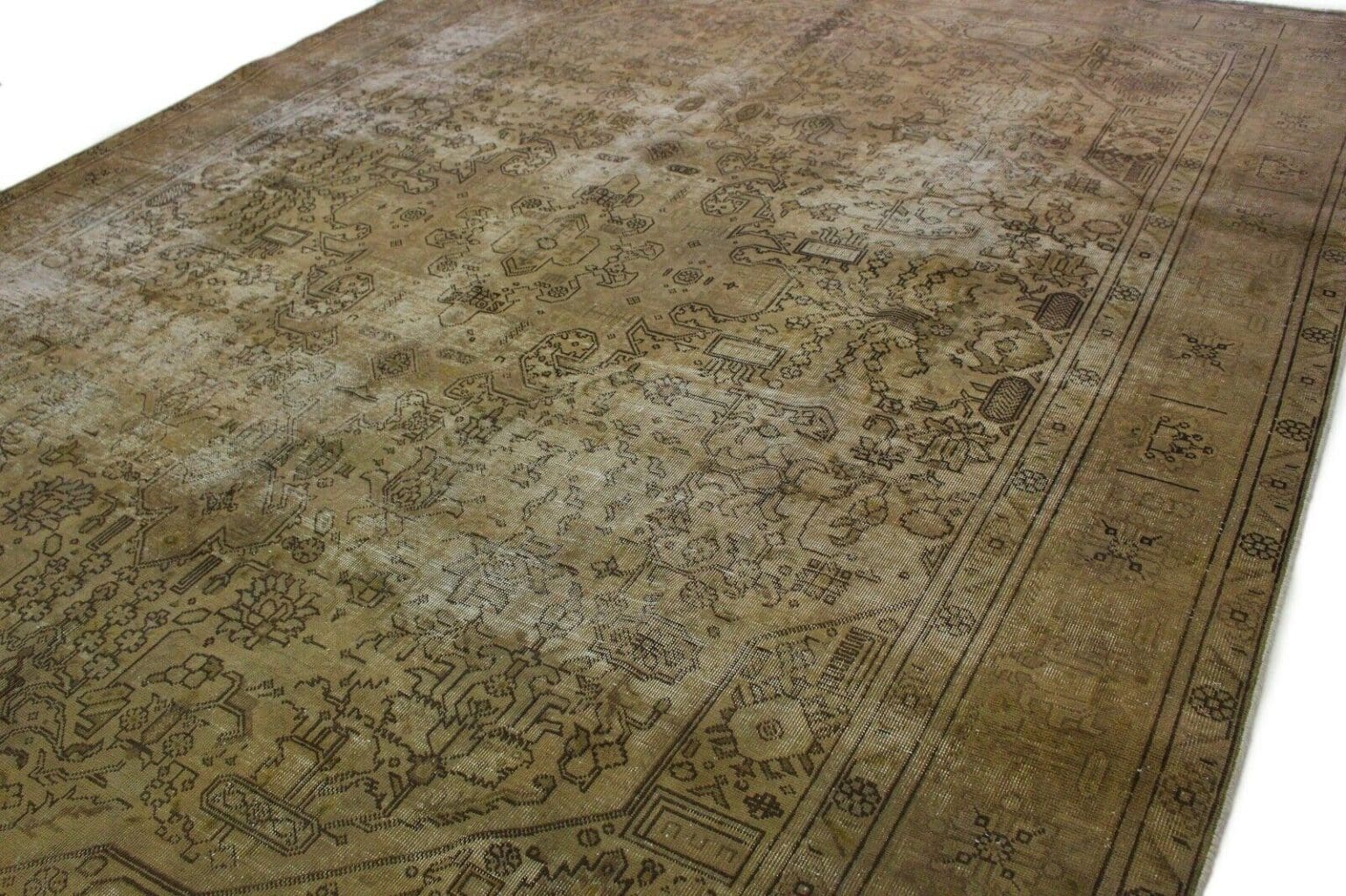
The rug has been specially reworked to create its unique worn vintage appearance. This treatment concerns the visual impression of the surface. The vintage effect is therefore part of the design and does not by itself indicate a particular age or previous use. The condition is stated as new with tag. The intentionally aged appearance and the documented new condition therefore describe two different aspects of the rug.
Origin and Tradition
This piece is classified as an Oriental rug, with its origin given as the Orient. That wording does not identify a particular city, province or country. Oriental rug is a broad term covering handmade rugs associated with the varied weaving traditions of the Orient. Since no narrower place is specified, the designation alone cannot establish a more precise regional provenance.
The history of Oriental rugs includes many separate weaving centres and craft communities. Different regions developed their own approaches to preparing foundations, tying knots, spinning yarn, arranging colours and organising ornaments. Knowledge was often transmitted through families, workshops and local apprenticeships. As a result, the category does not represent one single visual formula. It includes a wide range of techniques, materials and pattern languages.
Rug making begins with the foundation. Warp threads are arranged on the loom and stabilised with weft threads. Knots are then inserted into this structure in successive rows. After groups of rows have been completed, the work is compacted and the pile is adjusted. The edges and ends receive their own finishing treatment. Regional methods differ in the type of knot, the relationship between warp and weft, the density of the pile and the way the borders are secured.
Knot density is an important technical feature in many Oriental rug traditions. Closely placed knots can allow smaller shapes and more finely controlled transitions within a design. A more widely spaced structure can produce larger and more simplified forms. Density is only one element, however. Yarn thickness, material, foundation, knot type, colour application and later surface treatment also affect the final appearance and handling of a rug.
Wool is one of the principal materials used in traditional rug production. It is suitable for spinning into yarn and for creating a hard-wearing pile. Hand-spun yarn may retain slight variations in thickness and twist, producing a more active textile surface than perfectly standardised factory yarn. The use of wool is also connected with its warmth, resilience and ability to hold colour. These characteristics explain its long presence in Oriental rug making.
Oriental rugs have historically served both practical and decorative purposes. They could cover floors, define sitting areas or add visual order to a room. The intended use, available materials and local customs all influenced the resulting design. Some traditions favoured patterns for everyday domestic use, while others developed elaborate compositions for formal settings. The broad term Oriental rug reflects this variety rather than a single fixed regional style.
Colour traditions also vary widely. Dyes may be derived from plant, mineral or synthetic sources, depending on the period and the production context. The appearance of a dyed yarn is influenced by the fibre, the dye bath, light and later treatment. Modern reworking can alter the balance of colour and contrast across a rug’s surface. The beige colour character of this piece is presented together with a modern style and a deliberately worn vintage effect.
Motifs can travel between regions, be adapted by individual workshops or be combined with other design traditions. A pattern therefore does not always prove a precise origin. Floral and geometric forms appear in many Oriental rug traditions. A motif may indicate a stylistic relationship, but it cannot replace an explicit provenance statement. For this rug, the stated origin remains the Orient, with no more specific country or province given.
The term Oriental rug consequently describes a broad cultural and technical context, not automatic proof of Persian or Iranian origin. It would not be accurate to add a city, province or country that is not named. The documented facts are the general Oriental classification, the hand-knotted construction, the wool material, the high knot density and the special vintage reworking. These place the rug within the wider history of handmade Oriental floor coverings without narrowing its provenance.
Design and Pattern
The design combines a modern direction with a vintage appearance. Beige is given as the colour character of the rug. A beige palette can change subtly with the light and surrounding furnishings, while remaining visually restrained. The modern style describes the overall contemporary impression. The vintage look results from the special reworking that creates the stated worn appearance.
The pattern is described as floral and geometric. Floral motifs draw on the forms of plants and may include blossoms, leaves, vines or simplified botanical shapes. Geometric motifs are constructed from lines, angles, diamonds, fields or repeated axes. These two visual languages can be used together, allowing organic contours to stand beside more ordered forms. The combination gives the design both a natural reference and a clear structural rhythm.
Floral and geometric elements have a long history in Oriental textile design. Botanical forms can lead the eye through curved lines and varied silhouettes, while geometric arrangements divide a composition into an organised sequence. Depending on the individual design, motifs may be mirrored, repeated, grouped into compartments or spread across the field. For this rug, the two motif categories are documented, but no specific medallion, border arrangement or repeat structure is identified.
In the wider symbolism of Oriental rugs, floral forms are often associated with nature, growth and renewal. Geometric order may be understood in relation to balance, regularity and stability. Such interpretations belong to the general history of pattern symbolism and should not be treated as a further claim about this individual rug. The concrete design information here is its beige colour character, its modern vintage presentation and its combination of floral and geometric motifs.
The modern and vintage aspects can work together without contradiction. Traditional motif categories may remain recognisable while a subdued palette and a reworked surface create a more contemporary impression. The special treatment makes the rug appear worn, but it does not establish an age or a history of use. The condition is separately stated as new with tag. Design treatment and condition therefore need to be kept distinct.
A composition using botanical and geometric forms can be integrated into several kinds of interior. The rug is described as suitable for living rooms, bedrooms, dining rooms and studies. Its beige colouring can accompany restrained furniture, while the pattern can also sit alongside a more traditional setting. The way the motifs read will depend on room lighting, furnishings and neighbouring colours, but the rug’s own documented design remains its beige modern vintage appearance.
The visual result of a knotted rug depends on the relationship between colour, contour, pile and density. A denser arrangement of knots can support more controlled pattern detail, while the wool pile gives the colour a textile rather than perfectly flat appearance. Surface reworking changes how edges, contrasts and colour fields are perceived. In this piece, technical construction and design treatment come together without requiring an additional regional attribution.
Special Features
A notable feature of this rug is its unique worn look, created by special reworking. It is designed to resemble a vintage textile while its condition is stated as new with tag. The aged visual effect is therefore intentional and does not describe the rug as old or previously used. Beige colouring, modern styling and floral and geometric motifs give the piece a versatile design profile.
The rug is suitable for rooms with underfloor heating. Living rooms, bedrooms, dining rooms and studies are named as possible settings. Its hand-knotted wool construction reflects its use as a residential floor covering. Regular vacuuming is recommended for care. The fibres should not be rubbed too vigorously, and professional cleaning is advised for stains because chemical cleaning products may damage the colours.
FAQ
How should the Oriental rug be cleaned and maintained?
Regular vacuuming is recommended for routine care. The fibres should not be scrubbed or rubbed too strongly, as this can put unnecessary stress on the pile. For stains, professional cleaning is recommended. Chemical cleaning products may damage the colours and should therefore not be used without appropriate professional advice.
Where exactly does this rug come from?
The rug is classified as an Oriental rug and its origin is stated as the Orient. No individual city, province or country is named. Oriental rugs reflect many cultures and craft traditions, so this broad classification does not provide a more precise regional attribution.
Can the rug be used in a heated room?
Yes. The rug is suitable for rooms with underfloor heating. Its hand-knotted construction and wool material make it suitable for different indoor climate conditions. It can therefore be used in heated living spaces.
Additional information
| Color | |
|---|---|
| Size | |
| Shape | |
| Origin | |
| Material |
Related products

Persian Rug Gabbeh 200 x 300 cm Cashmere Hand-knotted
€ 1323
Persian Rug Qashqai 286 x 192 cm Wool Hand-woven
€ 944
Persian Rug Heriz ca 341 x 242 cm Wool Hand-knotted
€ 1800
Persian Rug Gabbeh 200 x 300 cm Cashmere Hand-knotted
€ 1325
Persian Rug Qashqai 284 x 183 cm Wool Hand-woven
€ 798
Persian Rug Gabbeh 305×260 cm Wool Hand-knotted
€ 2307
Persian Rug Qashqai 300 x 197 cm Wool Hand-woven
€ 798
Persian Rug Tabriz approx. 350 x 245 cm Wool Hand-knotted
€ 1280