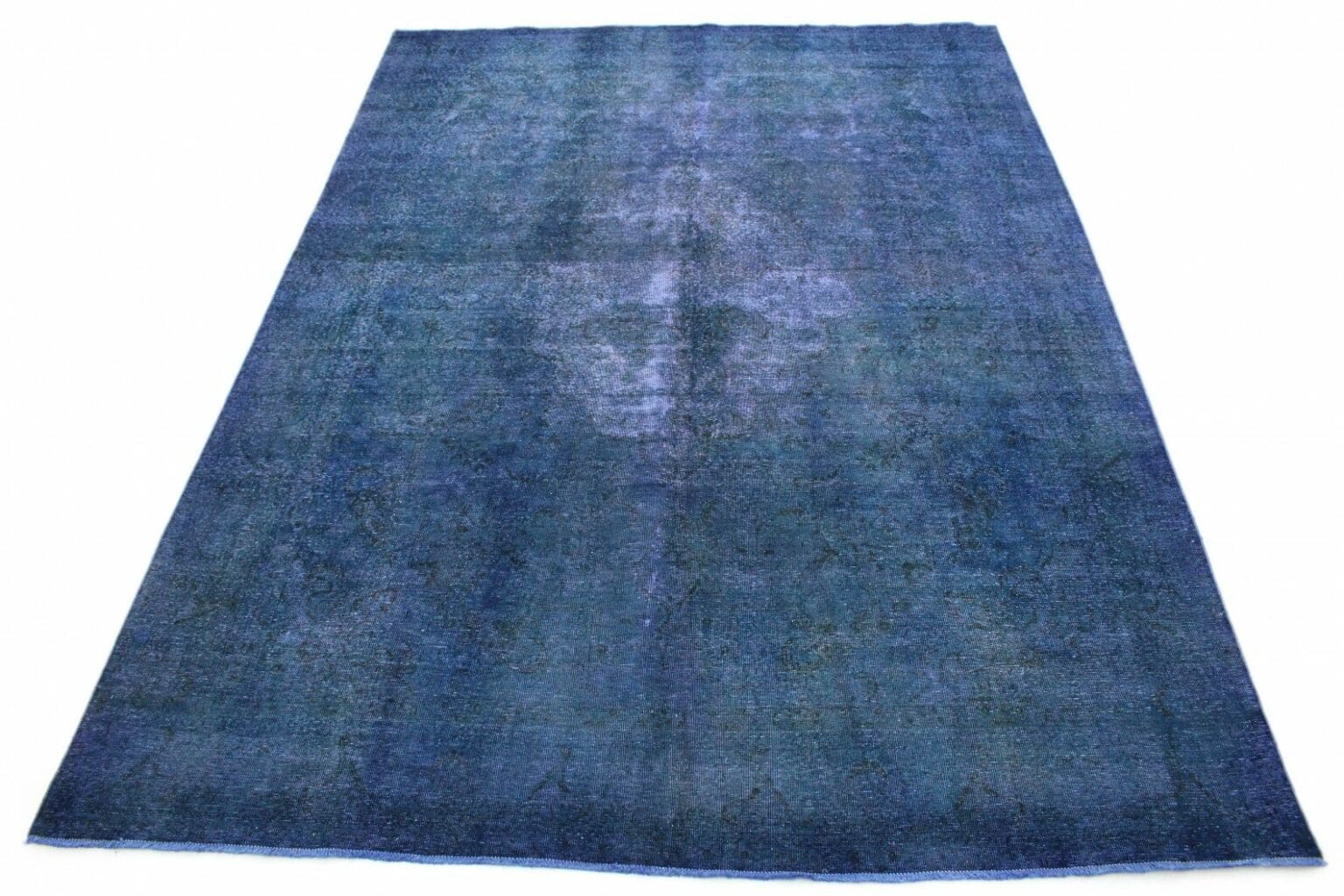
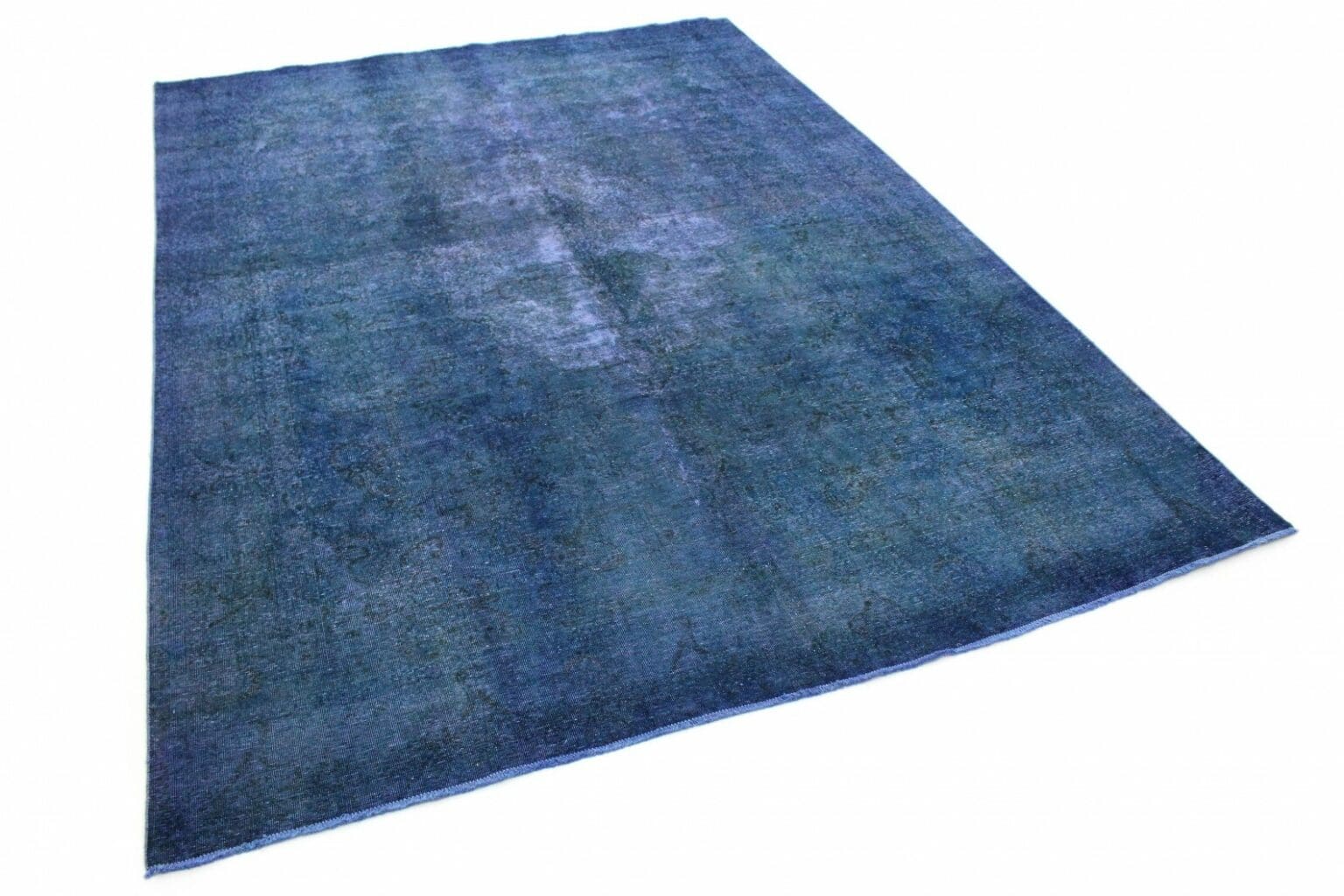
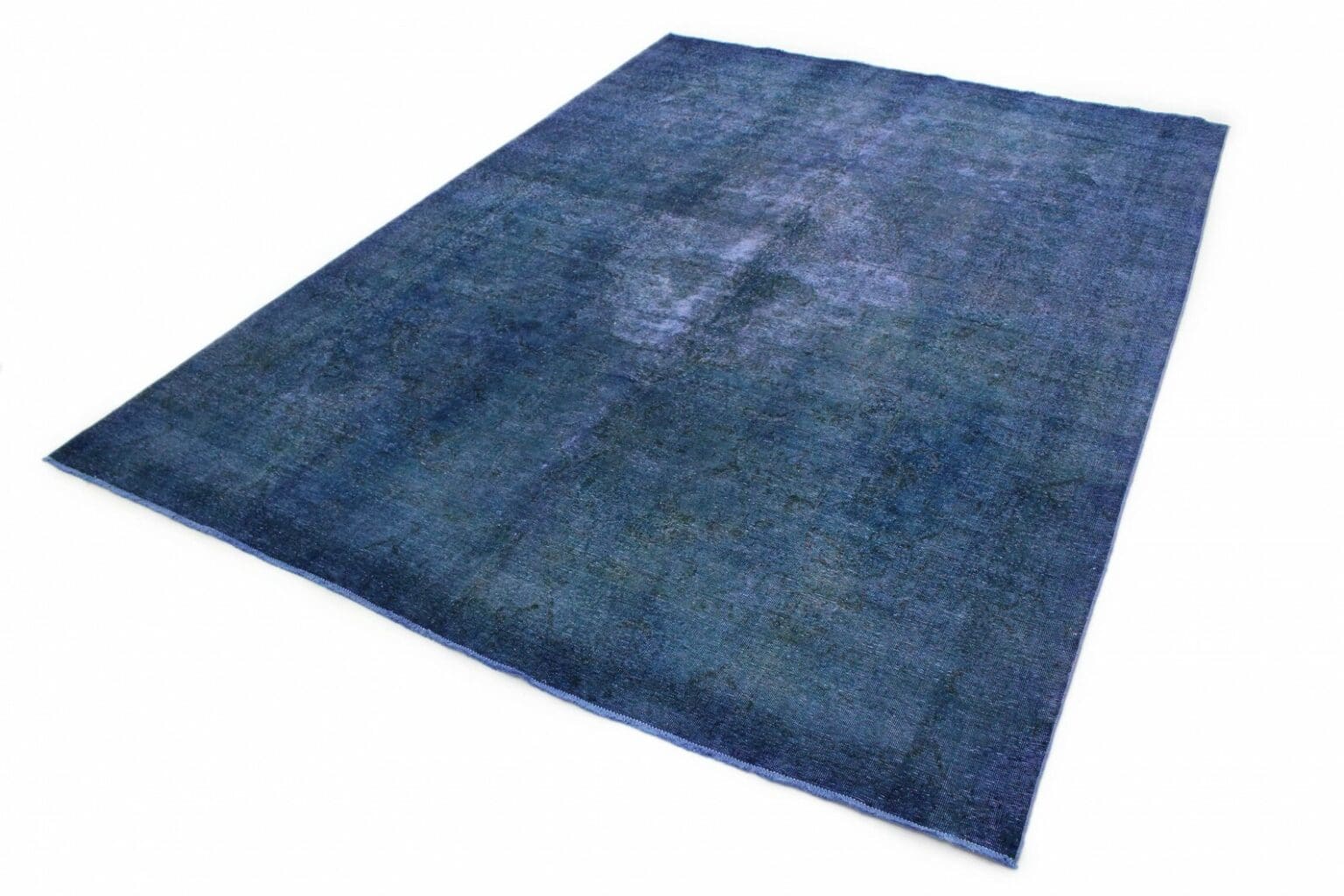
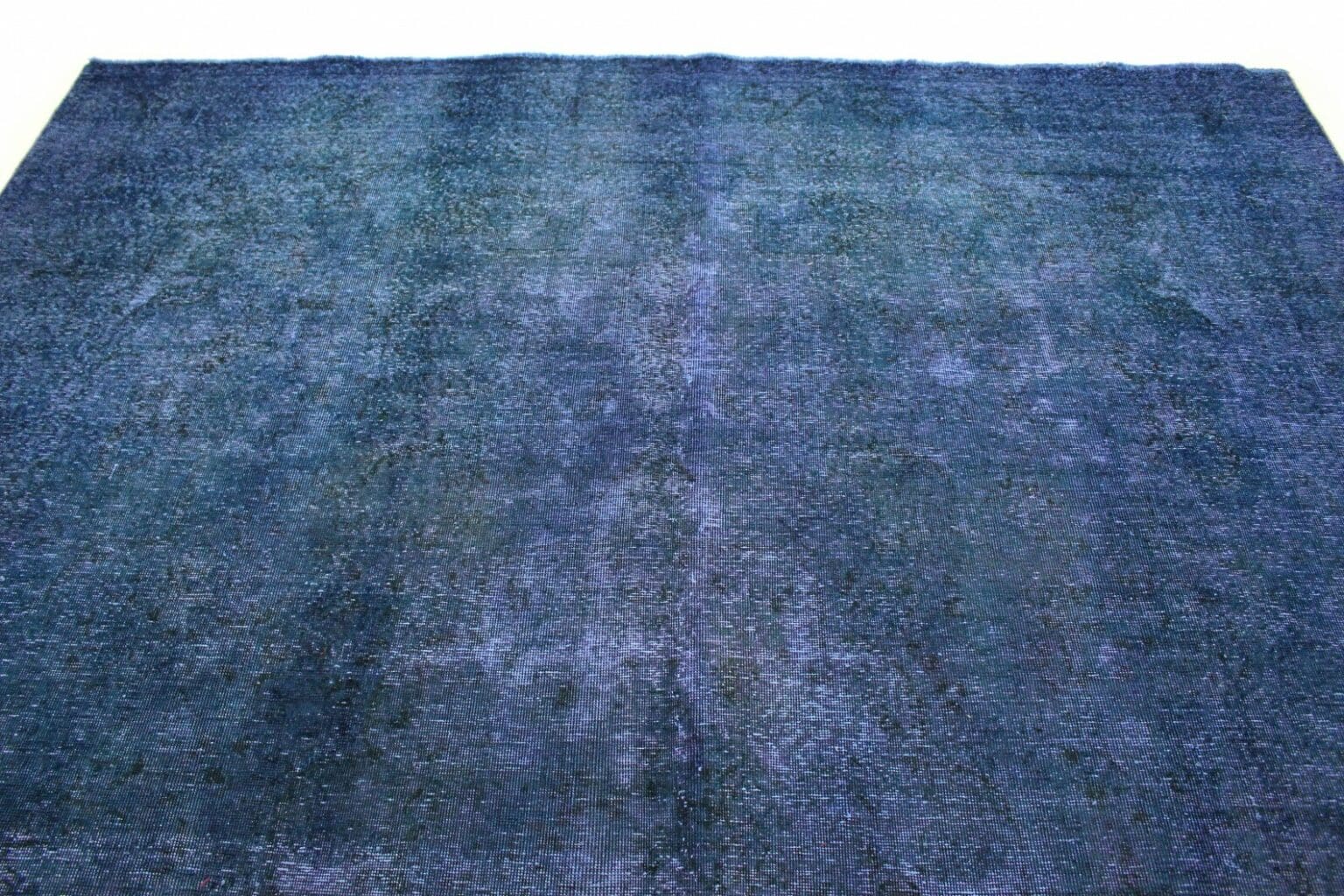
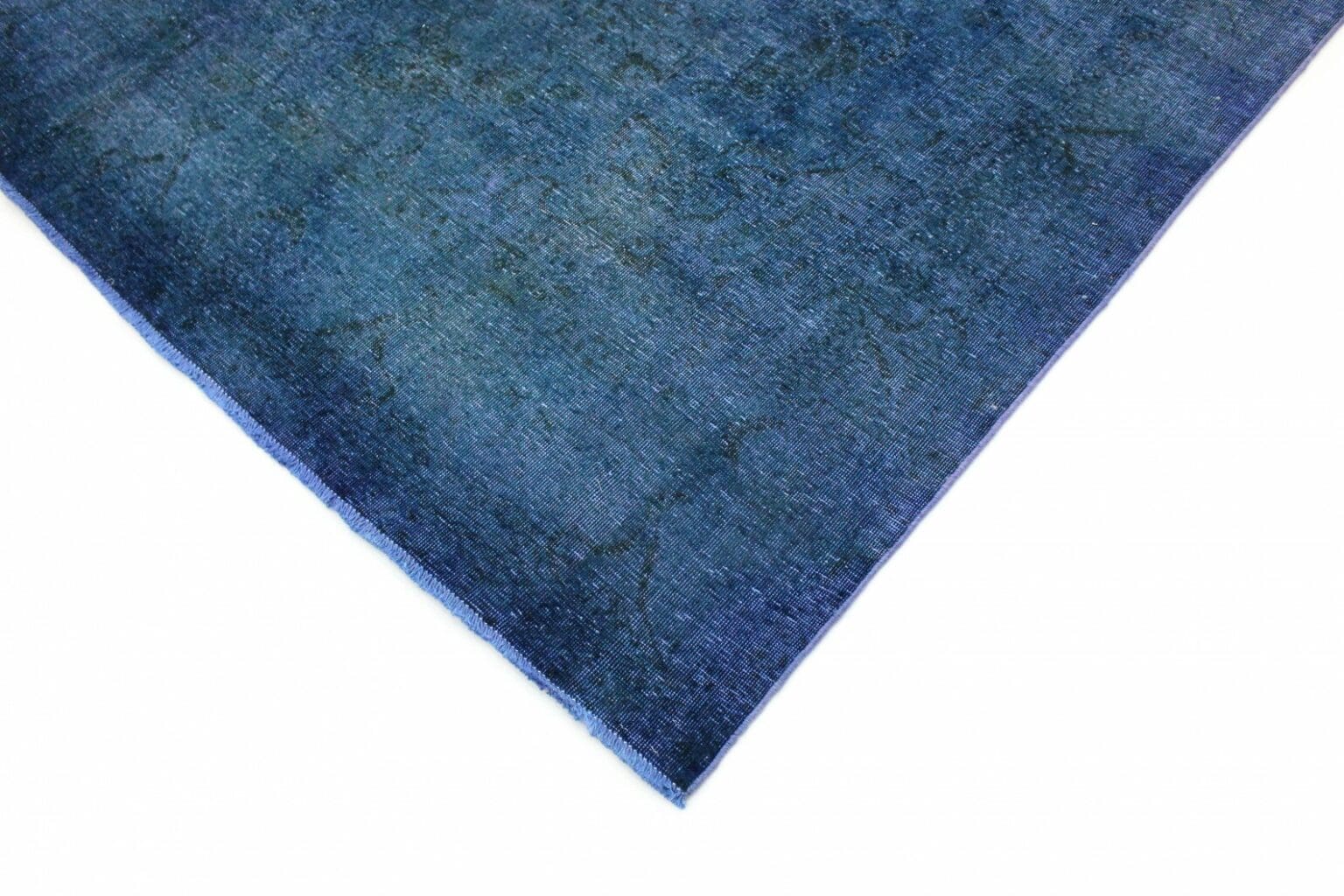
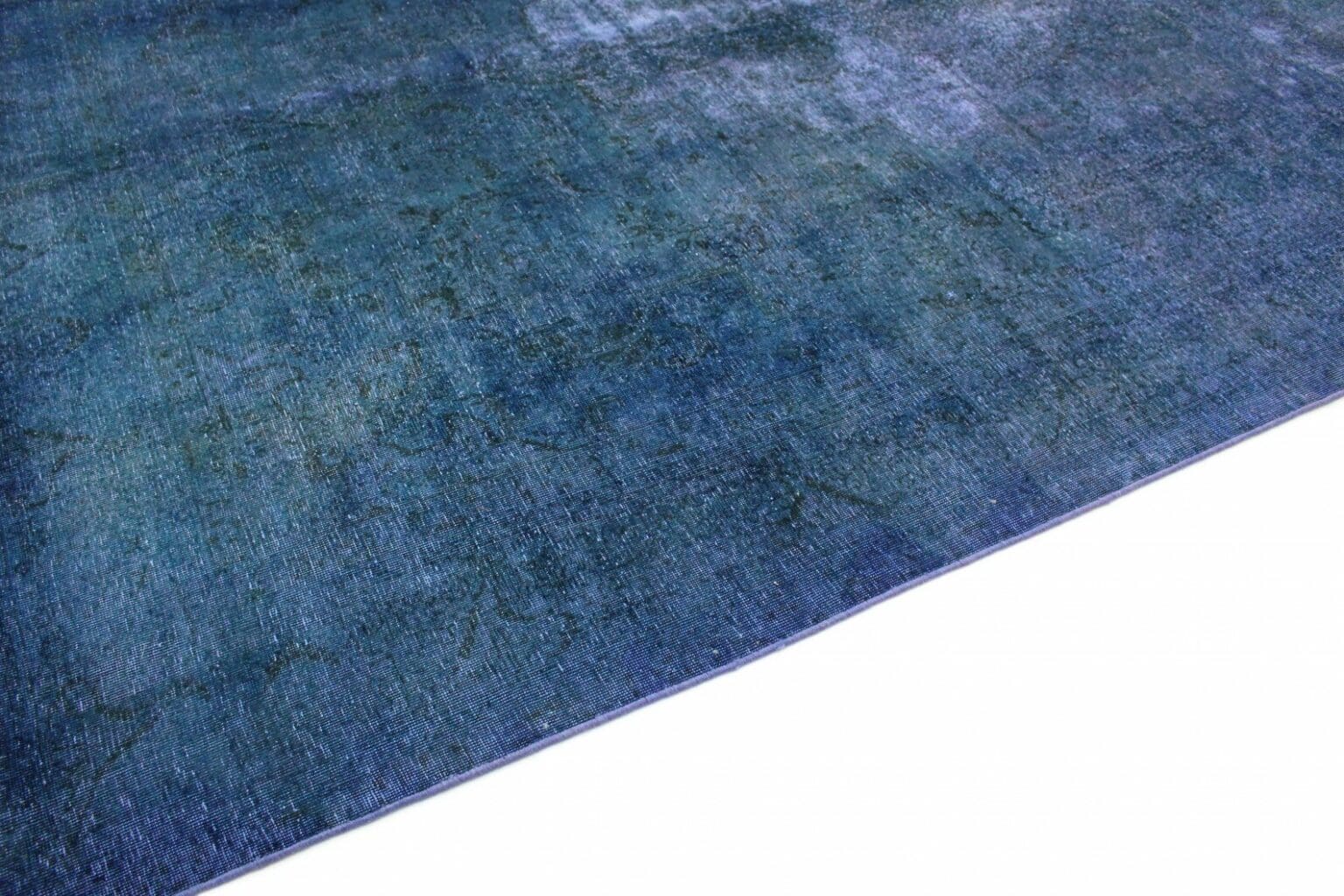
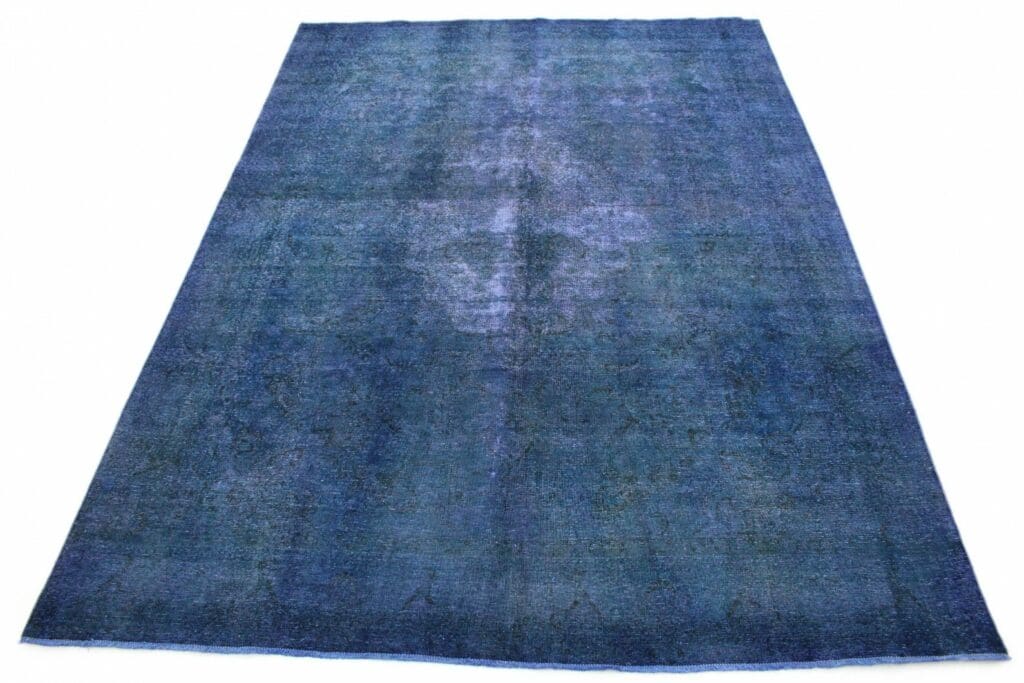
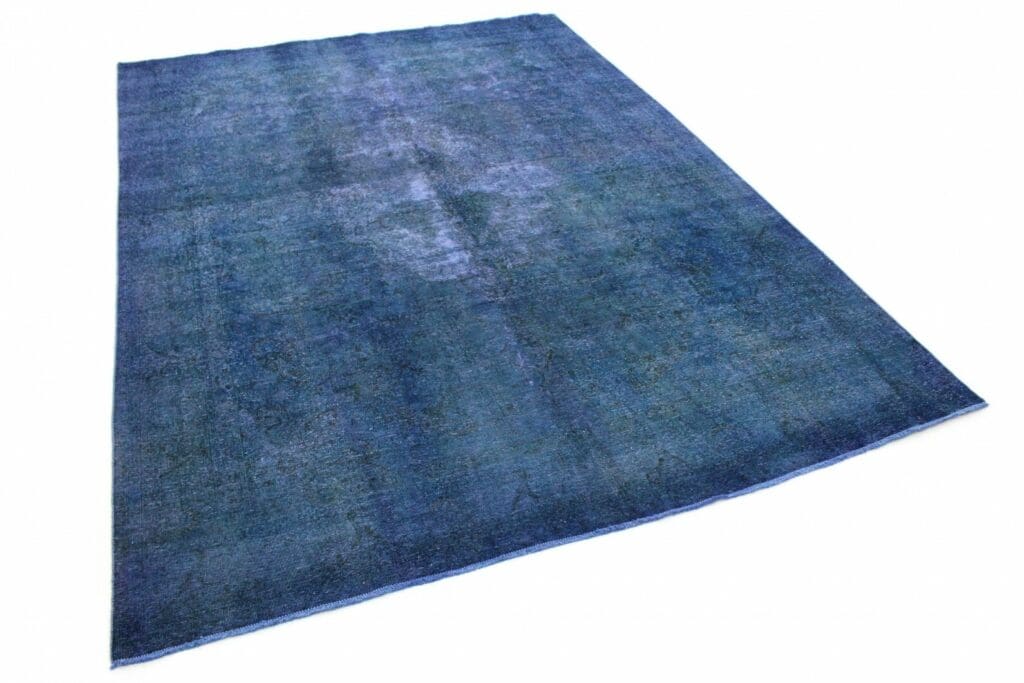
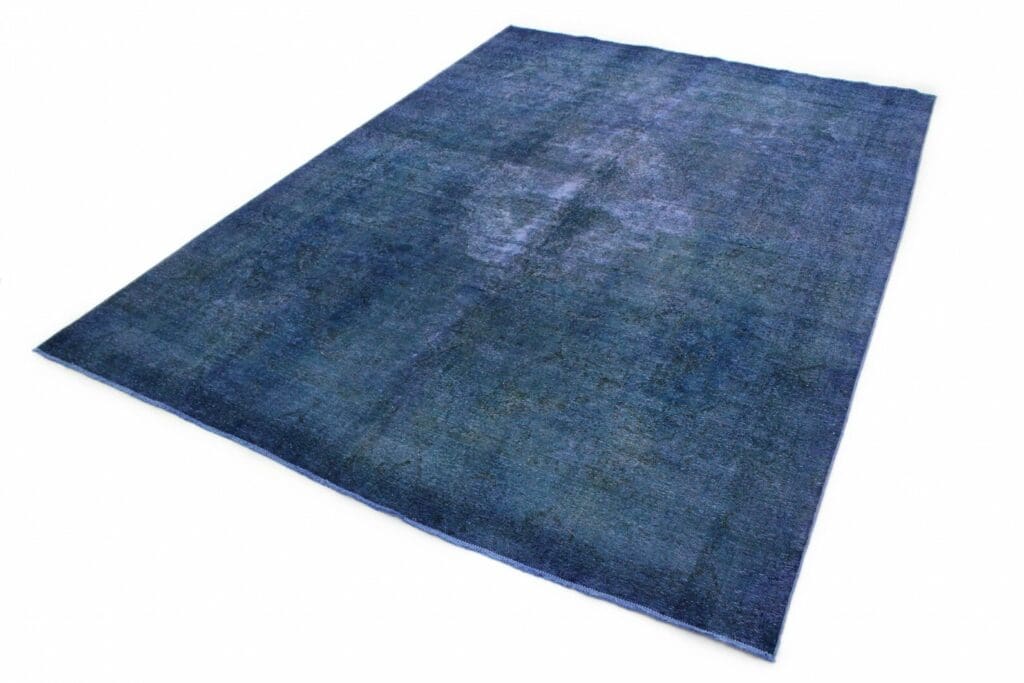
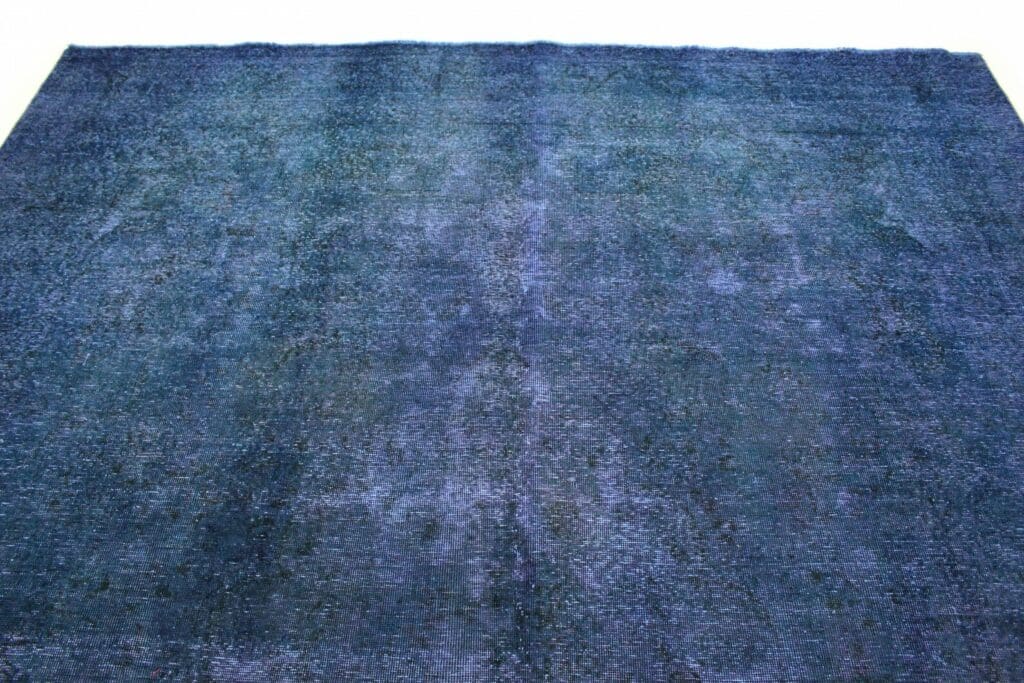
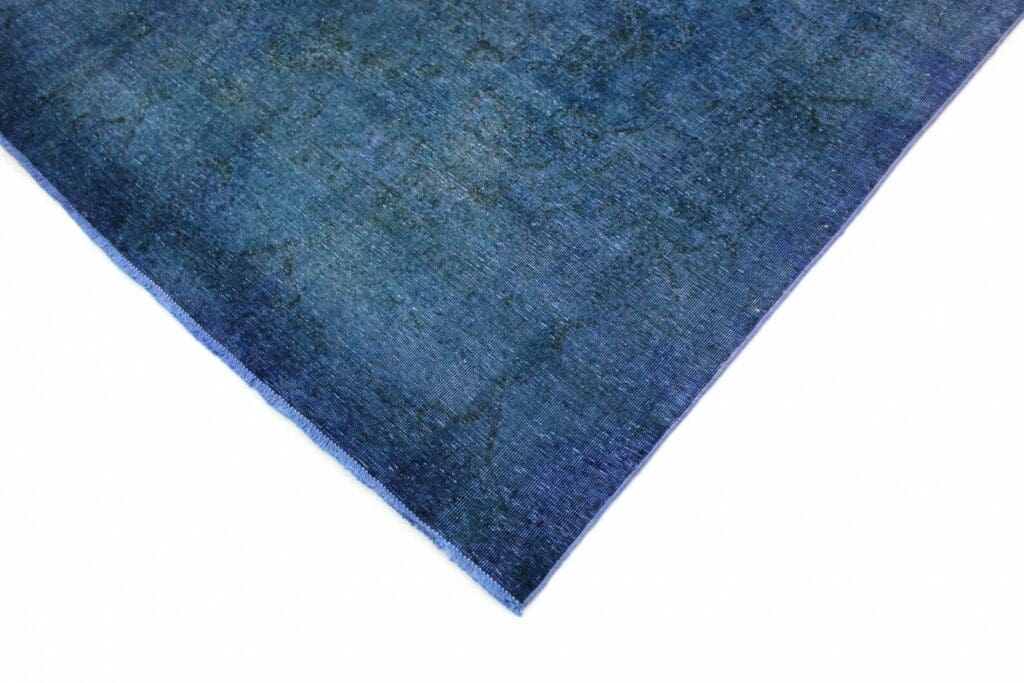
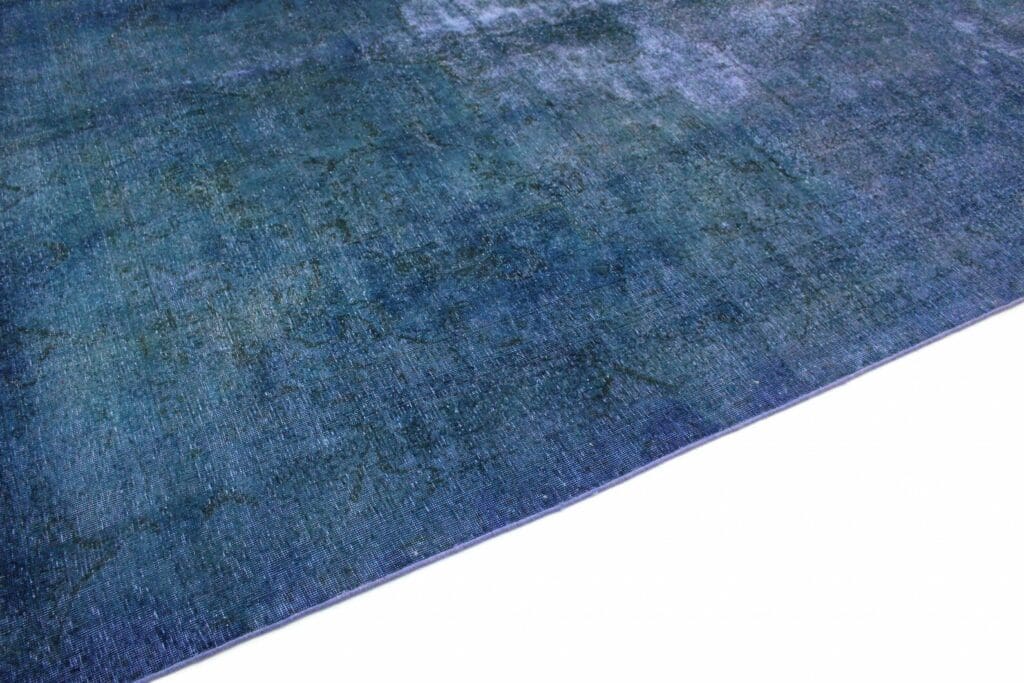
Oriental Rug 402 x 289 cm Wool Hand-knotted
€ 3337
Hand-knotted Oriental rug | Knot density: Hand-knotted | Material: hand-spun wool pile | Size: 400 x 287 cm | Pattern: blue, modern | Condition: new with tag
1 available
- ✓Free Shipping in EU
- ✓2-5 Business Days Delivery
- ✓14-Day Return Policy
- ✓Worldwide Shipping on request
 SECURE PAYMENT
 SHIPPING PARTNERS
Inventory number: 103E7201
Description
Oriental Rug
Material and Craftsmanship
This Oriental rug is hand-knotted and made from hand-spun wool. In hand-knotting, each knot is placed individually into the prepared foundation. The surface therefore develops directly from the making process rather than being applied as a finished layer. Working by hand requires consistent handling of the yarn and careful execution across the entire rug. The description associates the hand-knotted construction with a high knot density and corresponding durability.
Hand-spun wool is a traditional material in Oriental rug making. During spinning, the fibres are joined into a continuous yarn which is then used for the knots. Wool can retain warmth and gives the surface a comfortable textile feel underfoot. Its fibrous structure accepts dye and produces a surface in which the character of the material remains visible. The material information for this rug identifies hand-spun wool; no warp material is specified.
Hand production differs from machine manufacture because small variations in the working process can form part of the result. Knots are placed row by row and consolidated through further stages of construction into a continuous rug. The technique combines the practical role of a floor covering with a craft practice passed down through generations. This rug is described as durable and hard-wearing. At the same time, its hand-knotted construction remains a direct indication of the labour involved in making it.
Origin and Tradition
This rug is identified as an Oriental rug and is connected with the wider tradition of Oriental carpet art. The word Oriental does not identify one country or one workshop. It covers a broad cultural area in which many different approaches to carpet making developed. The description names Iran, Turkey and the Caucasus as countries and regions typically associated with this tradition. Each has its own working methods, colour preferences and inherited pattern vocabulary. For this rug, the recorded origin is only the Orient; no particular province or town is given.
The history of Oriental rugs is closely linked to the knowledge of weavers, knotters and dyers. Techniques were handed down through families, workshops and local communities. A rug was not made solely as a decorative object. It could serve an everyday purpose, be laid out in a living space or be kept as part of a household’s furnishings. Making a rug brought practical requirements together with a visual language that varied between regions and communities.
In many Oriental weaving traditions, production begins with preparing the foundation. Knots are then arranged in ordered rows. Knot density, yarn selection and pattern design work together to determine the appearance and practical qualities of the finished surface. In a hand-knotted rug, the design is created during the knotting itself rather than printed or attached afterwards. This explains why the process requires time, experience and continuous attention to the sequence of colours and forms.
Oriental rugs are also often understood as carriers of cultural signs. Ornaments may draw on observations of nature, geometric systems, religious ideas or symbols from everyday life. Their meanings are not identical everywhere and cannot be assigned with certainty to every individual rug. The broader tradition shows how use, craftsmanship and design have long been connected. This rug belongs to that general context of Oriental carpet art and is additionally described as a modern vintage rug.
The vintage designation here is accompanied by an age of 20 to 50 years. At the same time, the listed condition is new with tag. These two details are presented together without deriving a particular life story or a specific place of manufacture. The origin therefore remains limited to the Orient, while age and condition remain separate product facts.
Design and Pattern
The design of this rug is blue and its style is described as modern. In Oriental rug design, blue can range from light, airy tones to deep, saturated shades. Its effect depends on the colour arrangement, the contrasts and the relationship between pattern and open ground. No precise palette or named ornament is given for this rug. It can therefore be described accurately as a blue modern Oriental rug without assigning it a pattern that has not been stated.
Oriental patterns often combine central forms, repeated borders, vines, flowers, medallions or geometric fields. Other designs use an open ground with only a few clearly placed signs. In traditional workshops, these elements are not merely decorative; they are arranged through rhythm, symmetry and repetition. A pattern may appear dense or may deliberately leave space between its forms. Hand-knotting translates this drawn order into a textile surface as the design is built knot by knot.
Colour performs several functions in an Oriental rug. It separates areas, clarifies the direction of an ornament and gives the composition visual weight. Blue has been used in different rug-making regions both as a dominant ground colour and as an accent. Its appearance changes according to neighbouring tones and the nature of the wool. With hand-spun yarn, slight differences in the fibre and in dye absorption can contribute to the character of a textile area. This is general textile knowledge, not an additional claim about the exact dyeing of this rug.
The modern style designation describes a design that can be read in a contemporary way within the broad field of Oriental rugs. Modern designs may simplify traditional principles, reorganise them or combine them with a restrained colour effect. This can allow them to relate to both clear-lined and traditionally furnished interiors. The source does not name a particular motif or provide an individual symbolic interpretation. Oriental patterns may generally be associated with ideas of protection, good fortune, nature or an ordered living environment; none of these meanings should be assigned as a specific motif to this rug.
The textile structure supports the visual effect of the design. During knotting, colour and form are created together through individual knots. The source identifies a high knot density as a feature of the construction. Combined with the blue colour and modern style, this supports the straightforward description of a modern blue Oriental rug. No further information is provided about an ornament, border, medallion or overall composition.
Special Features
The rug is stated to be suitable for use with underfloor heating. It is therefore intended for rooms where underfloor heating may be installed. Its hand-knotted construction, the use of hand-spun wool and the described high knot density are further named characteristics. The rug is described as easy to care for and durable. For routine cleaning, the care instruction recommends a vacuum cleaner without a brush attachment. Deeper soiling can be addressed through professional rug cleaning.
The source also describes hand-knotted rugs as individual pieces, with no one example exactly matching another. This statement refers to the nature of hand production. For this particular rug, the age is given as 20 to 50 years and the condition as new with tag. No further information is supplied about restoration, signs of use or the previous history of the piece.
FAQ
How should I care for this Oriental rug?
Regular vacuuming without a brush attachment is recommended for routine care. This cleans the surface without using a rotating brush. If dirt has penetrated more deeply, professional rug cleaning is advisable. The rug is also described as easy to care for and durable. No special cleaning agent or additional treatment is specified.
Where does this vintage Oriental rug come from?
The recorded origin is the Orient. The rug is therefore placed within the tradition of Oriental carpet art, which developed across several regions. The description refers to Iran, Turkey and the Caucasus as typical points of reference for this tradition. No specific province, town or workshop is named for this piece. Its age is given as 20 to 50 years, while its condition is listed as new with tag.
What are the characteristics of a hand-knotted rug?
In a hand-knotted rug, the knots are placed individually by hand. The source connects this technique with high knot density, stability, hard-wearing qualities and durability. Hand-knotted rugs are also described as individual pieces because no two examples are exactly alike. This rug additionally has hand-spun wool, a blue modern design and suitability for underfloor heating.
Additional information
| Color | |
|---|---|
| Size | |
| Shape | |
| Origin | |
| Material |
Related products

Oriental Rug Qashqai 292 x 193 cm Wool Hand-woven
€ 798
Persian Rug Qashqai 288 x 193 cm Wool Hand-woven
€ 798
Oriental Rug Loribaft 200 x 300 cm Wool Hand-knotted
€ 1800
Persian Rug Heriz ca 341 x 242 cm Wool Hand-knotted
€ 1800
Persian Rug Heriz 340 x 254 cm Wool Hand-knotted
€ 1438
Persian Rug Fars 292 x 206 cm Wool Hand-woven
€ 798
Persian Rug Qashqai 286 x 192 cm Wool Hand-woven
€ 944
Persian Rug Gabbeh 200 x 300 cm Cashmere Hand-knotted
€ 1323