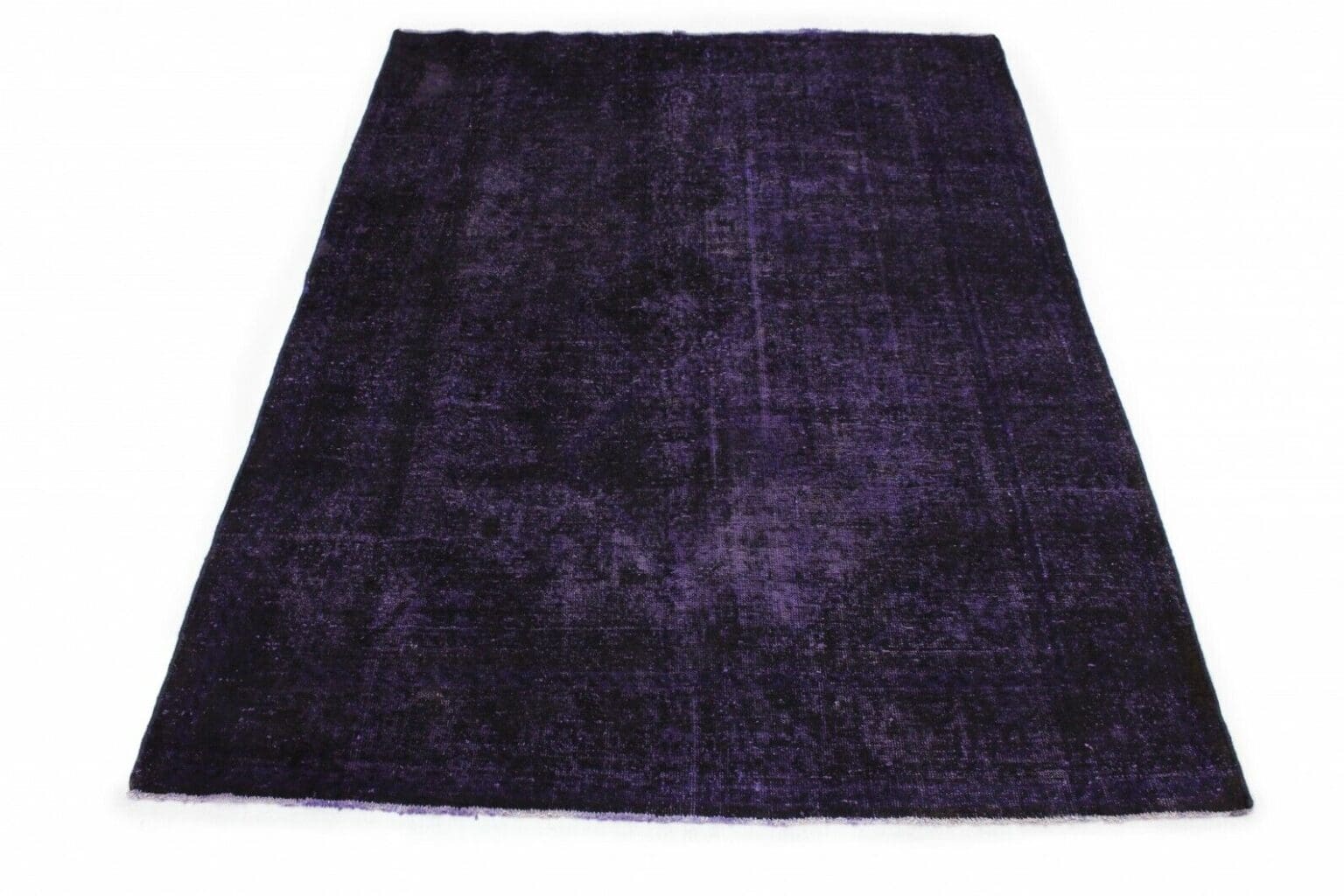
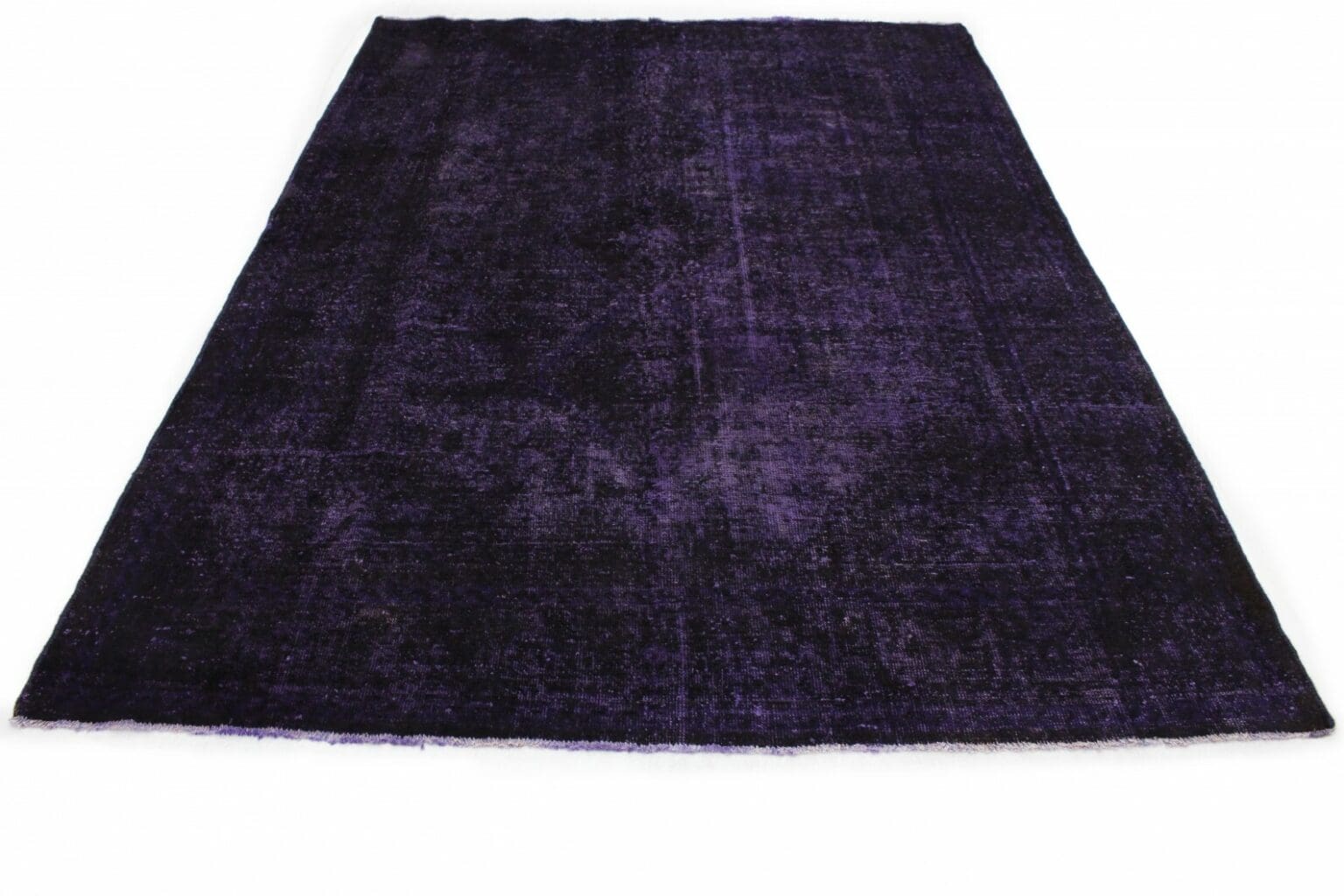
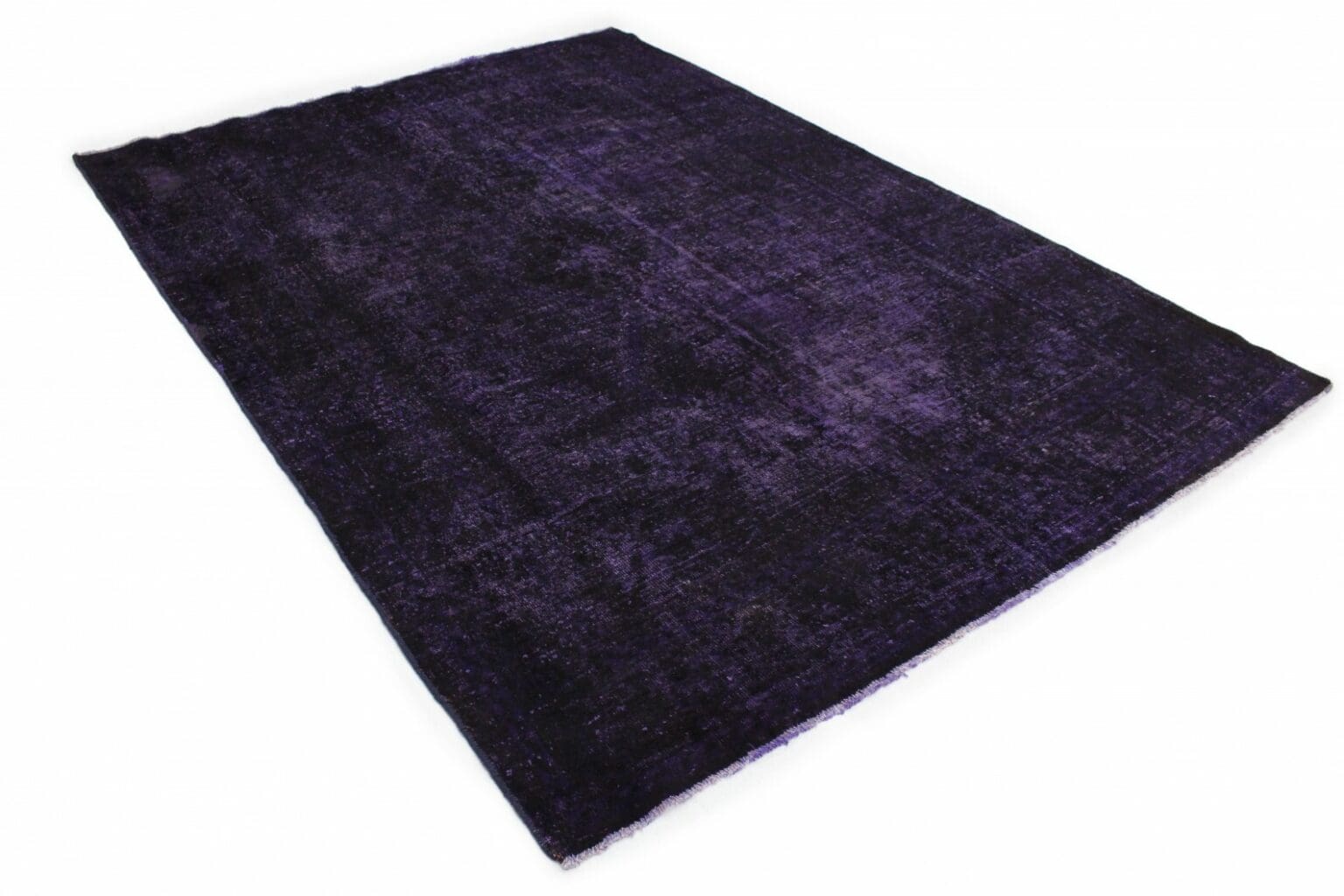
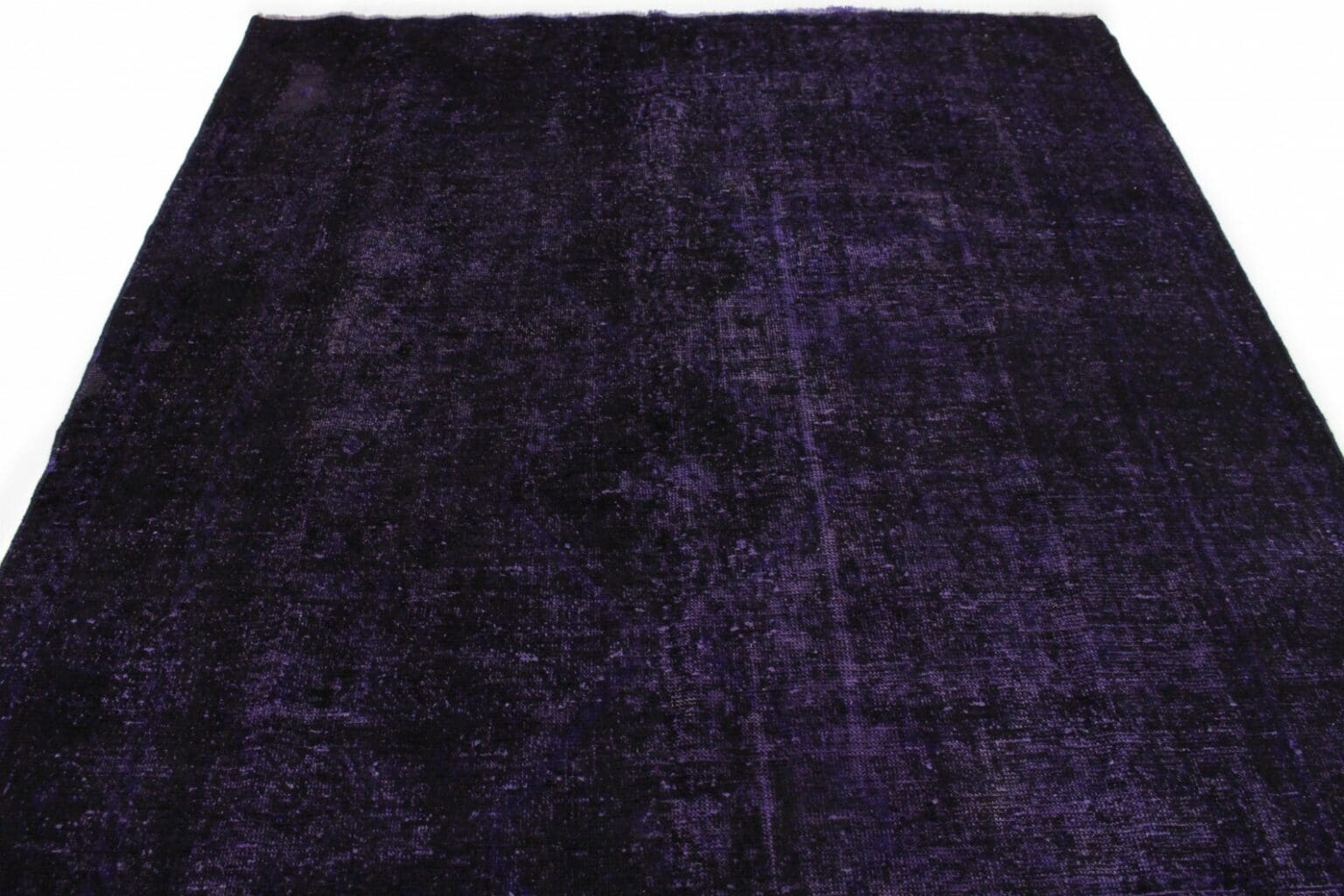
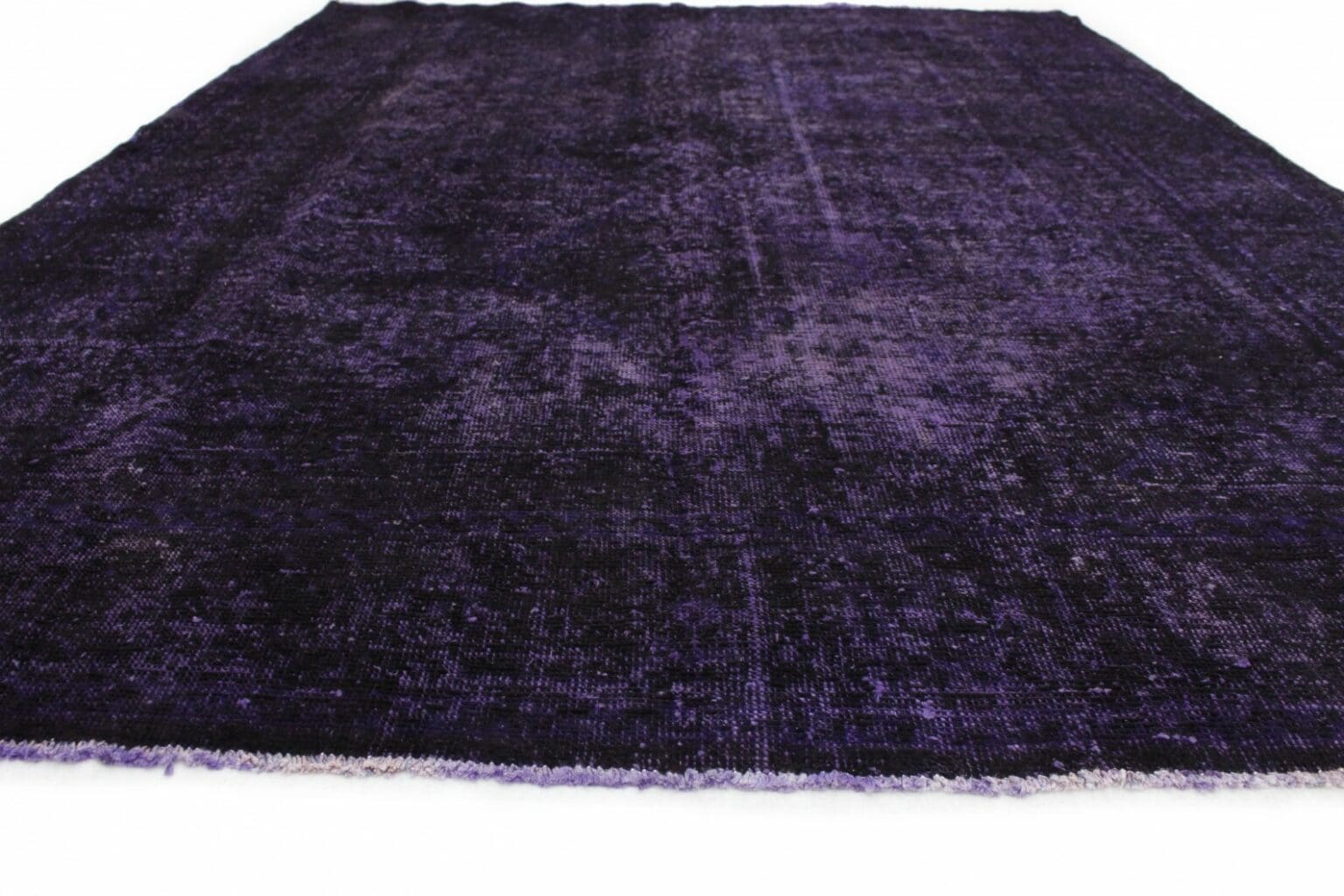
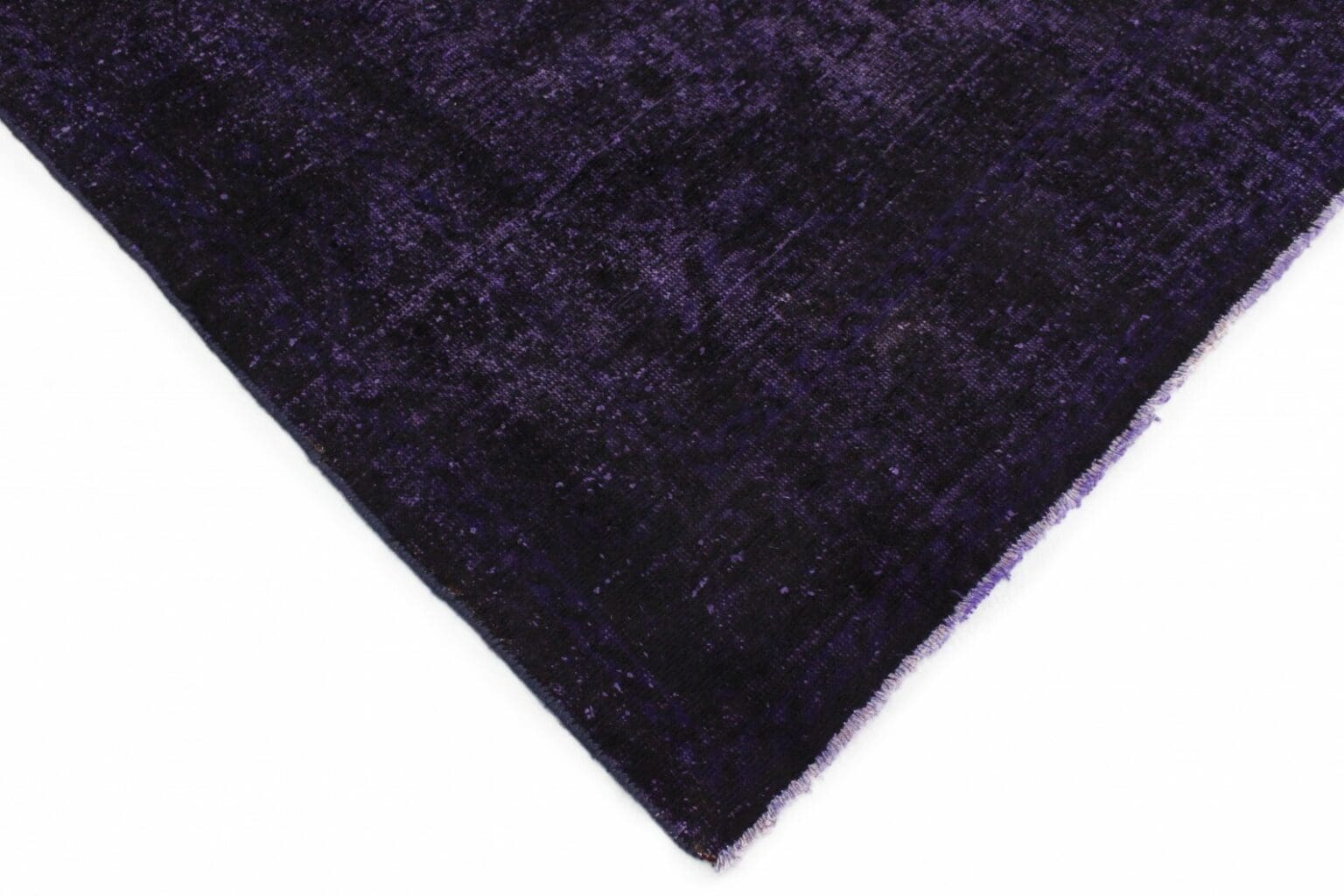
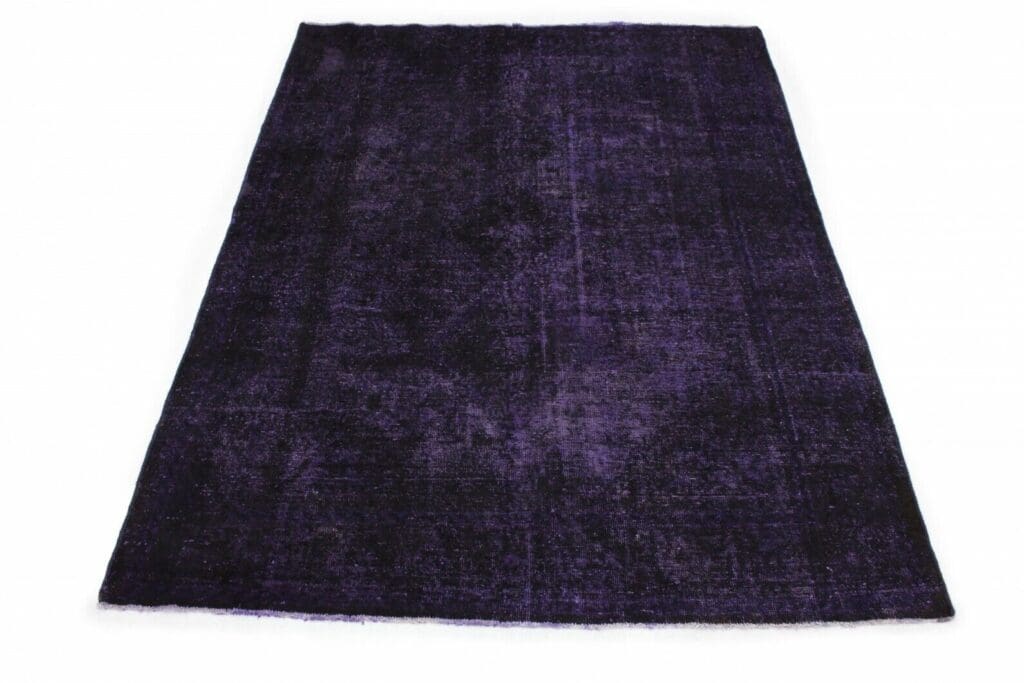
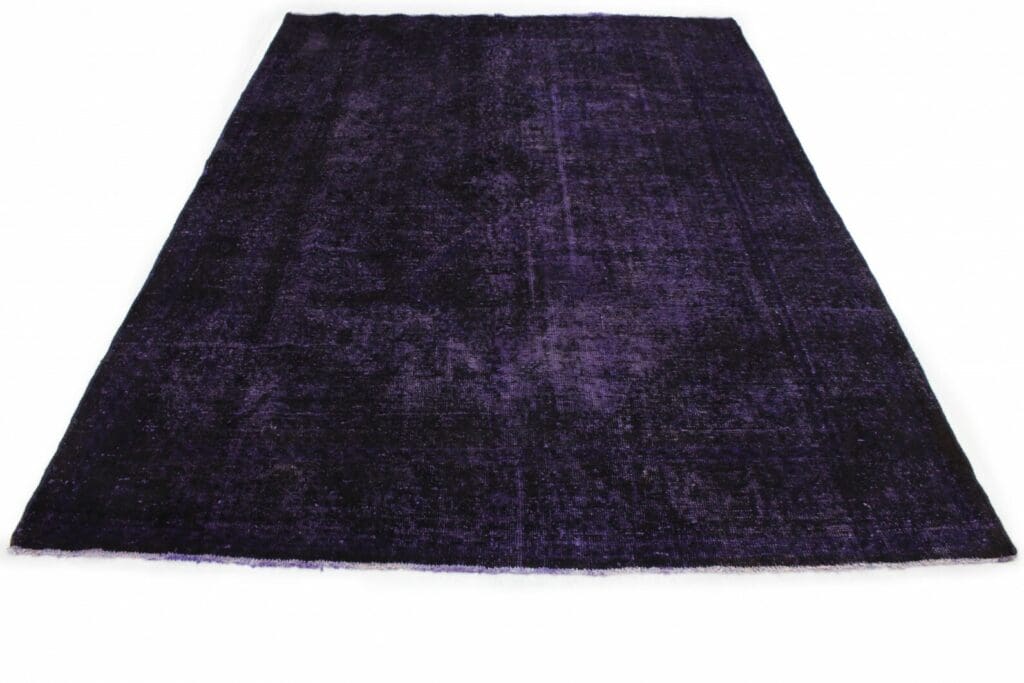
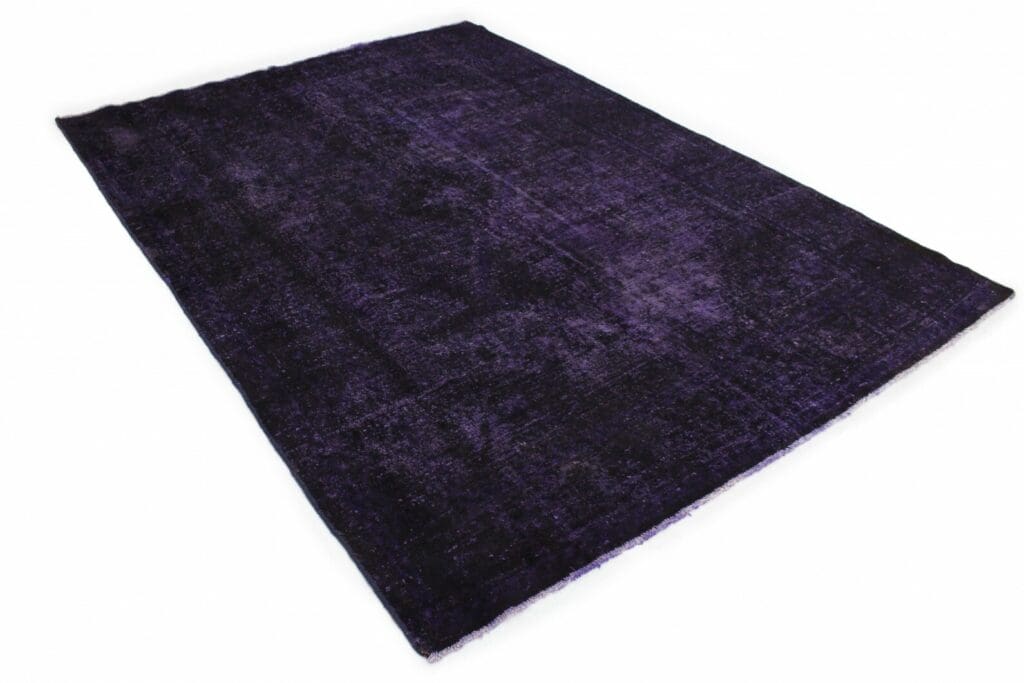
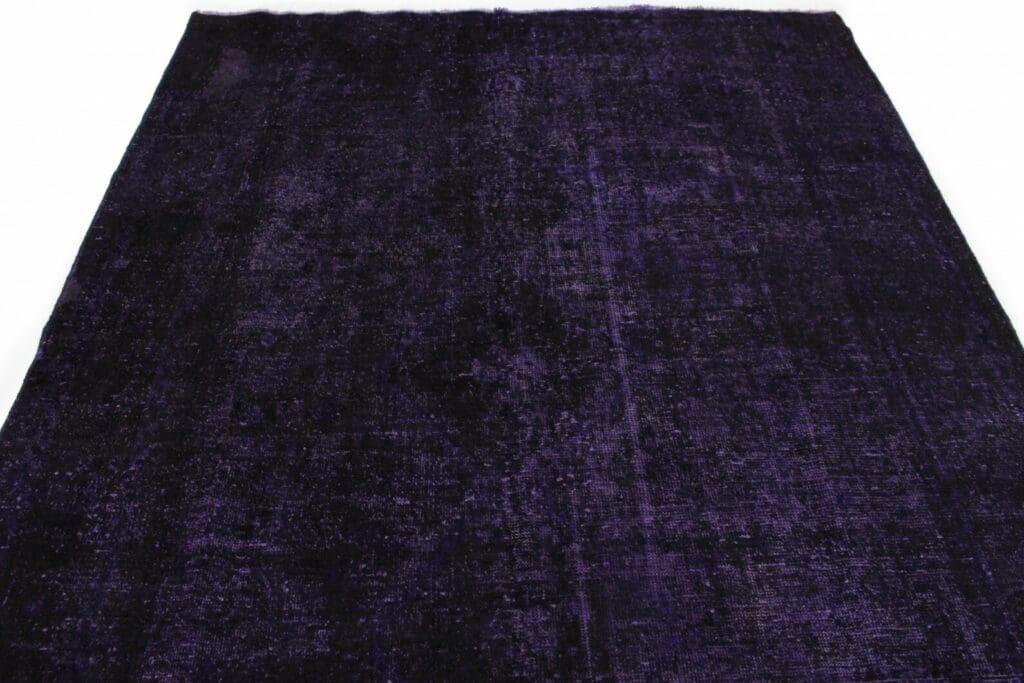
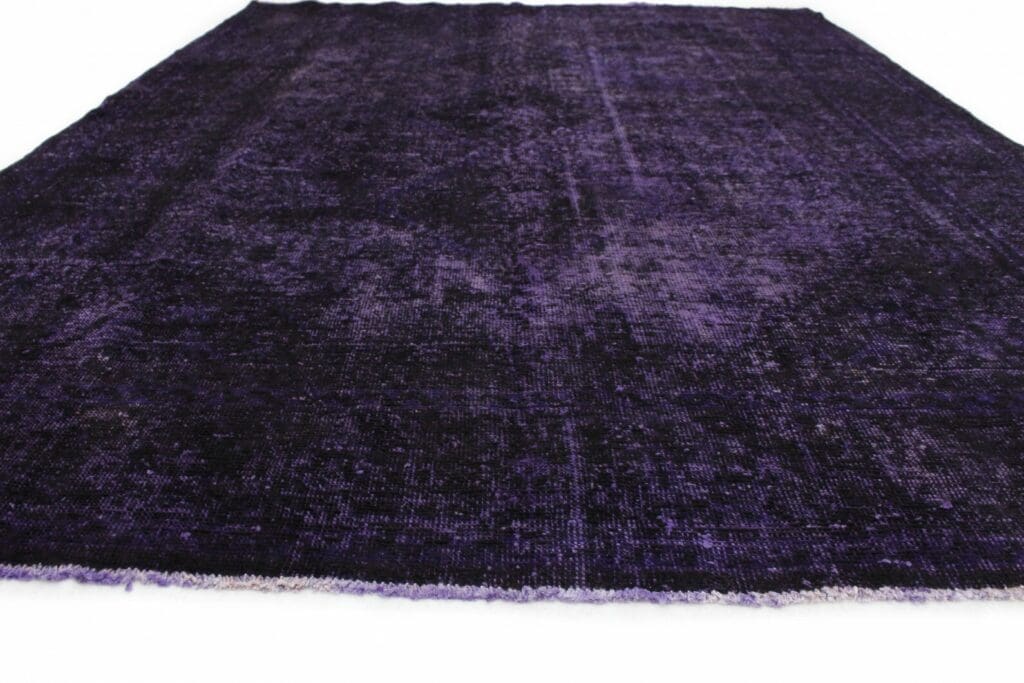
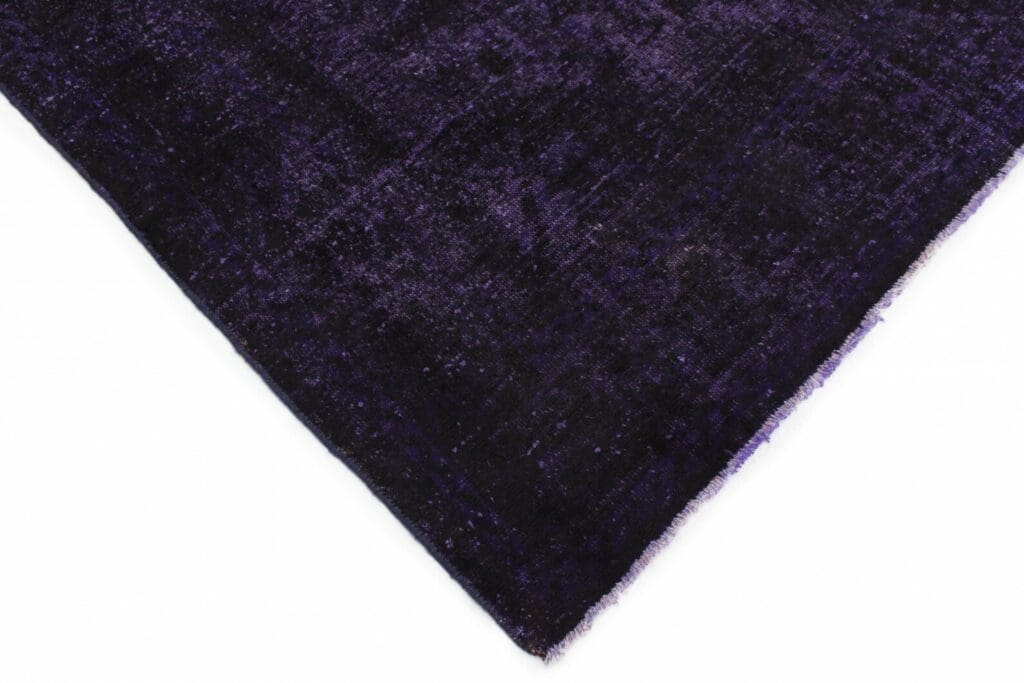
Oriental Rug 290×209 cm Wool Hand-knotted
€ 1360
Hand-knotted Oriental rug | Knot density: Hand-knotted | Material: Pile hand-spun wool | Size: 290×209 cm | Pattern: Oriental | Condition: New with tag
1 available
- ✓Free Shipping in EU
- ✓2-5 Business Days Delivery
- ✓14-Day Return Policy
- ✓Worldwide Shipping on request
 SECURE PAYMENT
 SHIPPING PARTNERS
Inventory number: 108C59D6
Description
Oriental Rug
Material and Craftsmanship
This modern vintage Oriental rug is hand-knotted and made from hand-spun wool. The natural wool material and the traditional knotting method define its surface and construction. In a hand-knotted rug, individual knots are worked by hand into the foundation. The result is not a uniform machine-made series item, but a distinct textile with its own surface structure and visible character.
Hand-spun wool is made by turning prepared wool fibres into yarn manually. That process can create a lively variation in the yarn and contribute to the tactile quality of the pile. Wool has long been used in rug making because of its natural resilience and pleasant feel. Here, the hand-spun material is combined with hand knotting, so the pile and the design are built through a sequence of individual craft steps.
The knot-density entry for this rug is given as hand-knotted. In this description, it identifies the method of construction rather than a numerical knot count. The knots are formed progressively as the pattern develops. Hand work can produce subtle differences in yarn tension and surface texture, which are part of the character of this type of manufacture.
The rug is listed as new with tag. It is also described as modern vintage, which refers to its visual direction rather than a worn condition. Its material and production remain clearly defined by hand-spun wool and hand knotting. Together, these details place the rug within a craft tradition while its styling is directed toward a contemporary interior.
Origin and Tradition
This rug is classified as an Oriental rug from the Orient. The term Orient is broad and refers to a large cultural and textile area rather than one named province or city. Oriental rug traditions developed in places including Afghanistan, Turkey, Iran, the Caucasus and other regions. Each area formed its own approaches to weaving, knotting, colour, border design and pattern arrangement. For this rug, the available origin is therefore the Orient as a broad category, not a more specific regional attribution.
Oriental rugs are connected with long-established systems of practical knowledge. Skills were passed on through families, workshops and local communities. The knowledge involved preparing wool, spinning yarn, arranging the foundation, tying knots, shaping the design and finishing the textile. A hand-knotted rug reflects this sequence of repeated manual operations. Its construction belongs to a tradition in which the making of the textile is closely linked to the organisation of the pattern.
Across the many regions associated with Oriental rugs, different design languages developed. Some workshops favoured strong geometric compartments, while others used floral scrolls, medallions, repeated borders or an all-over field. The relationship between the central field and the surrounding border could be carefully structured, or the pattern could be distributed more freely. These varied solutions are one reason why the term Oriental rug covers a wide range of visual and technical traditions.
Rug making in these regions has also served as a form of cultural expression. Designs may draw on observations of nature, inherited symbols, community life and local ideas of order. Colours can be selected according to available materials and established regional preferences. Motifs are often repeated, adapted and combined over time, allowing older conventions to remain recognisable while new interpretations emerge.
This rug belongs to that broad context of Oriental handcraft. Its origin is stated as the Orient, and no individual production centre is named. Its hand-knotted construction connects it with a technique used across many Oriental rug traditions. The modern vintage designation shows how a familiar rug vocabulary can be presented in a contemporary visual setting rather than being limited to a strictly historical appearance.
The general term Oriental rug should not be read as a precise statement about one particular weaving district. A more detailed attribution would require information about the workshop, production location, signature or other documented regional characteristics. None of those additional details are provided for this piece. The accurate description therefore remains the broad Oriental origin together with the documented hand-knotted technique and wool material.
Design and Pattern
The rug is described as Oriental, modern and vintage in style. Its colour scheme combines purple and black. Purple gives the composition a distinct coloured presence, while black creates a strong visual contrast. The two colours establish a clear and recognisable palette that links the rug’s Oriental pattern category with a more contemporary interior effect.
Oriental rug designs often use recurring structures such as geometric shapes, floral details, scrolling vines, medallions and ornamental borders. These elements may appear separately or be combined within one composition. They do more than decorate the surface: they organise the field, create visual rhythm and define the relationship between central areas and edges. A modern vintage interpretation can retain this sense of order while allowing the overall appearance to feel less formal or more current.
The word vintage describes a visual reference to an established or familiar textile appearance. In this rug, that reference is combined with a modern direction. Purple and black reinforce the contrast between traditional pattern language and contemporary colour impact. The result is not described as a strictly historical reproduction; it is presented as an Oriental rug whose styling brings inherited design associations into a modern setting.
Colour affects how a rug’s pattern is read. Dark sections can separate motifs and give the surface a defined framework, while purple introduces variation and draws attention to selected areas. A limited two-colour emphasis can make the pattern feel direct and graphic. It can also allow the hand-knotted surface to remain part of the visual impression, since changes in the pile can influence how the colours are perceived.
Oriental motifs are sometimes associated with cultural symbols and inherited meanings. Their interpretation can differ according to region, workshop and tradition. The available description does not assign a particular symbolic meaning to this rug, so no single interpretation should be attached to it. What can be stated clearly is its Oriental pattern classification, its modern vintage styling and its purple-and-black colour combination.
The design can work with more than one furnishing approach. The contemporary side is expressed through the modern vintage direction and the strong colour contrast. The Oriental side comes through the pattern classification and the hand-knotted construction. This combination allows the rug to sit alongside modern furniture while also relating to interiors with more traditional materials and forms.
Its rectangular format supports a clear organisation of the design across the floor. Rectangular rugs can visually group furniture, define a zone or bring structure to an open area. In this case, the purple-and-black palette makes the rug a distinct interior element, while the Oriental pattern supplies a decorative connection to established rug traditions.
Special Features
The rug is described as suitable for underfloor heating. This makes it appropriate for rooms where heat is delivered through the floor, subject to the usual requirements of the heating system and the floor covering. The feature broadens its practical use within a home and complements its role as a hand-knotted furnishing textile.
The condition is listed as new with tag, while the rug is styled as vintage. These statements concern different aspects: the condition describes how the item is offered, whereas vintage describes the visual direction. The vintage label therefore does not establish wear or damage. It identifies a design approach that combines a familiar rug impression with a modern presentation.
The stated uses include living rooms and bedrooms, as well as hallways and offices. The purple-and-black colours and Oriental pattern can be combined with different furnishing styles, from modern to traditional. The care requirement is described as low, and the colours are said to remain brilliant over a long period. These are the practical and visual features supplied for this individual rug.
FAQ
How should I care for this Oriental rug?
Regular vacuuming is recommended for routine care. The surface should be cleaned evenly and gently so that the hand-knotted pile is not subjected to unnecessary stress. If dirt becomes more deeply embedded or a more thorough treatment is required, professional cleaning is advisable. Direct sunlight should be avoided because it can cause colours to fade. These measures help preserve the purple-and-black appearance and keep the wool surface looking cared for. The rug is described as requiring little maintenance, but consistent and considerate cleaning remains useful for everyday use.
Where can I use the rug?
The rug can be used in living rooms and bedrooms. It is also listed as suitable for hallways and offices. Its rectangular format can help define a furniture arrangement or give an open floor area a clearer visual boundary. The Oriental pattern and modern vintage styling allow it to accompany interiors ranging from contemporary to traditional. Its suitability for underfloor heating offers an additional practical option. The rug can therefore be used in several residential and work settings without being tied to only one furnishing style.
How can I check the rug’s origin?
The rug is identified as an Oriental rug with the origin given as the Orient. This is a broad classification and does not identify one specific province, city or workshop. Pattern, colours and materials can be examined when considering an Oriental rug’s background. The hand-knotted technique may also provide context about its textile tradition, but it does not by itself prove a precise place of manufacture. You can also ask the dealer about the production region and the techniques used. Any further information can help clarify the rug’s history and classification if it is available.
Additional information
| Color | |
|---|---|
| Size | |
| Shape | |
| Material |
Related products

Persian Rug Gabbeh 200 x 300 cm Cashmere Hand-knotted
€ 1323
Persian Rug Fars 293 x 186 cm Wool Hand-woven
€ 798
Persian Rug Gabbeh 200 x 300 cm Cashmere Hand-knotted
€ 1325
Oriental Rug Kelim 240 x 180 cm Wool Hand-woven
€ 2249
Persian Rug Qashqai 284 x 183 cm Wool Hand-woven
€ 798
Persian Rug Heriz 340 x 254 cm Wool Hand-knotted
€ 1438
Persian Rug Gabbeh 305×260 cm Wool Hand-knotted
€ 2307
Persian Rug Qashqai 300 x 197 cm Wool Hand-woven
€ 798