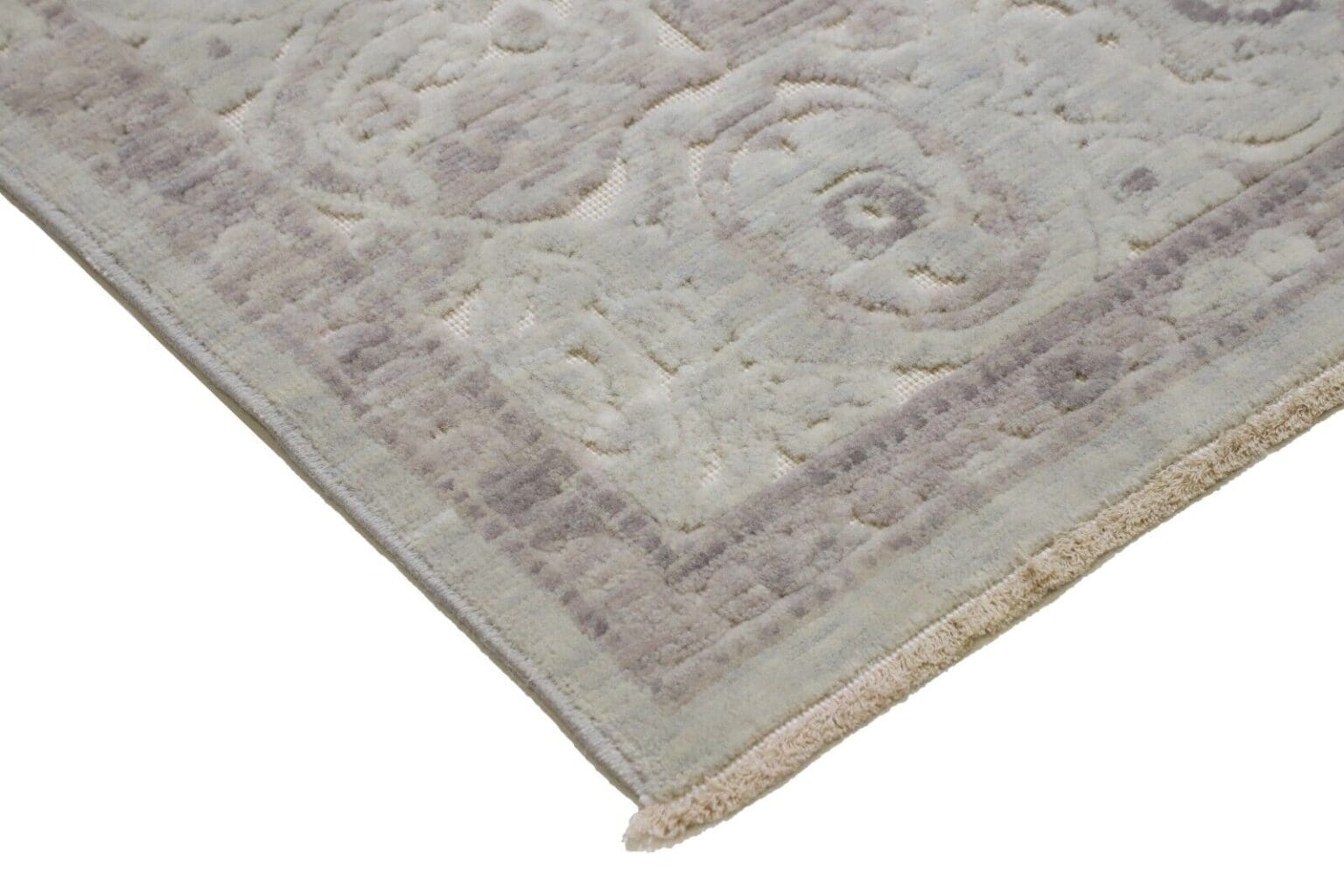
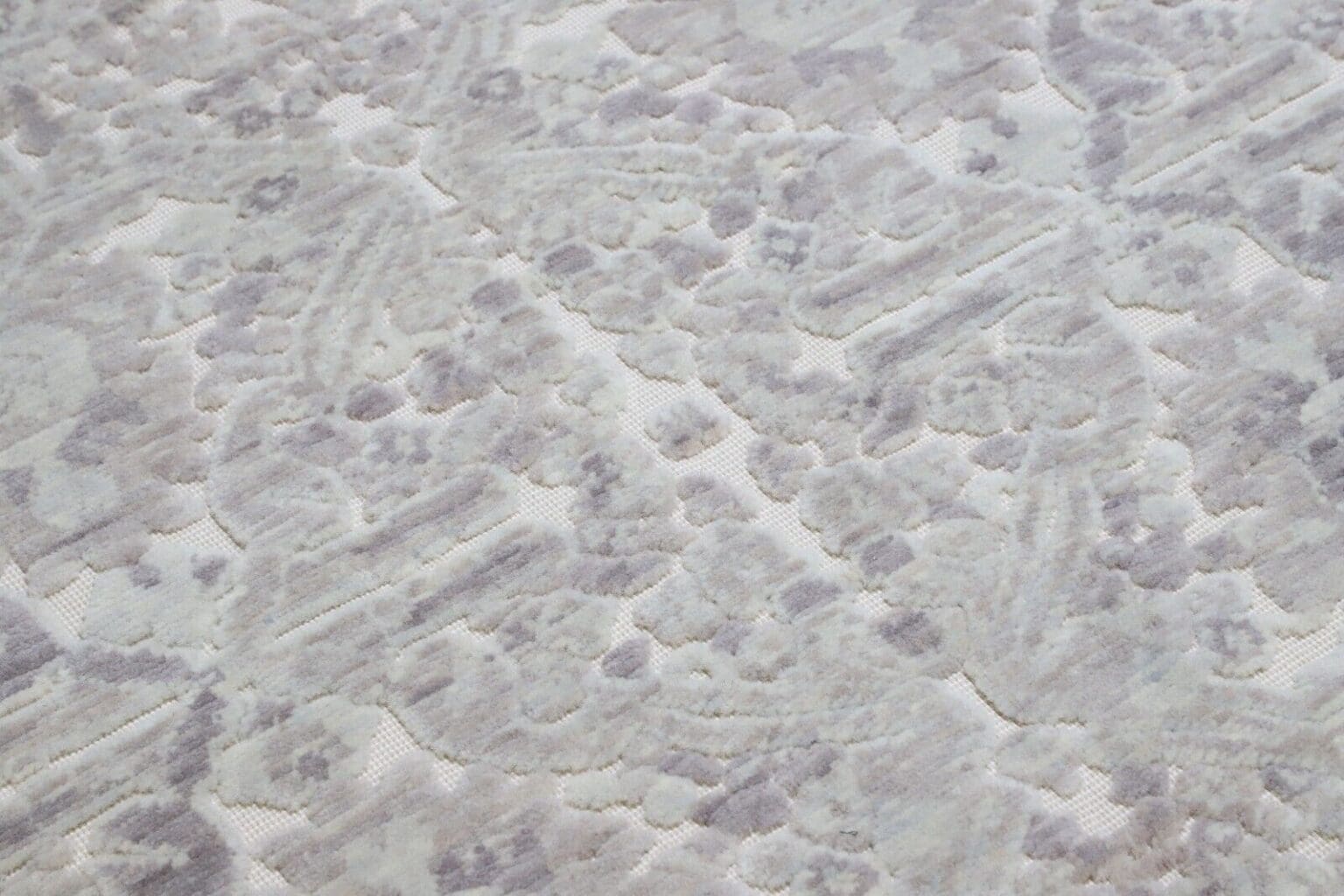
This Oriental rug is made from genuine wool and cotton. Wool has long been used in handmade rugs because it offers a distinct tactile quality and a resilient textile surface. As a natural fibre, it can give the pile a substantial feel and a softly textured appearance. Cotton is also listed among the materials of this rug. The available description does not assign either fibre to a particular part of the construction, so both materials are named without adding an unverified claim about pile or warp.
The rug is described as hand-knotted. In hand-knotting, individual knots are inserted by hand into a prepared textile structure. The visible surface is therefore created through a sequence of separate manual operations rather than applied as one uniform machine-made layer. Each knot contributes to the emerging pile and to the distribution of the pattern. The technique belongs to the established craft traditions of Oriental rug making and requires control of the working sequence, the tension and the placement of the colours.
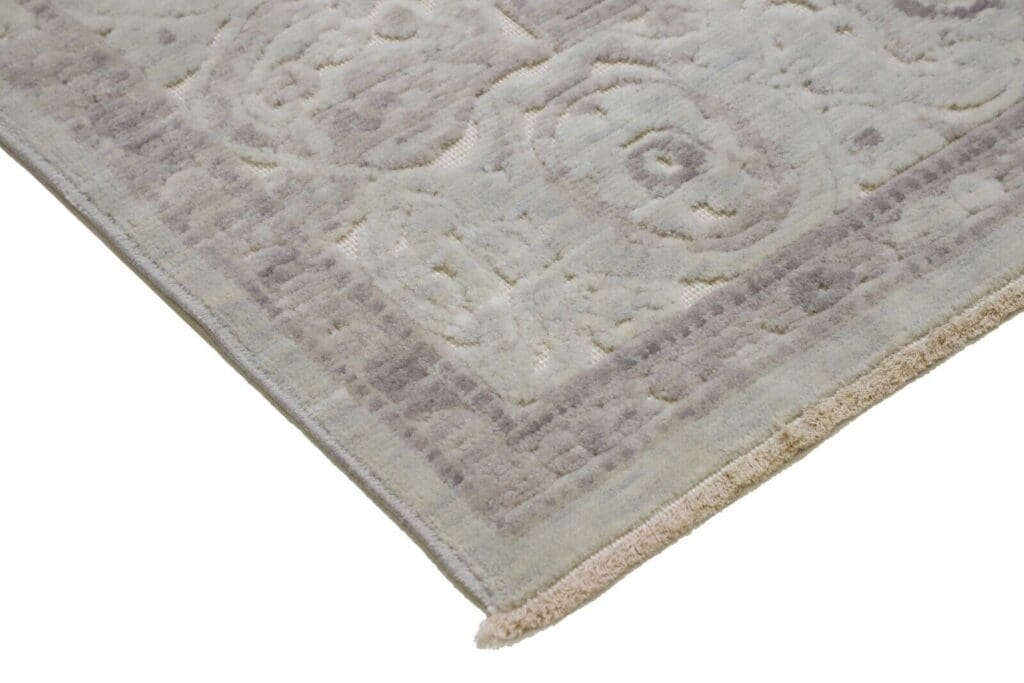
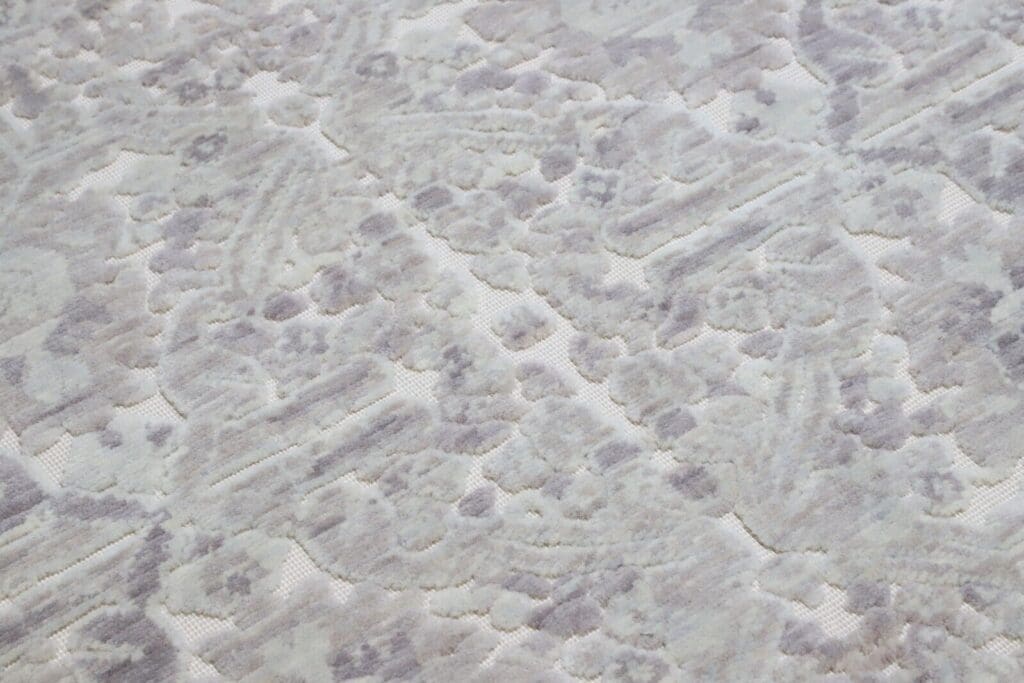
The listed weaving method is also flatweave. The information therefore includes both hand-knotting and flatweave. These terms are retained as provided, without drawing further conclusions about a construction that has not been described in more detail. The rug is additionally identified as high pile. High pile refers to a visibly raised textile surface and affects both the hand and the visual depth of the rug.
The rug is suitable for use over underfloor heating. This is a stated use characteristic for the interior setting. The combination of wool and cotton, the high-pile description, the hand-knotted designation and the flatweave entry make up the recorded information about this one-off piece. No further fibre ratio, knot count or construction detail is added.
Origin and Tradition
The origin of this rug is given as Turkey. Turkey has a long-standing and varied tradition of carpet and rug making. Different parts of the country developed their own approaches to weaving and knotting, influenced by available fibres, inherited designs and the working methods of local workshops. Turkish rugs therefore do not represent one single fixed appearance. They include a broad range of structures, compositions and visual languages.
Handmade rug production joins practical textile work with a carefully planned decorative system. A rug is built progressively on a loom or within a comparable craft process. Warp and weft form the textile basis, while knots or woven sections create the visible structure. Depending on the method, the surface may be relatively level or distinctly raised. The description of this rug includes hand-knotting, flatweave and high pile; all three entries are preserved as part of the product information.
Knowledge of Turkish rug making has traditionally been passed between generations. Skills relating to fibre selection, colour balance, tension, spacing and pattern construction are learned through practice. Even a contemporary design must be organised so that its forms can be repeated, aligned or adapted during production. In a hand-knotted piece, the visual plan is translated into a large number of individual actions. The craft process is therefore inseparable from the way the design is formed.
The term Oriental rug places this piece within the wider world of Oriental textile arts. It does not identify an Iranian province. The stated origin is Turkey. Pattern names and stylistic references can travel between weaving cultures, so a design may recall broader Oriental traditions without changing the manufacturing origin of the particular rug. This distinction is important when describing a rug whose pattern is oriental while its origin is Turkish.
Turkish rug traditions include geometric compositions as well as designs with softer botanical forms. Some arrangements are built around a central field, while others rely on repeated motifs or a continuous surface pattern. Borders may frame the design, and smaller ornaments can establish a rhythm between larger forms. Modern work may simplify those structures, use lighter colour relationships or reinterpret traditional motifs. This rug is identified as modern in style and oriental with floral elements in pattern, which places it within that broad relationship between inherited design principles and contemporary presentation.
Craft knowledge is not limited to the choice of fibres. In a hand-knotted process, the pattern is created as the rug is made rather than printed onto a finished surface. Motifs, colour areas and transitions must be coordinated with the order of the knots. The Turkish origin consequently points to a specific craft context, while the modern style and floral Oriental pattern describe the visual direction of this individual rug.
The history of Oriental rugs also shows how designs can be shared, adapted and reinterpreted across regions. Botanical motifs, balanced ornament and carefully arranged colour fields occur in many textile traditions. They may be drawn from stylised leaves, blossoms or scrolling forms and then reorganised into a repeatable composition. Such common visual elements do not establish a particular province or workshop. For this rug, the documented origin remains Turkey, with a modern style and an Oriental floral pattern.
Design and Pattern
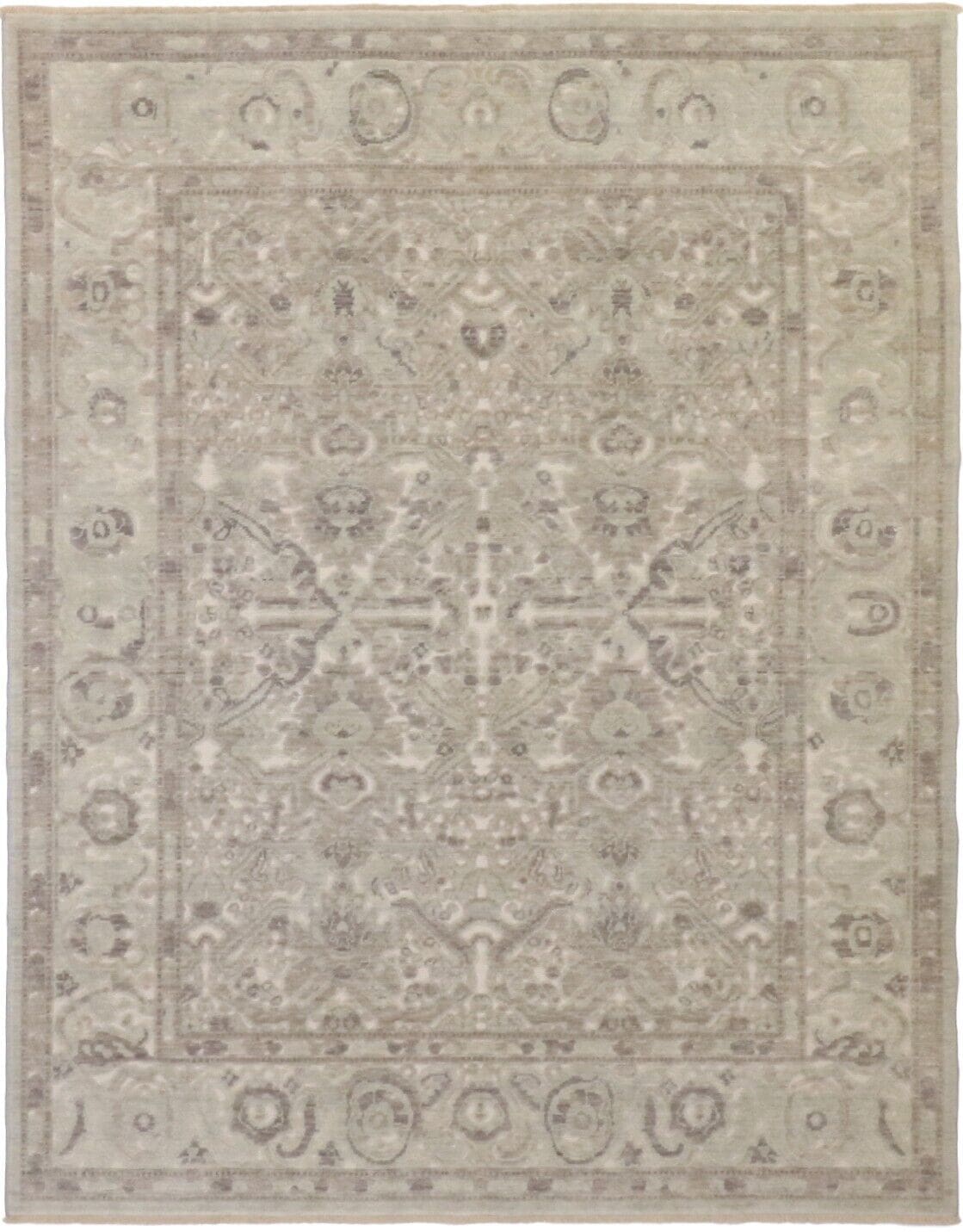
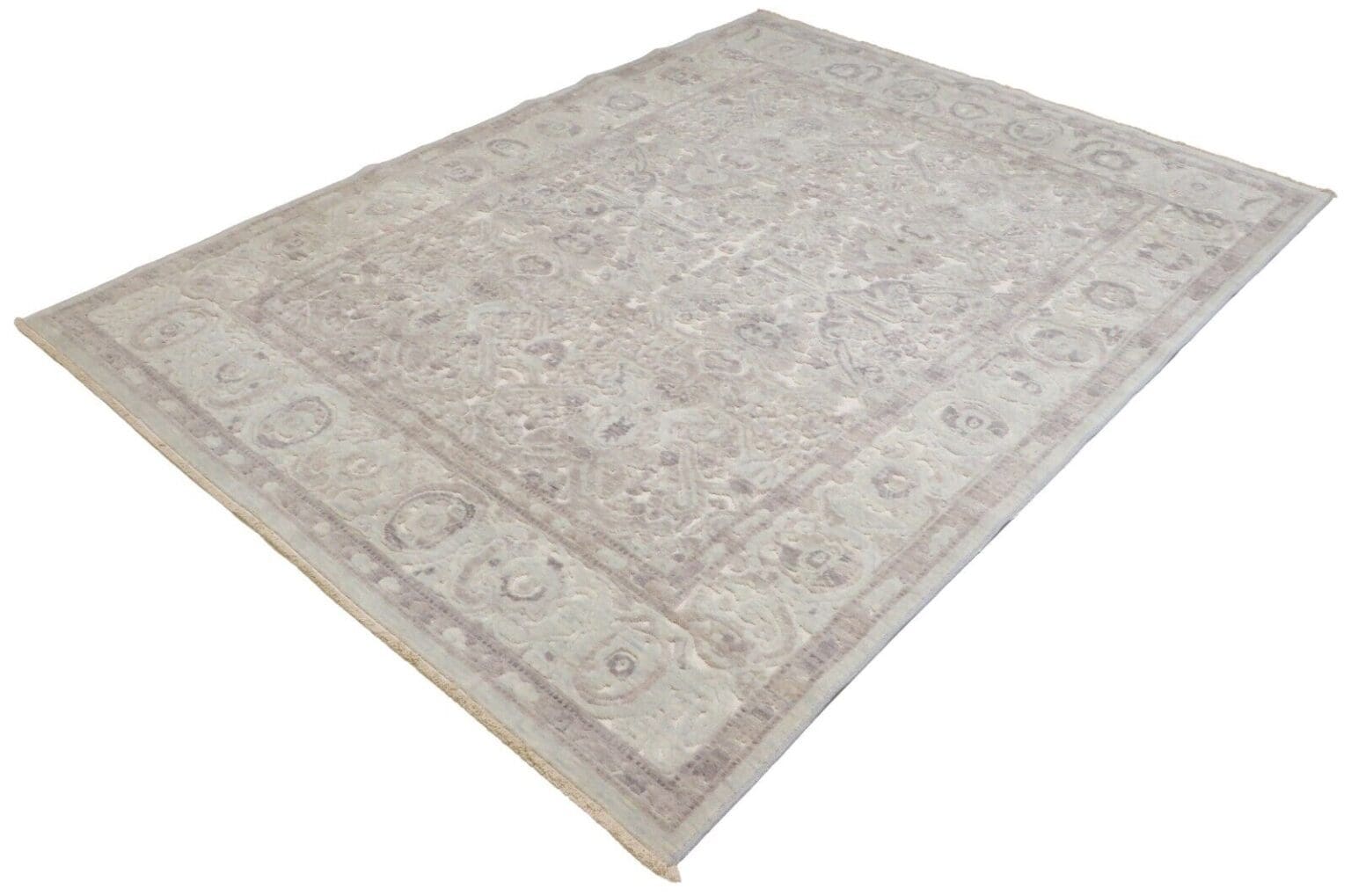
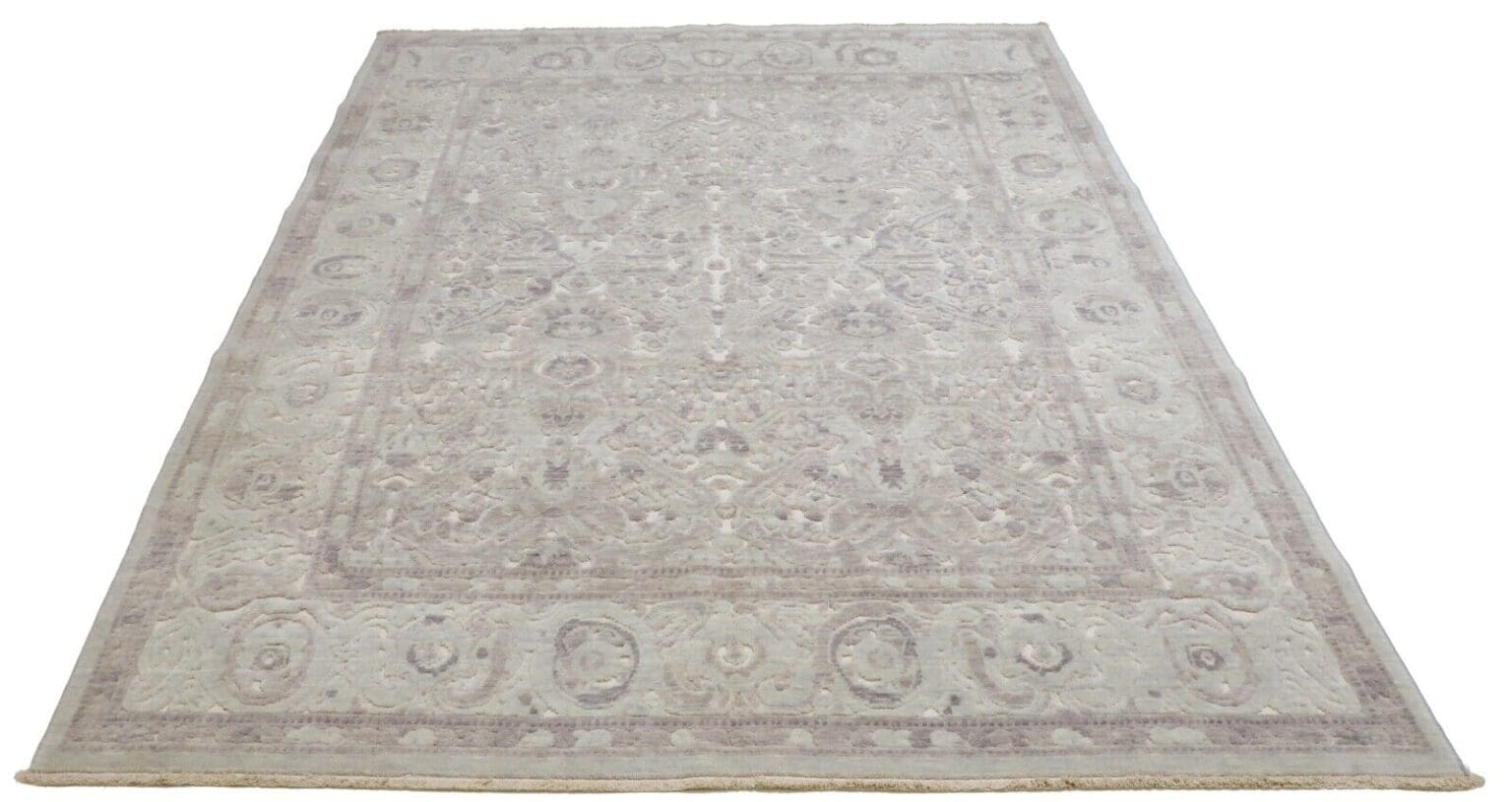
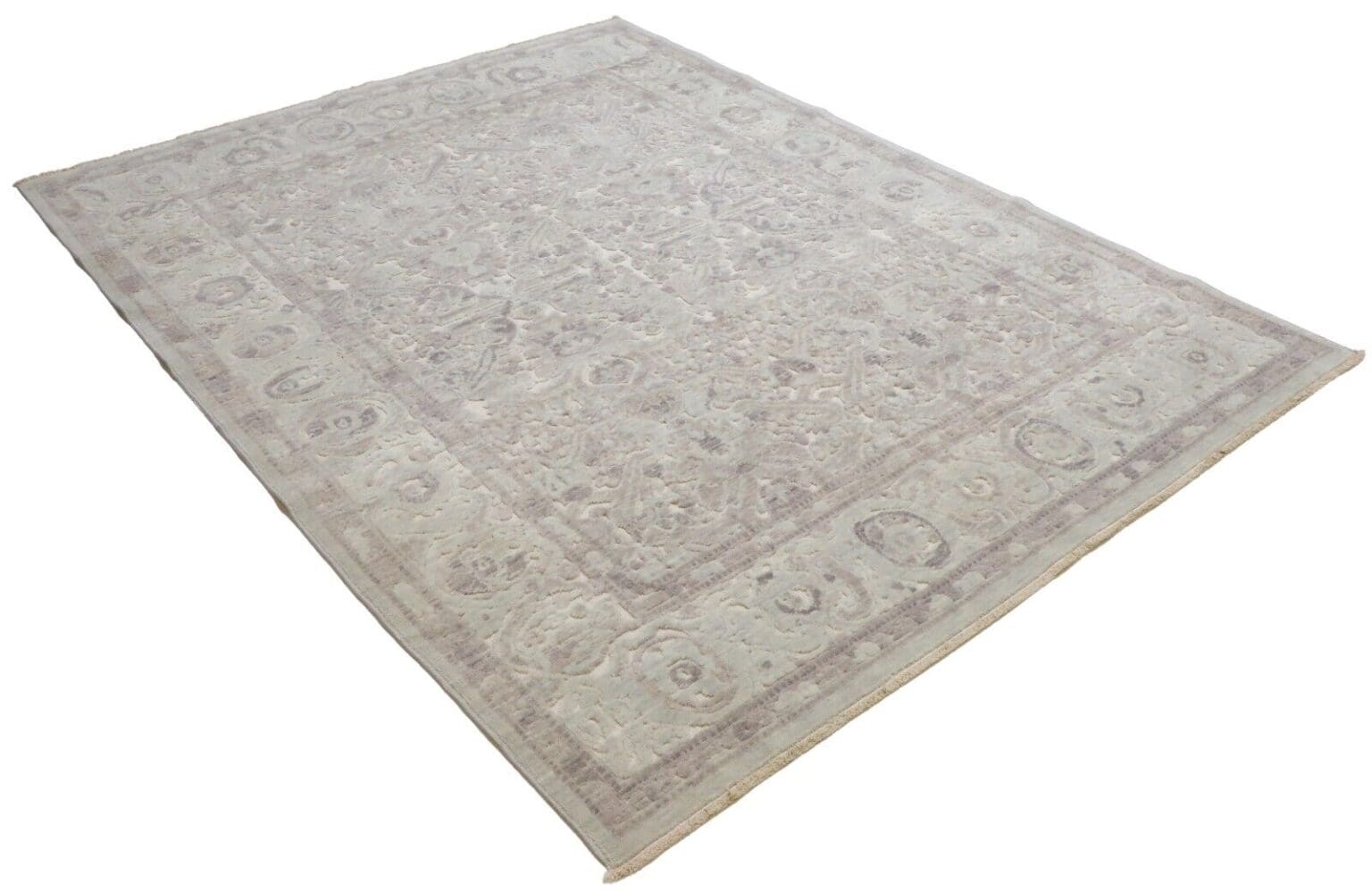
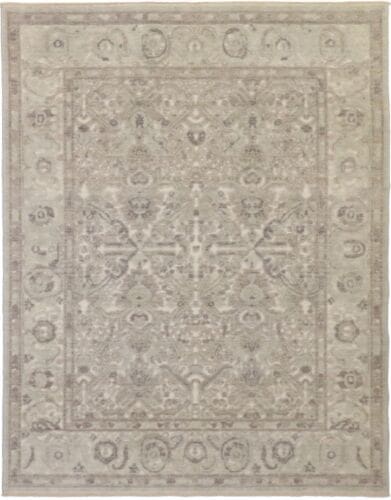
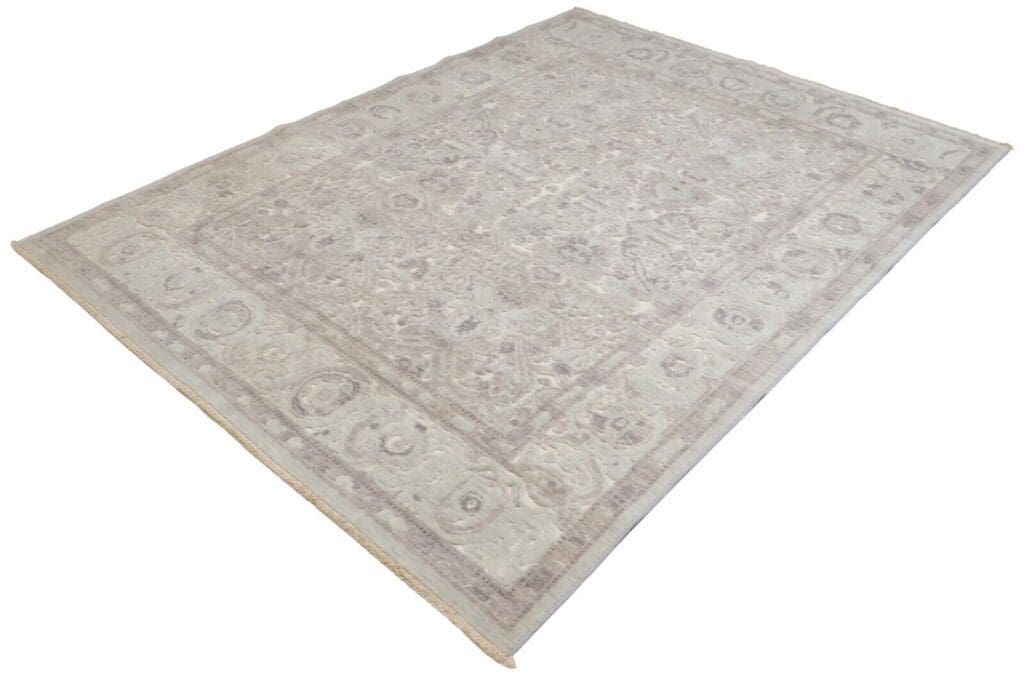
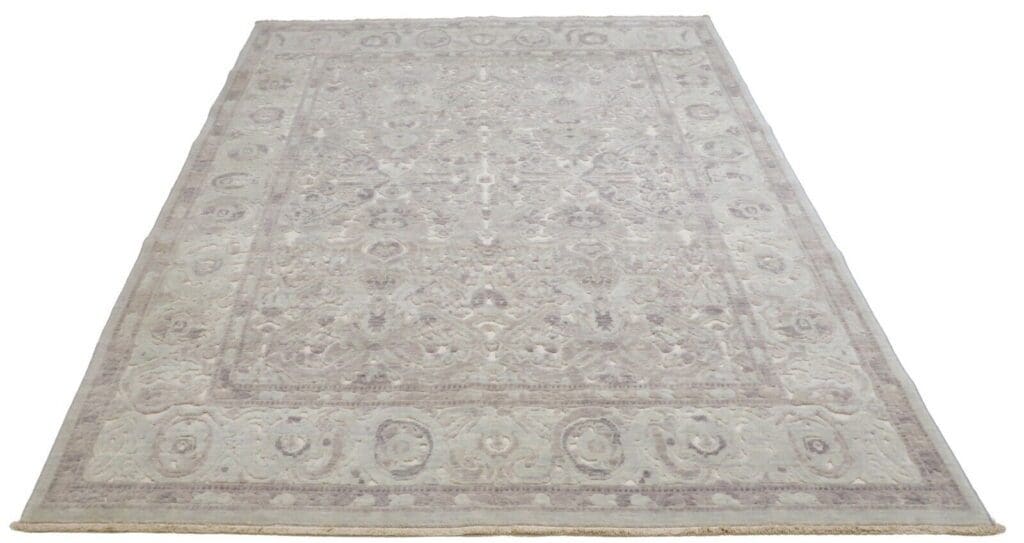
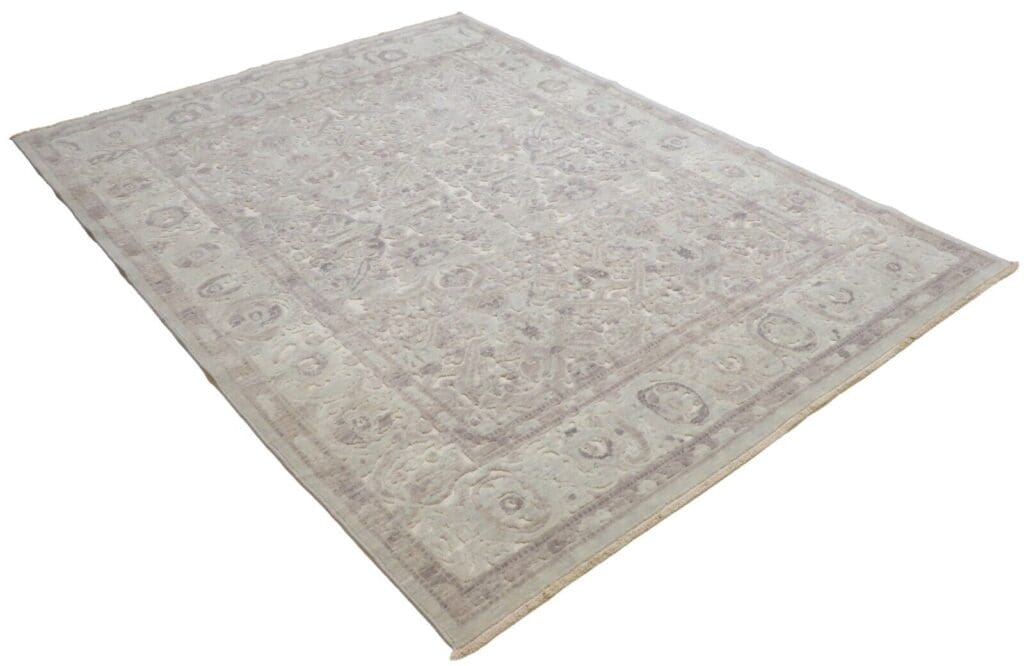
The pattern is described as Oriental with floral elements. Floral elements introduce forms associated with flowers, leaves or vines into the composition. They may be represented in a naturalistic manner or reduced to stylised ornaments. In Oriental rug design, botanical forms are often repeated, mirrored or placed within a larger system of balance. For this piece, the confirmed description is the combination of an Oriental pattern and floral elements; no narrower pattern name is assigned.
The detailed description also refers to symmetrical ornaments. Symmetry creates a measured relationship between motifs or groups of motifs. It can operate around a central axis, within repeated panels or through a balanced arrangement across the field. This kind of order helps a richly detailed pattern read as a coherent whole. Floral forms can then provide movement and variation while the symmetrical structure maintains visual organisation.
The colour palette is described as soft beige, cream and pastel shades. Beige and cream establish light, restrained areas, while pastel tones add gentle variation within the same quiet range. These colours support the stated modern character without removing the Oriental reference of the pattern. Light colour families can clarify the outlines of ornaments and make the relationship between active motifs and calmer areas easier to see.
The style is modern. In this context, modern does not mean that all traditional references have disappeared. A modern Oriental rug may retain floral ornament and balanced composition while presenting them with a lighter palette, a calmer rhythm or a more reduced arrangement. The combination of floral elements, symmetrical ornament and soft neutral shades gives the design a contemporary direction while keeping it connected to the broader vocabulary of Oriental rugs.
Many Oriental patterns rely on an interaction between a principal field, secondary motifs and framing elements. A central arrangement may be supported by smaller leaves, blossoms or scrolling forms. Repetition gives the eye a rhythm, while symmetry can establish a sense of order from one side of the composition to the other. Handmade production allows different emphases within this framework. The information for this rug confirms floral Oriental elements and symmetrical ornaments, but does not assign it to a named pattern school or regional design group.
Floral rug designs can also be understood as textile interpretations of nature. Flowers and leaves are selected not simply as illustrations, but as shapes that can be repeated, mirrored and stylised. Once translated into a woven or knotted surface, they become part of a structured ornamental language. The Turkish origin, the modern style and the soft beige, cream and pastel palette together provide the context for the visual description of this rug.
In a handmade rug, the pattern is not placed on the surface after production. The maker must convert the design into a sequence of textile actions. Colour fields emerge from the chosen material and from the order of knots or weaving movements. As a result, pattern and craftsmanship are closely linked. The floral forms, symmetrical ornaments and muted palette are not separate decorative additions; they are part of the textile plan described for this individual piece.
Special Features
The condition is stated as new without a label. This wording is retained precisely: the rug is described as new, while no label is present. There is no information about a production year, signature, restoration or particular signs of use, so none of those details are added.
The explicitly listed features include high pile and suitability for underfloor heating. High pile describes the raised character of the visible textile surface. Suitability for underfloor heating describes an intended use in an interior setting. These characteristics are separate from the modern style and from the floral Oriental pattern.
The rug combines genuine wool and cotton with a handmade production description. Its origin is Turkey, its style is modern and its pattern is Oriental with floral elements. This identifies the piece without assigning it to an unlisted province, workshop, signature or historical period.
FAQ
How should I clean this Oriental rug?
Regular vacuuming is recommended to help maintain the appearance of the rug. The surface should be treated gently so that the high pile and textile structure are not subjected to unnecessary stress. If more thorough cleaning is needed, professional rug cleaning is advised. Chemical cleaning products should be avoided because they may affect the wool, the cotton or the colour appearance. Professional treatment can take the handmade construction and the different properties of natural fibres into account. Aggressive do-it-yourself cleaning is therefore not part of the recommended care routine.
Where does this Oriental rug come from?
This rug comes from Turkey. The country has a long tradition of handmade rug production, with knowledge of materials, patterns and textile techniques passed on through generations. The origin Turkey should be distinguished from the word Oriental in the pattern description: the pattern describes the visual language, while the origin identifies the country of manufacture. No Iranian province or specific Turkish region is provided for this particular rug.
What makes this Oriental rug distinctive?
Its distinctive combination consists of handmade production, genuine wool and cotton, high pile and a modern Oriental design. The pattern includes floral elements and symmetrical ornaments and is described in soft beige, cream and pastel shades. The rug is also listed as new without a label and suitable for underfloor heating. It is a one-off piece; no additional signature, age or provincial attribution is given and these details therefore do not form part of its description.
To provide the best experiences, we use technologies like cookies to store and/or access device information. Consenting to these technologies will allow us to process data such as browsing behavior or unique IDs on this site. Not consenting or withdrawing consent, may adversely affect certain features and functions.
Functional Always active
The technical storage or access is strictly necessary for the legitimate purpose of enabling the use of a specific service explicitly requested by the subscriber or user, or for the sole purpose of carrying out the transmission of a communication over an electronic communications network.
Preferences
The technical storage or access is necessary for the legitimate purpose of storing preferences that are not requested by the subscriber or user.
Statistics
The technical storage or access that is used exclusively for statistical purposes.The technical storage or access that is used exclusively for anonymous statistical purposes. Without a subpoena, voluntary compliance on the part of your Internet Service Provider, or additional records from a third party, information stored or retrieved for this purpose alone cannot usually be used to identify you.
Marketing
The technical storage or access is required to create user profiles to send advertising, or to track the user on a website or across several websites for similar marketing purposes.

 SECURE PAYMENT
 SHIPPING PARTNERS


