Indian Oriental Rug 290 x 203 cm Wool Hand-knotted
€ 1378
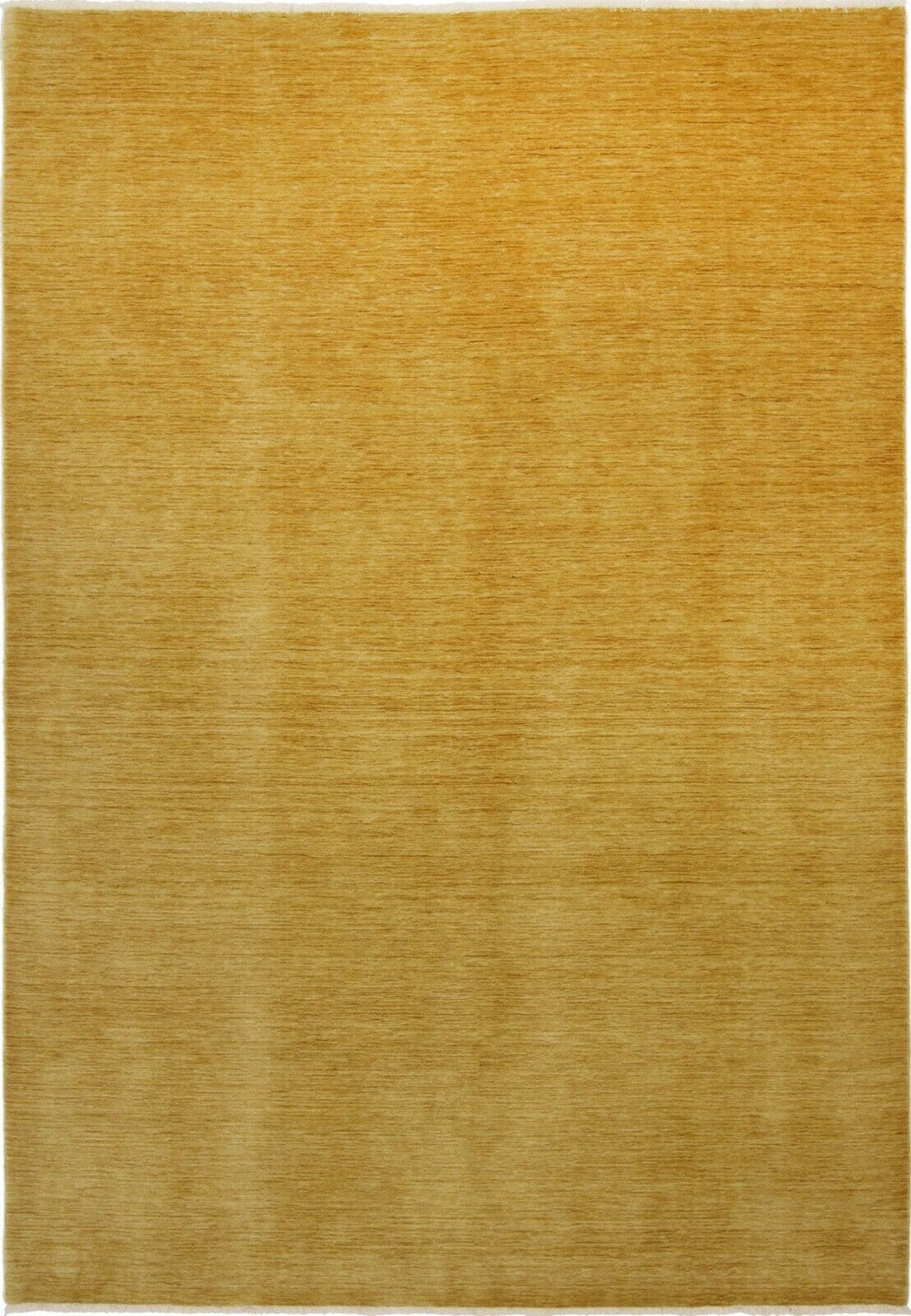
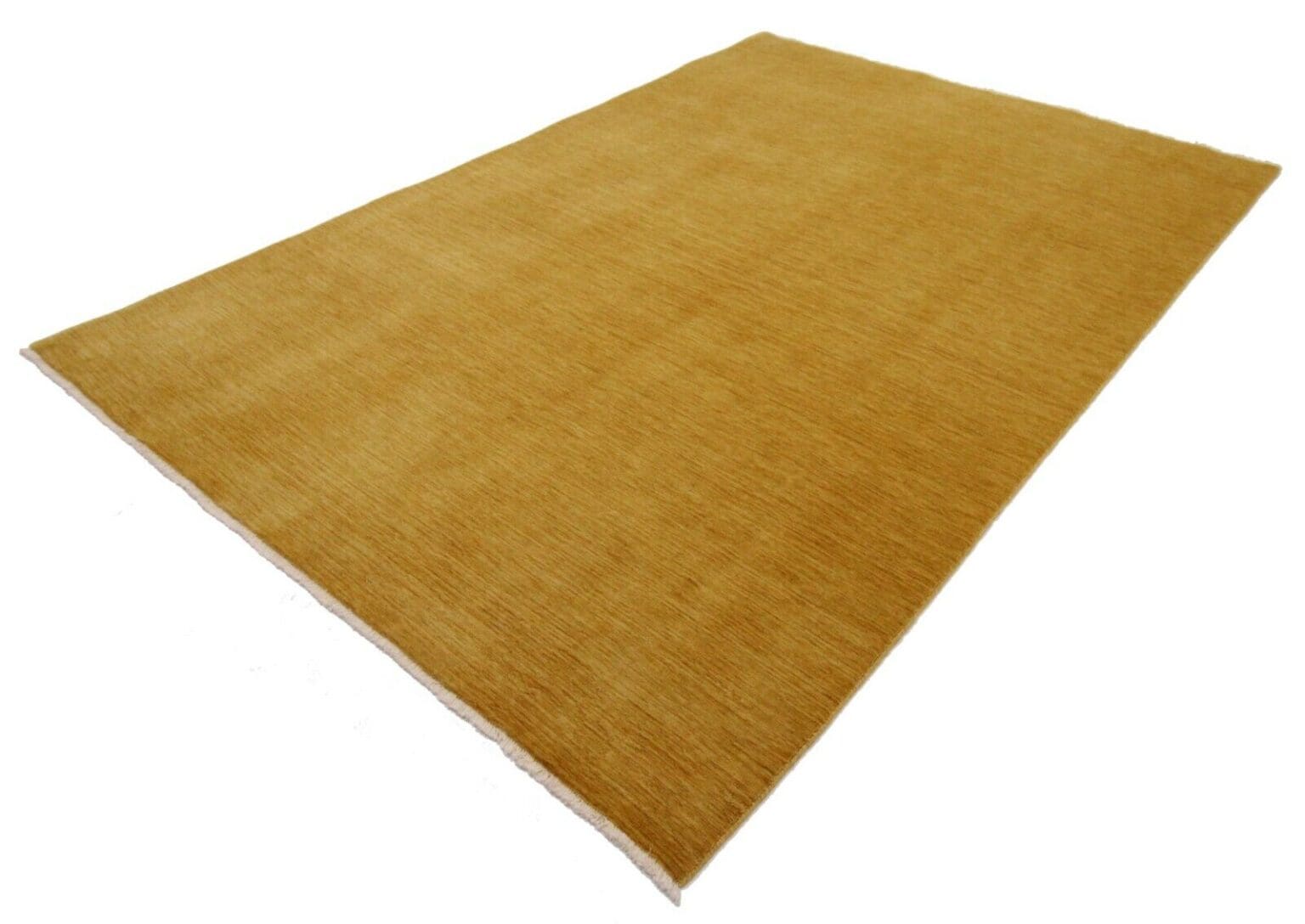
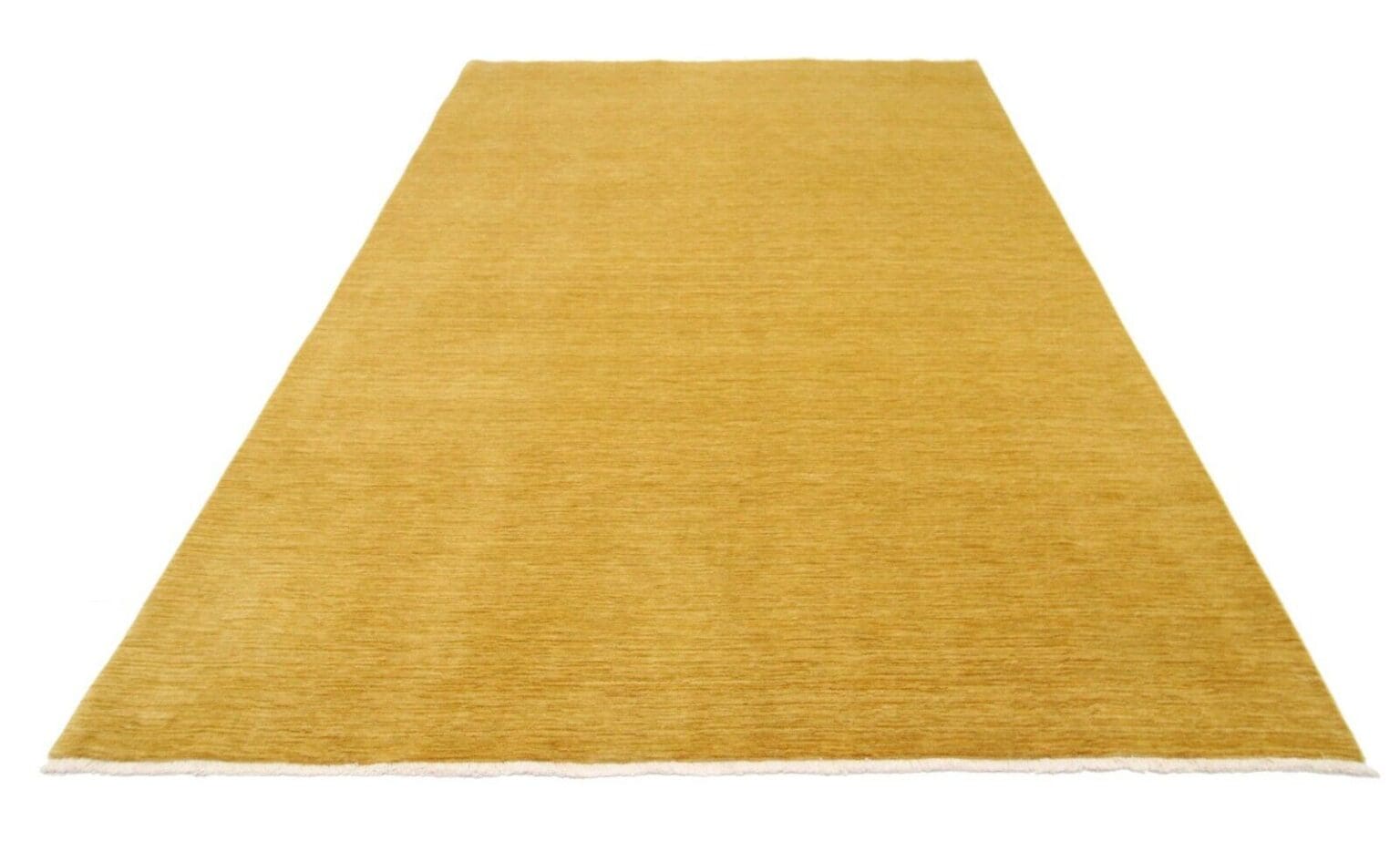
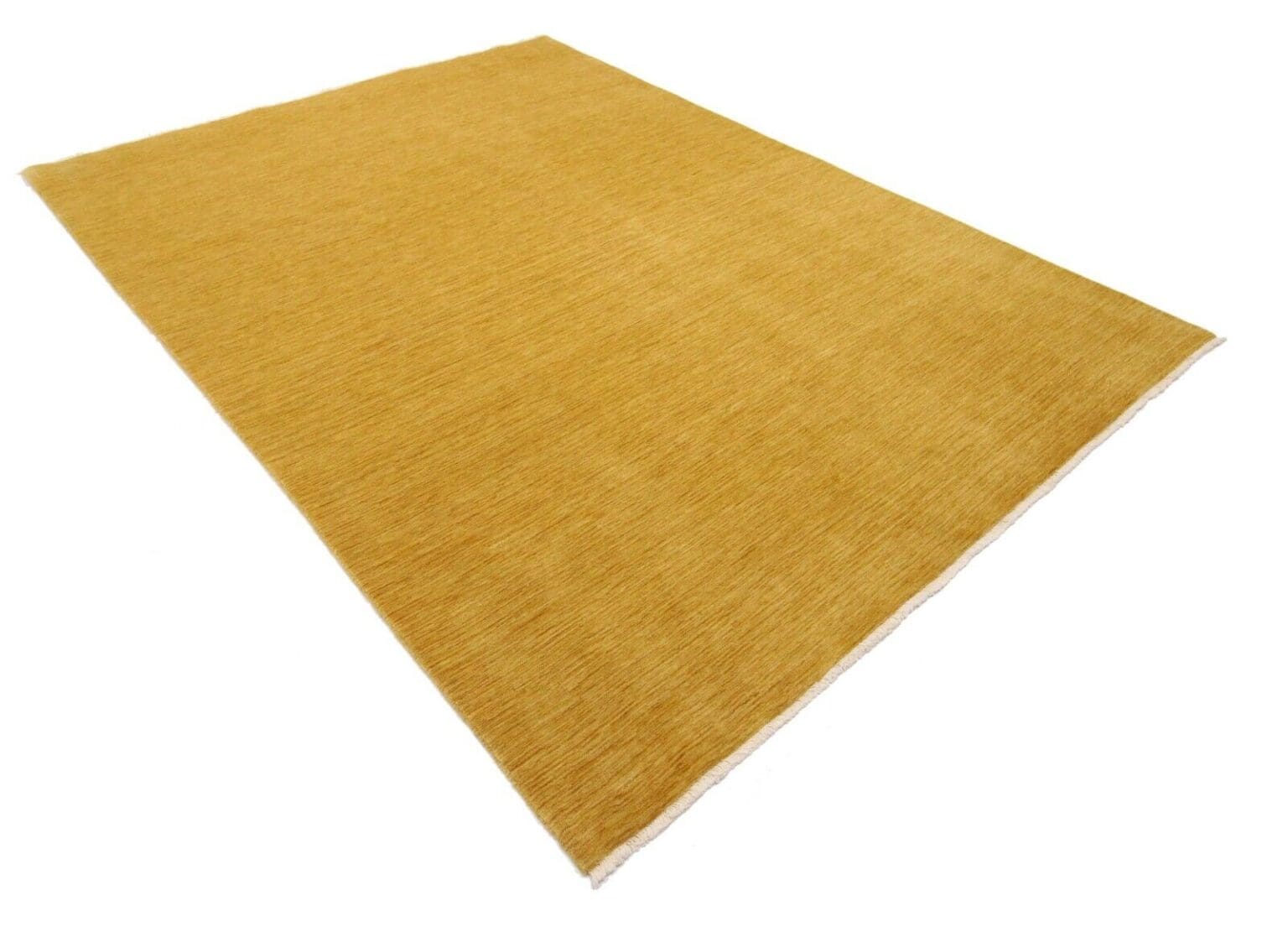
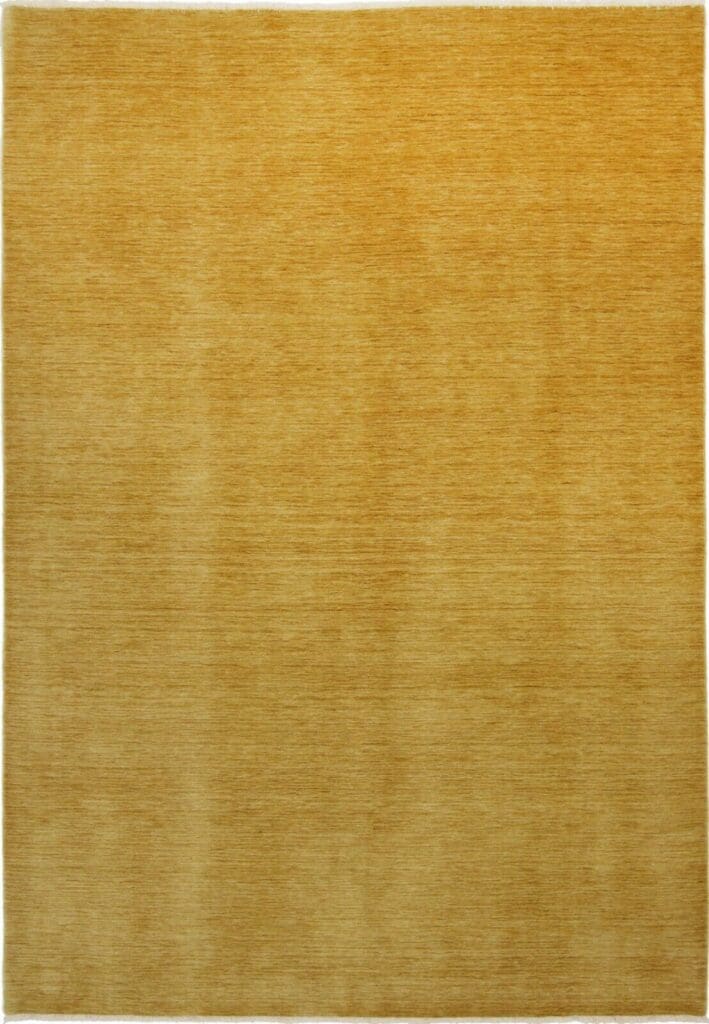
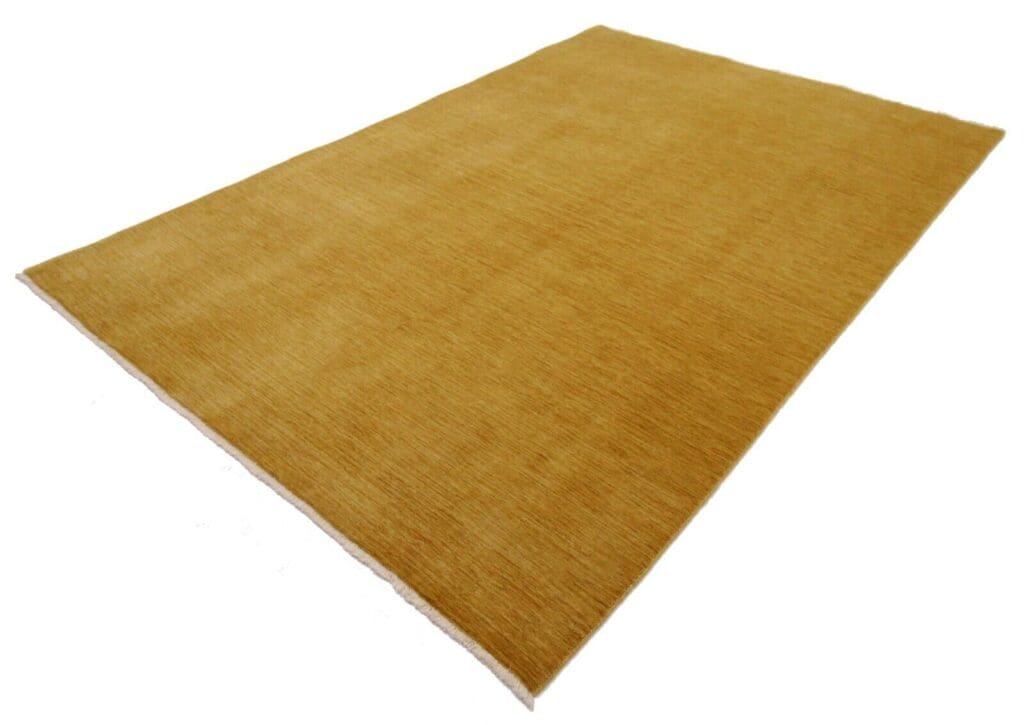
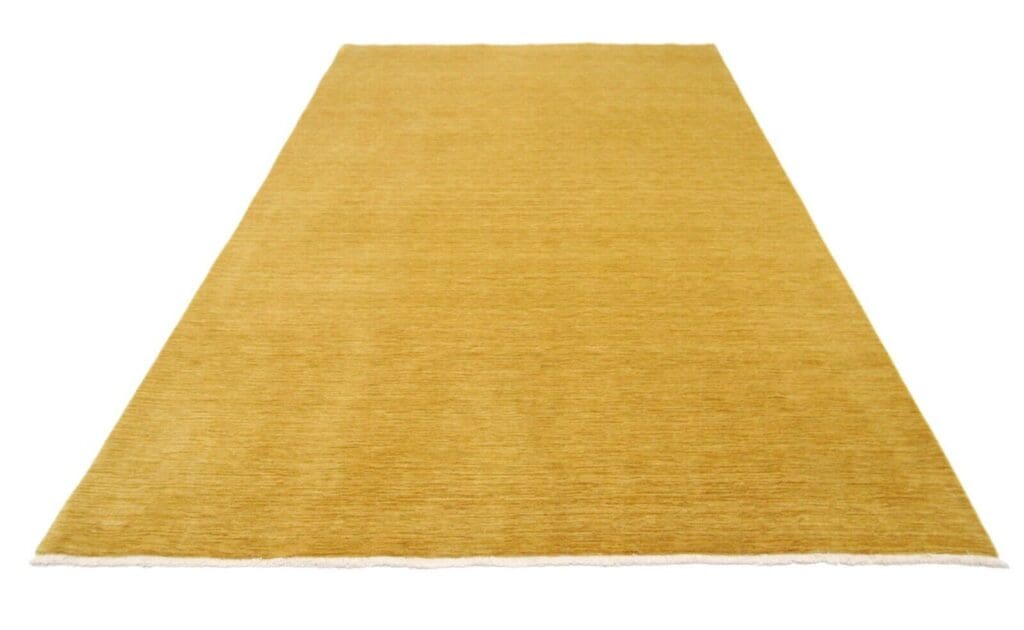
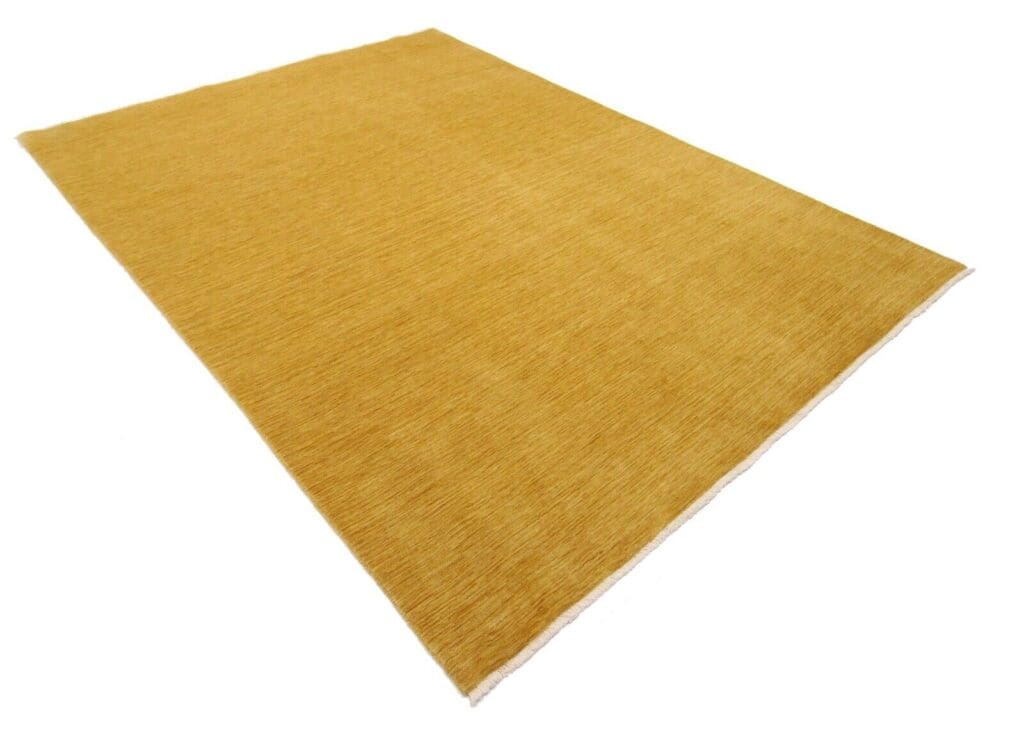
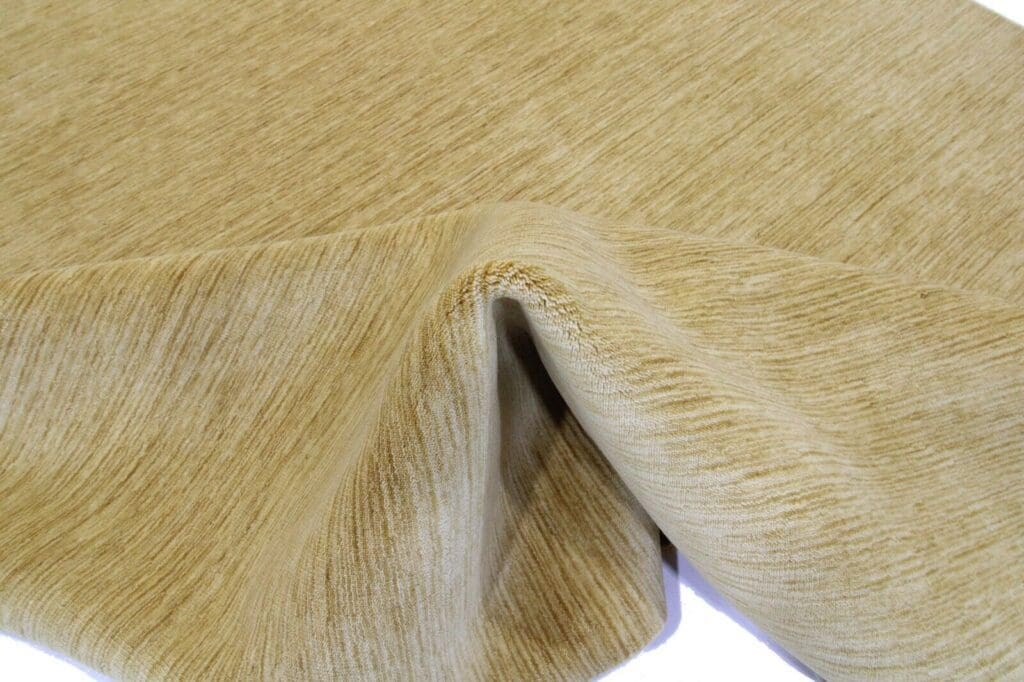
Hand-knotted Indian Oriental rug | Material: 100% cotton and 100% wool | Size: 290 x 203 cm | Pattern: Plain, brown, contemporary | Condition: New without label
This Oriental rug was hand-knotted in India. Its listed materials are 100% cotton and 100% wool. Combining these two natural fibres is part of the established material vocabulary of handmade rug production. Wool is widely used in rugs for its resilient and shape-retaining qualities, while cotton is valued for its firm and even textile character. The description identifies the fibre composition, but does not assign each fibre to a particular structural part of this individual rug. No further material classification is made here.
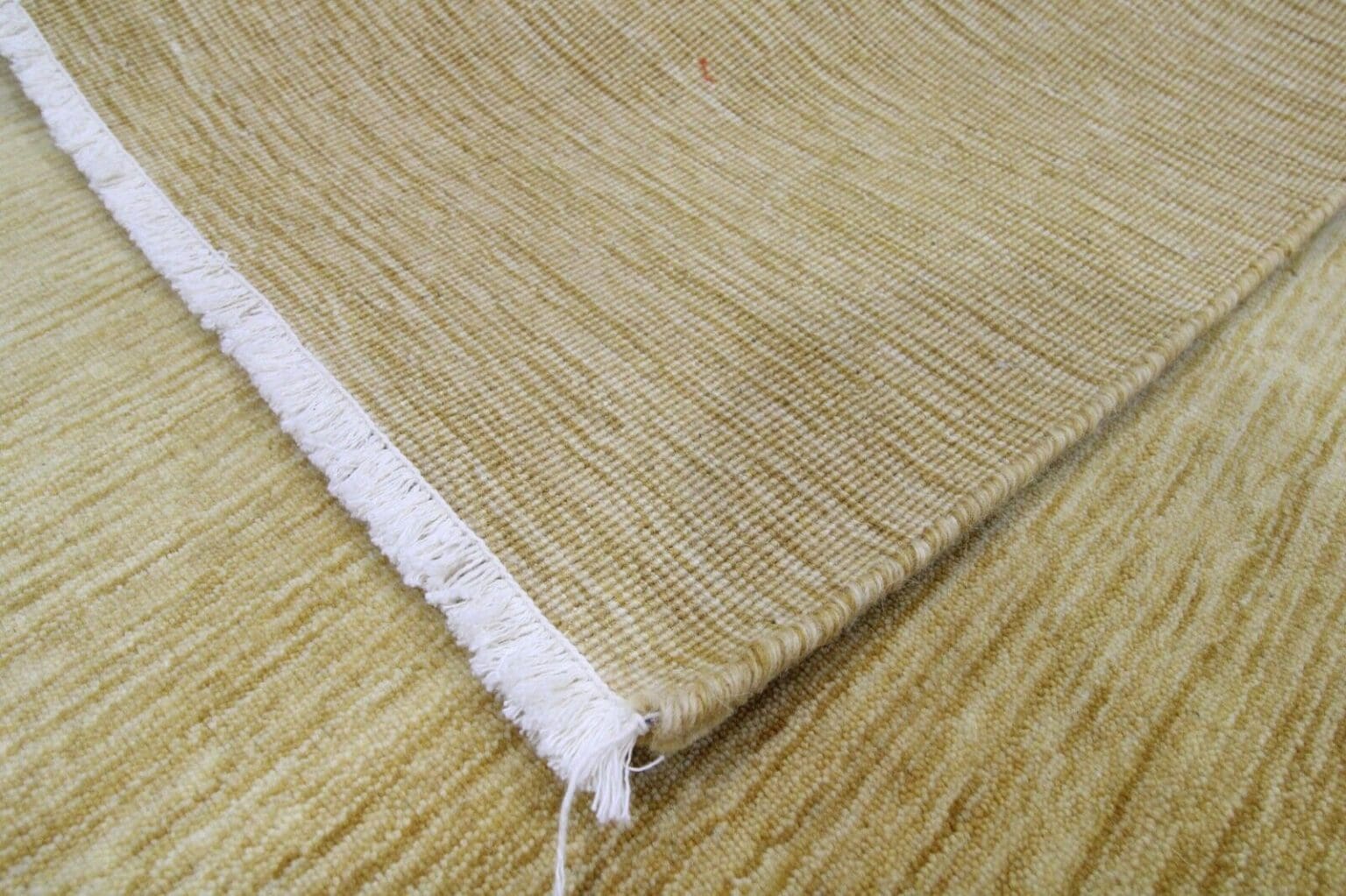
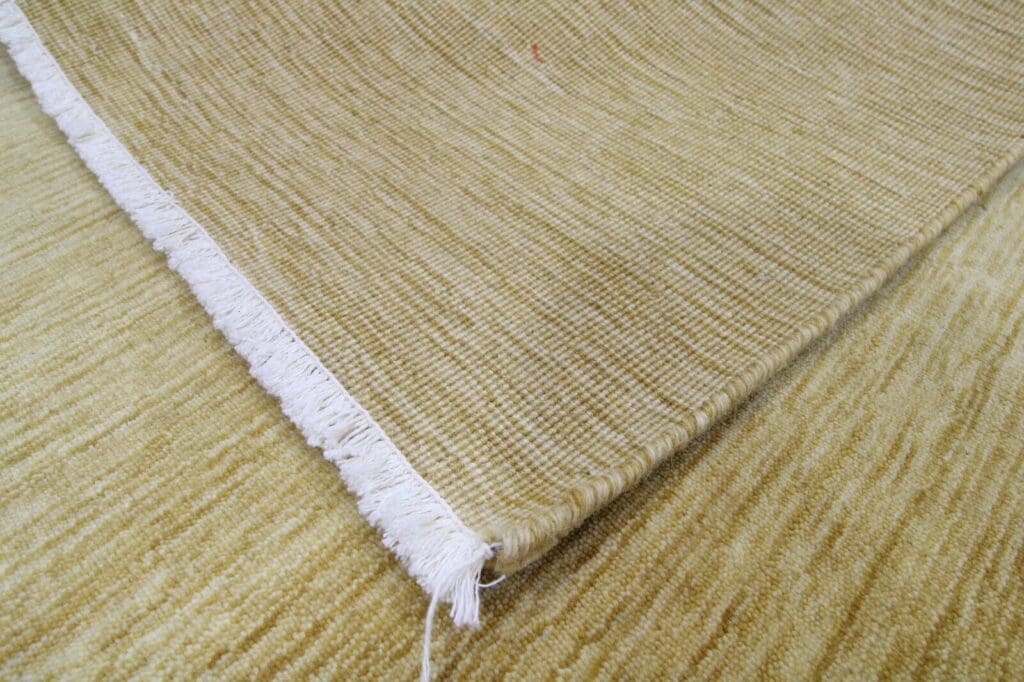
Hand-knotting is a manual process in which knots are inserted one by one into a prepared textile structure. The work proceeds row by row until the separate knots form a continuous surface. This method gives hand-knotted rugs their distinctly crafted character. Minor variations in the execution can be part of manual production and distinguish one piece from another. For this rug, hand-knotted is the stated weaving or knotting technique.
Wool has long been used in rug making because it can combine a durable surface with a pleasant textile feel. Cotton contributes a firm, regular fibre to the material basis. The available description does not specify which of the two fibres is used in the pile or in the foundation. What is established is the composition of 100% cotton and 100% wool, together with the hand-knotted construction.
The rug is described as new without label. This identifies its stated sales condition without adding claims about a previous owner, a production date or a particular cleaning treatment. The craftsmanship is described only through the supplied details: it is hand-knotted and made from cotton and wool.
Origin and Tradition
The country of origin for this rug is India. India has its own broad and varied rug-making tradition, shaped by regional workshops, manual weaving knowledge and influences from several cultural settings. Indian Oriental rugs are produced in many different visual languages. Alongside traditional floral and geometric compositions, Indian workshops also make restrained contemporary rugs intended for current interiors.
Indian rug making developed into an important field of textile craftsmanship over many generations. In different production areas, knowledge of setting the foundation, inserting knots, building compact rows and finishing the surface has been passed on through workshop practice. The details can vary according to the design, the workshop and the intended character of the rug. The shared basis is the direct manual work at the loom, where individual knots are combined into a stable textile surface.
This rug should not be described as a Persian rug. Its manufacture in India makes it an Indian Oriental rug, even though the international rug trade includes designs influenced by many different regions. No Iranian province is named as the origin of this piece. India, its hand-knotted construction and its contemporary plain design are the relevant identifying facts.
Handmade rug production brings practical construction together with a long design tradition. A rug has to maintain a stable textile structure while presenting a coherent surface. Traditional designs often address this through repeated ornaments, medallions and borders. Contemporary Indian production can use the same manual foundation while adopting a much quieter visual language. In this way, the technique remains connected to established craft practice while the appearance is suited to modern rooms.
The country name India therefore refers to the place of manufacture, not merely to a decorative label. This distinction matters in the Oriental rug trade because a design vocabulary and a production location are not always the same thing. For this rug, the documented combination is Indian origin, hand-knotting and a contemporary plain brown appearance.
Design and Pattern
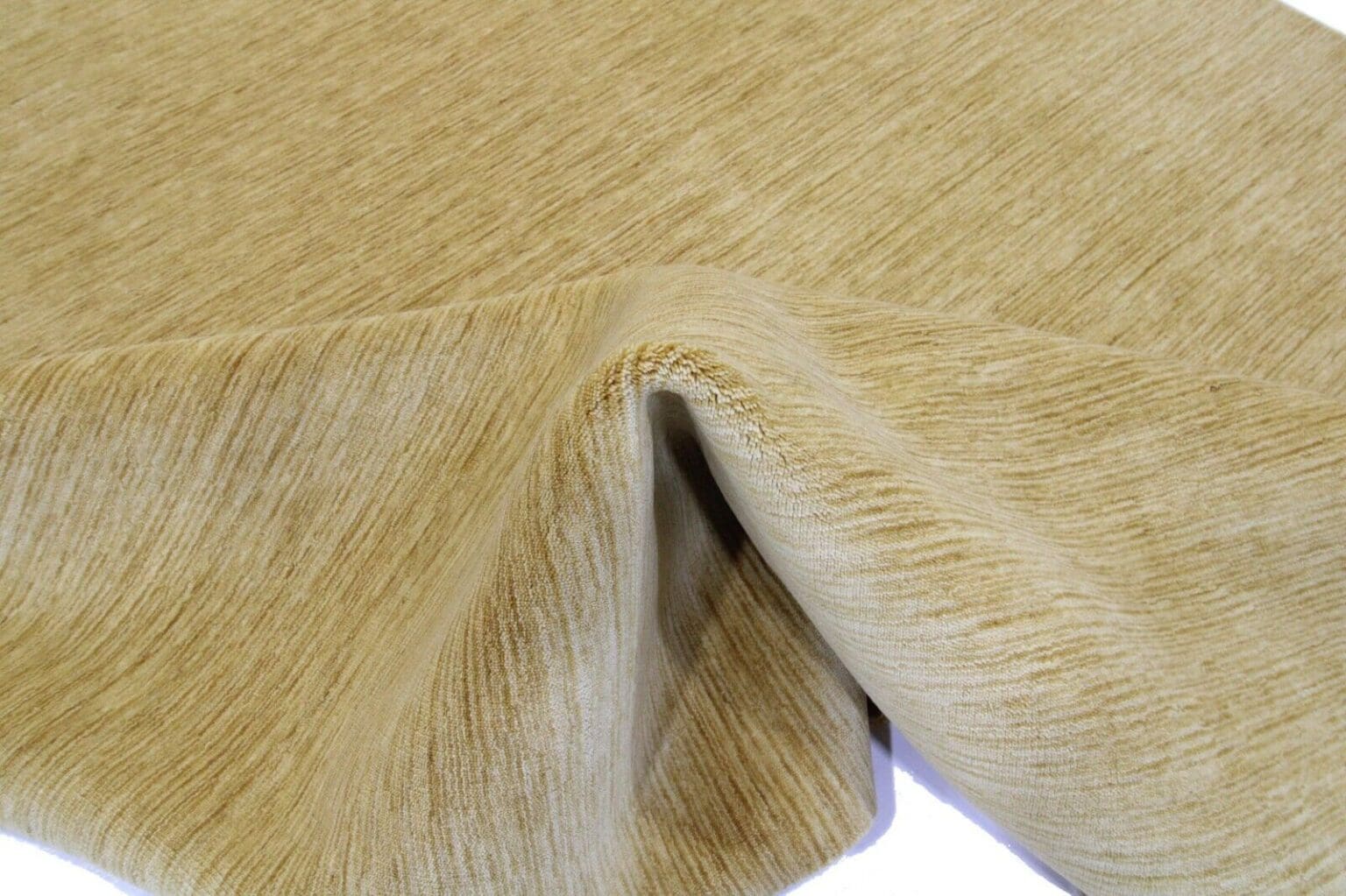
The rug has a plain, single-colour design. Brown is given as its colour. The surface is therefore defined by one coherent colour field rather than by a complex arrangement of contrasting ornaments. A plain rug does not place a central medallion, a strongly patterned border or a visibly divided composition at the centre of the design. Material, knotting and colour become the principal visual elements.
The style is contemporary. Contemporary rug design often uses a reduced visual vocabulary and adapts textile floor coverings to cleaner, more restrained interiors. A plain rug can work as a quiet connecting element without introducing another decorative theme into a room. Brown belongs to an earthy and subdued colour range. No more specific statement is made about the exact shade, tonal variation or distribution of colour.
A plain design does not mean that the surface has no textile character. On a hand-knotted rug, the knots, direction of the pile and handling of the fibres may create visual or tactile depth. Those technical effects should not be confused with a named pattern. For this piece, the documented design is plain; no specific ornament, border or medallion is stated.
Brown can be combined with a wide range of contemporary interior materials and neutral tones. It may sit naturally alongside wood and other natural textiles, although the buyer’s room and furnishing choices are not part of the rug’s documented characteristics. The restrained pattern makes the rug adaptable to different settings without prescribing a particular decorating scheme. Its design remains clearly defined as plain, brown and contemporary.
Oriental rug history includes both highly ornamented compositions and deliberately simple surfaces. The spectrum runs from detailed floral arrangements to broad, graphically reduced fields. Modern Indian knotted rugs can connect this wide tradition of manual production with a current, understated appearance. This piece belongs to the plain, non-ornamental side of that spectrum.
Special Features
The listed special features are an anti-slip property and suitability for underfloor heating. An anti-slip finish can help keep a rug more stable on the floor during ordinary use. As with any textile floor covering, the floor surface and the way the rug is laid should still be checked for safe placement. The underfloor-heating statement means that the rug is described as suitable for use over that type of heating.
The condition is given as new without label. This wording describes the stated condition and does not imply that a product label is present. Brown colour, contemporary style and plain design are additional identifying details. The description does not provide an age, signature, repair history or special provenance.
The combination of Indian origin, hand-knotting, cotton and wool, and a plain brown design places the rug within contemporary Indian Oriental rug production. Its listed practical features also make it suited to everyday use in a living space, subject to appropriate placement and care.
FAQ
How can the quality of a hand-knotted Oriental rug be assessed?
Several points can help when examining a hand-knotted rug. These include the fibres used, the consistency of the knotting, the stability of the foundation and the care taken with the surface and edges. The clarity of the design and the general firmness of the construction may also be considered during an in-person inspection. This rug is specified as hand-knotted and made from 100% cotton and 100% wool. No knot density or detailed technical grading of individual areas is supplied. Its quality should therefore be assessed by looking at the actual workmanship together with the stated new-without-label condition.
What care does a hand-knotted rug require?
Regular gentle vacuuming helps remove loose dust and keeps the surface clean. The appliance should be adjusted for a wool rug, and unnecessarily aggressive brushing should be avoided. If liquid is spilled, it is best to blot it promptly with an absorbent cloth rather than rubbing the area heavily. For a deeper clean, a specialist familiar with hand-knotted rugs is the appropriate choice. Prolonged, intense direct sunlight should be limited because textile colours can change over time. The anti-slip feature and suitability for underfloor heating should also be considered when the rug is positioned and used.
What does the Indian origin mean for this rug?
India has a wide-ranging tradition of handmade rug production. Across its different weaving areas, knowledge of knots, textile foundations, fibre handling and surface design has been maintained and combined with newer visual approaches. For this rug, India identifies the place of manufacture. Together with the hand-knotted technique and the contemporary plain brown design, this makes it an Oriental rug that joins established craft practice with a reduced modern appearance. An Iranian origin or an assignment to a particular Persian rug province is not given for this piece.
To provide the best experiences, we use technologies like cookies to store and/or access device information. Consenting to these technologies will allow us to process data such as browsing behavior or unique IDs on this site. Not consenting or withdrawing consent, may adversely affect certain features and functions.
Functional Always active
The technical storage or access is strictly necessary for the legitimate purpose of enabling the use of a specific service explicitly requested by the subscriber or user, or for the sole purpose of carrying out the transmission of a communication over an electronic communications network.
Preferences
The technical storage or access is necessary for the legitimate purpose of storing preferences that are not requested by the subscriber or user.
Statistics
The technical storage or access that is used exclusively for statistical purposes.The technical storage or access that is used exclusively for anonymous statistical purposes. Without a subpoena, voluntary compliance on the part of your Internet Service Provider, or additional records from a third party, information stored or retrieved for this purpose alone cannot usually be used to identify you.
Marketing
The technical storage or access is required to create user profiles to send advertising, or to track the user on a website or across several websites for similar marketing purposes.
 SECURE PAYMENT
 SHIPPING PARTNERS


